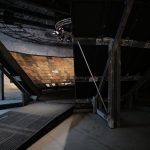
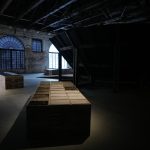
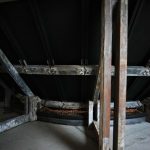
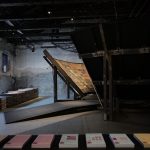
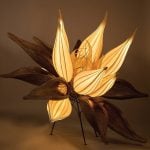
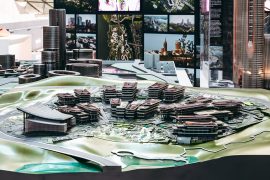
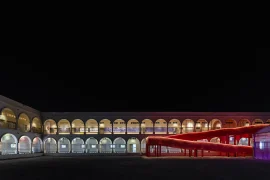
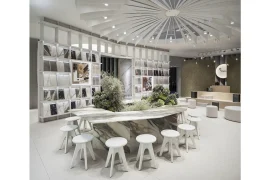
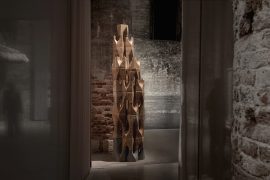
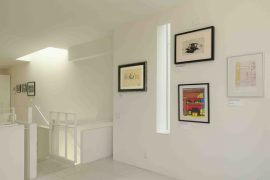
Titled Soil-beings (Lamánlupa), the exhibition reimagines the foundational relationship between architecture and soil. Curated by Renan Laru-an, Soil-beings shifts focus from structure to substrate—chalenging conventional architectural paradigms by presenting soil not as passive material, but as a living force with agency, memory, and power.
Project Name: Soil-beings (Lamánlupa) Philippine Pavilion Opens at Venice Architecture Biennale 2025
Studio Name: Studio KIM/ILLI
Dates: 20 July – 23 November 2025
Curator: Renan Laru-an
Exhibitor: Christian Tenefrancia Illi
Exhibition Design: Studio KIM/ILLI

The exhibition invites architects, designers, and publics to engage soil as a dynamic actor in shaping the built world. By examining the interplay of soil-body and soil-time, Soil-beings reflects on how architecture can move toward more reciprocal and ethical relationships with the earth.
Terrarium
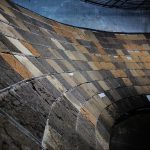
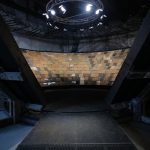
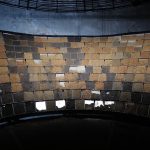
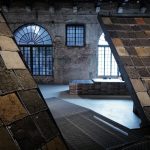
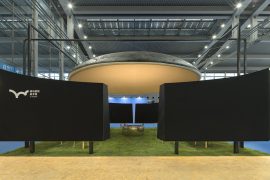
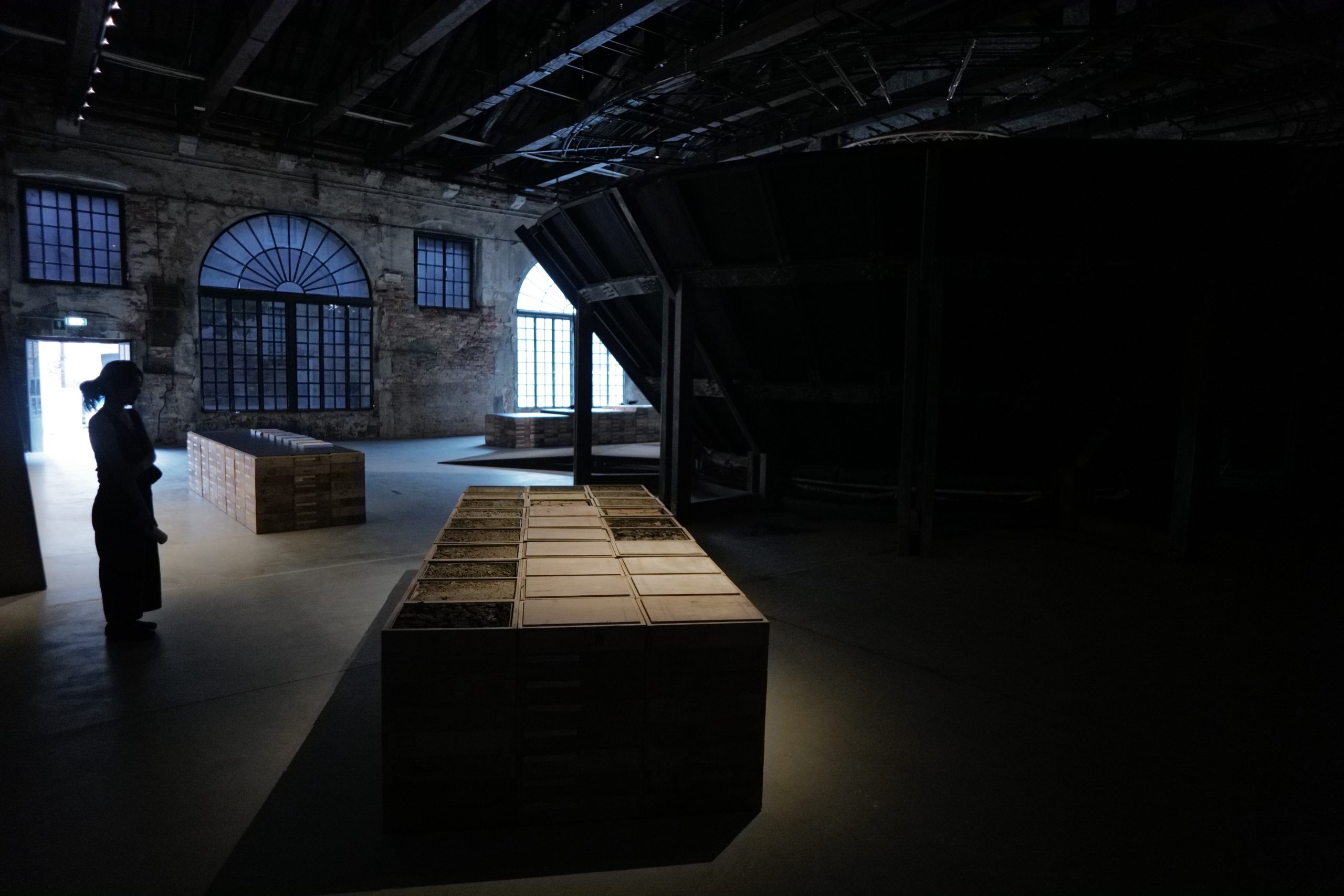
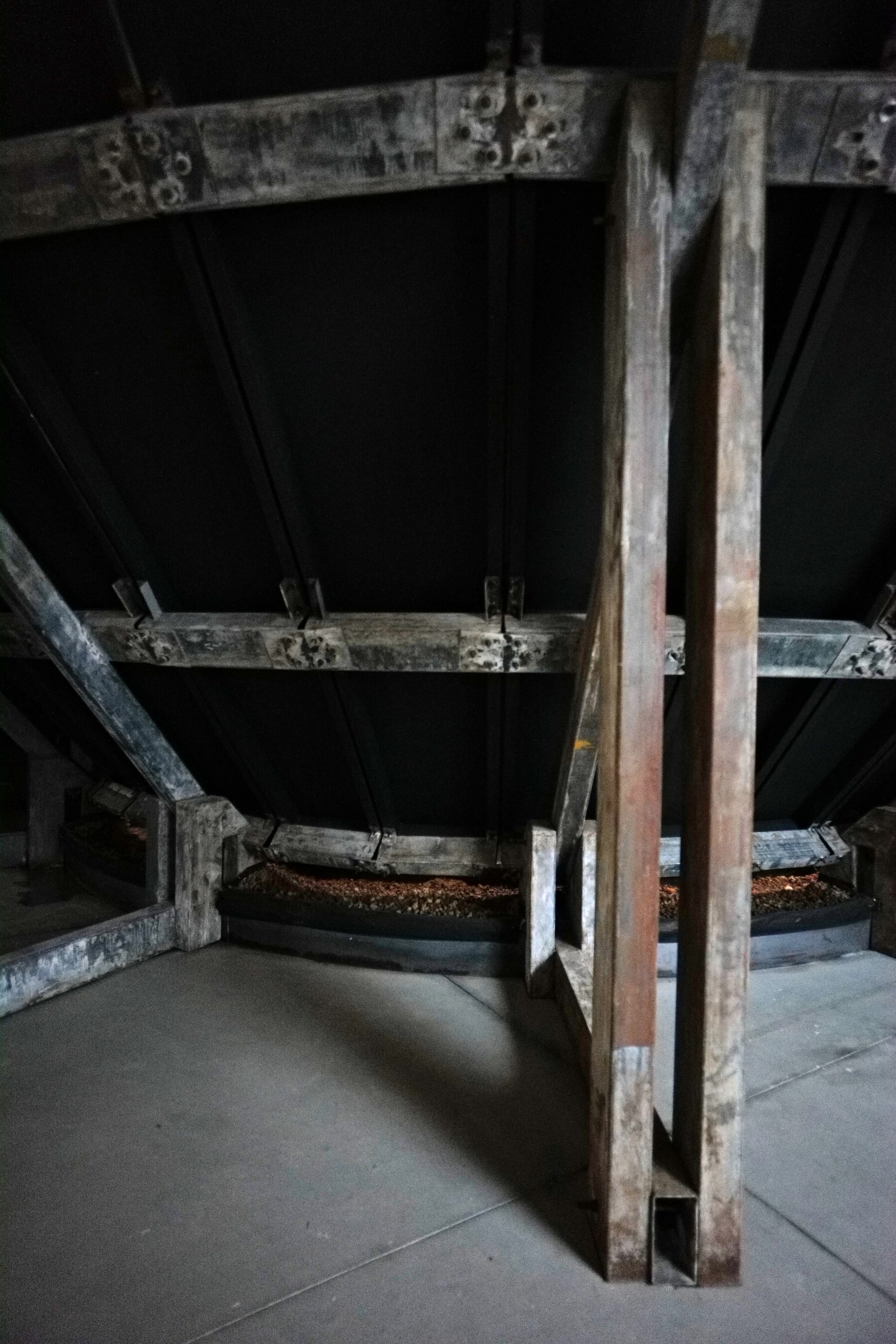
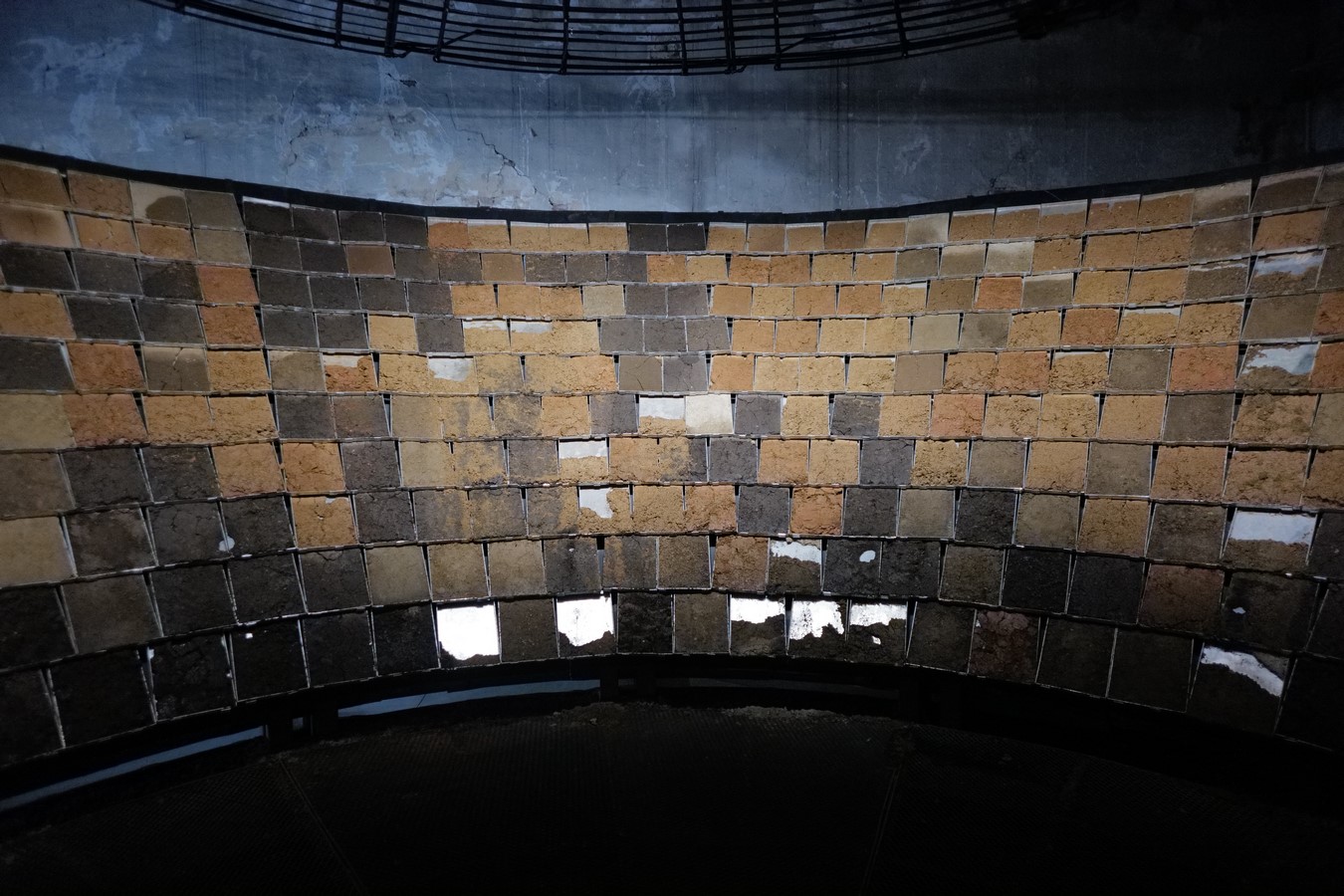
At the center of the exhibition is Terrarium, an installation by Christian Tenefrancia Illi, composed of nearly one thousand soil tiles gathered from various Philippine landscapes. Terrarium simulates microclimates and the slow but forceful processes of weathering and
transformation—foregrounding soil’s role in shaping human and nonhuman futures alike. The vortex-like structure resists architectural finality, inviting viewers into the rhythms of
decomposition and reformation.
Rather than positioning soil as object or resource, Terrarium alows it to be host, medium, and witness. In doing so, it expands the possibilities of spatial practice—blurring the lines between ecology, ritual, architecture, and care.
Prior to the exhibition’s presentation in Venice, a series of interdisciplinary workshops unfolded across the Philippines—Metro Manila, Batangas, Leyte, and South Cotabato. These gatherings, involving scientists, artists, Indigenous leaders, activists, and local residents, reframed soil as a cultural and political actor.
In Calatagan, Batangas, communities reimagined tool-making through discarded materials. In Baybay, Leyte, women and LGBTQI survivors of landslides dramatized grief and memory
through performance. In Tampakan, South Cotabato, Blaan Indigenous participants used
cooking, ritual, and storyte ling to chalenge extractive pedagogies. These exercises highlight soil’s capacity to foster imagination, resistance, and colective life.
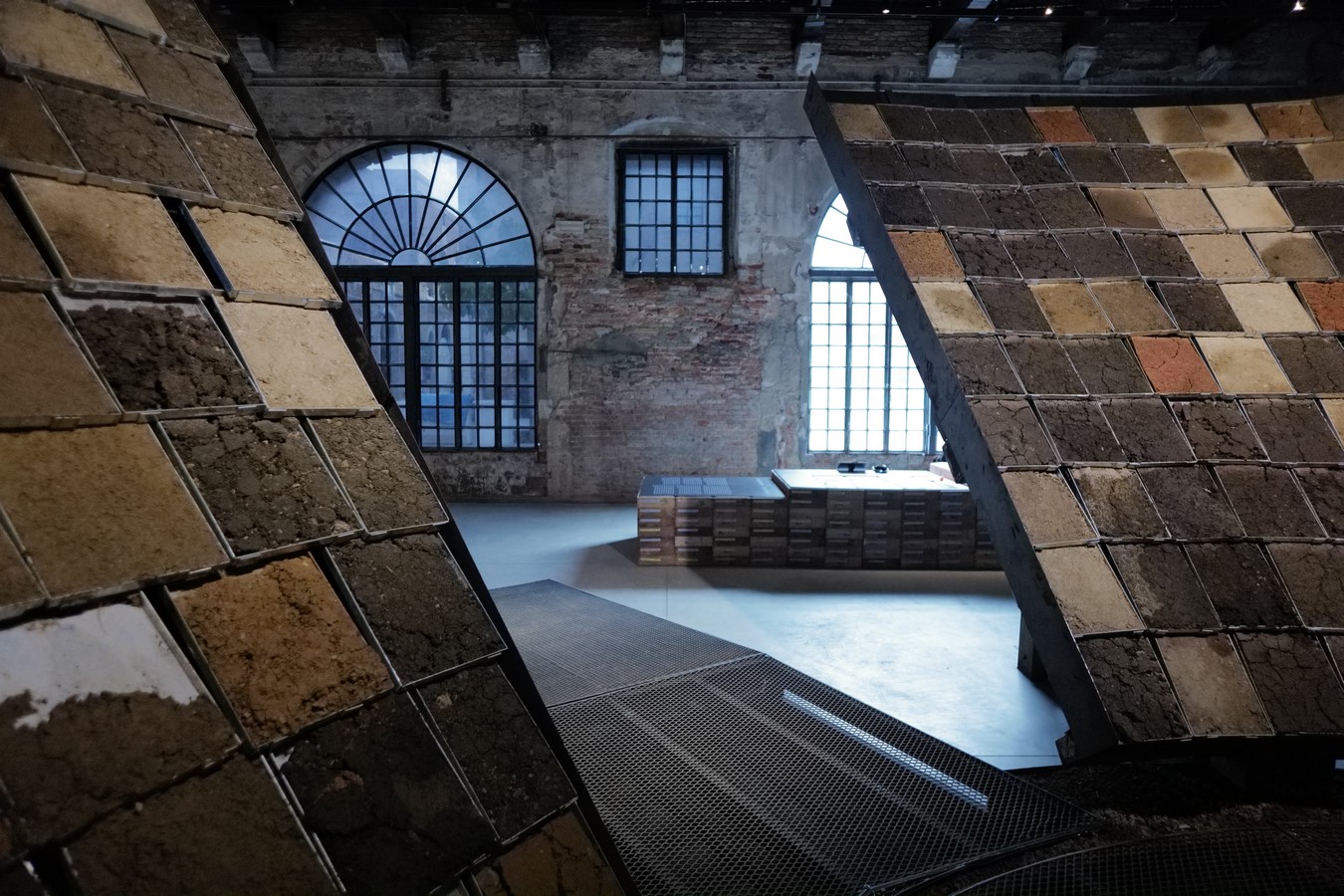
As a living archive and colaborator, soil in Soil-beings exceeds its role as material—it becomes a force of encounter, instability, and potential.