In a world where governments are unable to topple the mass migration to cities or even to different countries, architects can create a series of solutions that may salvage affected towns and villages. In order to create interest for locals to stay, there need to be opportunities. People often associate such opportunities with land-based work like agriculture, yet this is far from a complete answer. Just like
anywhere else, rural communities need activities, cinemas, art centres, schools, and extracurricular programs for children.
One way to quickly improve these areas is by regenerating abandoned structures like factories, plants, and mills into cultural spaces. The great advantage here is that the building is already in place, so there is no need for extravagant construction work. The conversion becomes a process rather than a traditional form of building. People can get involved—children can paint the walls— and ultimately, these concrete and metal structures become spaces for the community, by the community, marked by their personality.
Many people—and especially governments—fail to understand what communities need in order to thrive, and that is why they often fail to find real solutions to the depopulation of smaller settlements. In cities, there are countless initiatives designed to boost lifestyle and create vibrant third spaces where people can rediscover interpersonal connection. What most politicians and investors seem not to understand is that creating these sorts of spaces in rural areas would generate more opportunities and, in turn, aid an already struggling economy.
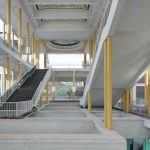
Projects like this can start with simple ideas, such as AJDVIV’s work using an abandoned convention centre in the heart of Charleroi, a Belgian town known for its coal-mining past. The state of the local economy is reflected directly in the image of this immense, abandoned ‘palais’. The utopian vision of the architects—to commemorate this relic of the industrial boom under late capitalism—can serve as a trajectory for others: architects taking initiative and reclaiming abandoned places in simple, low-cost ways to create cultural hubs for the community and help foster local employment.

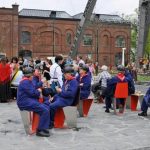
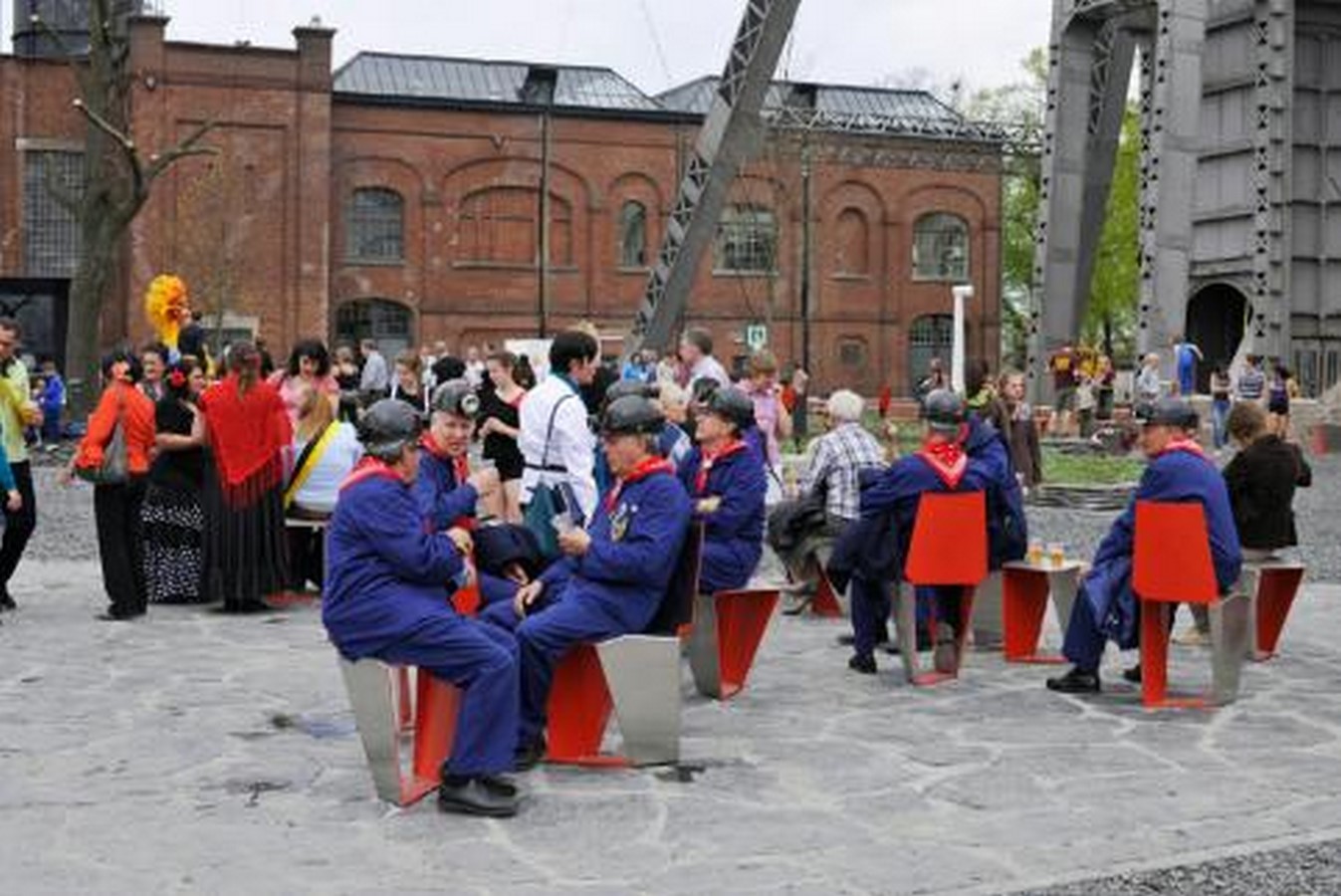
Another great example of reclaiming an abandoned industrial building is the project ‘C-mine’, designed in partnership with the European Union. The goal was to preserve the cultural heritage of the mining town of Genk and generate new interest in the area, which otherwise would not attract tourists and would face severe depopulation and economic struggle. Today, the cultural centre hosts constant events, exhibitions, and workshops for locals, and has even been home to international initiatives like Manifesta 2012 (the European Biennial of Contemporary Art), bringing tourists and investors into the area. It gives residents a chance to hope for a better future—one where they no longer feel forced to abandon their hometowns. Moreover, former mine workers were invited to the opening of C-mine, and they were deeply moved to see that their abandoned workplace had been transformed into a positive initiative for their beloved town.
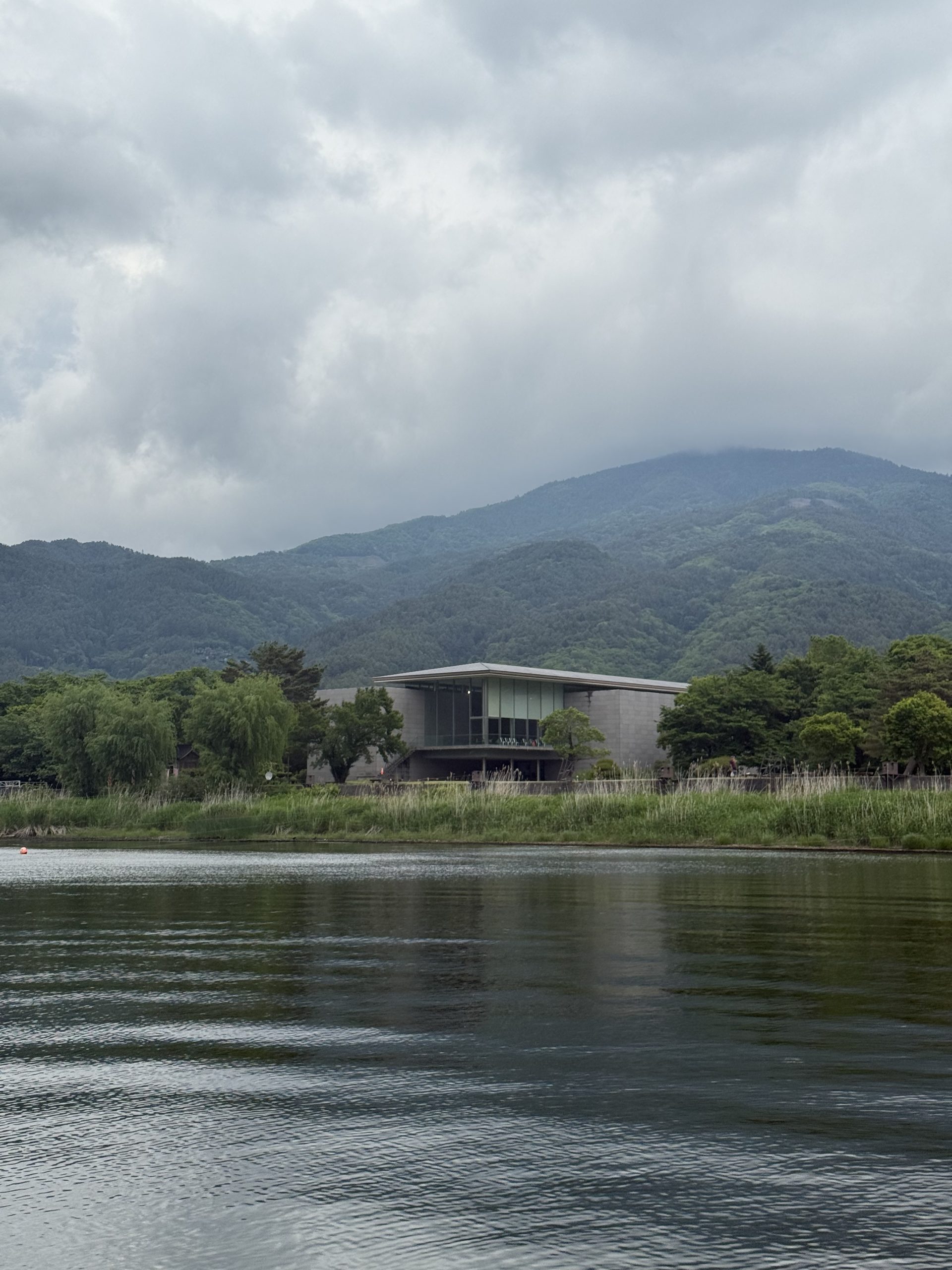
In Japan, one cannot ignore the number of cultural centres and museums in the smaller towns and rural areas. That is not coincidental and it is a result of efforts of the government to create opportunities outside large cities and to promote the revitalisation of other regions. Through a series of legislative decisions such as The Museum Act, which supports initiatives like the transformation of abandoned industrial buildings into cultural centers by providing a legal and institutional framework that empowers local governments and communities to preserve heritage sites. This legislation enables such projects to not only safeguard historic structures but also foster local identity and create inclusive third spaces that encourage residents to stay and engage, addressing the challenges of rural depopulation. Japan has been fighting rural depopulation by focusing on what they call cultural-led regeneration—basically, investing in museums, art festivals, and cultural spaces to attract visitors, create jobs, and give struggling towns a new identity. This has been backed by government support and funding for decades, starting from the economic boom through to the
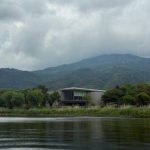
years after the 1990s crash, helping diversify local economies. A standout example is the Benesse Art Site Naoshima, where private philanthropy teamed up with architects like Tadao Ando to turn a small, remote island into an internationally recognized art destination. What’s cool is how these projects connect deeply with Japanese culture, embracing nature, minimalism, and traditional ideas like wabi-sabi and mono. On top of that, big art festivals like the Echigo-Tsumari and Setouchi Triennale have put these rural areas on the global art map, bringing ongoing investment and giving local artists a platform to shine. Moreover, although these are not the sole solution for existing crises countries face due to mass migration to the big city, it creates a well established cultural base for locals to benefit from and for tourists to come and visit, both boosting the economy. These conversions can therefore become real architectural jewels that will benefit the overall wellbeing of the people living in their surroundings and will create a great reason for architectural aficionados to discover a new destination.
What governments and local authorities need to understand is that by investing in these initiatives, even if they appear minor, they can help tackle much larger issues—such as housing shortages in cities and lack of workforce in agriculture and related industries. Although architects—alongside professionals from related fields like urbanism, landscape architecture, and more—can be visionary leaders of future thriving communities, there must first be a clear and collective understanding of the issue from society and politicians alike. One cannot aspire to build a thriving urban economy while neglecting the quality of life of those who are the pillars of the food, textile, craft, and wood industries.
References:
Beaumont, E. (2024) ‘Breaking convention: Chapex in Charleroi, Belgium, by AgwA and Architecten Jan de Vylder Inge Vinck’, Architectural Review, 19 February. Available at: https://
www.architectural-review.com/buildings/breaking-convention-chapex-in-charleroi-belgium-by agwa-and-ajdviv
Hosper (2012) ‘Genk C-mine’, ArchDaily, 14 July. Available at: https://www.archdaily.com/ 253647/genk-c-mine-hosper(Accessed: 21 June 2025).
Japanese Law Translation (2022) Museum Act (Act No. 285 of 1951). Available at: https:// www.japaneselawtranslation.go.jp/en/laws/view/4309/en (Accessed: 21 June 2025).
Images
Beaumont, E. (2024) ‘Breaking convention: Chapex in Charleroi, Belgium, by AgwA and Architecten Jan de Vylder Inge Vinck’, Architectural Review, 19 February. Available at: https:// www.architectural-review.com/buildings/breaking-convention-chapex-in-charleroi-belgium-by agwa-and-ajdviv
Hosper (2012) ‘Genk C-mine’, ArchDaily, 14 July. Available at: https://www.archdaily.com/ 253647/genk-c-mine-hosper(Accessed: 21 June 2025).
Last one by me