The prolonged conflict between India and Pakistan has permanently marked their common border regions. These regions exist as intricate architectural layers which display both the harsh marks of separation and the emerging signs of resistance. The Indo-Pakistani Wars, which have lasted for many decades, have created a specific border architecture through powerful defensive structures and strategic facilities and visible signs of conflict throughout urban and rural areas. The architectural features of these contested areas tell a story of separation yet reveal important initiatives that work to establish connections and healing processes in these disputed regions.
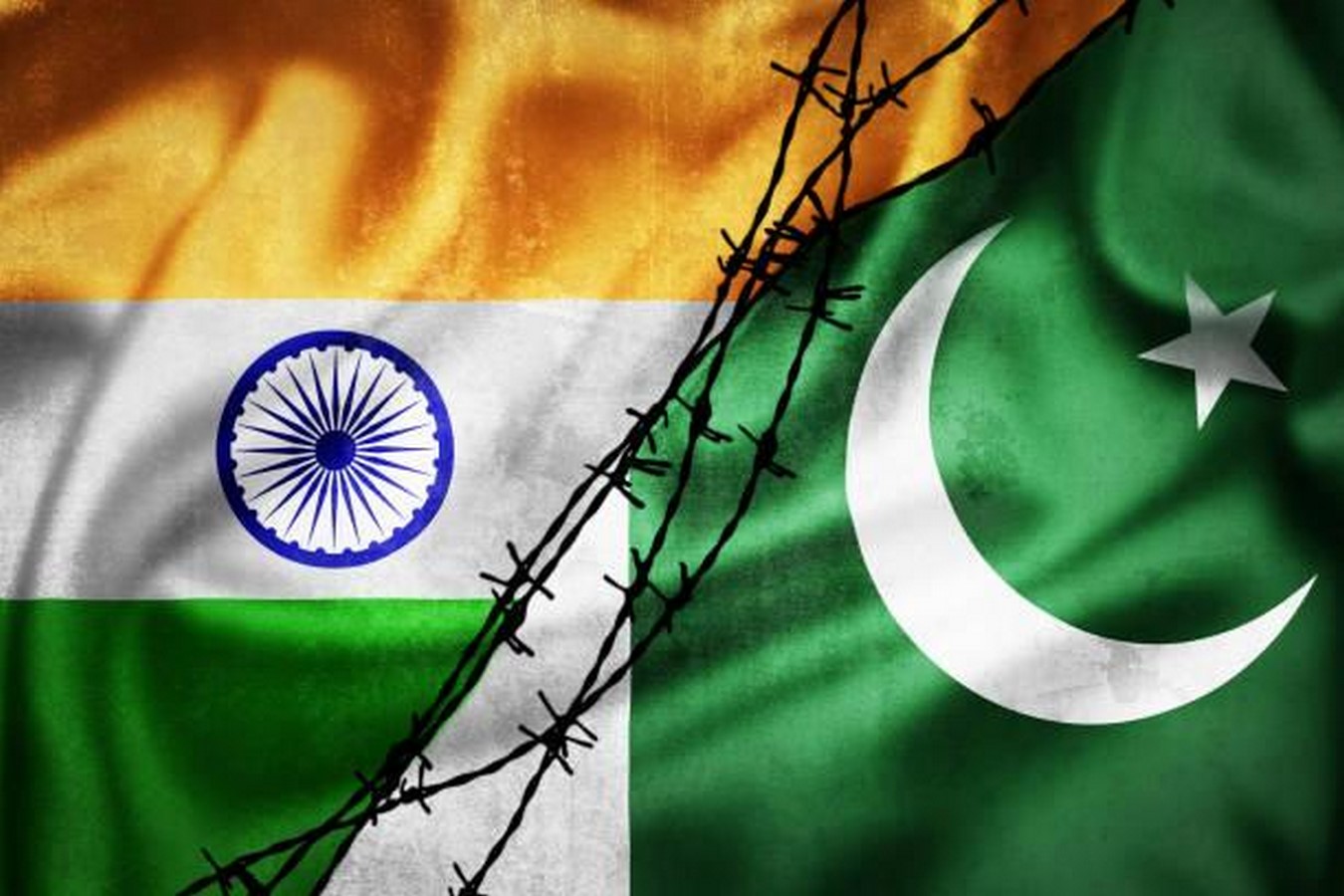
Lines of Control: The Architecture of Separation
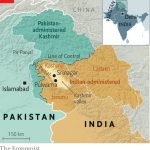
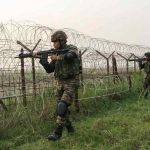
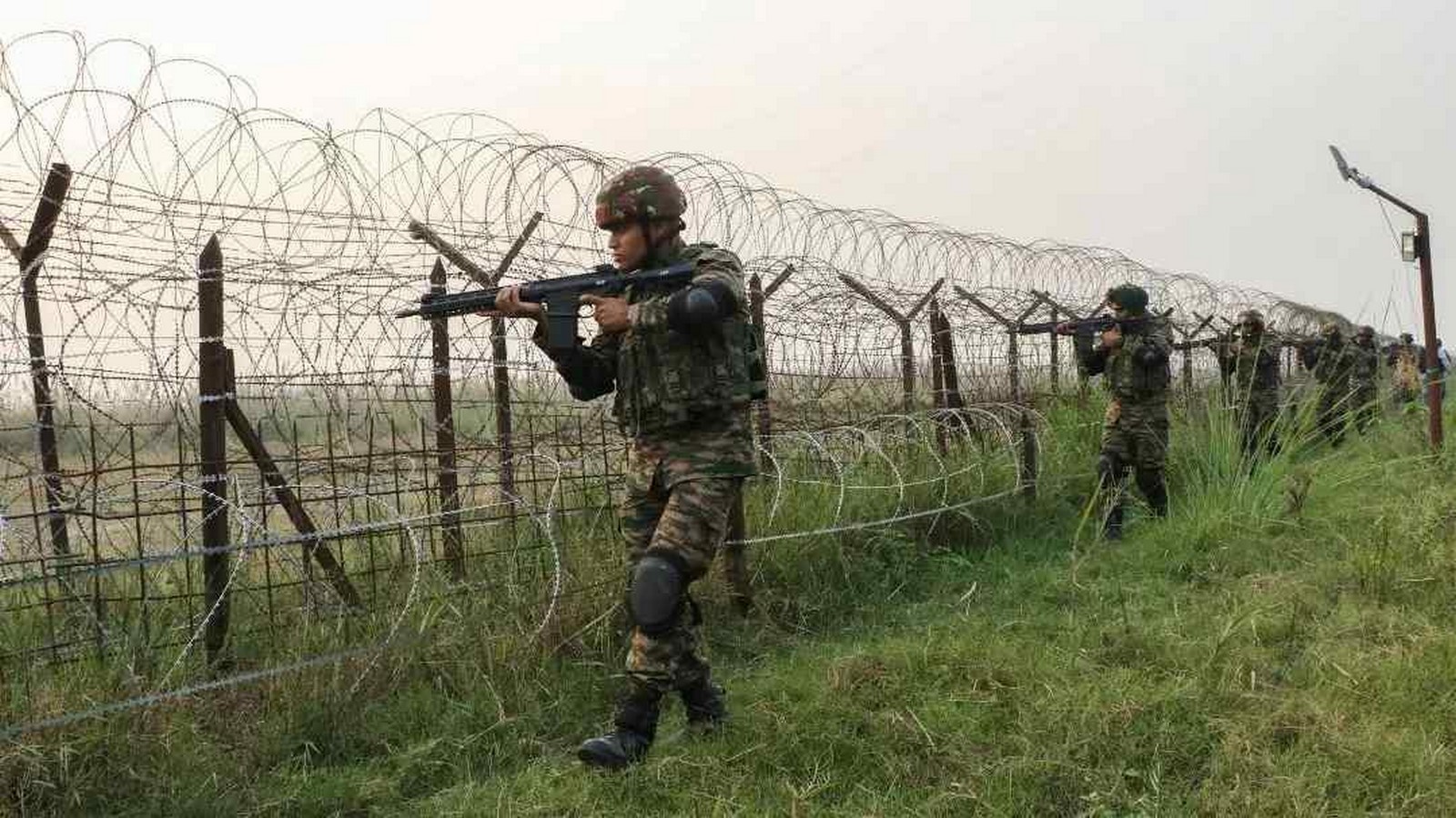
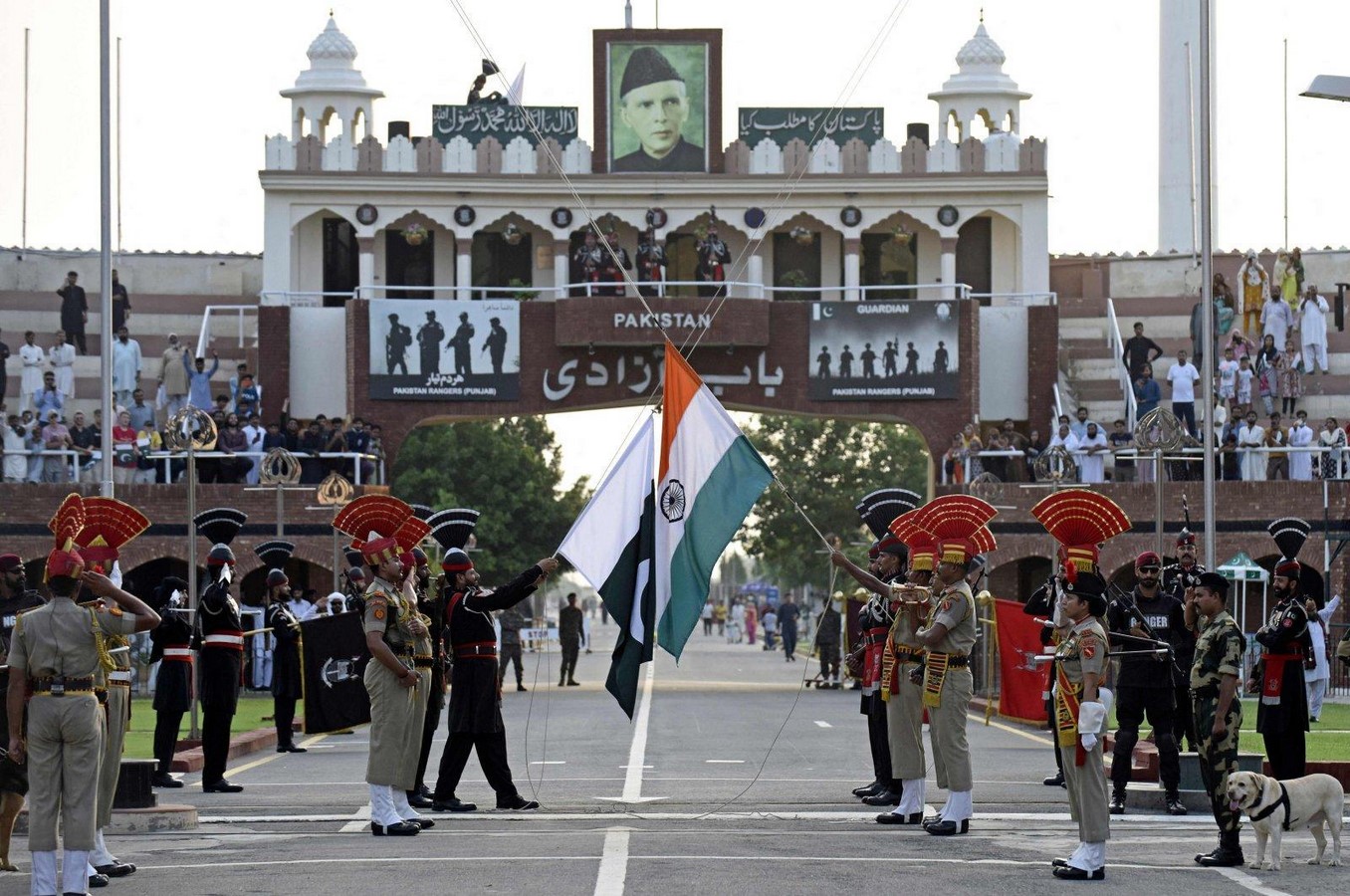
The border itself represents the immediate architectural result of the Indo-Pakistani Wars. The Line of Control (LoC) in Jammu and Kashmir and the international border in other sectors demonstrate the lasting hostility through their fortified structures. These boundaries exist as physical obstacles which combine fencing with barbed wire and advanced surveillance systems. The architecture of separation exists to stop infiltration while enforcing complete separation between the two nations.
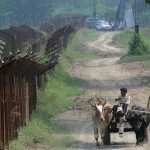
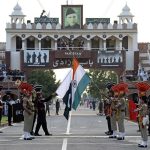
The extensive border fences that stretch across hundreds of kilometers have transformed the natural environment. The metallic barriers cut through hills and valleys which disrupt both natural ecosystems and traditional movement patterns of local communities. The borderlines feature checkpoints which function as both physical and psychological barriers through their fortified structures with watchtowers and heavily armed personnel. The checkpoints display an intentionally powerful design which demonstrates state control over the area. The design of these checkpoints emphasizes security and surveillance operations which frequently compromise both human interaction and ease of movement.

Military Infrastructure: Projecting Power
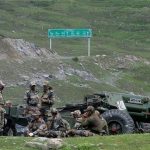
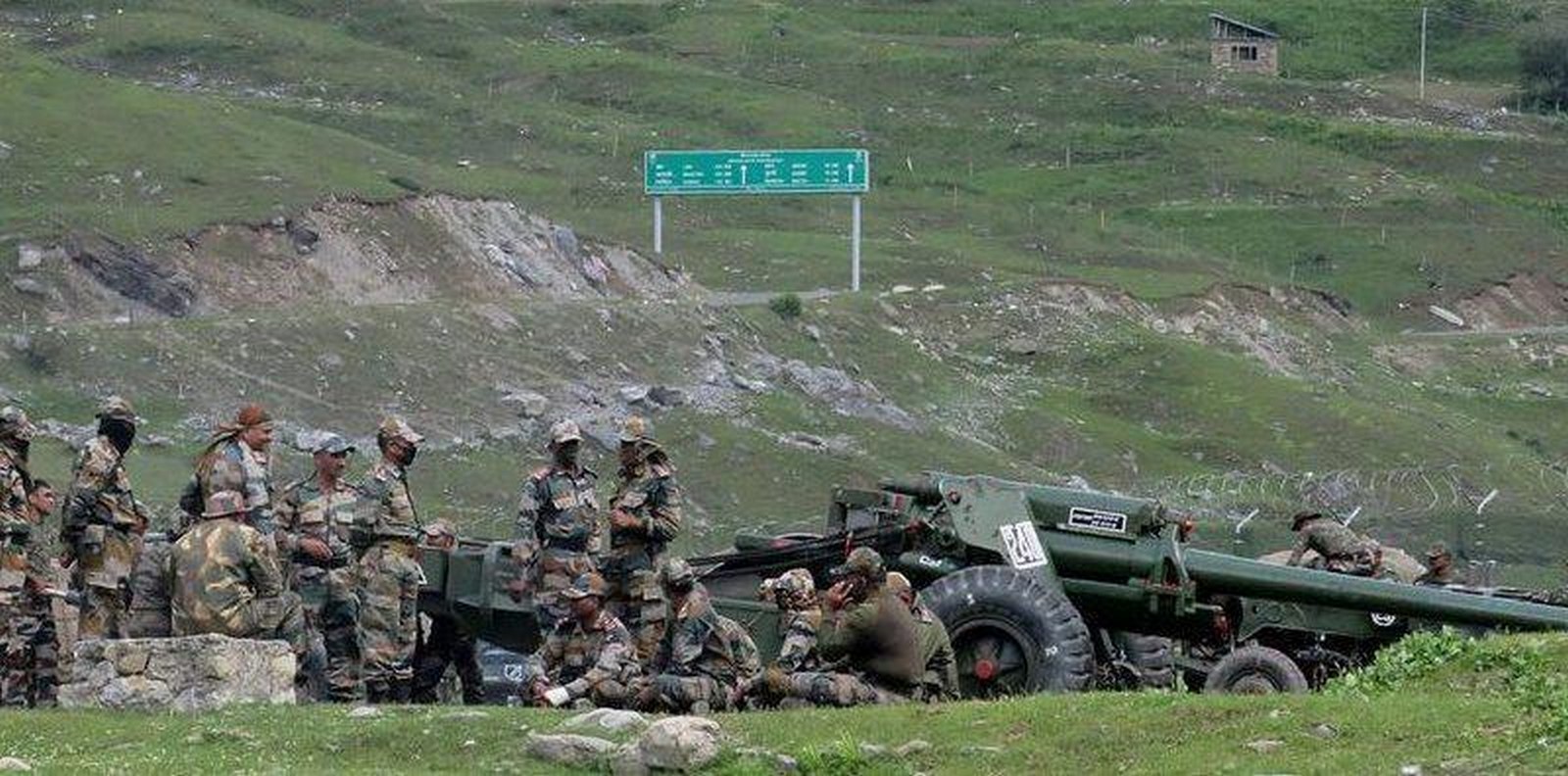
The border area extends beyond its immediate demarcation to include extensive military infrastructure. The border regions contain strategically placed garrisons and cantonments and outposts which demonstrate defensive and power projection capabilities through their architectural design. These entities function as independent units which maintain their residential facilities together with supply networks and operational infrastructure. The border landscape exists as a militarized zone because these installations modify the physical environment and influence nearby regions’ economic and social patterns.
The military facilities have functional designs which focus on security needs and operational efficiency. The military facilities integrate bunkers and observation posts and fortified positions into the terrain by using natural features for strategic advantage. The border regions feature extensive road networks and communication systems which modify the landscape while serving military mobility and logistics needs. The vast and enduring military infrastructure maintains a permanent presence which demonstrates the ongoing border disputes and the continuous threat of war.
Scarred Landscapes: The Urban and Rural Impact
The most evident effects of the Indo-Pakistani Wars appear in urban and rural areas that have experienced combat. Border-proximate settlements frequently endure major destruction because of artillery bombardments and cross-border gunfire. The architecture of these settlements shows evidence of war through damaged buildings and abandoned structures and widespread feelings of exposure. Reconstruction projects that happen after conflicts tend to focus on urgent requirements rather than urban planning principles which results in a mixed development of old and new buildings that demonstrate the ongoing pattern of war and reconstruction. The border fences and military presence in rural areas have split agricultural land into separate sections. The removal of landmines has not eliminated the ongoing fear and limited access that persist in these areas. Traditional irrigation systems and trade routes were disrupted, harming both economic stability and social unity. The architecture of rural life in these regions displays a sense of instability because daily routines remain under the constant threat of conflict.
Human Stories in Built Environments
The human experiences of borderland residents deeply shape the architectural design of the Indo-Pakistani border regions. The fences and military installations stand as physical reminders of displacement loss and ongoing violence. The damaged buildings together with broken landscapes demonstrate how communities have survived through unimaginable difficulties. The emerging architectural projects dedicated to reconciliation and shared heritage provide evidence of hopeful possibilities for a different future. These spaces emerge from community involvement and local context understanding to represent the need for connection and healing. The built environments demonstrate a deliberate approach to designing spaces that showcase both the historical division and human potential for empathy and shared futures.

A Precarious Present: The Enduring Architecture of Distrust
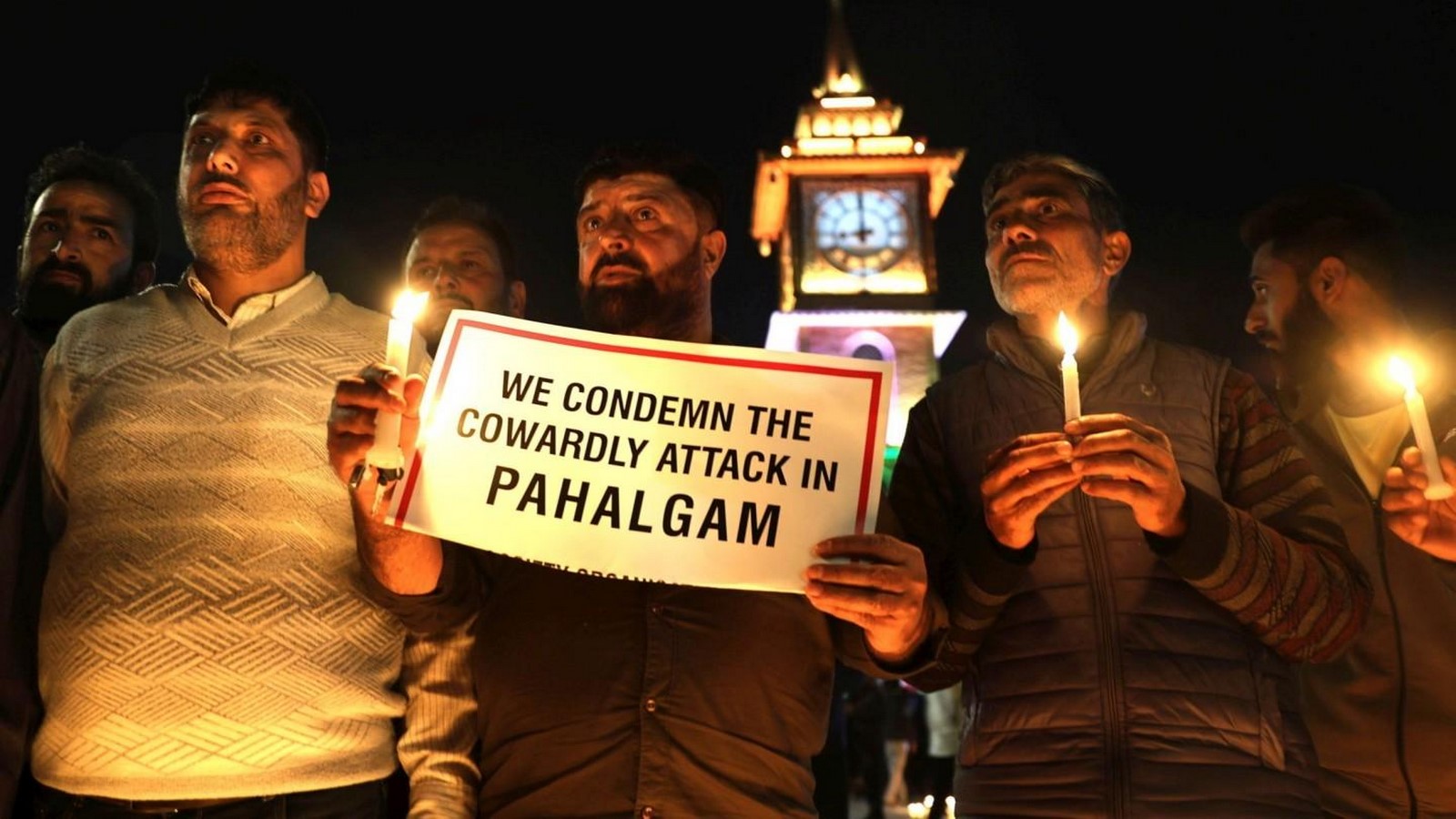
The current situation shows that the division architecture along the Indo-Pakistani border continues to dominate while some areas experience additional technological reinforcement of this division. The 2021 ceasefire has maintained peace but recent incidents such as the April 2025 Pahalgam attack demonstrate how unstable this peace remains. Driven by a commitment to bolster border security, India is working to implement comprehensive electronic surveillance across its entire frontier, merging AI-enabled systems with existing fences and checkpoints.
The drive for “smart fencing” and surveillance technology expansion demonstrates ongoing security and control priorities instead of promoting connectivity or reconciliation. The few community and cultural heritage initiatives such as the Indus Peace Park Project and virtual reality project Project Dastaan to reconnect Partition survivors operate in an environment of deep political distrust and restricted cross-border interaction while formal diplomatic channels remain suspended or stalled. The architectural division continues to inflict substantial human costs on border communities who exist in a state of instability. At the same time, their existence and economic activities remain influenced by ongoing conflict and physical barriers that maintain separation.
Towards a Shared Future: Beyond the Architecture of Division
The Indo-Pakistani borderlands present architecture that demonstrates enduring strength as a historical monument to ongoing conflict and separation. The border landscape remains controlled by powerful fences, fortified checkpoints and extensive military infrastructure which represent the long-standing distrust between nations. The current period of peace does not alter the ongoing development of “smart fencing” and surveillance technology which maintains border communities in a state of constant awareness about the fragile nature of peace. The imposing architecture of division still allows glimmers of an alternative future to exist. The emerging architectural and community-based initiatives that stem from human needs for connection and heritage recognition provide essential alternative perspectives. These initiatives face significant challenges because of major geopolitical factors and the prevailing architecture of distrust yet they establish essential foundations for building resilience and reconciliation. A permanent peace demands a complete change in perspective because it needs to move past the continuous development of physical and digital barriers. A lasting peace demands intentional work to construct bridges which will enable communication, mutual understanding and shared success until an architectural framework emerges that showcases both past injuries and future aspirations for shared prosperity.
References :
- Barua, Kriti. “What Is the Difference between LOC and LAC?” Jagranjosh.com, 4 Sept. 2020, www.jagranjosh.com/general-knowledge/difference-between-loc-and-lac-1591177275-1.
- Kapoor (Retd), Lt General V.K. “Technologies Used in Border and Perimeter Security — the Indian Context.” Spslandforces.com, 2016, www.spslandforces.com/story/?id=426. Accessed 18 May 2025.
- Staff, Al Jazeera. ““Don’t Want War”: Kashmiri Towns Caught in Deadly India-Pakistan Crossfire.” Al Jazeera, 8 May 2025, www.aljazeera.com/features/2025/5/8/dont-want-war-kashmiri-towns-caught-in-deadly-india-pakistan-crossfire.
- Tandon, Aditi. “Border Village Farmers Navigate Conflict and Survival.” Mongabay-India, 9 May 2025, india.mongabay.com/2025/05/border-village-farmers-navigate-conflict-and-survival/. Accessed 17 May 2025.
- Tehzeeb, Nawal Ali,Fouziya. ““A Ghost That Haunts”: Living with Landmines in Kashmir.” Www.aljazeera.com, 27 Jan. 2021, www.aljazeera.com/features/2021/1/27/a-ghost-that-haunts-living-with-landmines-in-kashmir.