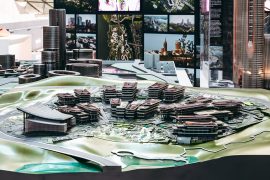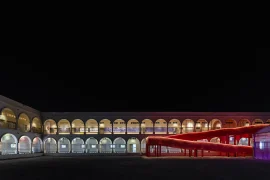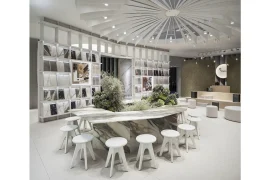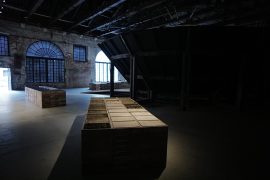
Brazilian architects Nicholas Gennari and Roberto Racy from Nar Design Studio, a firm based in Miami, present a new perspective on how interior design and architecture can transform physical and emotional well-being at the 7th edition of Time Space Existence. The exhibition is part of the official program of the 19th International Architecture Exhibition – La Biennale di Venezia, taking place from May 10 to November 23 in Venice, Italy.
Project Name: Reflection on Well-Being at Time Space Existence 2025
Studio Name: Nar Design Studio
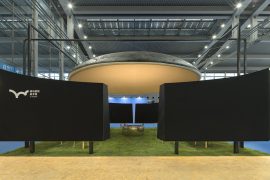
Invited by the European Cultural Centre, the duo, currently based in Miami, is participating in the exhibition with an installation that brings together images, texts, and explanatory videos, encouraging reflection on the impact of architecture and interior design on human health and well-being. The studio presents its own projects as examples of the principles and philosophies behind certifications such as the WELL Building Standard and LEED.
The WELL certification adopts a holistic approach, emphasizing air quality, lighting, thermal comfort, acoustics, and mental health as fundamental pillars for well-being in built environments. LEED, on the other hand, promotes sustainable practices in the design, construction, and operation of buildings, delivering environmental, social, and economic benefits.
The project also embraces biophilic design, a concept that strengthens the connection between humans and nature, demonstrating how the integration of natural elements into architecture can positively impact mood, productivity, and emotional health.
Visitors are invited to explore the profound impacts that well-designed environments can have on daily life, with design being presented as a dynamic tool for well-being and regeneration. Features such as natural lighting, indoor vegetation, the use of organic materials, strategies for reducing noise and pollutants, and smart lighting systems that adapt to users’ circadian rhythms are among the resources employed to create atmospheres that inspire calm and balance.
Case Studies and Project Highlights Presented:
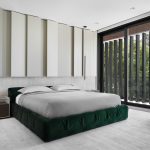
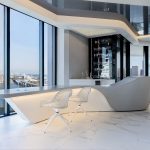
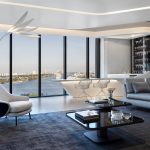
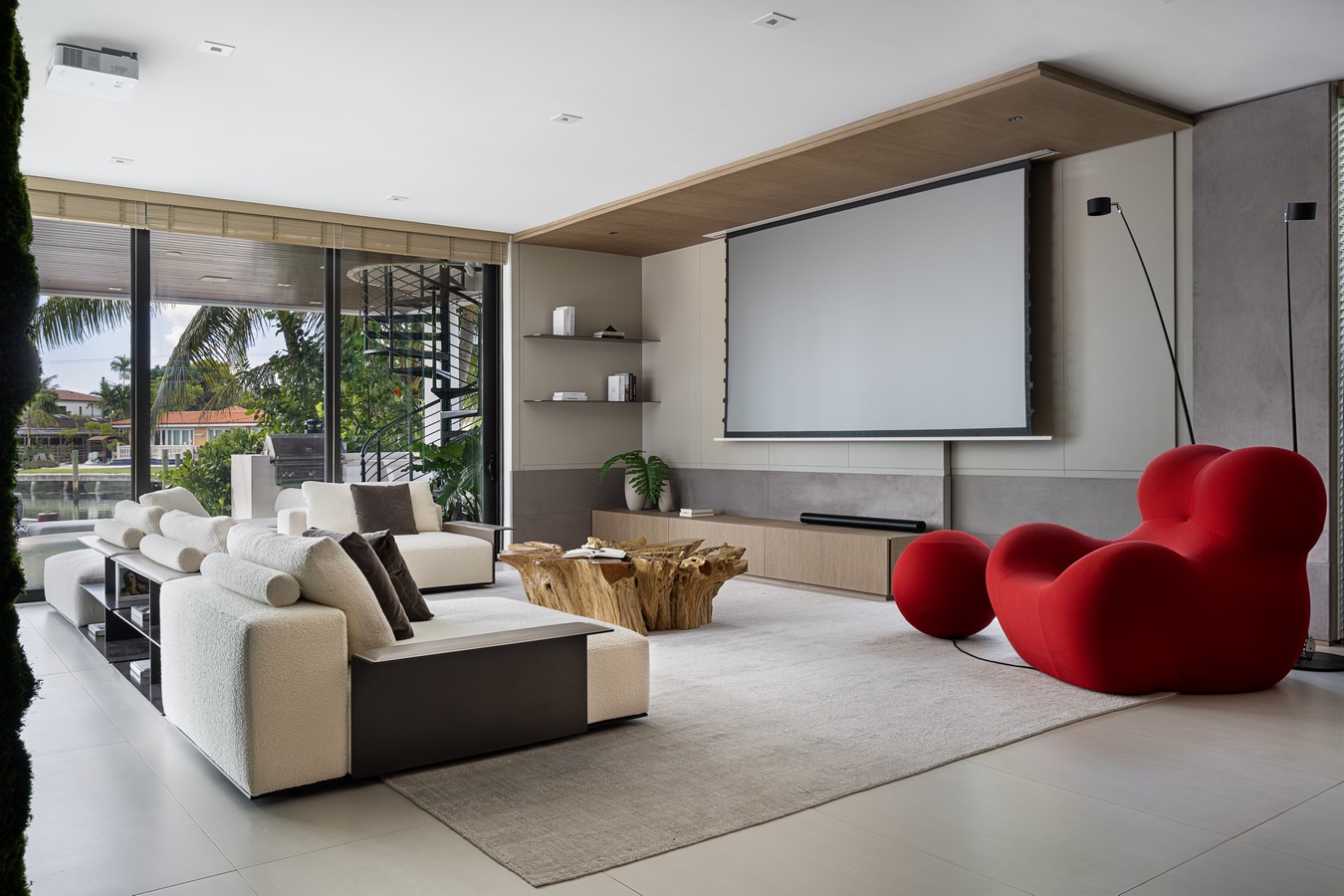
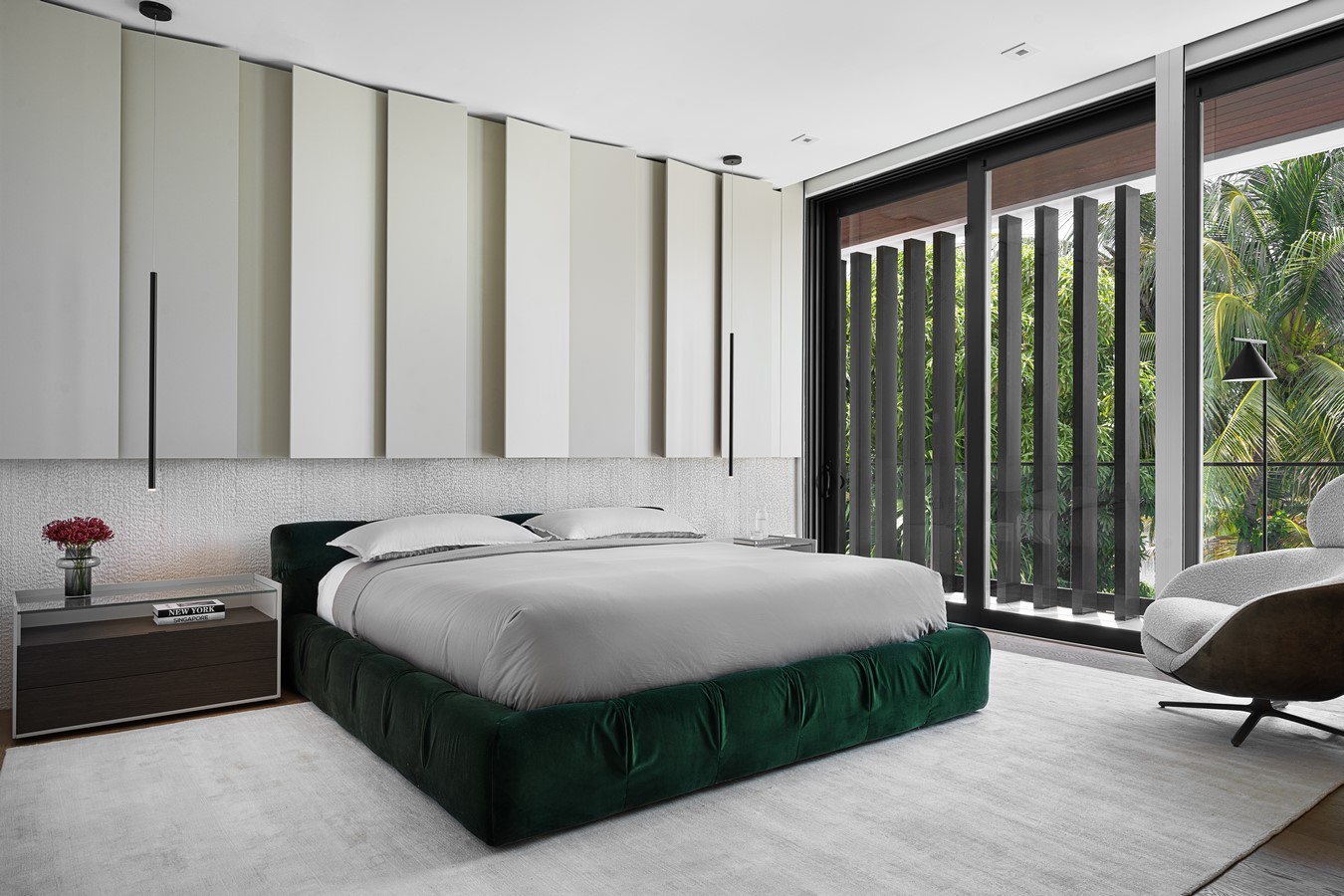
Two residential projects from the studio illustrate this approach, showcasing the seamless integration of well-being concepts and biophilic design principles into interior design. The proposals emphasize the essential role of environments in promoting both mental and physical health.
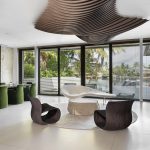
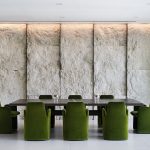
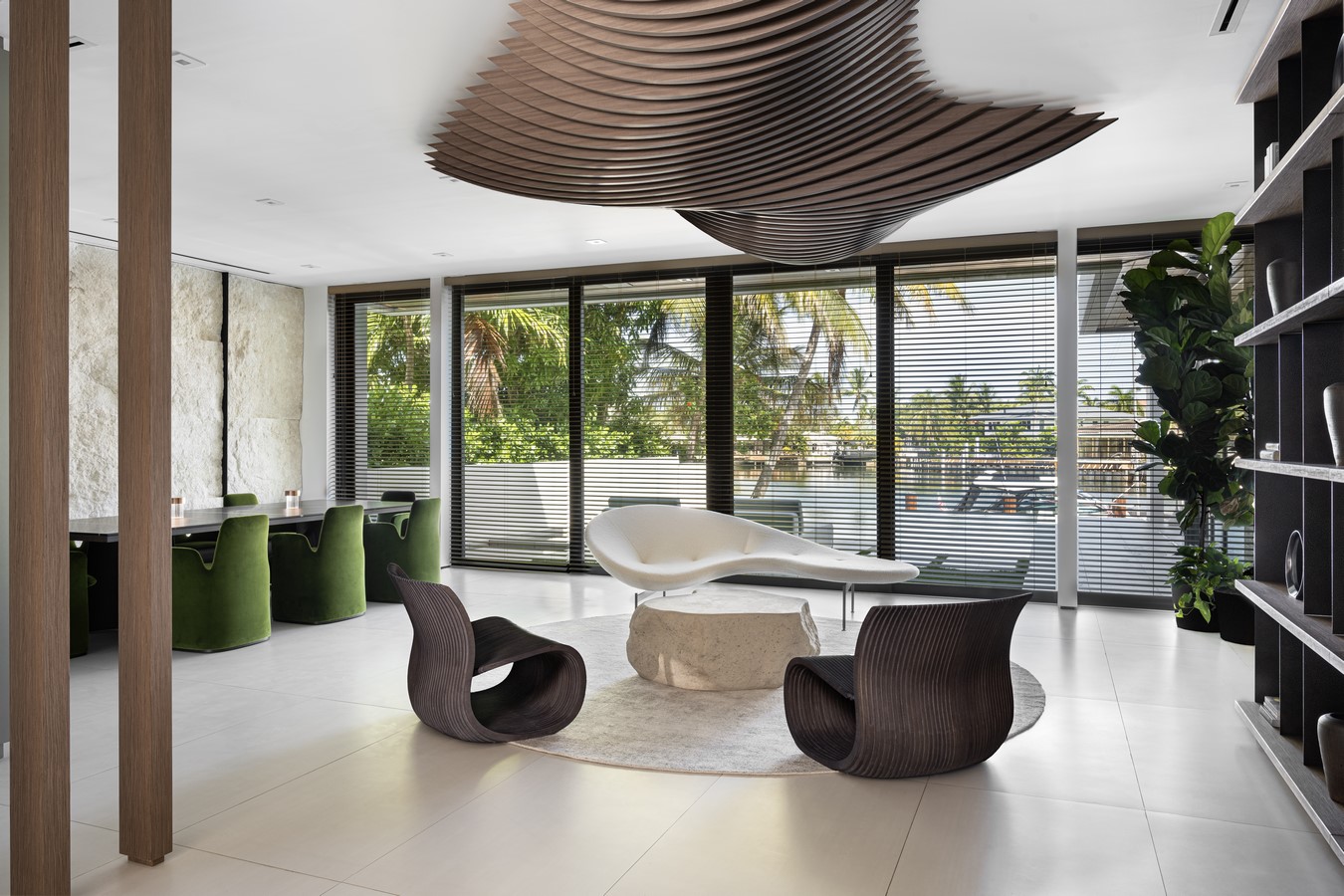
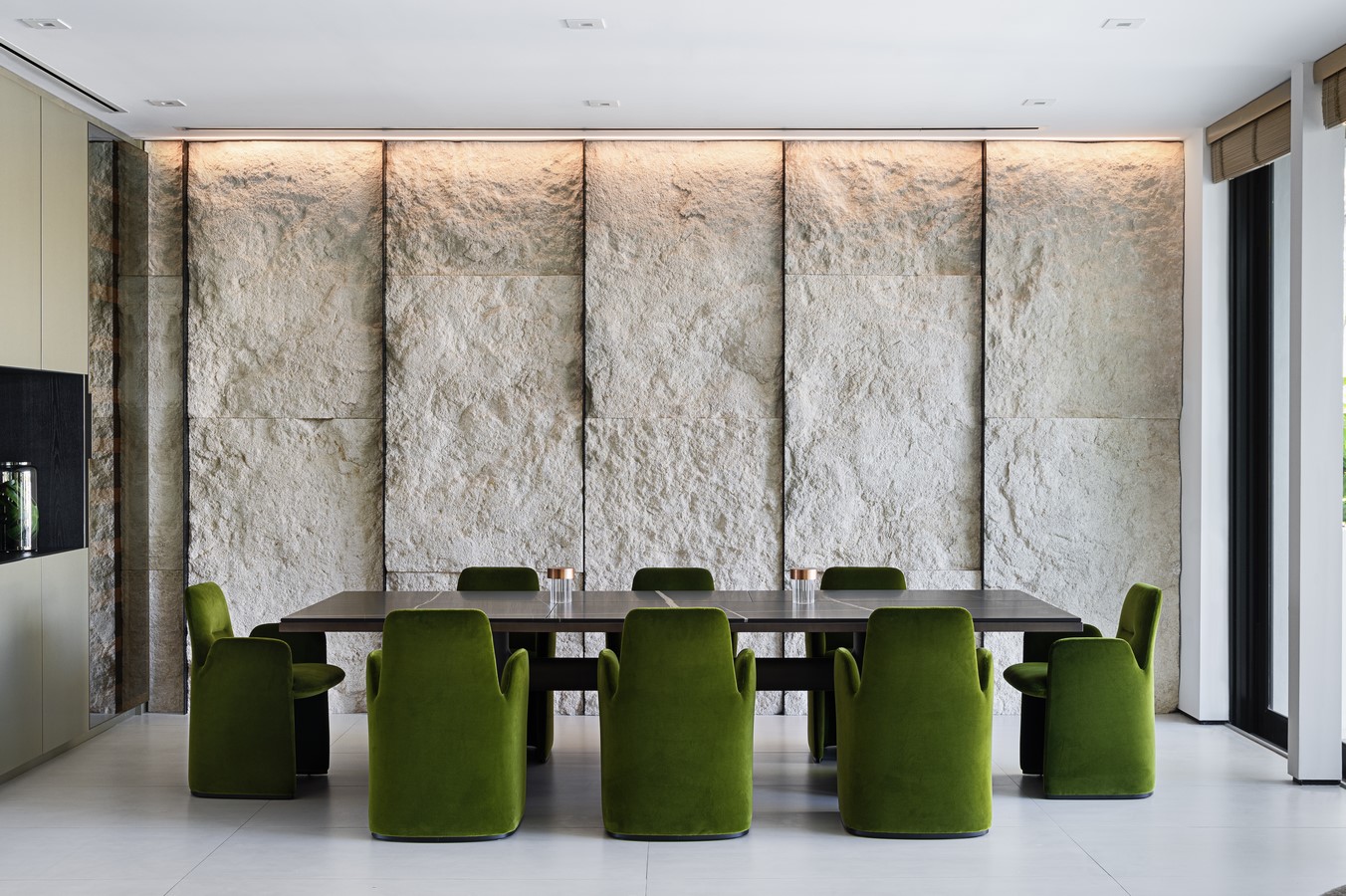
The SK Residence was conceived as a contemporary retreat that combines sophistication with natural elements. The project stands out for its use of sustainable materials and a palette inspired by the savanna, featuring earthy tones and deep greens that create a serene and welcoming atmosphere. Among the sensory solutions are a custom-sculpted ceiling inspired by the movement of water and a striking natural stone wall in the dining room, evoking the caves of cenotes.
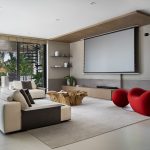
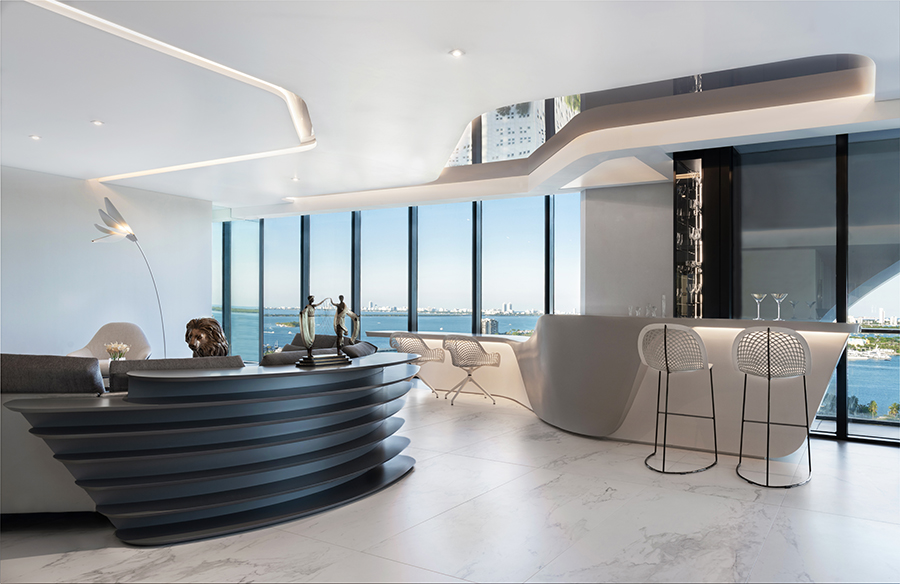
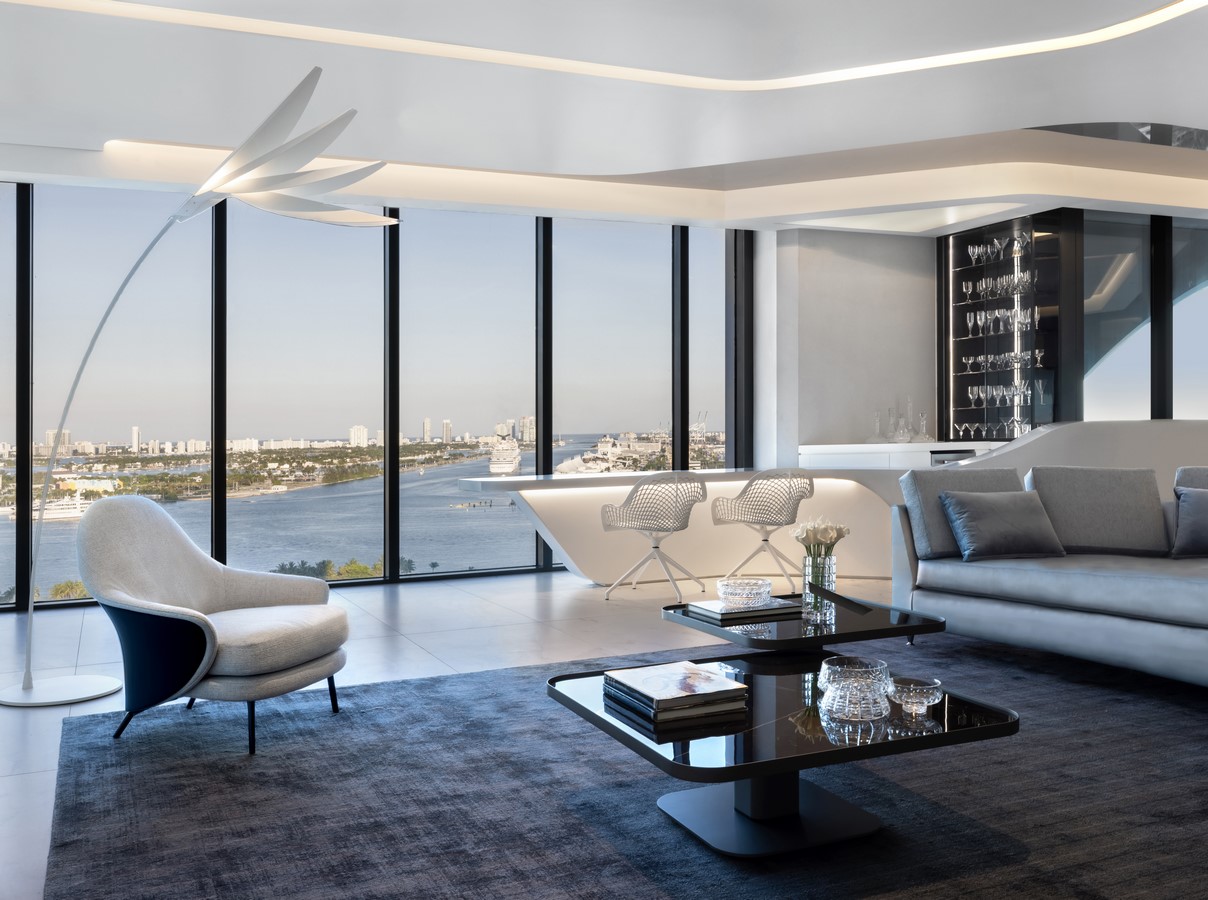
In contrast, the SV Apartment demonstrates how biophilic design can be interpreted within an ultramodern context. The project combines WELL principles, focused on promoting health, with bold organic curves inspired by the Art Nouveau movement, using sustainable materials such as Krion — a recyclable, antibacterial solid surface.
The apartment also incorporates advanced lighting solutions that adapt to circadian rhythms, shifting between vibrant and serene settings, reflecting a futuristic yet organic approach to residential spaces.
Together, these projects illustrate the diversity of architectural styles and design philosophies capable of effectively incorporating well-being standards and biophilic design principles. By doing so, the environments achieve aesthetic excellence while promoting health and psychological well-being, reinforcing a holistic approach to architecture that places human health at the center of every design decision.
Prototype Furniture Line
Throughout their research journey into wellness-focused design, the professionals realized that the principles applied in projects like those presented are often limited to large-scale or commercial developments. This insight inspired the development of a prototype furniture line, designed to bring the broad concepts of biophilic design and well-being into more intimate and everyday environments.
Considering that we spend about 90% of our time indoors, it becomes essential that furniture not only complements the aesthetic of a space but also actively contributes to the quality of the indoor environment.
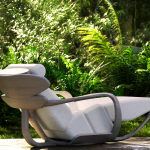
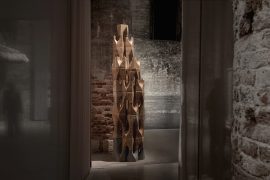
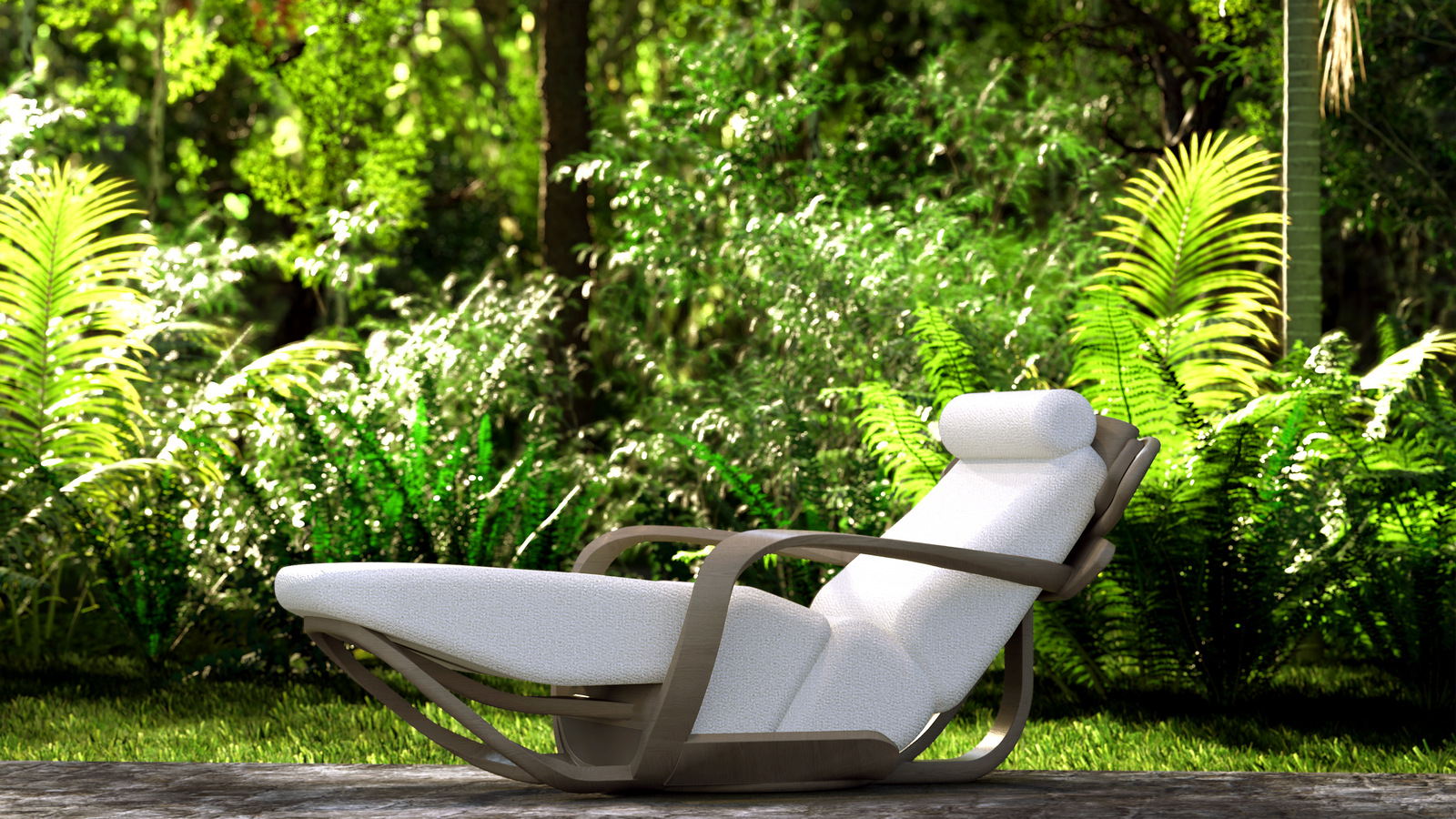
The exhibition showcases one of the pieces from this new furniture line: the Mantis Chaise, created to inspire architects, designers, and visitors by demonstrating how wellness and biophilic design principles can be seamlessly incorporated into residential furniture. Following the criteria of WELL and LEED certifications, the pieces use low-emission materials and innovative solutions such as ultraviolet light ducts for air purification, promoting physical comfort, mental relaxation, and actively contributing to the creation of healthier environments.
The Mantis Chaise focuses on three fundamental aspects of indoor environmental quality:
Air Quality and Microbial Control:
Each piece is equipped with integrated air quality sensors that provide discreet feedback and enhance occupants’ awareness of the environment. The integration of UVGI (Ultraviolet Germicidal Irradiation) systems into components like built-in air ducts actively controls microorganisms, contributing to a healthier space. In addition, materials such as polyester and nylon with sustainable antimicrobial coatings are used to inhibit the proliferation of bacteria and fungi.
Acoustic Comfort:
The design strategy incorporates materials with acoustic properties, such as upholstered panels, which help reduce reverberation and improve sound privacy, minimizing the cognitive impacts of noise pollution. Sound masking systems with concealed speakers maintain a soft, constant background noise, reducing distractions. Chaises and armchairs also feature noise-canceling technology, using sensors and built-in speakers that detect vibrations and emit opposing sound waves, creating calmer and quieter environments.
Thermal Comfort:
The furniture is designed to adapt to body temperature and ambient conditions, utilizing thermoregulating materials and forms that promote air circulation. This ensures continuous comfort regardless of external climate variations.
According to the architects responsible for the installation, this is a moment of transformation in the way built environments are conceived.
“As we envision the future of architecture and interior design, it becomes clear that the principles of WELL, LEED, and biophilic design offer a transformative path for the industry,” says Nicholas Gennari.
“With this exhibition, we aim to inspire architects, designers, and urban planners to embrace these health-centered philosophies, promoting a new era of sustainable architecture focused on well-being,” adds Roberto Racy.