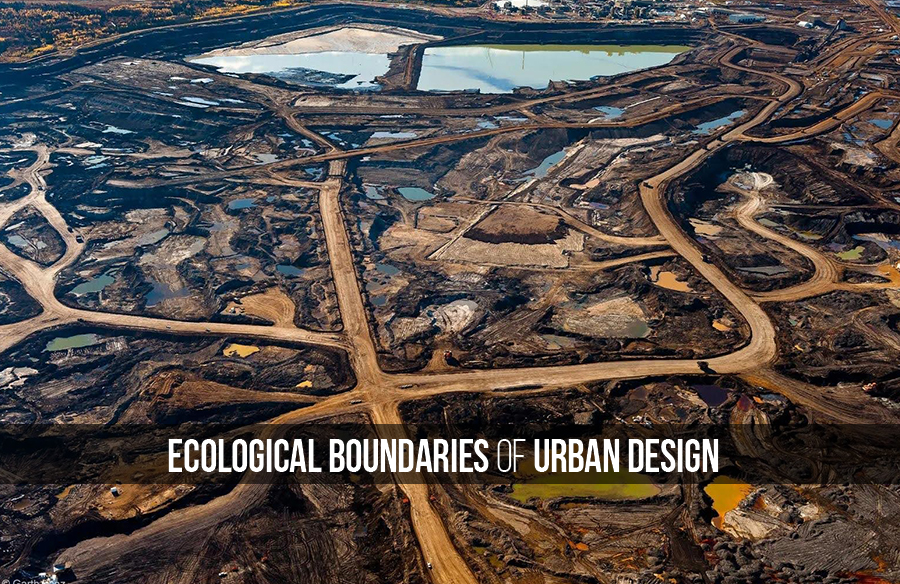
Rethinking The Ecological Boundaries of Urban Design
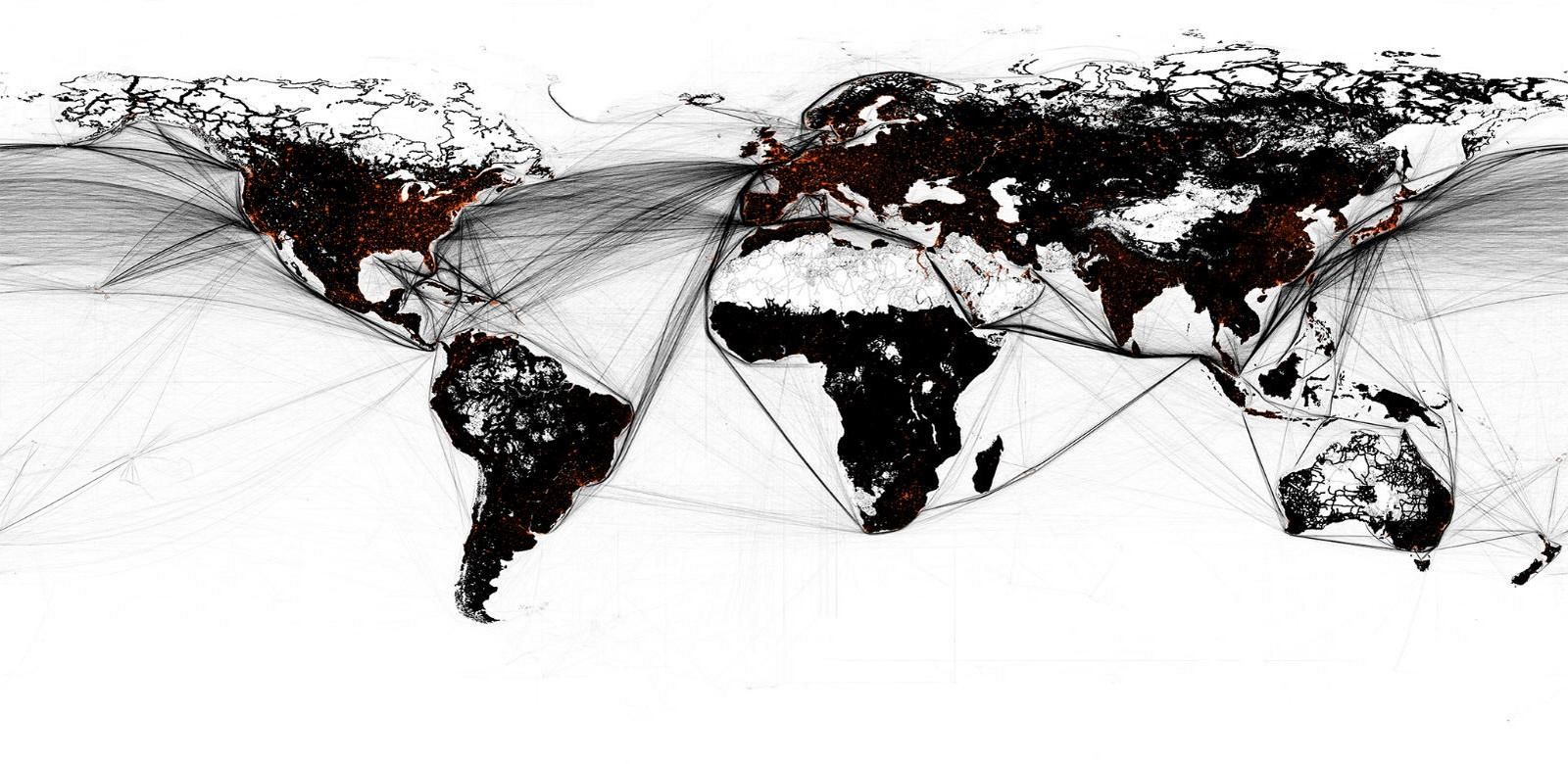
The current environmental crisis, social relocation, and ecological breakdown require urban design to face an intellectual transformation because these phenomena spread irregularly across time and space. The modern urban environment requires more than traditional mapping systems of streets and parcels and zoning regulations because it needs analysis of hydrological cycles, carbon emissions, material extraction, and globalised logistics systems. Current urban planning paradigms maintain a static view of cities as self-contained systems which are both physically enclosed and infrastructure-independent, and most dangerously, disconnected from their ecological environment. (Swyngedouw and Heynen, 2003; Brenner, 2014; Latour, 2018)
This article uses Neil Brenner’s planetary urbanisation framework together with Rob Nixon’s “slow violence” concept to argue that urban design needs to transform its operational ecological conceptual frameworks. The concept of ecological boundaries demands complete elimination because cities exist as metabolic systems that connect to worldwide socio-ecological production and degradation networks under conditions of climate asymmetry and structural inequality. (Nixon, 2011; Sassen, 2014)
The Myth of the Self-Contained City
Modern urban design, along with most modernist planning approaches, maintains a false assumption that cities function as independent entities. Zoning maps and master plans depict urban edges through lines which create physical divisions between “the city” and “nature” as well as “urban” and “rural” and “developed” and “undeveloped”. Neil Brenner (2014) has been working to eliminate this dualistic approach for a long time. According to Brenner’s theory of planetary urbanisation, urban processes now operate beyond what can be seen in the visible city. The city exists as a spatial production mechanism which extends its influence through hinterlands and global supply chains and atmospheric commons.
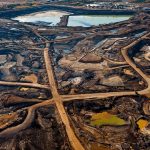
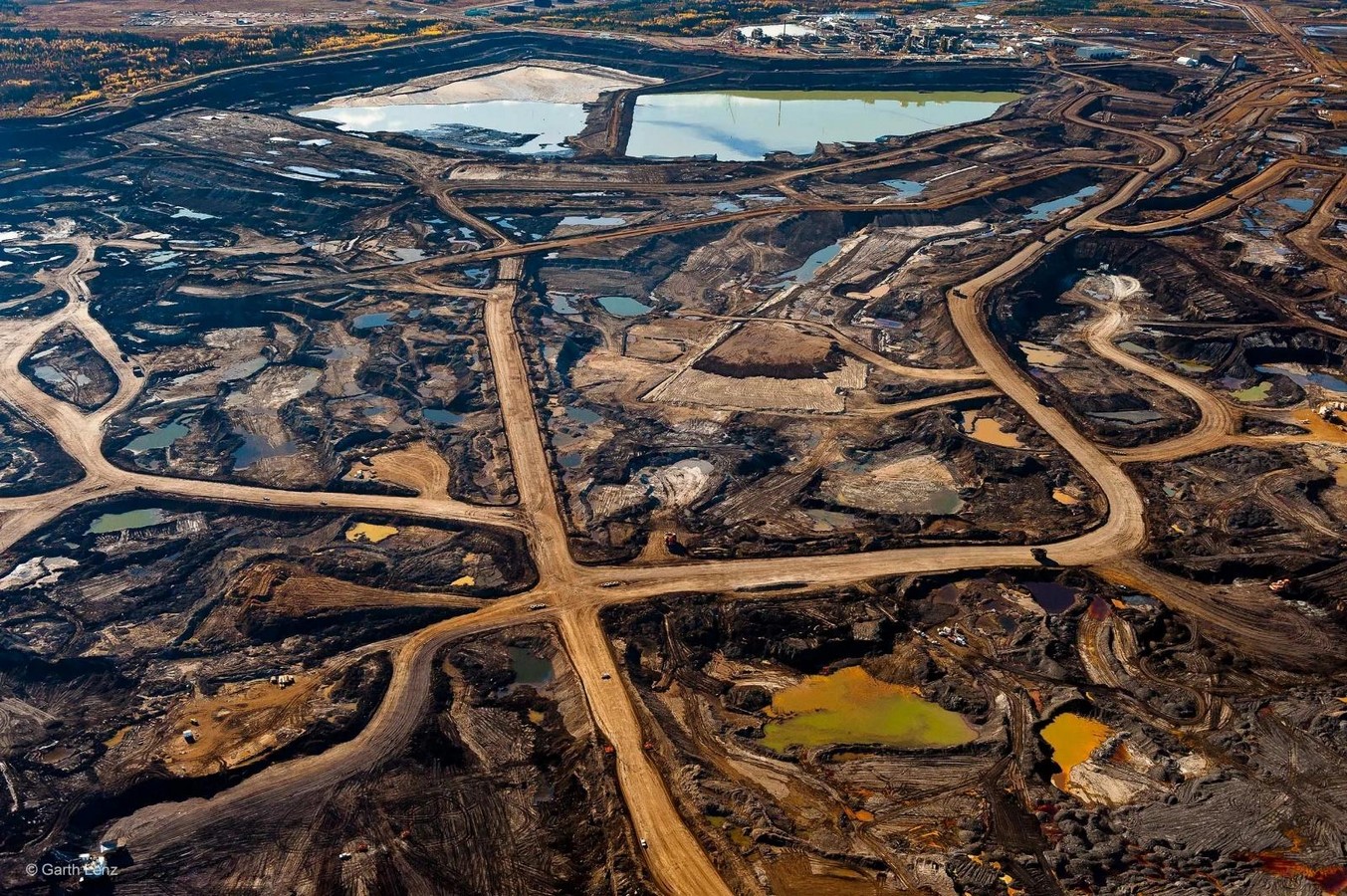
The rare earth minerals used in “green” smart cities originate from Congolese and Bolivian landscapes, which have been destroyed by extractive violence. The ecological cost of urbanism is displaced, exported, and made invisible. When urban design focuses only on what lies within the planning boundary, it performs a kind of ecological sleight of hand – externalising destruction while celebrating sustainability.

Slow Violence but Fast Cities
Rob Nixon’s book – Slow Violence and the Environmentalism of the Poor (2011) offers a strong framework for analysing this deception. According to Nixon, slow violence refers to harm that develops gradually while remaining invisible and extends across multiple years or decades, particularly impacting vulnerable populations. Architectural and urban design typically focus on spectacular elements such as skyline-altering towers and iconic master plans, yet ecological degradation occurs through gradual and cumulative processes that remain largely unrecorded. (Davoudi, Crawford and Mehmood, 2009)
The wetlands surrounding Jakarta continue to disappear over time as upscale developments like Pantai Indah Kapuk emerge (Firman, 2009). Or the slow poisoning of groundwater in Chennai, drained to feed IT parks and gated enclaves (Sharma, 2019). These choices happen on an everyday basis and result in ecological damage, diseases and result in displacement or death of the population. They escape the radar of conventional urban analysis because they happen slowly, and often far from the aesthetic heart of the city.

Who Draws the Lines?
The main ethical concern is determining which authority establishes the city’s ecological limits. The state, together with private developers in numerous Global South regions, establishes these boundaries based on capital flow considerations instead of ecological principles. Wetlands are designated as “wastelands,” forests transform into “surplus land,” and rivers become invisible through canalisation.
Environmental justice movements have started to redefine these boundaries through grassroots efforts. According to Nixon (2011), the “environmentalism of the poor” develops through direct survival battles against land seizures and pollution and resource confiscation rather than wilderness protection or carbon measurement. The daily fights for air and water, and land form the core of these environmental struggles.
The fishing communities of Mumbai in India oppose the coastal road project because they need to protect their ecological way of life (Dixit, 2019). The Mukuru community in Nairobi established their own Special Planning Area through community leadership to fight against destructive slum clearance practices that harm the environment (Lines and Makau, 2024). The established boundaries represent an alternative ecological limit which stems from the natural connection between human beings and their environmental systems.

Case for a New Ecological Urbanism
The urban design discipline is slowly catching up. The concepts of “ecological urbanism,” “landscape urbanism,” and “resilient design” have gained popularity, especially in the aftermath of Hurricane Katrina and increasing climate risks. But too often, these frameworks are co-opted into sanitised design languages, green roofs on luxury condos, parks that displace the poor, or climate adaptation projects that double as real estate speculation. (Mostafavi, Doherty and University, 2010)
A more radical ecological urbanism would start from a different place. First, it would reject the idea that ecological thinking is a “layer” to be added. Instead, it would place ecological interdependence at the heart of urban reasoning. It would be designed with watersheds, not as isolated parcels and with bioregions, not just administrative zones.
Secondly, the concept would integrate the principle of designing with violence as a fundamental aspect. The approach would recognise urban design’s role in slow violence while making it responsible for its involvement. How should we approach housing development while understanding that Indigenous stewards lost their land? How can we construct infrastructure which actively works to heal environmental damage instead of making it worse?
Thirdly, it would foreground climate justice. It requires both risk and power redistribution to enable communities to establish their sustainability definitions. The planning process should focus on current environmental precarity sufferers instead of creating designs for hypothetical future users.

Redrawing Boundaries
The climate crisis requires urban design to eliminate artificial boundaries which do not exist in reality. The false idea of self-contained cities has resulted in policies and projects that both hide environmental injustices and transfer ecological damage outside their boundaries. The concepts of planetary urbanisation by Neil Brenner and slow violence by Rob Nixon require us to understand cities as interconnected systems which depend on distant ecosystems while influencing distant communities. These are not idle provocations. The Anthropocene demands these essential changes for urban design to move beyond its standard role.
Ecological design has evolved beyond the simple practice of creating parks and lowering city centre emissions. The practice requires designers to rethink the city’s purpose and its territorial limits and the distribution of costs between its inhabitants. The approach requires crossing disciplinary, political and spatial lines to recognise the webs and work with them rather than eliminate differences. The city exists beyond its physical boundaries as a place where we reside. The city represents our collective way of existing with each other on Earth, despite its damaged state.
References:
Brenner, N.J. (ed.) (2014) Implosions /Explosions: Towards a Study of Planetary Urbanization. 1st edition. Berlin: JOVIS.
Davoudi, S., Crawford, J. and Mehmood, A. (eds) (2009) Planning for Climate Change: Strategies for Mitigation and Adaptation for Spatial Planners. London: Routledge. Available at: https://doi.org/10.4324/9781849770156.
Dixit, N.S. (2019) Mumbai’s fishers relieved after courts pause the coastal road project, Mongabay-India. Available at: https://india.mongabay.com/2019/08/mumbais-fishers-relieved-after-courts-pause-the-coastal-road-project/ (Accessed: 17 April 2025).
Firman, T. (2009) ‘The continuity and change in mega-urbanization in Indonesia: A survey of Jakarta–Bandung Region (JBR) development’, Habitat International, 33(4), pp. 327–339. Available at: https://doi.org/10.1016/j.habitatint.2008.08.005.
Latour, B. (2018) Down to Earth: Politics in the New Climatic Regime. 1st edition. Cambridge, UK Medford, MA: Polity.
Lines, K. and Makau, J. (2024) ‘Taking the long view: 20 years of Muungano wa Wanavijiji, the Kenyan federation of slum dwellers’, ResearchGate [Preprint]. Available at: https://doi.org/10.1177/0956247818785327.
Mostafavi, M., Doherty, G. and University, H. (eds) (2010) Ecological Urbanism. 1st edition. Zürich: Lars Müller Publishers.
Nixon, R. (2011) Slow Violence and the Environmentalism of the Poor. Cambridge, Massachusetts London, England: Harvard University Press.
Sassen, S. (2014) Expulsions: Brutality and Complexity in the Global Economy. Harvard University Press. Available at: https://doi.org/10.2307/j.ctt6wpqz2.
Sharma, M. (2019) ‘India’s Water Crisis Is Man-Made’, Bloomberg.com, 26 June. Available at: https://www.bloomberg.com/view/articles/2019-06-26/chennai-water-shortage-is-a-manmade-crisis (Accessed: 18 April 2025).
Swyngedouw, E. and Heynen, N.C. (2003) ‘Urban political ecology, justice and the politics of scale’, Antipode, 35(5), pp. 898–918. Available at: https://doi.org/10.1111/j.1467-8330.2003.00364.x.