Urban transport in India is confronted with severe challenges—growing populations, ageing infrastructure, constrained investment, and rising environmental issues. Public-private partnerships (PPPs) have been seen as the key solution to closing gaps in financing and enhancing the service delivery of urban mobility systems. This article examines the position of PPPs in India’s urban transport sector, highlighting successful case studies, the development of related policies, the inherent risks, and the strategic potential of such partnerships in designing India’s urban future. Learning from national and international experiences, the article contends that when properly implemented, PPPs can play a substantial role in sustainable, efficient, and inclusive urban mobility.
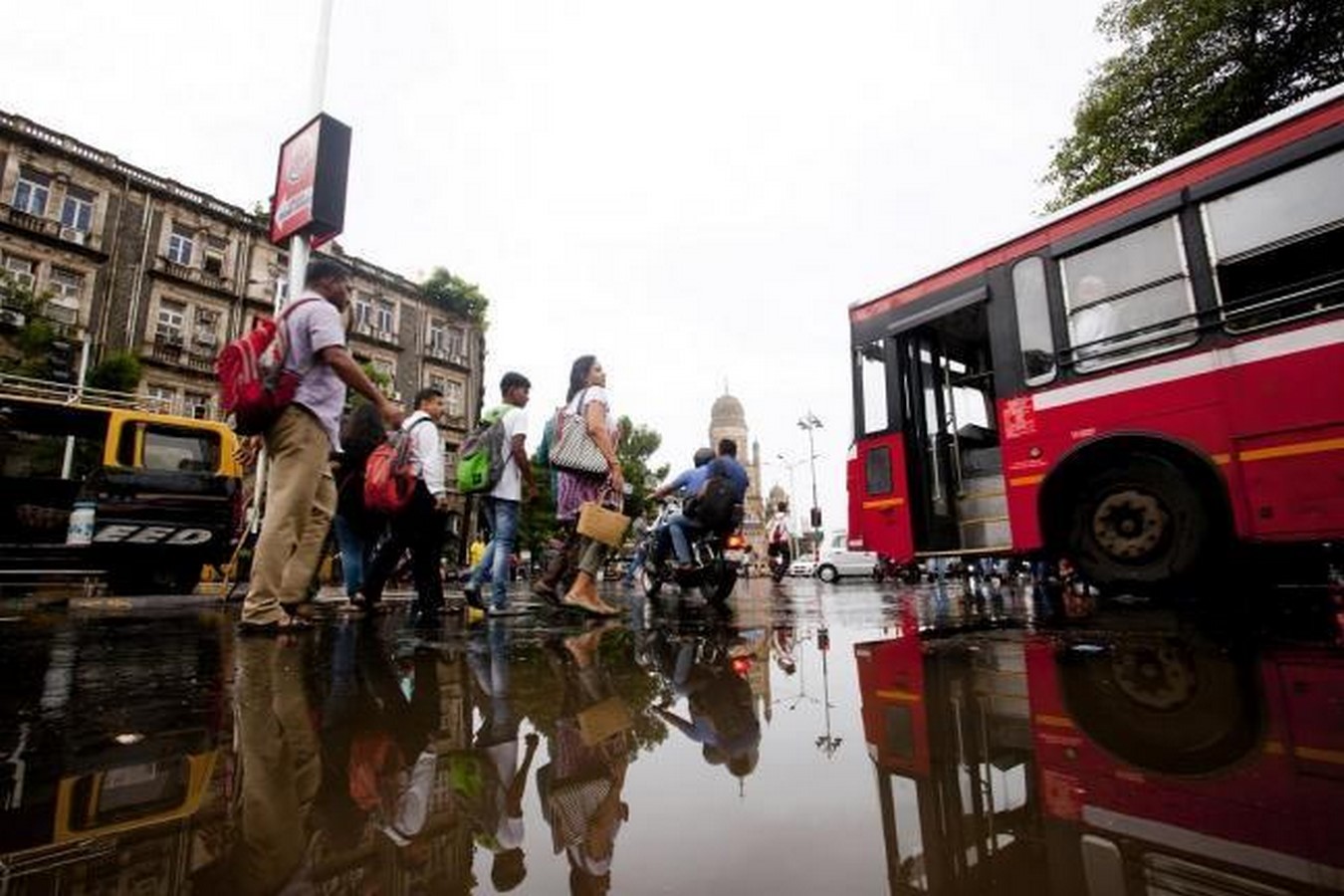
India’s urban transport is at a turning point. With a population of more than 35% of the country’s residents living in cities as of the 2021 census, India is projected to increase this ratio to 40% by the year 2030 (MoHUA, 2020). Indian cities suffer from grossly congested roads, under-efficient public transportation systems, and increasing air pollution. Under such circumstances, Public-Private Partnerships (PPPs) have been picked up as a model that combines private-sector investment, efficiency, and innovation with public-sector governance and management.
The government of India has encouraged PPPs in a big way under different urban transport policies and mission-mode schemes like the National Urban Transport Policy (NUTP) 2006, Smart Cities Mission, and Metro Rail Policy 2017. This paper explores the development, performance, and prospects of PPPs in urban transport systems in India.
Evolution of Urban Transportation in India
Independent India came to inherit low levels of urban mobility infrastructure. During the 1970s and 1980s, as there was growing urban migration and economic reform, private car ownership grew significantly in cities. Public transport infrastructure—bus-based systems—was in poor shape, underfinanced, and segmented between state and local governments (Pucher et al., 2005).
By the 2000s, city mobility had reached a crisis point. This was recognized by the Jawaharlal Nehru National Urban Renewal Mission (JNNURM) (2005–2014), which prioritized public transport reform and infrastructure development. Budgets, though, indicated that government funds alone would not suffice. This led to a series of PPP-led transportation initiatives.
PPP Models in Urban Transport
Urban transport PPPs in India generally fall under the following models:
- Build-Operate-Transfer (BOT): The private partner constructs and operates the infrastructure for an agreed-upon duration and hands over the ownership to the government.
- Design-Build-Finance-Operate (DBFO): The private partner designs, finances, constructs, and operates the project.
- Viability Gap Funding (VGF): The government gives one-off or recurrent financial assistance to make the project feasible for the private player.
- Revenue-sharing Model: The private partner distributes a share of revenue to the government during the operation of the service.
These models are variants based on the character of the project, desired returns, and risk-sharing mechanisms.
Main Indian Case Studies
- Delhi Metro (Phase I & II) – A Hybrid Success
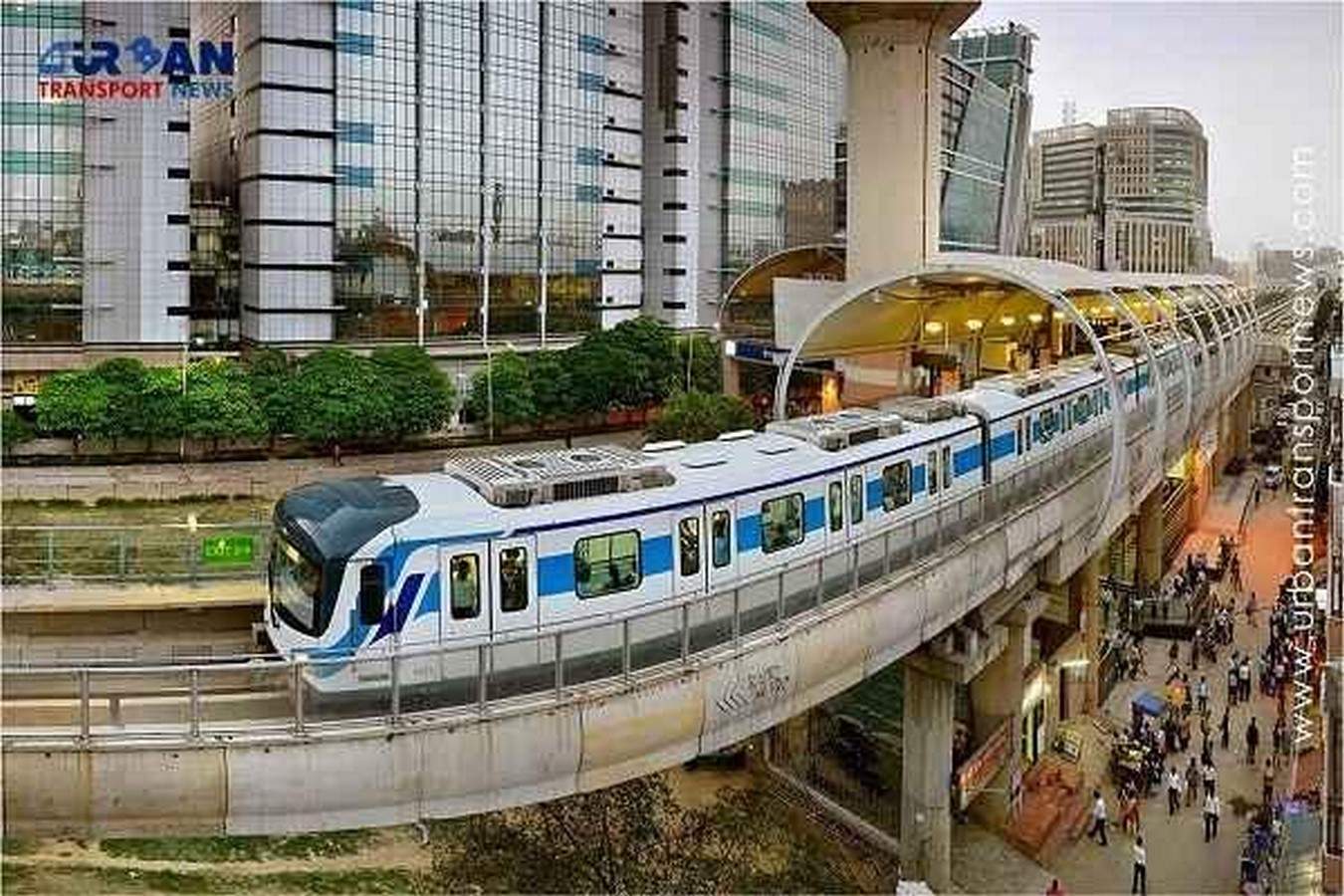
While significantly government-funded, the Delhi Metro Rail Corporation (DMRC) introduced some PPP elements in subsequent phases. Prominently, the Airport Express Line was done on a PPP basis by Reliance Infrastructure. Despite initial setbacks—including poor ridership and controversies—the project assisted in establishing a precedent for subsequent metro lines with private involvement (Singh, 2014).
2. Mumbai Metro Line 1
Among the most quoted instances of PPP in Indian urban transport, Mumbai Metro Line 1 (Versova–Ghatkopar) was created under a DBFO model. Reliance Infrastructure headed the Mumbai Metro One Private Ltd (MMOPL) consortium. Despite delays and fare litigation, it proved the viability of private finance in urban transit (KPMG, 2012).
3. BRTS in Ahmedabad
The Ahmedabad Janmarg Ltd (AJL), a special-purpose vehicle for the BRT system in the city, was brought into the private sector for operations and maintenance. Although the infrastructure was funded by the public, services such as bus operations, ITMS (Intelligent Transport Management Systems), and advertising rights were handled privately, making it a hybrid PPP (EMBARQ, 2011).
4. Kochi Metro: A PPP Approach to Non-Fare Revenue
Though not a classical PPP in construction, Kochi Metro Rail Ltd (KMRL) has pioneered PPPs in property development, solar power generation, and water metro operations. This model indicates a wider definition of PPP beyond conventional construction and O&M paradigms (KMRL, 2020).
Policy Framework Supporting PPPs in India
- National Urban Transport Policy (2006)
The NUTP prioritized the mobility of people over vehicles. It promoted harnessing private sector efficiency through partnerships, particularly in bus operations, intelligent transport systems, and infrastructure planning (MoHUA, 2006).
2. Metro Rail Policy (2017)
This policy mandated PPP as an essential condition to avail central assistance. It ordered states to look into PPP arrangements for metro ventures, especially for operations and commercial development (MoHUA, 2017).
3. Model Concession Agreements and VGF Scheme
India also came up with Model Concession Agreements (MCAs) for BOT and DBFO projects to harmonize risk-sharing. Furthermore, the Viability Gap Funding Scheme, introduced by the Department of Economic Affairs, provides funding support for infrastructure projects such as urban transport where user fees are not adequate to meet expenses (DEA, 2020).
Challenges in Implementing PPPs
Even with the nudge from policy guidelines, some challenges remain:
- Financial Viability: Urban transport does not generate high returns, particularly in the early years. Low patronage, inadequate last-mile connectivity, and fare regulation restrict potential revenues (Jain et al., 2020).
- Regulatory Uncertainty: Promiscuous changes in policies, absence of coordination between the central and state governments, and local politics typically delay projects.
- Risk Allocation: Risks in most Indian PPPs are disproportionately assumed by the private player, deterring investment.
- Social Equity: Profit can take precedence over affordability and accessibility for low-income groups (TERI, 2018).
- Litigation and Disputes: Gargantuan projects like Mumbai Metro Line 1 have witnessed drawn-out legal battles on fare revision and interpretation of the contract.
Benefits and Opportunities
PPP’s also have huge opportunities despite these issues:
- Mobilization of Capital: PPPs help close the funding gap of infrastructure without heavily burdening public exchequers.
- Innovation and Technology: Private players introduce newer technologies such as ITS, automated fare collection, and real-time tracking.
- Operational Efficiency: Cost sensitivity and customer orientation enhance delivery levels.
- Multi-Modal Integration: Indian PPPs are moving beyond metro rail and BRT to encompass e-mobility, ropeways, water metros, etc.
Recommendations for Effective PPP Implementation in India
- Enhanced Project Structuring: Transparent risk allocation, measurable performance metrics, and adaptable contract conditions are needed.
- Regulatory Support: State-level independent regulatory bodies can be put in place to prevent opacity and equitable dispute resolution.
- Public Involvement and Accountability: Citizens’ participation and stakeholders’ consultations must be an integral part of the operation and planning phases.
- Integration with Land Use Planning: Transit-oriented development (TOD) and land value capture instruments should be utilized to make the project more viable.
- Capacity Building: Urban local bodies have to be equipped with the skills of effectively structuring and managing PPP contracts.
India’s urban transport landscape is facing a crucial shift. While PPPs are not a magic bullet, they provide a workable route to fill the infrastructure gap, increase operational efficiency, and drive innovation in urban transport. The success of these partnerships is largely dependent on transparent governance, equal risk-sharing, and the driving priority of public good over profit. An appropriately calibrated PPP model adjusted to India’s socio-economic context can establish long-term impacts on the urban mobility landscape of India.
References:
Department of Economic Affairs. (2020). Viability Gap Funding Scheme. Government of India. https://dea.gov.in/vgf
EMBARQ India. (2011). Ahmedabad Bus Rapid Transit System (BRTS): Lessons Learned. World Resources Institute. https://www.wri.org
Jain, A., Tiwari, G., & Rao, K. (2020). Evaluation of Public–Private Partnerships in Urban Transport in India. Transportation Research Procedia, 48, 135–144. https://doi.org/10.1016/j.trpro.2020.08.016
KMRL. (2020). Annual Report 2019-20. Kochi Metro Rail Ltd. https://kochimetro.org
KPMG. (2012). PPP in Urban Infrastructure: India Case Study – Mumbai Metro. KPMG India. https://assets.kpmg
Ministry of Housing and Urban Affairs (MoHUA). (2006). National Urban Transport Policy. Government of India. https://mohua.gov.in
Ministry of Housing and Urban Affairs (MoHUA). (2017). Metro Rail Policy 2017. Government of India. https://mohua.gov.in
MoHUA. (2020). India’s Urban Population: Current Scenario and Future Projections. Government of India.
Pucher, J., Korattyswaroopam, N., & Ittyerah, N. (2005). The Crisis of Public Transport in India: Overwhelming Needs but Limited Resources. Journal of Public Transportation, 8(1), 1–20. https://doi.org/10.5038/2375-0901.8.1.1
Singh, S. K. (2014). Review of Urban Transport Policy in India. Transport Reviews, 34(4), 446–465. https://doi.org/10.1080/01441647.2014.903530
TERI. (2018). Equity and Accessibility in Urban Transport. The Energy and Resources Institute. https://www.teriin.orgAbstract
Public-Private Partnerships (PPP) in city bus services in India: NCC. (n.d.). WRI INDIA. https://wri-india.org/blog/public-private-partnerships-ppp-city-bus-services-india-ncc-and-gcc
Urban Mobility – Challenges and Solutions | Urban Transport News. (n.d.). Urban Transport News. https://www.urbantransportnews.com/article/urban-mobility-challenges-and-solutions
IndiaFilings.,2020, Public Private Partnerships (PPP) https://www.indiafilings.com/learn/public-private-partnerships/