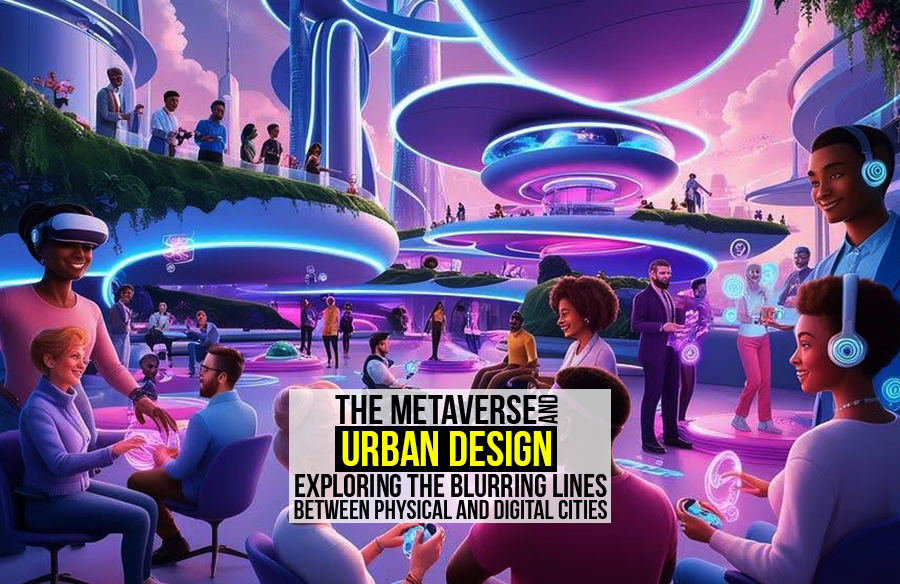
The metaverse exists as a permanent digital space where multiple users share a three-dimensional environment that is transitioning from science fiction into a concrete reality. The new paradigm establishes urban design as a transformative power that reshapes our connection with cities. The convergence of physical and digital environments demands urban planners and architects to handle both the positive aspects and challenges this transformative technology imposes on their field.
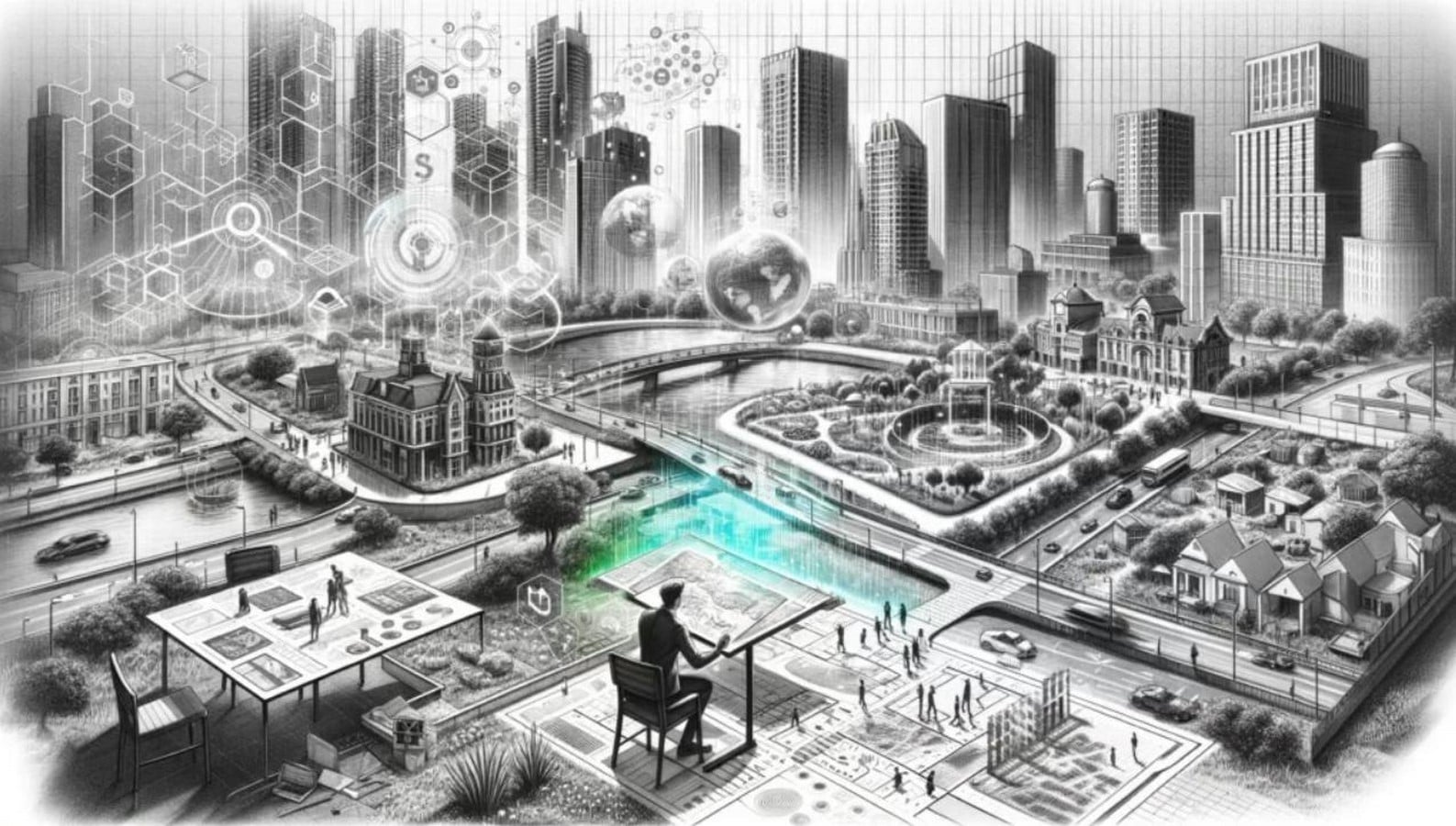
Creating Digital Twins: Mirroring Reality
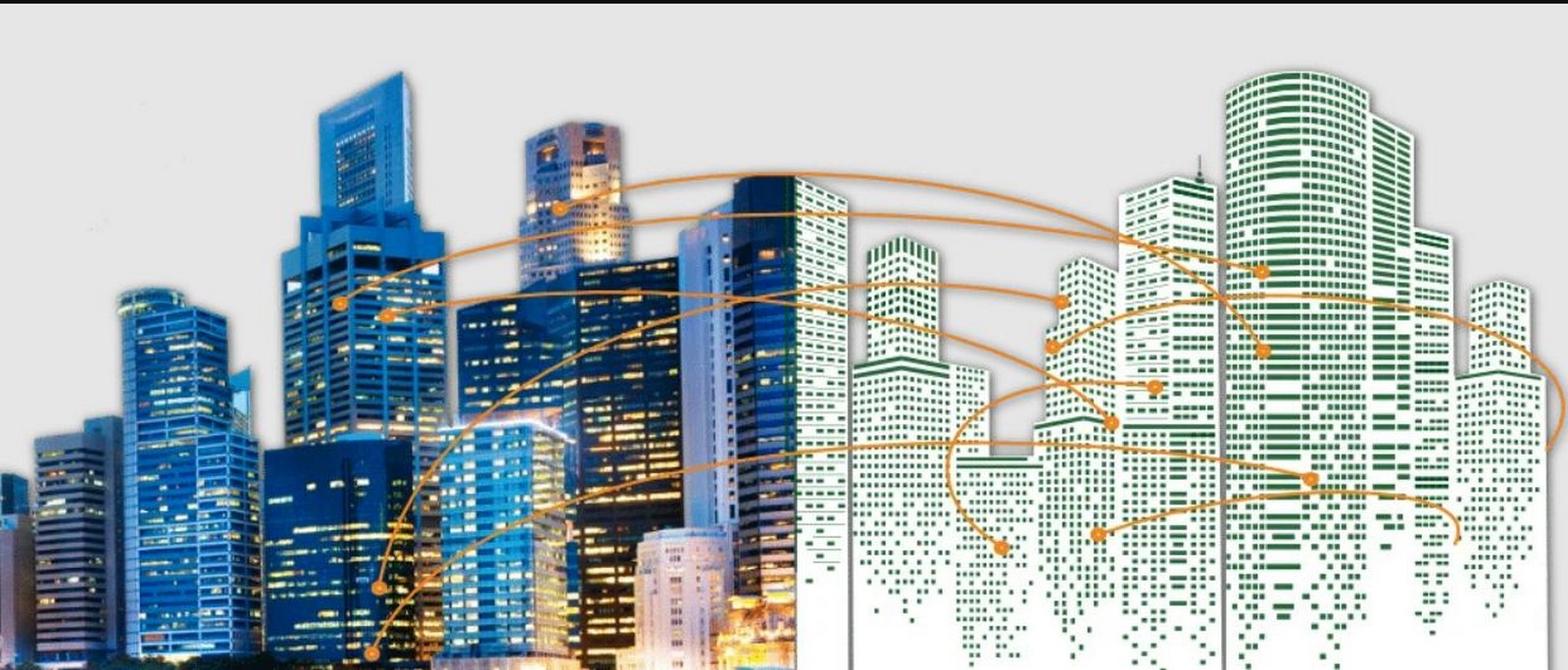
The metaverse immediately affects urban design through the development of digital twins. Real-world data enables the creation of virtual city replicas known as digital twins which serve as effective analytical and simulation tools for urban planning. Singapore together with Helsinki and Shanghai lead the way by creating advanced digital models which help optimize infrastructure while managing traffic flow and evaluating new development effects.
Digital twins enable urban planners to:
- Visualize and analyze complex data: The integration of data from sensors and cameras enables digital twins to provide an extensive understanding of urban dynamics through visualization and analysis.
- Simulate future scenarios: Planners use digital twins to evaluate proposed changes including new transportation systems and building designs through simulation before actual implementation.
- Improve infrastructure management: Digital twins enable infrastructure condition monitoring and maintenance prediction and resource allocation optimization.
- Enhance citizen engagement: Virtual city models enable residents to review planning proposals while providing feedback about them.
These digital representations are not static. The digital representations are dynamic, they evolve with their physical counterparts, reflect real-time changes, and enable informed decision-making.
Virtual Reality and Urban Planning: Immersive Design
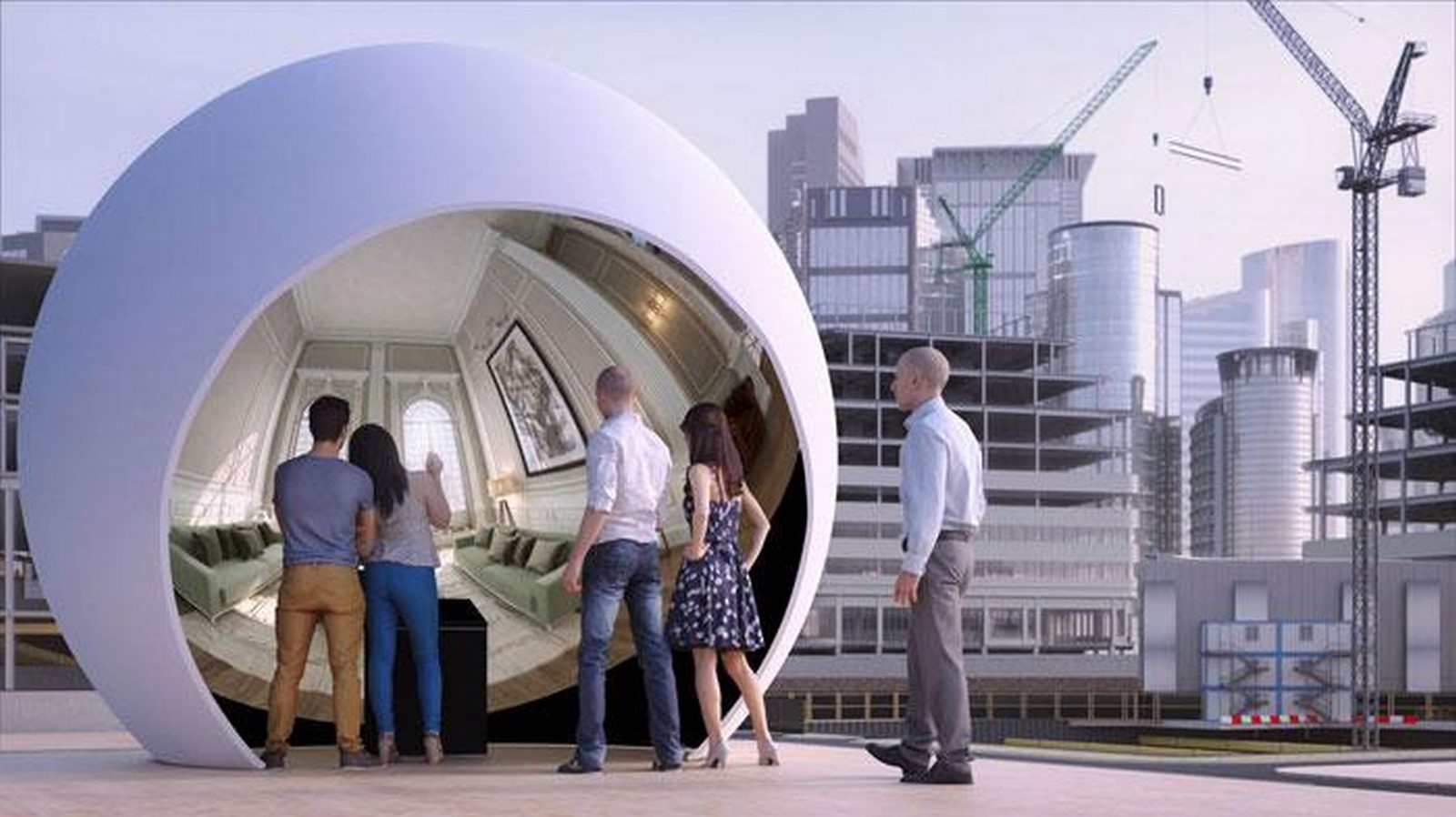
Virtual reality (VR) is revolutionizing the design and planning process itself. By immersing stakeholders in virtual environments, VR allows for a more intuitive and collaborative approach to urban development.
VR enables:
- Experiential design: Through virtual reality technology, architects and planners can now walk through their designs of buildings and public spaces as if they were real.
- Collaborative design reviews: The stakeholders including the residents can be involved in virtual walkthroughs to give their opinions and suggestions towards the design of the project.
- Improved visualization: Through VR users can see how different spatial relationships appear and how design decisions affect the surrounding environment.
- Accessibility testing: Virtual Reality serves as a tool to evaluate how accessible public areas remain for persons with disabilities.
Through virtual reality, the constraints of conventional 2D drawings and physical models are eliminated, resulting in a more immersive and realistic understanding of proposed developments. This leads to better-informed decisions, reduced errors, and increased citizen engagement.
The Metaverse and Social Interactions: Redefining Public Space
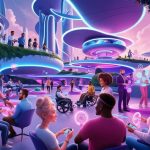
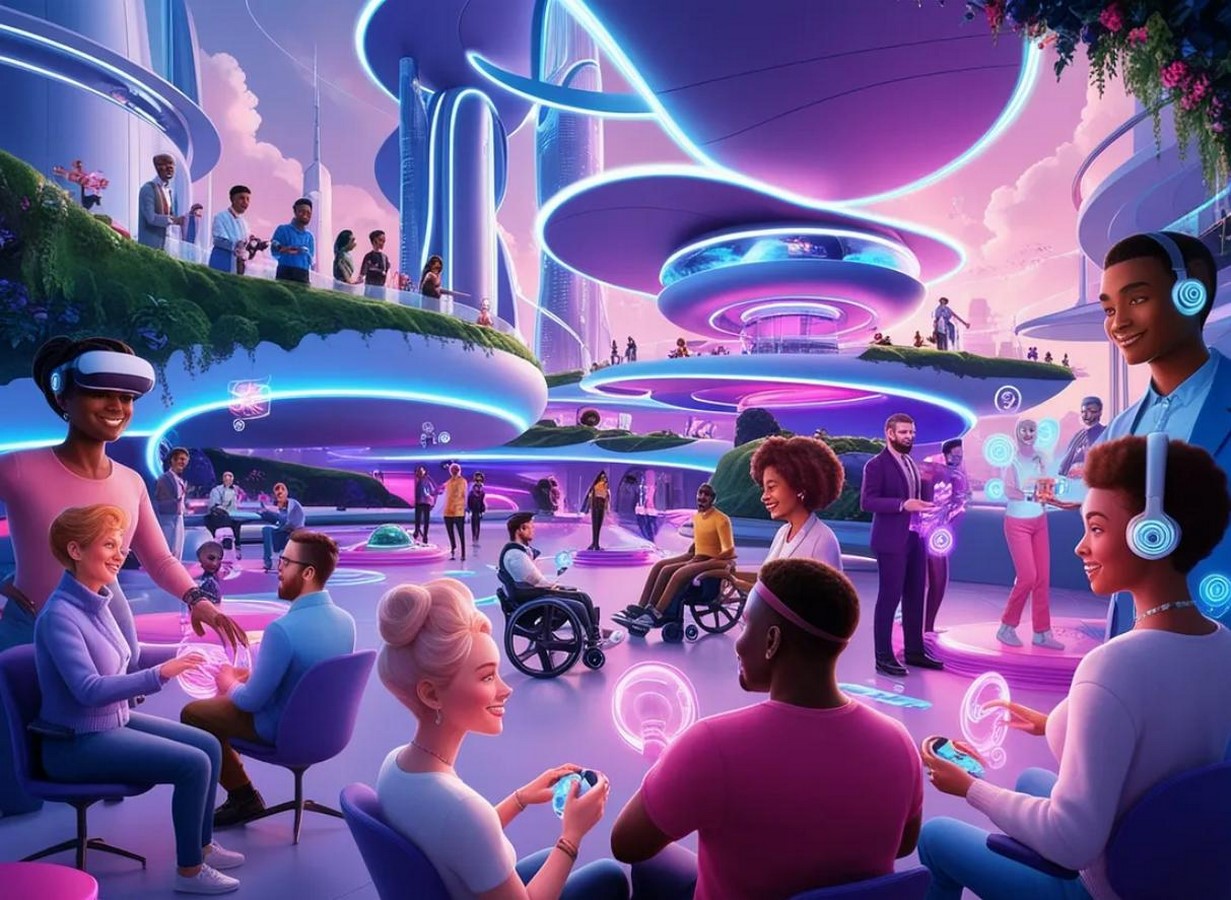
The metaverse has the potential to redefine social interactions within cities, creating new forms of public space and community engagement. Virtual plazas, parks, and event spaces can complement physical spaces, offering new opportunities for social connection. Consider these possibilities:
- Virtual community centers: Virtual spaces allow residents to join together for events and workshops as well as social activities.
- Augmented reality (AR) enhanced public spaces: AR overlays enable users to access information, entertainment content and interactive experiences when they are in physical public areas.
- Global collaboration: Through the metaverse people from various cities and nations can interact which promotes cultural exchange between different communities.
- Accessibility for all: The metaverse provides accessible virtual environments where people with disabilities can fully participate without physical limitations.
However, the metaverse creates social equity issues because it may produce digital divides. The metaverse will require equal access and inclusive virtual design to build community spirit.
Accommodating AR/VR Infrastructure: Building the Future Network
The implementation of AR/VR in urban areas needs strong infrastructure support. The physical and digital infrastructure of cities needs to adjust to meet the requirements of these technologies. Key considerations include:
- High-speed connectivity: The low-latency and high-bandwidth requirements of AR/VR applications necessitate investments in fiber optic networks and 5G infrastructure.
- Spatial computing infrastructure: The development of physical space positioning and tracking infrastructure represents a necessity for cities.
- Energy efficiency: AR/VR infrastructure needs to minimize its energy consumption to decrease environmental impact.
- Data privacy and security: Virtual environments require robust data privacy and security measures to safeguard user information.
- Integration with existing infrastructure: AR/VR infrastructure must be seamlessly integrated with existing transportation, utilities, and public services.
The physical arrangement of AR/VR infrastructure including sensors, antennas and displays needs evaluation for urban design to achieve both functional integration with the urban environment and attractive visual presentation.
A Hybrid Future
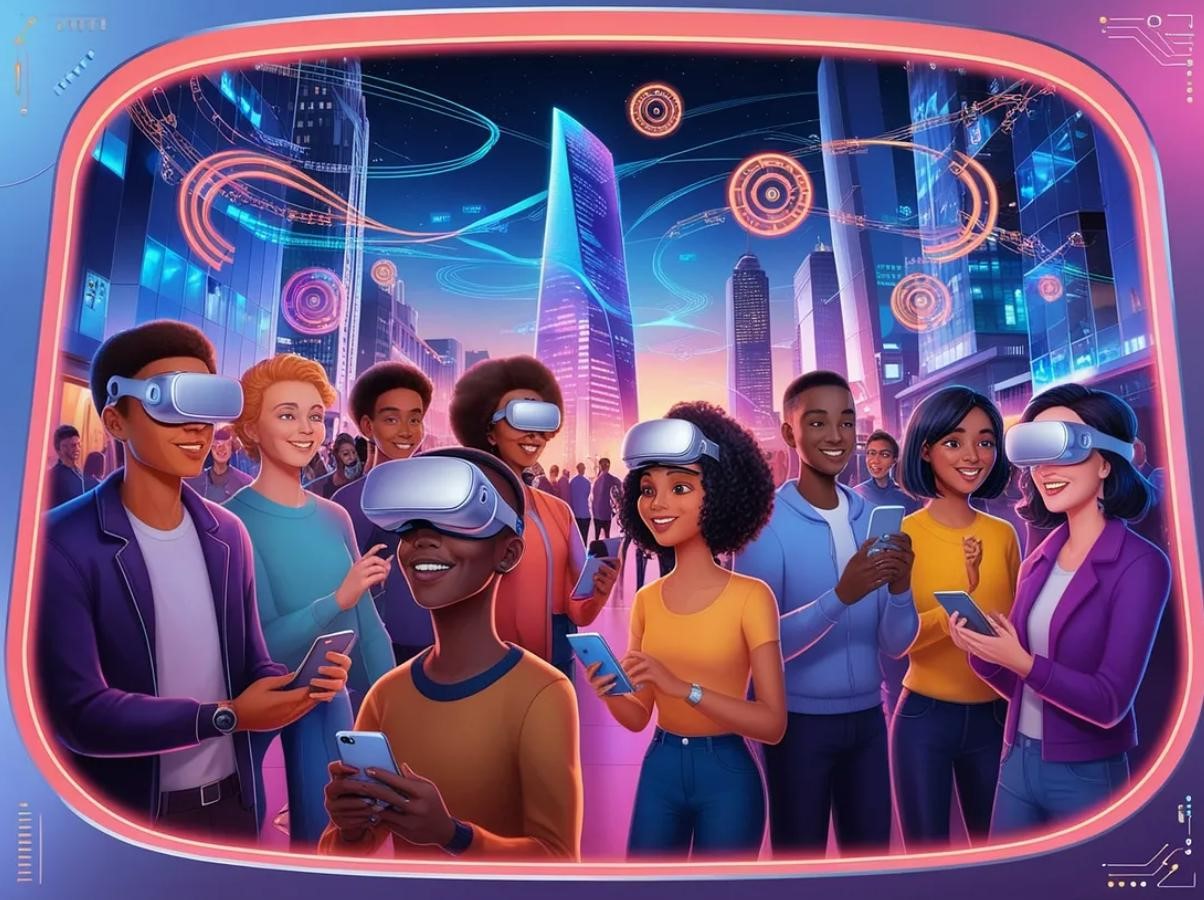
The metaverse functions to improve physical cities instead of functioning as a replacement for them. The future of urban design demands the development of unified physical-digital environments that combine the beneficial aspects of both domains. A successful integration of physical and digital spaces demands teamwork between urban planners and architects together with technologists and citizens.
Cities can develop sustainable and equitable urban spaces by using the metaverse opportunities while solving its challenges to create engaging environments for all. The evolution of urban design must keep pace with technological progress to create cities of tomorrow that combine advanced technology with human-centered development.
References:
- Bibri, Simon Elias. “The Social Shaping of the Metaverse as an Alternative to the Imaginaries of Data-Driven Smart Cities: A Study in Science, Technology, and Society.” Smart Cities, vol. 5, no. 3, 28 July 2022, pp. 832–874, https://doi.org/10.3390/smartcities5030043.
- Farghaly, Reem . “Social Media’s Role in Shaping Public Spaces and Urban Social Interaction.” Urban Design Lab, 31 Oct. 2024, urbandesignlab.in/social-medias-role-in-shaping-public-spaces-and-urban-social-interaction/.
- khan, sheheryar. “How the Metaverse Could Shape the Future of Urban Development – Richard van Hooijdonk Blog.” Richard van Hooijdonk Blog, 30 Jan. 2024, blog.richardvanhooijdonk.com/en/how-the-metaverse-could-shape-the-future-of-urban-development/. Accessed 3 Apr. 2025.
- Maier, Florian, and Markus Weinberger. “Metaverse Meets Smart Cities—Applications, Benefits, and Challenges.” Future Internet, vol. 16, no. 4, 1 Apr. 2024, p. 126, www.mdpi.com/1999-5903/16/4/126, https://doi.org/10.3390/fi16040126.
- Puttkamer, Laura . “Using vr in Urban and Transport Planning.” Topos Magazine, 6 Dec. 2024, toposmagazine.com/vr-urban-planning/.
- “Urban Digital Twins and the Future of City Planning.” Abiresearch.com, 2025, www.abiresearch.com/blog/urban-digital-twins-and-the-future-of-city-planning. Accessed 3 Apr. 2025.
- “Virtual Singapore – Singapore’s Virtual Twin – Observatory of Public Sector Innovation.” Observatory of Public Sector Innovation -, 5 Nov. 2024, oecd-opsi.org/innovations/virtual-twin-singapore/.
- Yu, Rongrong, et al. “A Systematic Review of Architectural Design Collaboration in Immersive Virtual Environments.” Designs, vol. 6, no. 5, 11 Oct. 2022, p. 93, https://doi.org/10.3390/designs6050093.