In an era where skylines are dominated by glass-clad towers and parametric designs, historical architecture is an example of human ingenuity, culture, and resilience. Yet, these relics of the past face a paradox: how do we honor their legacy while ensuring they remain relevant in a rapidly evolving world? The answer lies in innovative approaches that blend preservation with adaptation, sustainability, and bold creativity. Today’s architects, historians, and urban planners are redefining how we interact with historical buildings, transforming them into dynamic spaces that serve modern needs without erasing their stories.
Adaptive Reuse: History with a Purpose
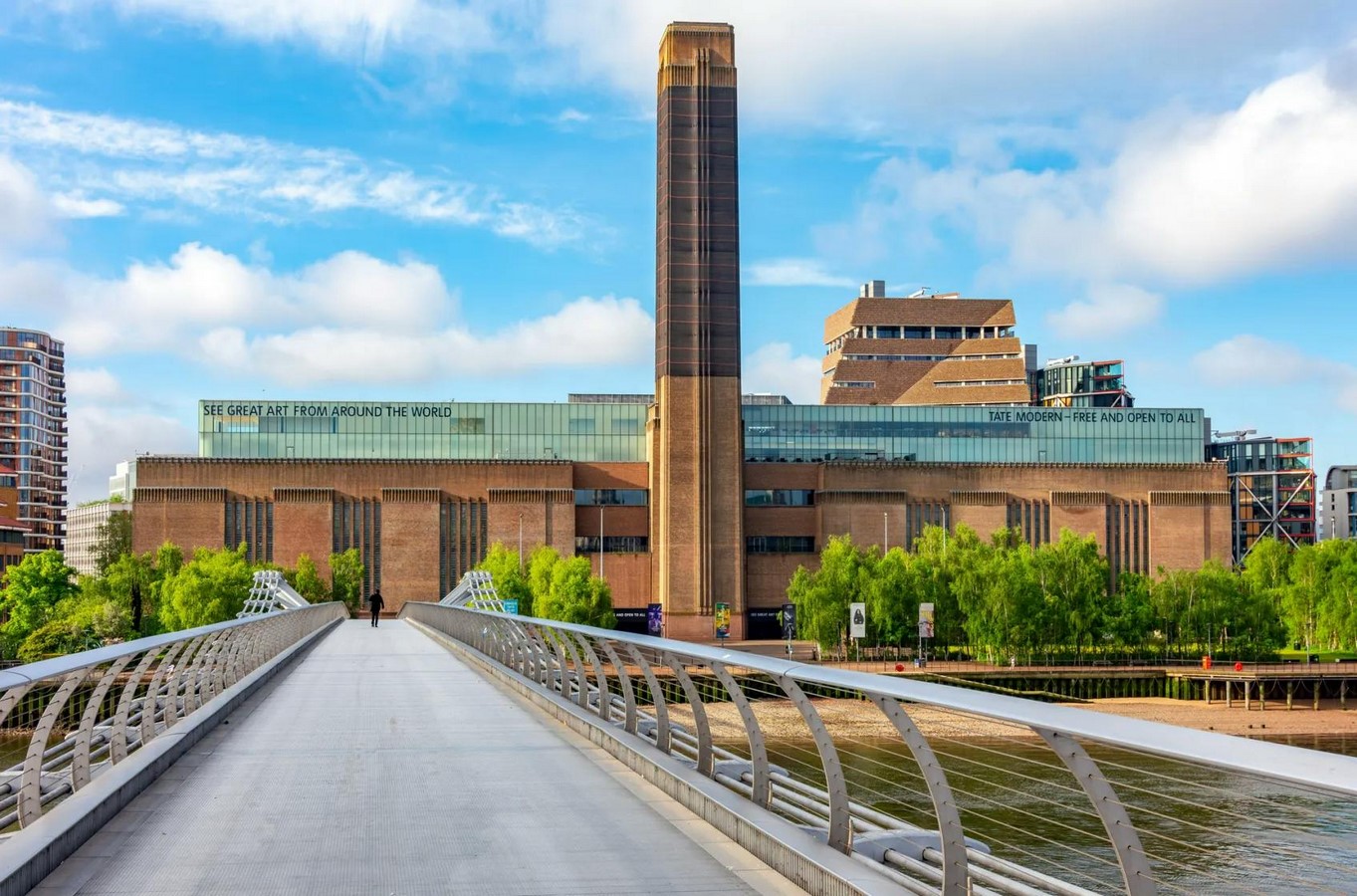
One way to see historical architecture differently is through adaptive reuse—not just as a practical fix, but as a bold redefinition of a building’s identity. Consider the Tate Modern in London, where a hulking power station became a world-class art museum. The transformation didn’t erase the industrial grit; it celebrated it, turning soot-stained bricks into a backdrop for modern creativity. This isn’t preservation for nostalgia’s sake—its history has given a new voice.
Tech team-up with Tradition
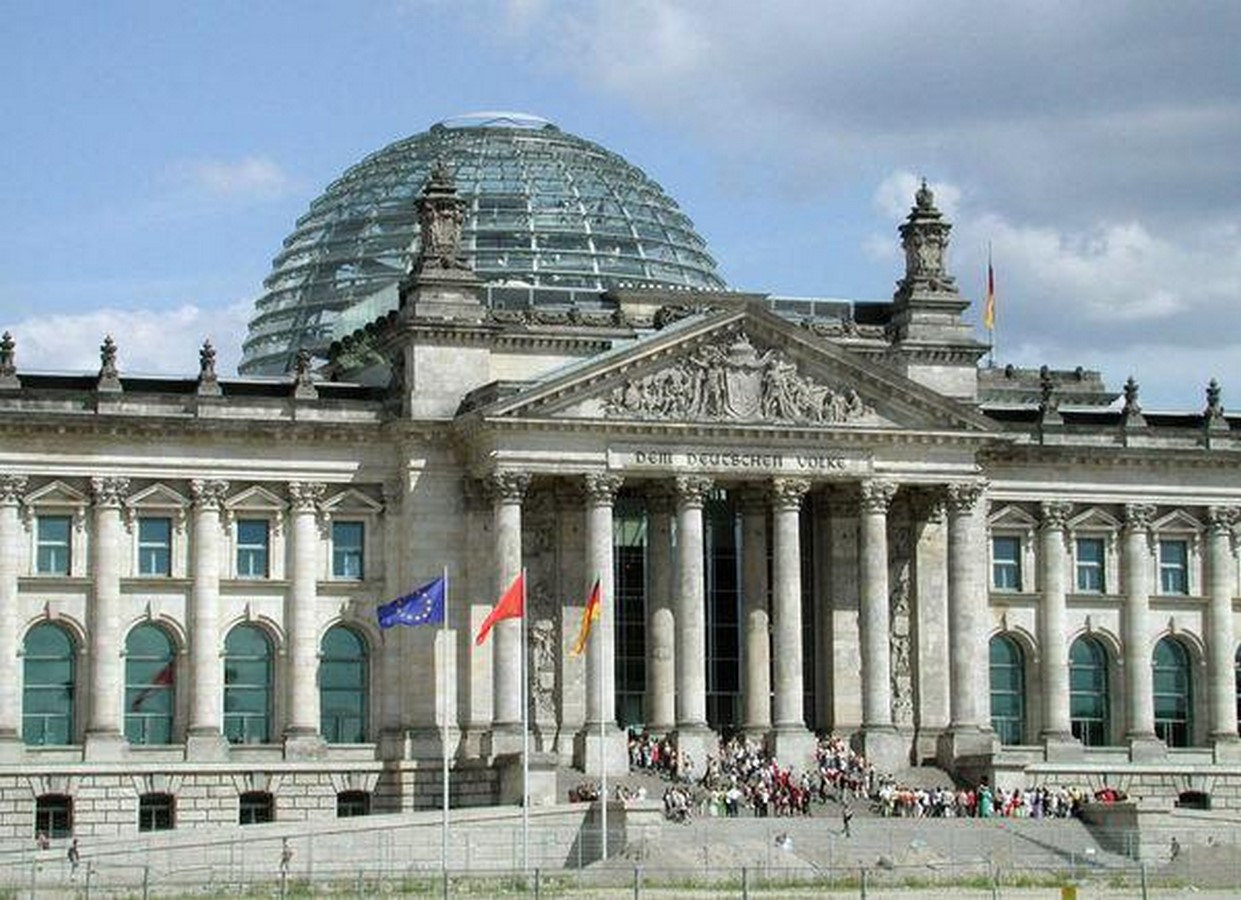
Another perspective comes from integrating modern technology into historical frameworks, not just for utility but as a conversation between eras. Picture the Reichstag in Berlin, where Norman Foster’s glass dome crowns a 19th-century building. It’s a striking juxtaposition—opaque stone meeting transparent modernity—symbolizing a past reflected in a forward-looking present. This isn’t about retrofitting for efficiency; it’s about using technology to tell a story.
Then there’s augmented reality (AR), which offers a less invasive twist. At Rome’s Ara Pacis Museum, AR overlays show the ancient altar’s original colors, lost to time. The physical structure remains untouched, but the experience evolves, prompting us to ask: Is history the object itself, or the layers of meaning we uncover? This perspective treats historical architecture as a portal, enhanced by tech to reveal what’s hidden.
The Beauty of getting Old
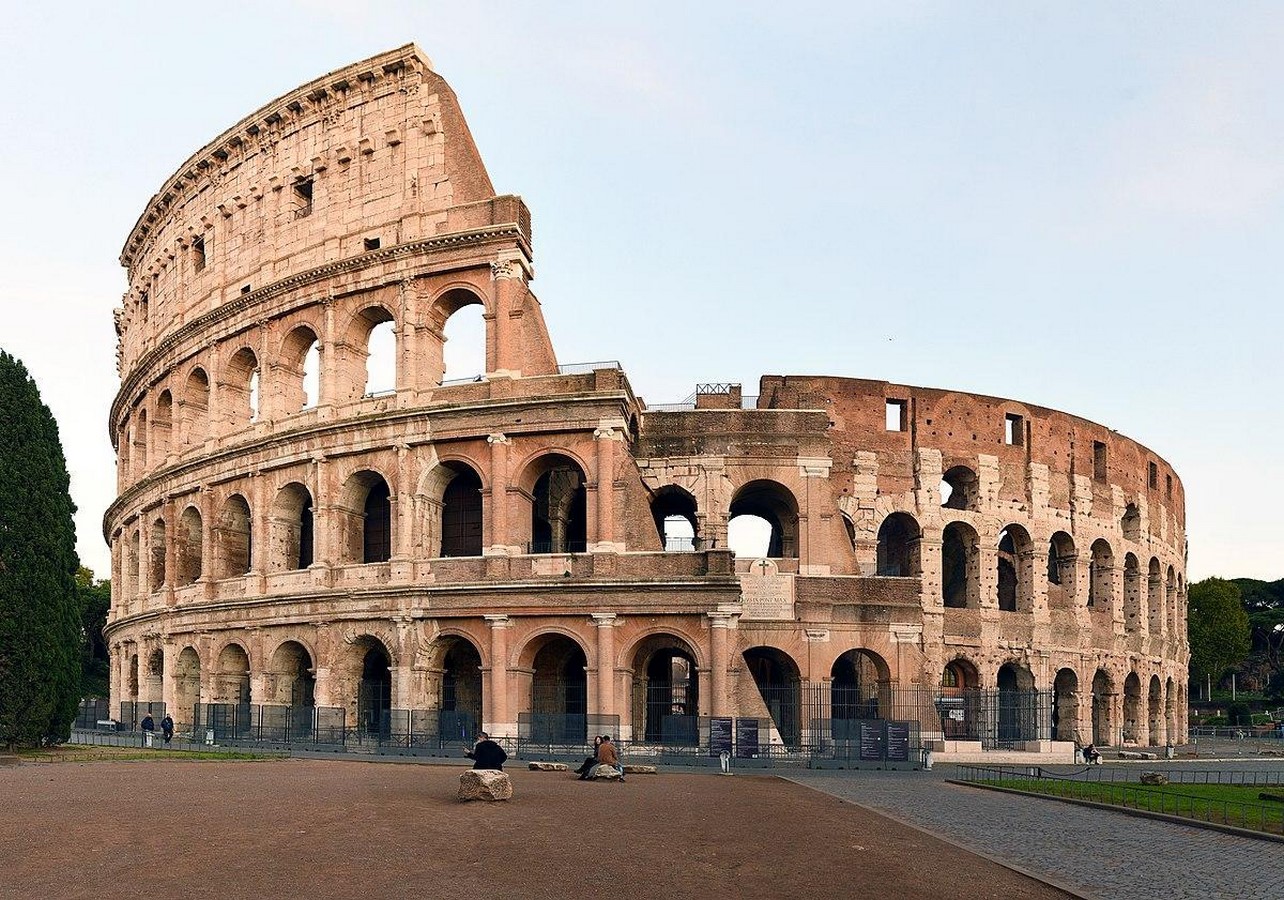
What if we embraced decay rather than fought it? The concept of “ruin value”—designing buildings to age gracefully—flips preservation on its head. The Colosseum in Rome is an example to this: its weathered arches and crumbling stones evoke awe not despite their ruin, but because of it. Imagine applying this intentionally—letting a structure evolve naturally, its scars telling a story of resilience.
In Cologne, Peter Zumthor’s Kolumba Museum takes this further, weaving a new building around the ruins of a Gothic church. The old walls stand jagged and exposed, a deliberate contrast to the sleek brick above. This perspective doesn’t see decay as a loss but as a form of beauty and authenticity—a historical architecture that lives and breathes with time.
Bold Interventions: Controversy and Creativity
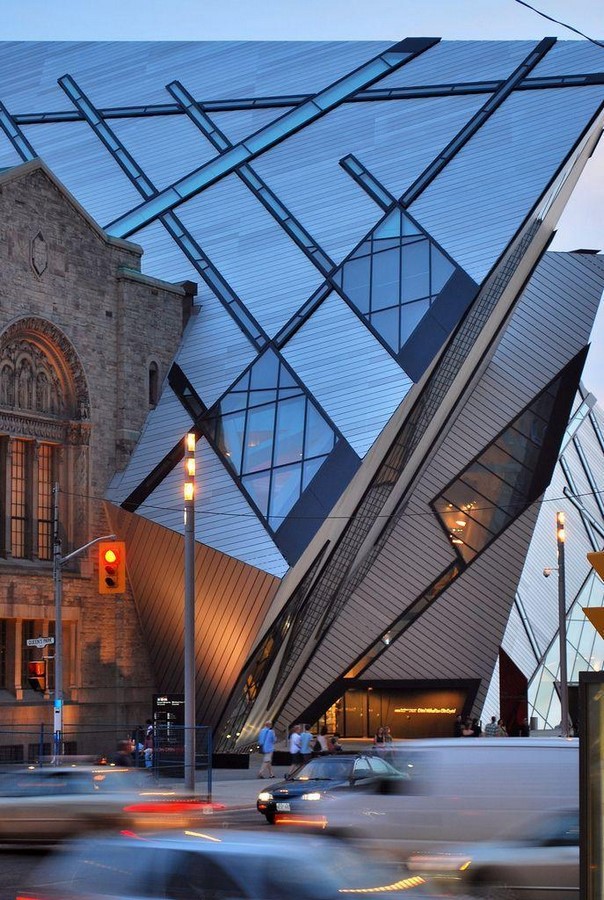
Not all approaches to historical architecture prioritize subtlety. Some architects advocate radical interventions—striking additions or juxtapositions that provoke debate and redefine a building’s narrative. These projects often spark controversy, but they also challenge us to rethink what “historical” means.
The Louvre Pyramid, designed by I.M. Pei and completed in 1989, remains a lightning rod. Its glass-and-steel form dropped into the Renaissance courtyard of the Louvre Palace and clashed with the ornate stonework surrounding it. Critics decried it as an affront to history; supporters hailed it as a brilliant fusion of old and new. Decades later, the pyramid is an indelible part of the museum’s identity, drawing millions to its threshold. Pei’s gamble paid off, illustrating how bold innovation can eventually harmonize with tradition.
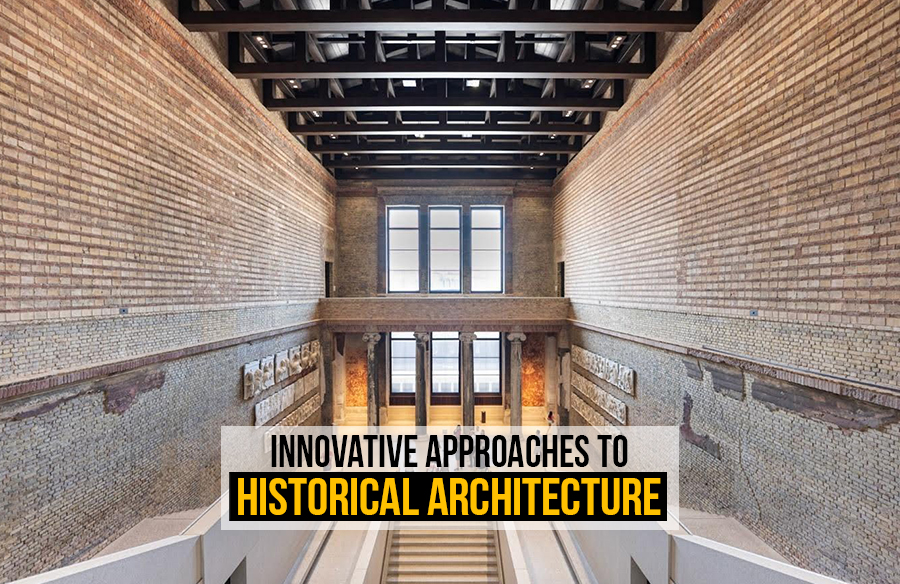
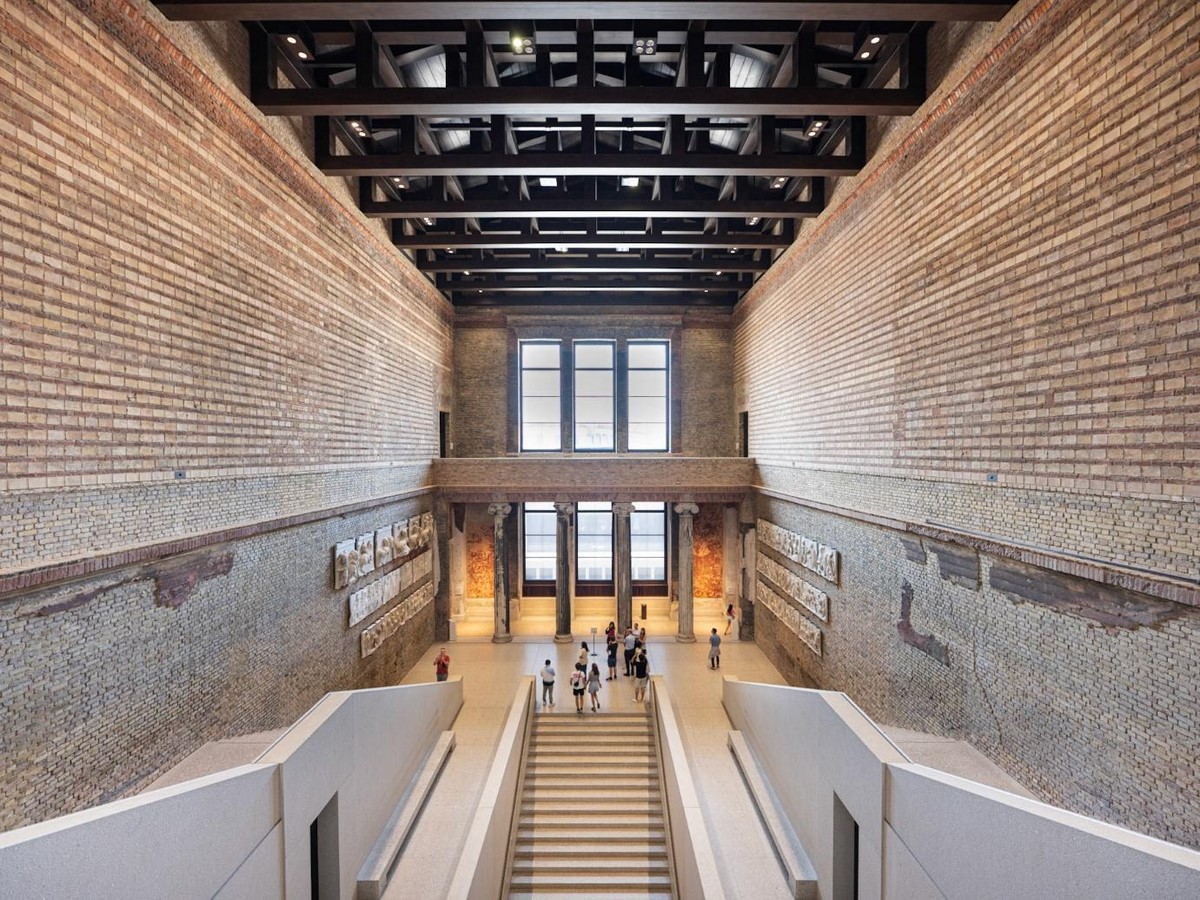
Similarly, the Neues Museum in Berlin, restored by David Chipperfield after World War II devastation, balances reverence and reinvention. Chipperfield preserved the bullet-scarred walls and faded frescoes of the 19th-century original while introducing minimalist concrete and steel additions. The result is a palimpsest—a layered history where scars tell as much of the story as the restored grandeur. This approach rejects the idea of a pristine past, embracing imperfection as a design ethos.
Community and Context
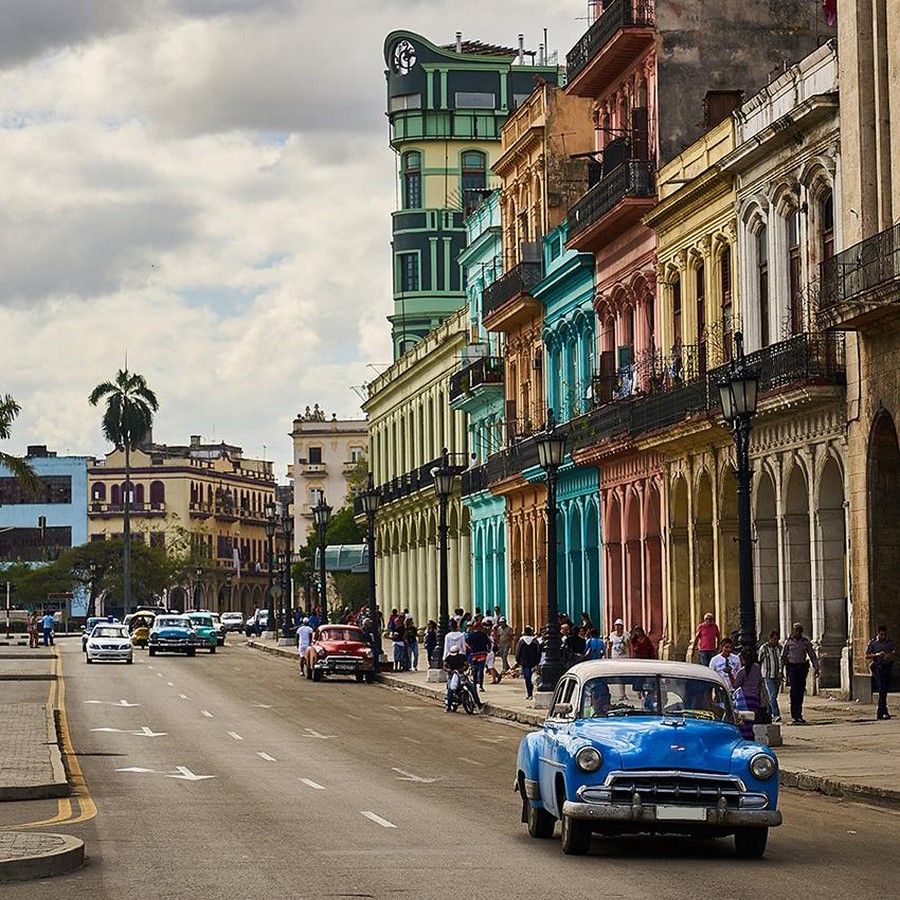
Innovation in historical architecture isn’t just about buildings; it’s about people. Successful projects engage the communities that inhabit or surround these spaces, ensuring they remain anchors of identity. In Havana, Cuba, grassroots efforts to restore colonial mansions have turned crumbling relics into vibrant hubs—think co-working spaces, art studios, and cafes. Local architects collaborate with residents to prioritize usability over postcard perfection, proving that historical preservation can be participatory, not elitist.
Context matters, too. In Japan, the concept of wabi-sabi—finding beauty in impermanence—shapes how historical wooden temples are maintained. Rather than encasing them in glass, architects periodically rebuild them using traditional methods, allowing the structures to evolve while retaining their essence. This cyclical renewal contrasts with Western notions of permanence, offering a philosophical lens on innovation that celebrates change.
The future of historical architecture lies at the intersection of memory and imagination. As urban populations swell and resources dwindle, the pressure to adapt old structures will intensify. Architects must navigate this tension with ingenuity, leveraging technology, sustainability, and daring design to keep history alive in a modern world.
So, here’s the shift: stop seeing these buildings as untouchable relics. View them as evolving spaces—capable of adaptation, enhanced by technology, or even honoured through their decline. This isn’t about erasing history; it’s about letting it live, breathe, and surprise us. The past doesn’t have to stay behind us—it can walk alongside us, reimagined for today.
Citation:
Rossi, Aldo. The Architecture of the City (1966) – Discusses the concept of historical continuity in architecture and how cities evolve with time.
Ruskin, John. The Seven Lamps of Architecture (1849) – Advocates for the appreciation of decay in architecture, aligning with the concept of “ruin value.”
Tate Modern Transformation (London, UK) – Herzog & de Meuron’s adaptive reuse of the Bankside Power Station into a leading modern art museum.
The Louvre Pyramid (Paris, France) – I.M. Pei’s controversial yet iconic modern insertion into a Renaissance setting.