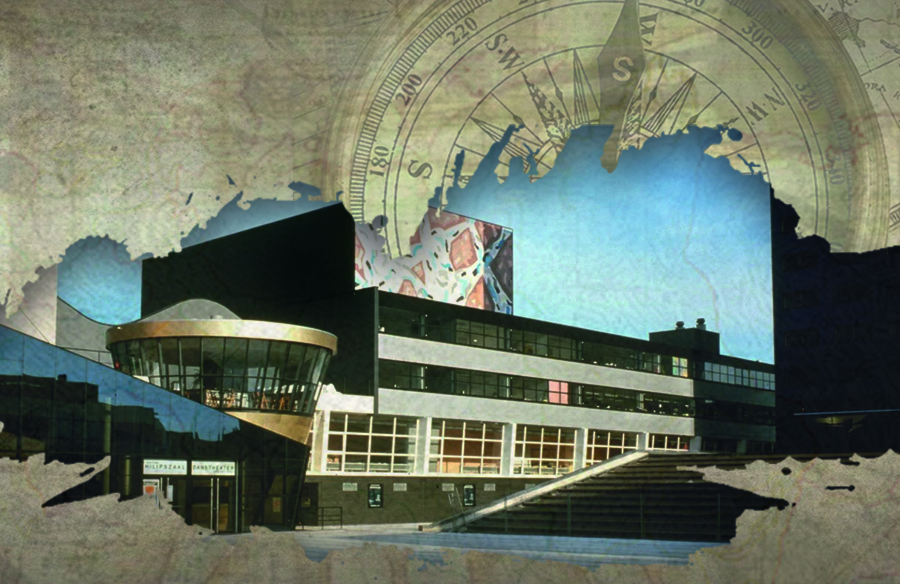
Once an exemplar of creative choreography and great artistic expression, the Netherlands Dance Theater in The Hague has today become a worldly case study in urban cultural erosion. The institution had a miraculous flourishing and an equally abysmal decline between 1987 and 2015. At the moment, the edifice has largely remained abandoned, having engaged in allure performances and spirited honors for contemporary dance. This article analyzes the reasons for the institution’s downfall, inspects the state of the building, and discusses the issues of whether its maintenance, sponsorship, or restoration is tenable. In all aspects, the focus is on the legacy of the Netherlands Dance Theater, The Hague.
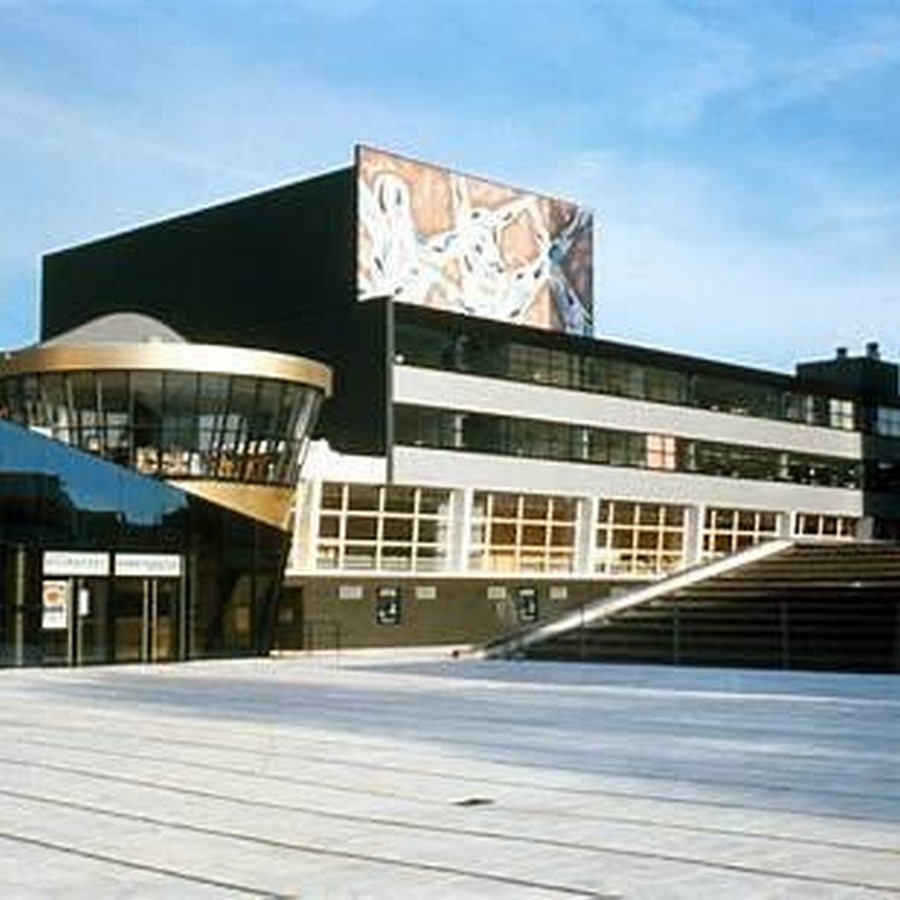
Historical Context and Desertion
By far one of the better-known Haguenesses for creative and experimental works, its dancers and choreographers truly contributed to the world’s dance scene at Netherlands Dance Theater. For nearly thirty years, it had served as a center for avant-garde dancers and choreographers to collaborate in the creation of works that transcended conventionality. Nonetheless, in the second half of its life, increasingly shifting cultural tides, increasing financial difficulties, and conflicting urban priorities contributed to its demise. Funding cuts, management turnover, and less focus on cultural investments in certain urban regions were major contributors to the demise.
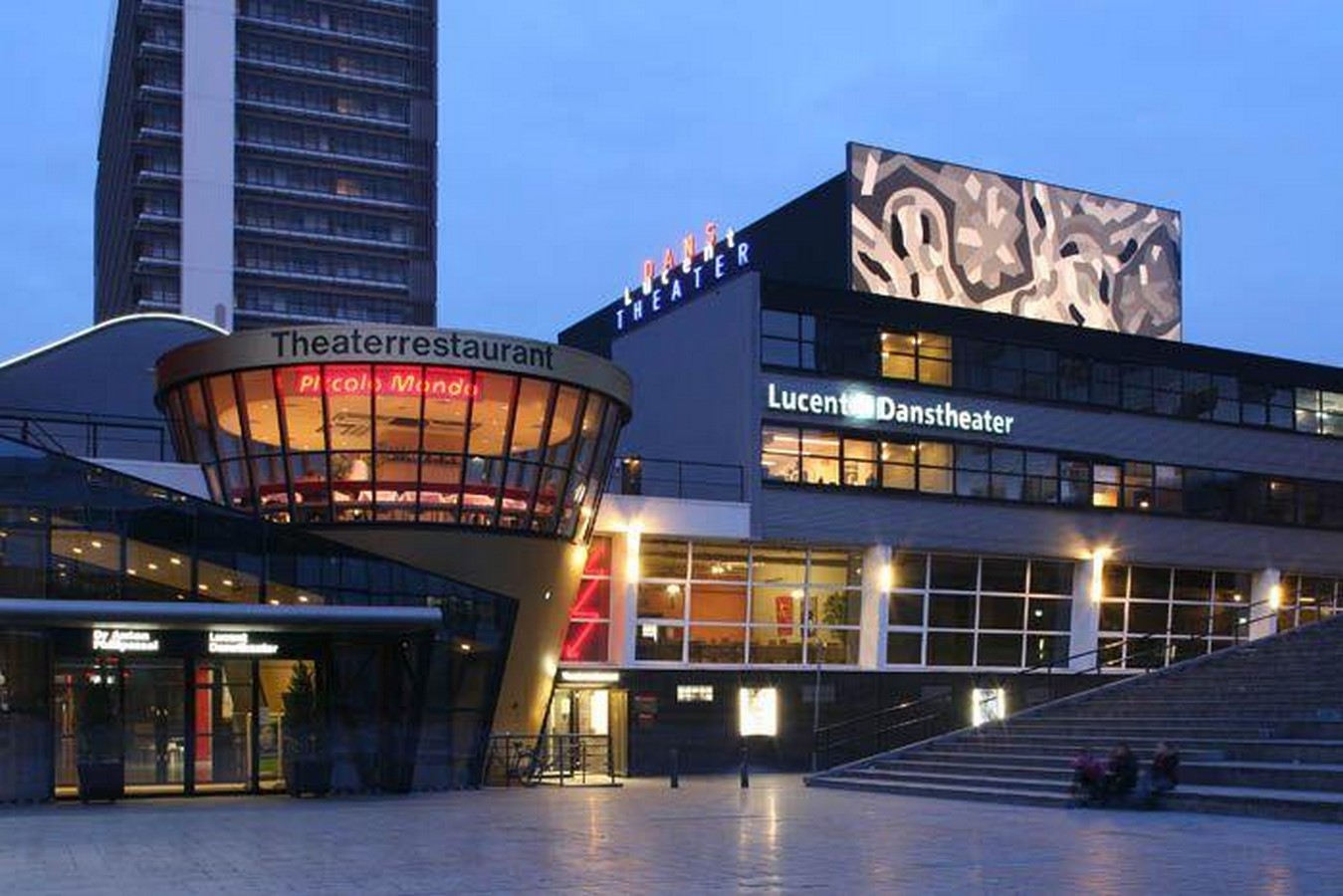
The metaphor of artistic life ultimately became a cursing icon for the very structure since it had little to offer institutionally when the Netherlands Dance Theater in The Hague started failing in the mid-90s. Some aspects that contributed to the collapse of the Netherlands Dance Theater in The Hague included dwindling funding, shifting taste of audiences, and redevelopment strategies that prioritized commercial over cultural areas. During this same period, the culturally significant institution was allowed to gradually decay while local governments and creatives redirected funds toward new initiatives elsewhere.
Present State and Conservation Efforts
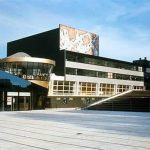
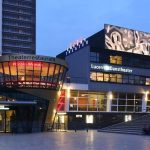
The erstwhile Netherlands Dance Theater, The Hague’s building is now on the verge of collapse. Dancers and performers alike made use of the rehearsal spaces and the performance halls that have seen better days and are in some state of decay. It is a shadow of its former self—the facade is peeling off, all amenities are outdated, and, above all, scant attention has been given to its upkeep. Although historic and has an illustrious artistic history, it has not received adequate funding for extensive renovations.
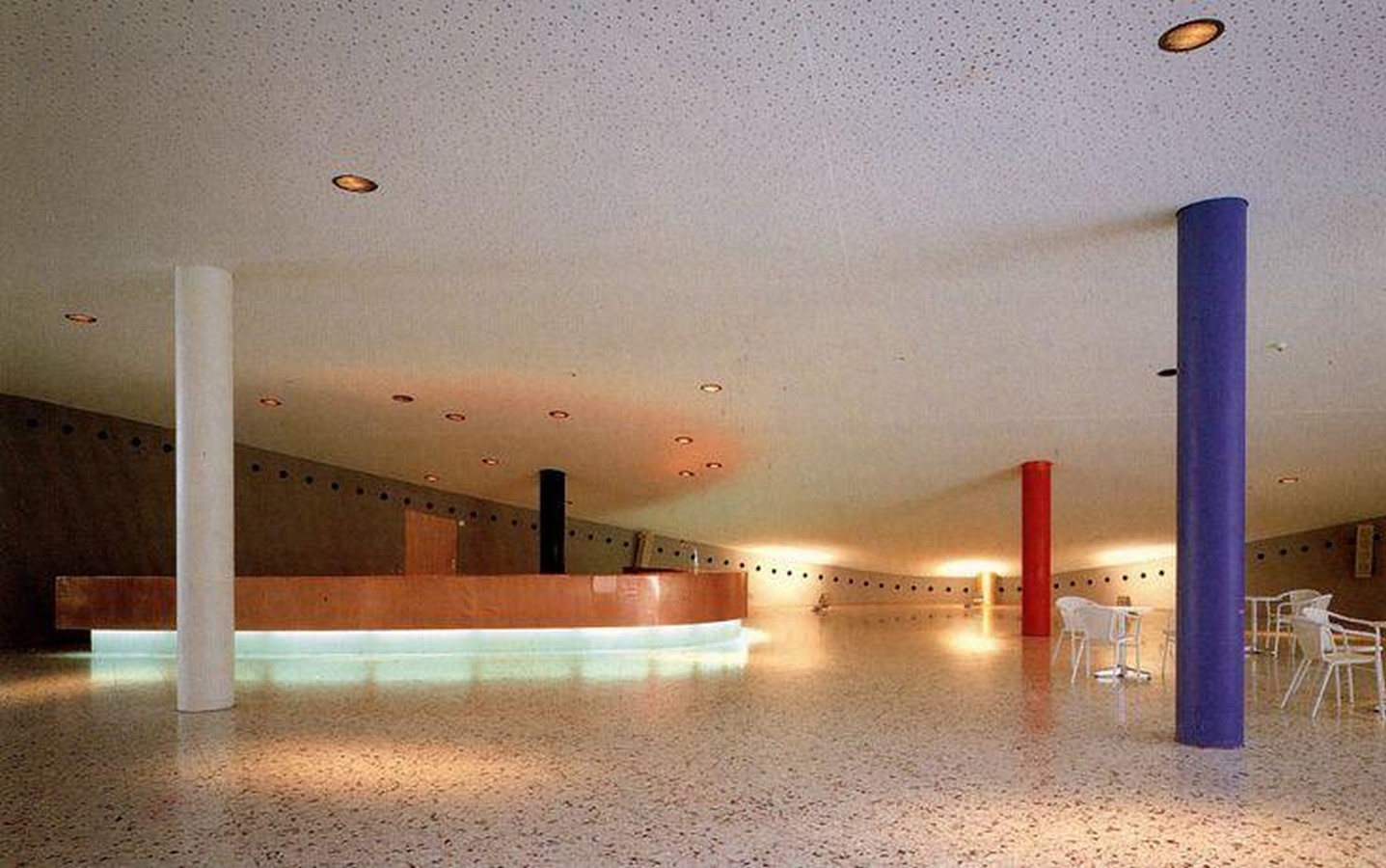
The structure has been the focus of local cultural preservation organizations, which have recognized its potential as a historical landmark. But without a significant investment from both public and private sources, there will still be constraints on the full preservation efforts. Some small repairs have been initiated by local volunteers; however, overall, the decline of the Netherlands Dance Theater in The Hague is continuing. Preservationists maintain that the structure possesses great cultural significance, and its state now reflects a grim reality of the consequences of neglecting historic buildings.
Possibility for Resurrection
Discussions about the Netherlands Dance Theater in The Hague are still being carried out by cultural historians, city planners, and local legislators. Historically and probably architecturally unique, those in favor of resurrecting it argue that it is a worthy candidate for adaptive reuse. A multipurpose cultural facility would, therefore, revitalize the local arts scene while serving programs in support of urban renewal within that area.
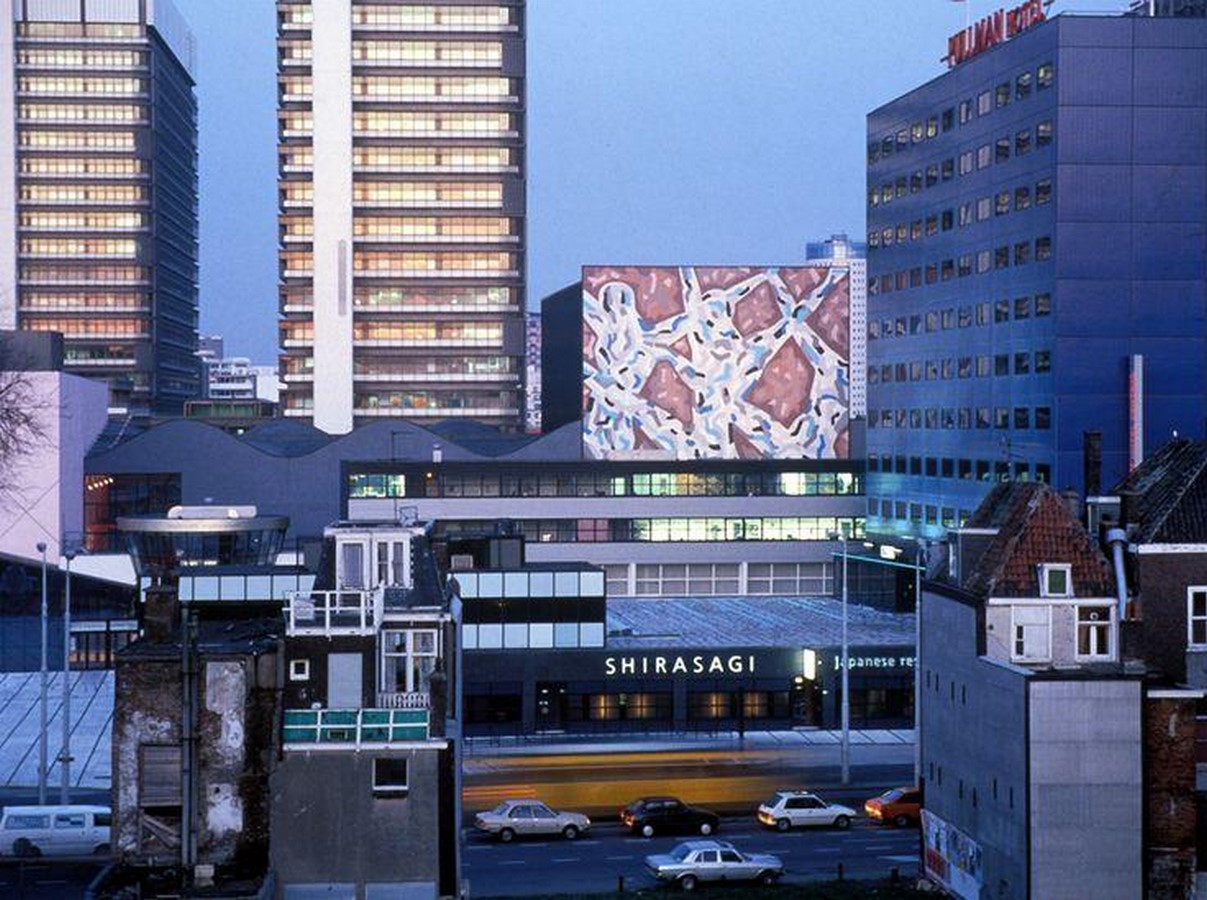
For the resuscitation project to even be an option, a holistic vision that encapsulates funding strategies, restoration, and programming needs to be developed. In such a case, financial assistance towards the renovation would be invaluable, both for city council-driven initiatives and internationally sponsored projects. Restoration of the building would not only provide financial impetus for the protection of an asset with notable cultural importance but also engender a huge influx of cultural tourism and local investments. The collaboration of contemporary technology with the majestic historic beauty of the structure might instill vibrancy into the space, honoring The Hague’s past and future in dance.
Final Thoughts
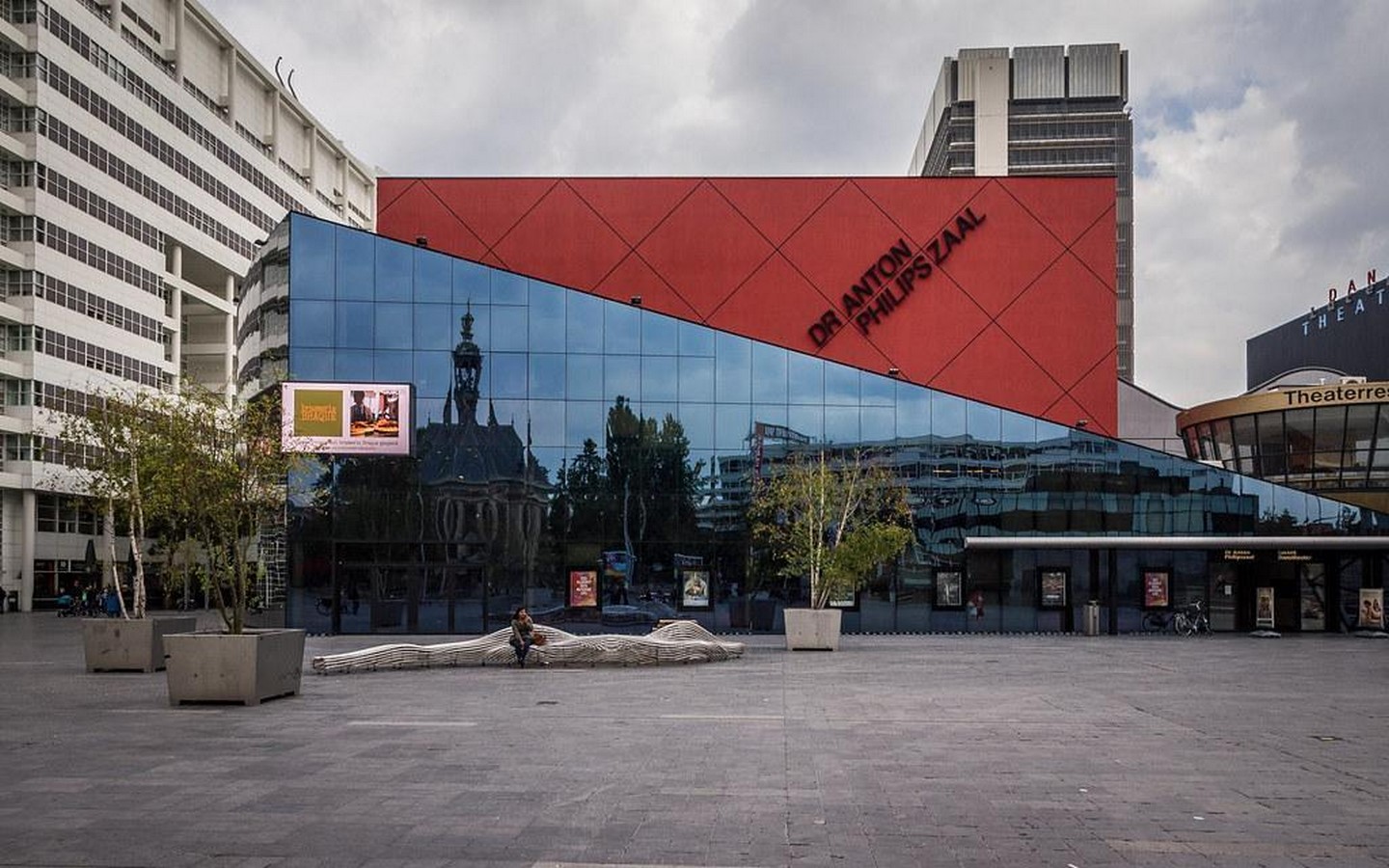
An extraordinarily inspiring narrative of how cultural landmarks may be subject to the designs of urban and economic flux is the case of the Netherlands Dance Theater in The Hague. The building became abandoned; while past glory days saw it become an active arena of artistic innovation between 1987 and 2015, it has now turned inwards, becoming a reminder of those days. Despite the state of disrepair and neglect that surrounds its current condition, it stands a fair chance of restoration. With the support of its local authorities, the wider arts community, and securing the restoration funding along with a clear preservation plan, there is hope that the Netherlands Dance Theater, The Hague, will be operating once again as a bustling cultural center. In so doing, the revival of this iconic space would not only pay homage to its legacy but also lend its voice in support of the future vibrancy of culture in the city.