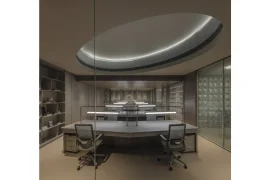
As the traditional 9-to-5 model evolves, so do our workspaces. The post-pandemic shift toward remote and hybrid working has revolutionised how offices are used, designed, and experienced. Project Name: 10 Office Design Trends to Expect in 2025 
-
A Higher Demand for Hybrid Workspaces
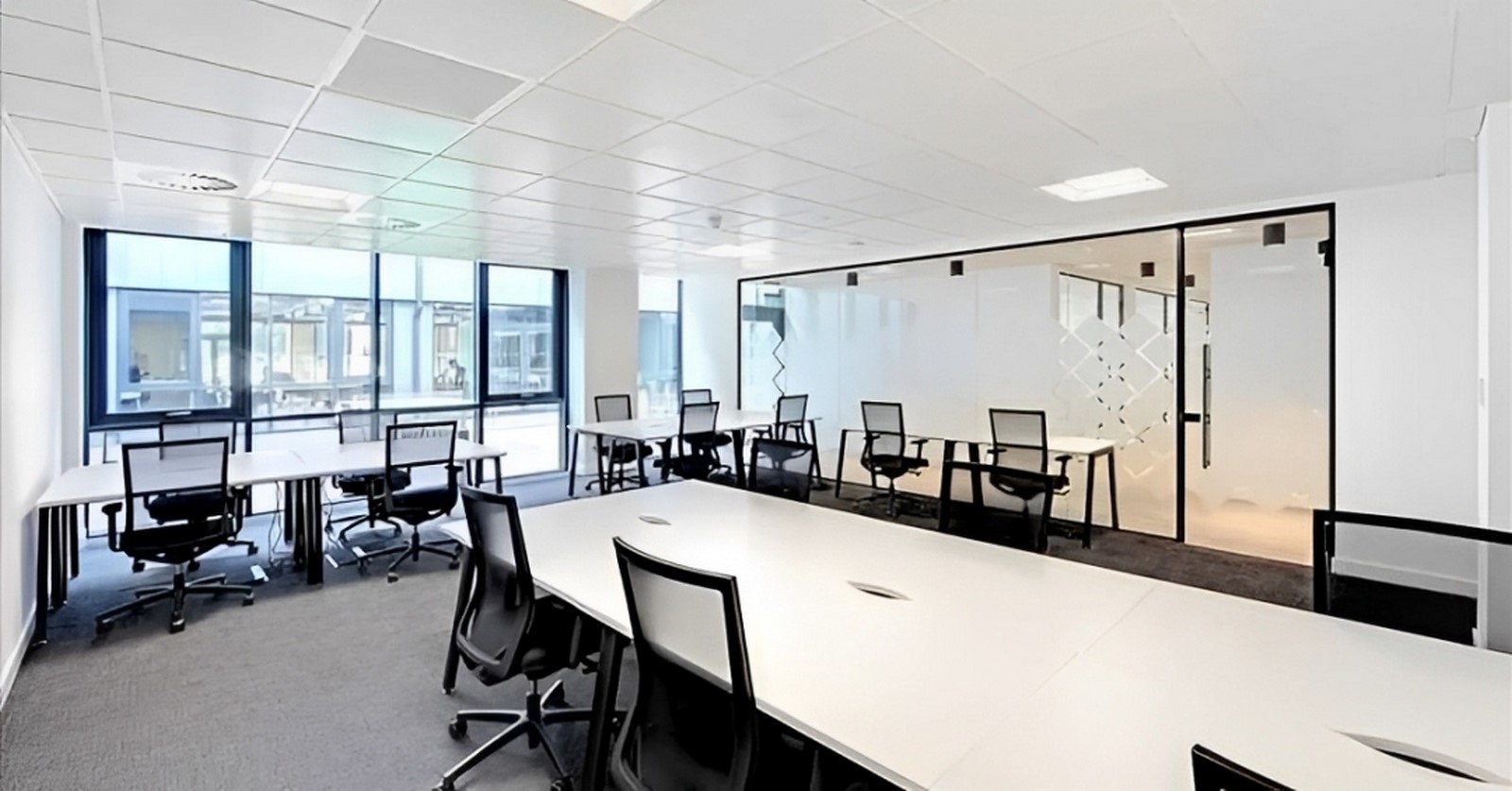
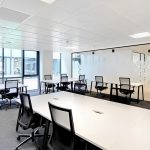
If there’s one trend that’s firmly rooted in the future of work, it’s hybrid workspaces. As businesses adopt more flexible working models, employees are no longer confined to one desk five days a week. Offices in 2025 will adapt to this shift by providing a combination of shared spaces, hot desks, and touchdown zones that foster collaboration and enhance work efficiency. You should also pay attention to activity-based layouts, where different areas are designed for specific tasks. For instance, focused work takes place in quiet pods, while creative brainstorming may occur in casual lounge-style areas. You can also include technology-integrated meeting rooms and video conferencing setups; these hybrid-friendly offices are designed for smooth collaboration between in-person and remote participants.
-
Prioritising Health with Wellness-Centric Office Design
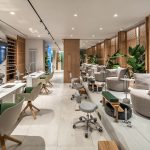
This year, offices focus on promoting physical and mental well-being. Employers are prioritising spaces that truly support employee health. In 2025, expect a surge in wellness-centric features such as ergonomic furniture designed to reduce strain, dedicated relaxation areas to unplug from digital fatigue, and enhanced ventilation systems for improved air quality. Additionally, hydration stations, green-certified materials, and circadian lighting systems will become increasingly common as businesses recognise that a healthier workforce is both happier and more productive. This is more than just perks; it’s about creating a supportive environment from the ground up! 
- Go Greener with Biophilic Office Designs
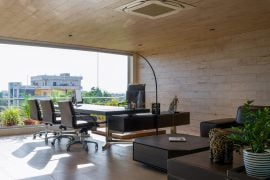
The desire to reconnect with nature is stronger than ever. Biophilic design, which involves bringing nature indoors, has been gaining popularity, and it is expected to become even more prominent by 2025. We can anticipate an increase in indoor gardens, living green walls, and the use of natural materials such as bamboo and reclaimed wood. Larger windows, skylights, and open layouts will optimize natural light. Indoor plants will function as both decoration and utility, enhancing air quality and creating a calming atmosphere. With growing awareness of mental health and eco-anxiety, green environments act as both an aesthetic and emotional anchor for employees in the modern workplace.
- Reducing Carbon Footprints with Sustainable Designs
Sustainability is no longer just a buzzword; it has become a necessity. Businesses are actively taking steps to reduce their environmental impact, with office space design being a key part of that solution. By 2025, sustainable options such as recycled wood, reclaimed metal, low-VOC (volatile organic compound) paints, and eco-friendly textiles will dominate material palettes. Furthermore, numerous companies are seeking certifications such as LEED or WELL as a mark of distinction, utilising these standards to steer their environmentally friendly building choices. From solar-powered lighting systems to energy-efficient HVAC setups, every corner of the workspace is getting a green makeover, and we’re ready for it!
- Say Hello to Tech-Infused, Smart Offices
As technology advances, it is becoming deeply embedded in how and where we work. Smart offices in 2025 will utilise data and automation to enhance the workspace experience. AI-powered systems will control lighting, temperature, and occupancy in real time, ensuring both efficiency and comfort. 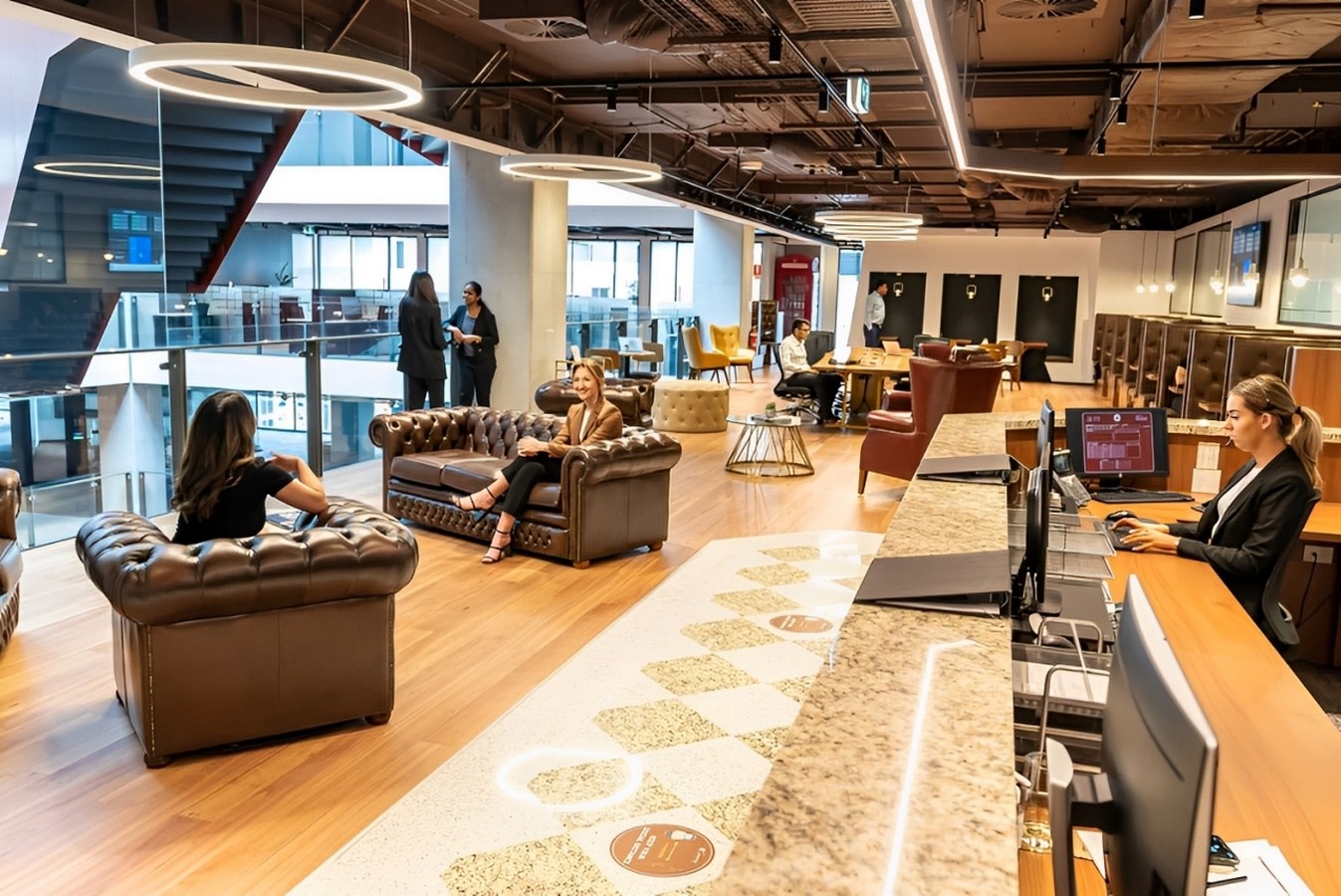
- Home Feels with Resimercial Aesthetics
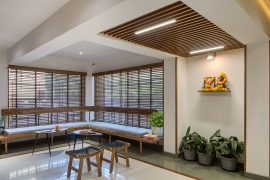
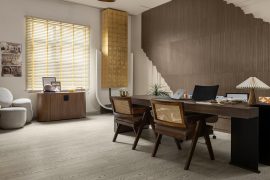
Do you feel homesick as soon as you arrive at the office? Don’t worry; the line between residential and commercial design continues to blur, thanks to ‘resimercial design. ‘ This concept blends residential comfort with commercial utility, specifically crafted to meet employee expectations. The design includes plush sofas, layered lighting, cozy textures, and homey decor, fostering a home-like atmosphere, particularly for those returning to work after a long absence. Moving on, offices will be less sterile and more inviting, showcasing environments where employees genuinely want to spend time. The additional perks? Increased relaxation, enhanced creativity, and a stronger sense of belonging, which promotes job satisfaction and employee retention.
- Acoustic Solutions for Better Work Focus
One of the major challenges in open-plan offices is noise. Distractions can reduce productivity, which is why acoustic solutions have entered the discussion of 2025 office designs. From sound-absorbing ceiling panels to privacy pods and acoustic partitions, workspaces will be thoughtfully engineered to promote focus and minimise distractions. Even soft furnishings like rugs, curtains, and padded seating are being included to reduce ambient noise. As more companies adopt open and collaborative layouts, achieving the right acoustic balance will be crucial for supporting both team dynamics and focused individual work.
- Bringing the Community into the Workplace
Gone are the days when employees clocked in, worked in isolation, and clocked out. The modern office is a spot for connection, collaboration, and community. Open-plan layouts, communal lounges, and shared kitchens are designed to bring people together and build workplace culture. In 2025, offices will double as social ecosystems to support employee bonding, cross-functional teamwork, and mentorship. Flexible areas for town halls, casual coffee chats, and after-work socials will become more critical than ever, especially as hybrid work reduces day-to-day interactions. Overall, these features promote creativity, boost morale, and support mental wellness through human connection.
- Maximising with Modular and Multi-Functional Furniture
Adaptability is key, and modular furniture is at the forefront. As office needs change quickly, companies are seeking mobile, convertible furniture that can evolve with them. From desks that transition between sitting and standing to mobile whiteboards and movable storage units, these adaptable pieces facilitate easy reconfiguration of space according to the day’s demands. In 2025, multi-functional zones will replace static setups, ensuring that no square foot goes underutilised.
- Increasing Brand Awareness through Customizable Designs
Offices are not just workplaces; they’re brand ambassadors! In 2025, more companies will treat their physical spaces as extensions of their identity. From wall colours and signage to curated art and furniture choices, customisable designs will allow businesses to showcase their personality and values. This trend is especially prominent in flexible office spaces, where tenants can add their personal touch without structural changes. Personalised design also reflects ownership, pride, and connection among employees and leaves a lasting impression on clients and visitors alike. The Takeaway Office design in 2025 is all about flexibility, well-being, sustainability, and personalisation. As work culture continues to shift, our work environments must evolve, too. Businesses that embrace these trends will create better spaces and empower their people to thrive within them. Whether you want to reimagine your existing workspace or relocate to a new one, platforms like Office Hub serve as an excellent starting point. With a diverse range of modern, flexible office solutions tailored to today’s working needs, the OH platform connects you with thoughtfully designed spaces that embody the future of work.