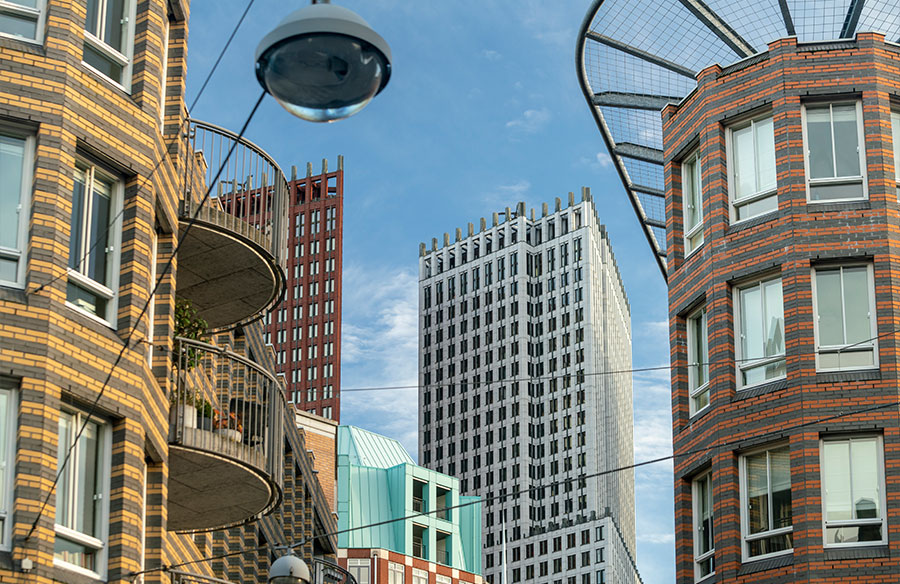
As cities grapple with rapid urbanization, climate change, and cultural preservation, adaptive reuse is emerging as a game-changing design and development strategy. Rather than demolishing the old to make way for the new, adaptive reuse transforms existing buildings into innovative spaces that meet contemporary needs—while respecting history and minimizing environmental impact.
This practice doesn’t just breathe new life into aging structures; it redefines how we think about urban growth, community identity, and sustainability. Below, we explore seven powerful ways adaptive reuse is reshaping the cities of tomorrow.
1. Reducing Carbon Footprints Through Conservation
One of the most compelling arguments for adaptive reuse is its sustainability. Demolishing buildings generates vast amounts of waste and requires significant energy input for new construction. In contrast, reusing existing structures conserves embodied carbon—energy already used to create materials like concrete, steel, and glass.
For cities aiming to meet climate goals, adaptive reuse offers a realistic path forward. Preserving and reconfiguring a warehouse into a coworking hub or a school into affordable housing eliminates the need for fresh materials and reduces emissions.
In essence, the greenest building is the one that already exists.
2. Preserving Architectural and Cultural Identity
Cities are built not just from bricks and mortar but from stories, styles, and collective memory. Adaptive reuse respects that identity. Whether it’s transforming an old post office into a public library or a colonial-era mansion into a boutique hotel, these projects maintain a city’s architectural heritage while giving it new relevance.
Preservation through adaptation allows designers to create dynamic hybrids—spaces that celebrate the past while serving present-day needs. In doing so, cities maintain their unique character, resisting the global homogenization of urban landscapes.
3. Fostering Affordable and Mixed-Use Housing Solutions
With urban housing shortages reaching crisis levels in many regions, adaptive reuse provides a creative solution. Empty office buildings, shuttered retail centers, and vacant schools can be converted into affordable housing and mixed-use developments that blend residential, commercial, and community functions.
These conversions often cost less than new builds and can be completed more quickly. By integrating housing into underutilized urban cores, adaptive reuse also promotes walkable neighborhoods and reduces reliance on cars—another environmental win.
4. Reviving Neighborhoods and Catalyzing Economic Growth
Adaptive reuse has the power to transform entire neighborhoods. A single project—like a former factory turned into an art center—can spark economic revitalization, drawing new businesses, tourism, and community engagement.
These ripple effects are often more equitable than traditional gentrification. By leveraging existing assets rather than displacing communities, adaptive reuse projects can uplift rather than uproot. Moreover, they encourage local entrepreneurship, offering unique retail or gallery spaces that wouldn’t be feasible in new construction due to high costs.
5. Reimagining Space for the Post-Pandemic Era
COVID-19 forever altered how we use space. Offices now need to support hybrid work; retail centers must prioritize experience over inventory; and homes must function as gyms, classrooms, and sanctuaries. Adaptive reuse is the ideal tool to meet these evolving demands.
Designers are transforming empty malls into medical campuses, converting high-rises into vertical farms, and rethinking public buildings for flexible, multi-use purposes. These agile interventions ensure that cities remain resilient, adaptable, and responsive to both current and future needs.
6. Encouraging Innovation in Design and Construction
Adaptive reuse challenges architects and builders to think outside the blueprint. How do you convert a church into a performing arts space without losing its soul? Or a brutalist bank into a light-filled museum?
These creative constraints push the boundaries of design and engineering. Architects must navigate historic preservation laws, integrate modern systems into outdated frameworks, and often work around irregular floorplans or materials. The result? Some of the most inventive and meaningful architecture emerging today.
Innovation thrives not despite the limitations—but because of them.
7. Promoting Community Engagement and Ownership
Unlike sterile, top-down developments, adaptive reuse often begins with community-driven vision. Locals may lobby to save a beloved cinema or advocate for a new use for a historic warehouse. The process encourages public input, ensuring that the final product reflects local values and needs.
In many cases, these projects become community anchors: makerspaces, co-op markets, creative incubators. When people see their stories and memories preserved in built form, it deepens civic pride and strengthens the social fabric.
Adaptive reuse isn’t just about buildings—it’s about belonging.
Looking Ahead: A Blueprint for Sustainable Urban Futures
The challenges of 21st-century urban life—housing shortages, climate threats, economic inequality—require bold, thoughtful solutions. Adaptive reuse isn’t a silver bullet, but it offers a compelling strategy rooted in sustainability, creativity, and respect for place.
As more cities adopt circular economy principles and regenerative design practices, adaptive reuse will become less of a trend and more of a standard. Policymakers, developers, and architects must work together to streamline regulations, provide financial incentives, and reframe aging buildings as opportunities, not obstacles.
Tomorrow’s cities will not be defined by how many new towers they build, but by how imaginatively they reimagine what they already have.
Looking for a trusted remodeling partner to bring these trends to life? Our kitchen and bathroom remodeling company specializes in turning ideas into intelligent, stylish, and functional realities—on time and within budget.
Whether you’re planning a full-scale renovation or a series of thoughtful upgrades, we’re here to help craft a space that reflects your needs, values, and unique aesthetic.