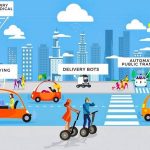
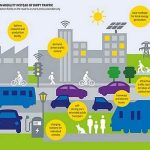
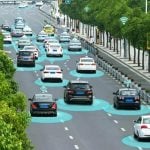
Until the present day, the growth of the metropolitan population is quite strong, which calls for efficient and green transportation solutions. Smart cities are the center of Smart Integrated Environment / Transportation Systems where the use of technologies enhances mobility, decreases traffic, and protects the environment. The adoption of eco-friendly public transport, AVs, and smart traffic management systems greatly assists in transforming urban mobility. Consequently, cities have become smarter, more efficient, and greener. The move toward smarter integrated environmental policy regulations, along with data and intelligent energy policy solutions, facilitates the shift toward integrated smart transportation systems.
Autonomous Cars and their Role in Smart Cities Development
AVs (autonomous vehicles) can eliminate issues faced in most cities today, such as traffic jams, accidents, and pollution. These cars are able to navigate on their own by utilizing various sensors, AI, and analytics. Advantages of Autonomous Vehicles for Smart Cities
- Better Traffic Flow: city infrastructure is able to improve traffic with smart highways, optimally timed traffic lights, and better congestion control.
- Improved Safety: Self-driving vehicles (AVs) improve safety by removing human drivers, who are often the primary source of traffic accidents in the first place.
- Lowered Carbon Output: Autonomous electric vehicles (EVs) are achieving a decrease in the use of fossil fuels and lower production of greenhouse gasses.
- Greater Accessibility: There are mobility options for the elderly, the disabled, and those without mobility devices that AVs can aid.
- Lowered Expenditure: Labor and fuel expenses from optimized driving by AVs and autonomous fleets translate into savings on transportation costs.
- Improved Parking Effectiveness: Space constraints are lessened in busy urban areas as AVs can drop off passengers in designated areas and practically self-park the vehicle.
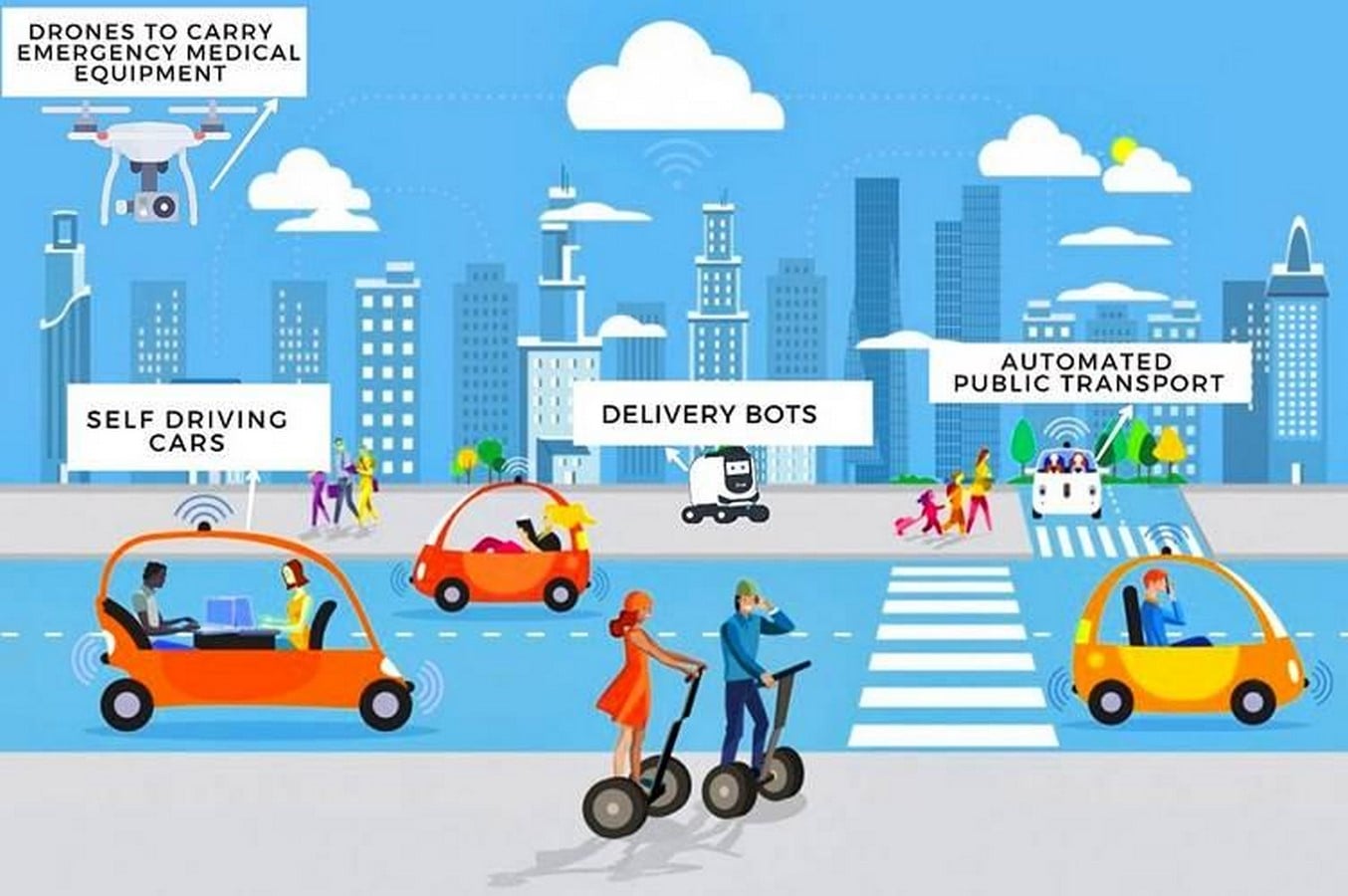
Singapore and San Francisco are pioneering pilot programs that suggest that AVs will play an integral role in the development of smart cities. With further development of technology, the entire public transportation system will likely transform, as fully autonomous systems will be developed. Responsible and ethical control of AVs will be made easier as there is more investment into cybersecurity systems, legal systems, and AI ethics coming from government and private businesses.
Intelligent Traffic Systems: Improving Urban Mobility
An autonomous vehicle together with other forms of transportation is being integrated into intelligent traffic systems(ITS) in smart cities. Congestion mitigation, road safety, improved traffic control management, and other functions are performed by AI, big data, and IoT (Internet of Things) technologies.
Some intelligent traffic systems features include:
- Monitoring Response Traffic Resolution: Collisions, traffic flow, and congestion are monitored in real-time often using cameras and other sensors.
- AI adaptation to traffic flow managed amenity AI traffic lights reduce emissions and waiting time in busy intersections.
- Anticipate Traffic Pattern Prediction: Machine learning systems analyze past and present data patterns to make educated guesses to aid in rerouting drivers.
- IoT Smart Parking: Bundling vacant spaces with a vehicle’s location reduces driving and fuel expenses.
- Vehicle Infrastructure Integration: Communication of autonomous vehicles and human-driven vehicles with traffic lights and other road infrastructures enhances vehicular safety and movement.
- Interfacing with Intelligent Traffic Systems (ITS): Automated vehicles are more likely to get priority with traffic lights and route clearance through open passageways and less probability of obstruction.
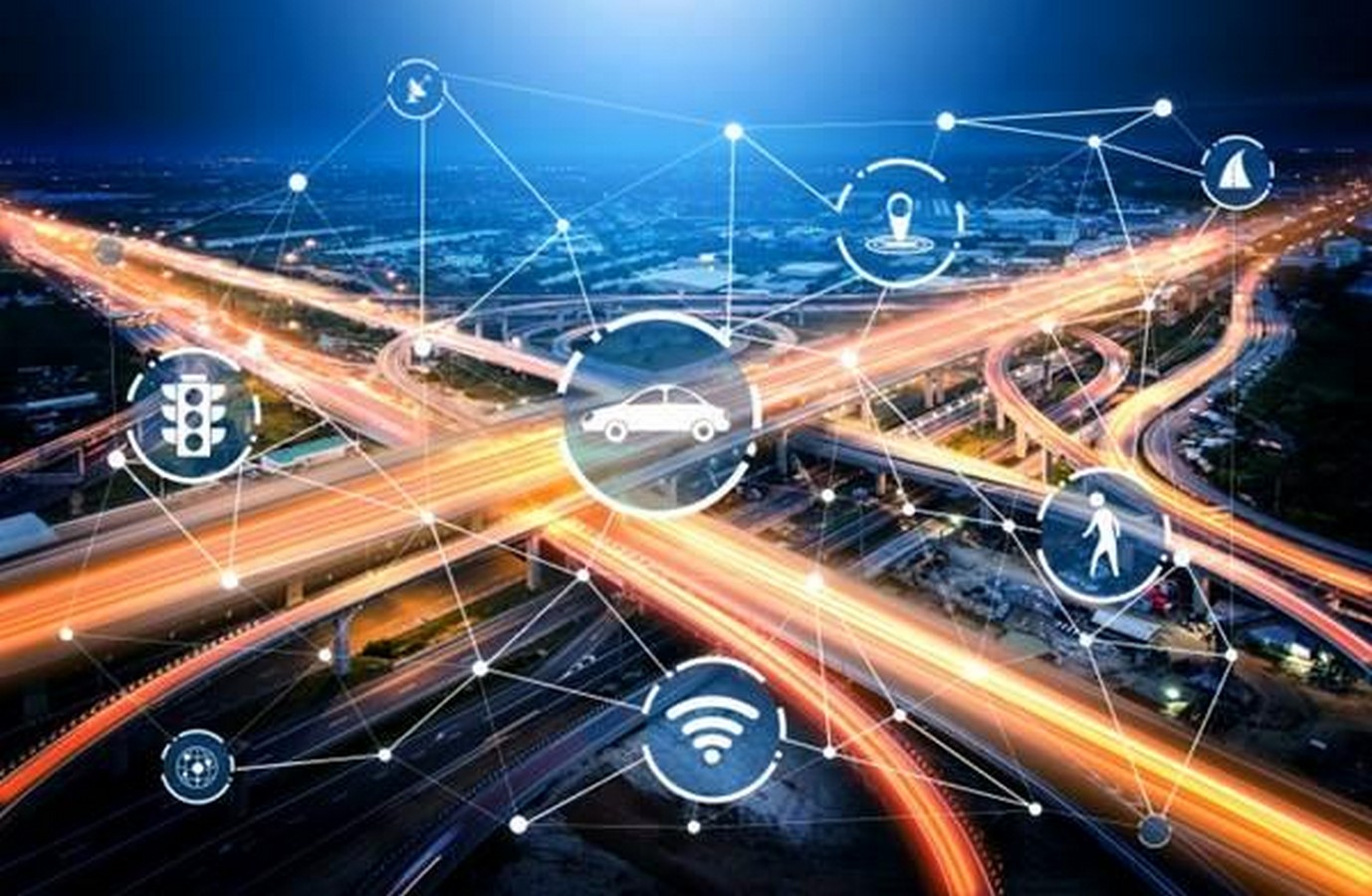
Tokyo and London are examples of metropolitan areas that have integrated ITS to enhance city mobility. More cities deploying this technology will reduce traffic waste and pollution, thus making travel more efficient and greener. Advanced developments of ITS in the future will probably utilize blockchain technology to guarantee secure communication and higher levels of automation of traffic control.
Sustainable Public Transport: One of the Foundational Pillars of Smart Cities
Eco-friendly public transportation is a primary feature that supports the daily commuting needs of citizens. In response to the increasing urban population, smart cities are trying to develop efficient and green public transit systems. Their goal is achieved by reducing the overall dependence on public transit for urban mobility.
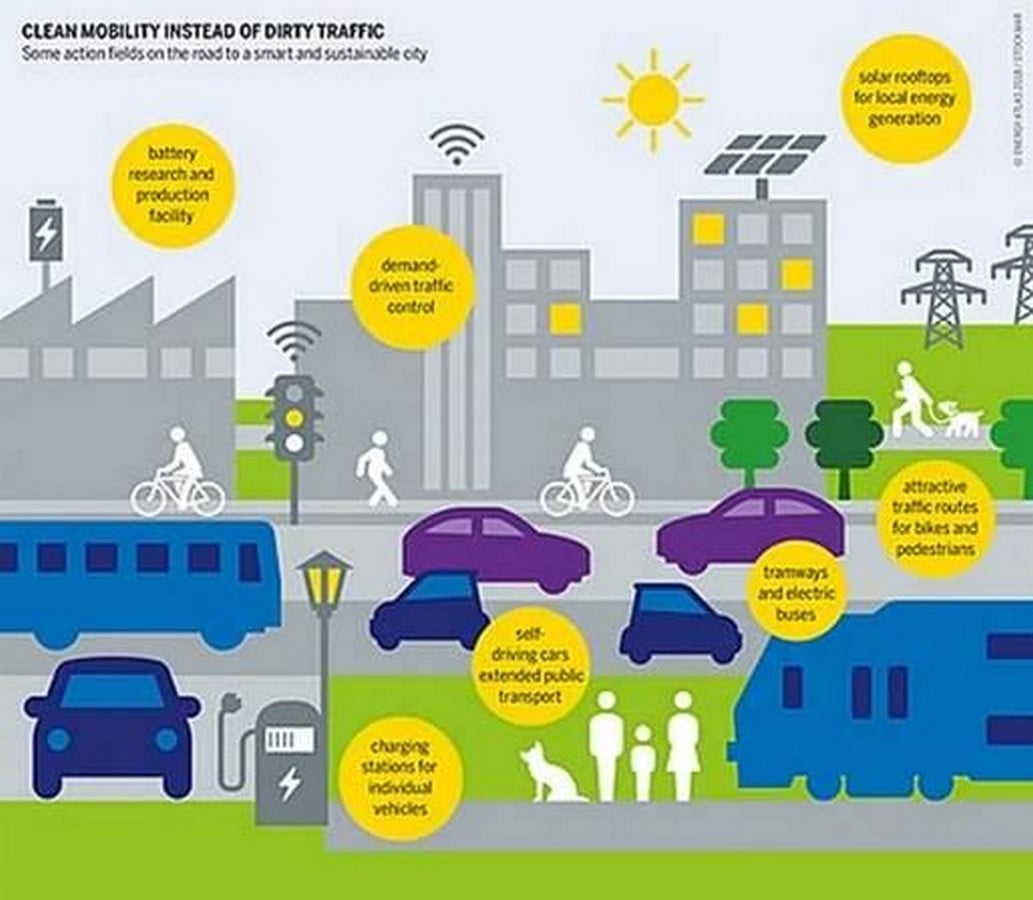
Innovations in Eco-Friendly Public Transport:
- Public buses and trains are shifting from fossil fuel reliance to electric and hydrogen systems, which significantly lowers emissions.
- Autonomous self-driving buses and trains increase profitability while minimizing operating costs.
- Digital and smart card payment systems: Automatic fare collection systems simplify processing and reduce congestion at terminals.
- E-scooters and bike-sharing programs, along with the construction of pedestrian-friendly pathways, increase the availability of alternative public transport and decrease the dependency on cars.
- The public transportation infrastructure of the future will have a holistic system connecting buses and trains to rid-e-sourcing and micro-mobility vehicles.
- AI Scheduling Optimization – Congestion and effectiveness are improved through the use of artificial intelligence in scheduling trains and buses.
In addition to these goals, Amsterdam and Stockholm are also leaders in sustainable public transport demonstrating how green transit systems contribute to the intelligent development of cities. These policies contribute to the smart city objective of making accessible systems that ensure a good quality of life and readiness for the future. Besides, the future funding will be targeted towards the public transportation infrastructure like energy-efficient and solar and wind-powered buildings and facilities.
The Role of Big Data and AI in Smart Mobility
Currently, all urban transportation systems are undergoing a complete overhaul with the integration of big data and artificial intelligence (AI). These enable proper management of transportation, predictive analyses, and effective decision-making core in urban mobility.

This outlines how Big Data and AI can be applied in Smart Mobility Applications:
- Preventative Maintenance – The AI makes it possible to minimize maintenance expenditures and inactive periods of service by removing the possibility of damaging transportation facilities and assets.
- Real-Time Public Transport Modification – These are real-time alterations to route itineraries provided by AI-powered ride-sharing companies.
- Reduction of fuel use and pollution: Traffic management does need optimization and fuel expenditure and emissions reduction.
- Strategy planning Environmentally Friendly: Use fuel-efficient and emission-friendly routes.
- Improvement of Traffic Flows: AI analytics also allow to ascertain certain traffic flows, including problem areas which improves urban planning.
- Digital Twins: Before making actual changes to the city, planners can manage and improve traffic flows with AI within a digital model of the city.
- Mobility and Smart City Cybersecurity: The protection of a city’s information from external attacks and unapproved access to autonomous vehicles takes precedence as a city AI grows more sophisticated.
The adoption of Artificial Intelligence and Big Data allows the modernization of transport systems in smart cities to make them more adaptive and resistant to changes in technological and municipal needs.
Obstacles and Solutions to Identify and Address for Smart Cities
Even though the implementation of technology in smart cities has an array of advantages, here are some problems to address:
- Expensive Implementation: It takes a significant initial expenditure for technology and infrastructural support to deploy autonomous vehicles (AVs), intelligent transportation systems (ITS), and sustainable transit.
- Security and Privacy Challenges: A large amount of data being collected and processed gives rise to privacy and cyber security concerns.
- The Acceptance and Adoption Gap: There is a cultural and legal shift that needs to happen towards AI-controlled and autonomous vehicles.
- Pervasive and Ethical Issues: All controlling technologies must guarantee the right of access, protection, and ethical handling – policies must be put in place to enable this.
- Infrastructural Improvements: A number of cities have to upgrade their infrastructure as many older cities were not built to support AVs and smart mobility.
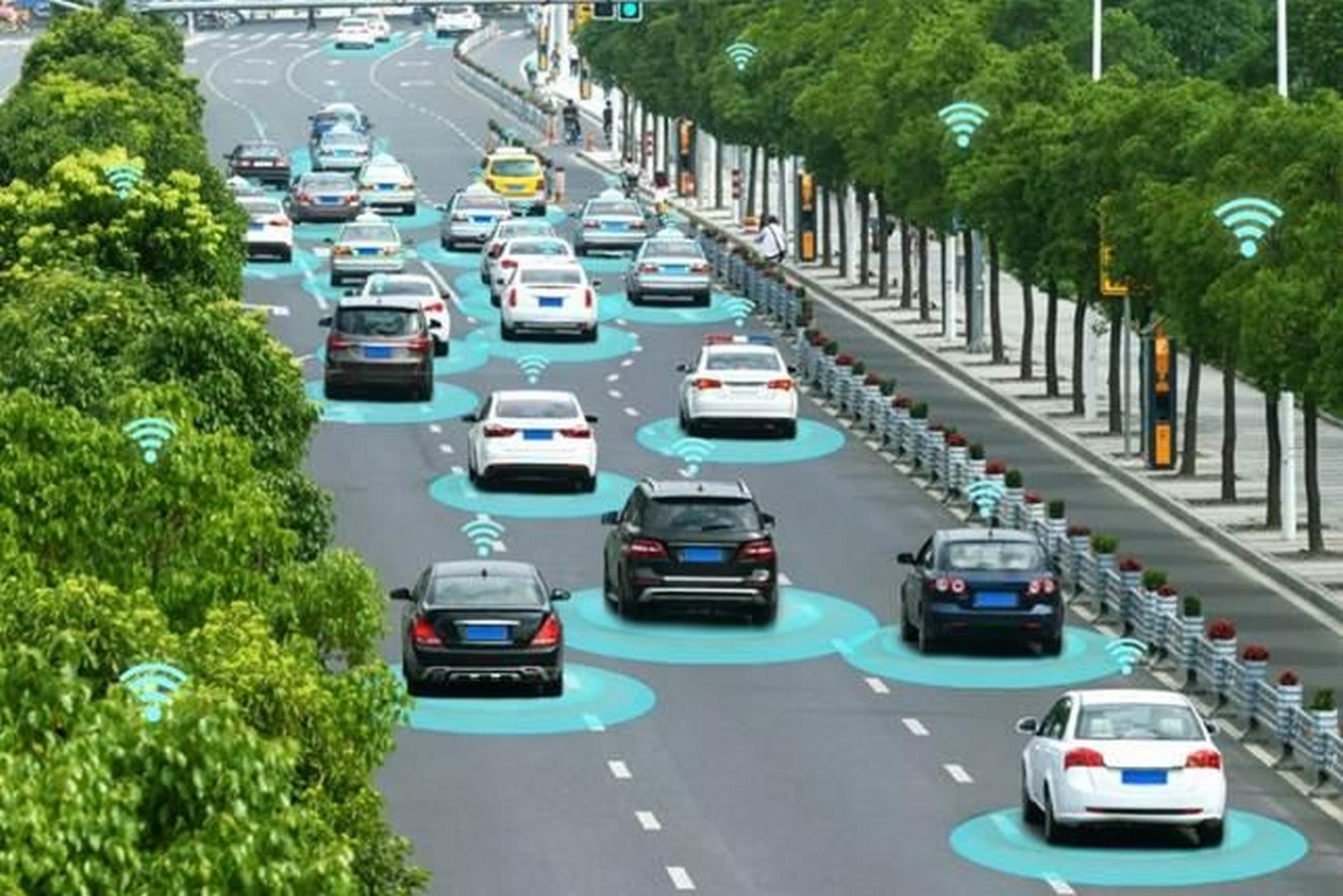
To make the most of smart cities and the latest travel technologies, cities need to solve a few issues. Ultimately, urban mobility is being transformed by smart traffic control systems, AVs, and sustainable modes of public transport.
Modernizing these services is advancing the growth of smart cities by constructing more efficient, safe, and environmentally friendly transportation systems. Despite the fact that there is still a great deal to resolve, it is possible to imagine a future that is smart, more interconnected, and encouraging because of the combination of smart policies and modern tech. While creating cities in the future, it is important to pay attention to new modes of transport that will aid in sustaining urban life and increasing the quality of life for everyone.