Architecture is often reduced to the physical act of constructing buildings, that of bounding spaces with walls, enclosing functions within forms. Although true and a main scope of work, to see architecture only in this way is limiting to its profound capacity, in addressing some of the world’s most pressing challenges. The expertise cultivated through architectural education and professional practice extends far beyond traditional construction. Architects are trained to think critically, embrace critique, navigate complex systems, and synthesize solutions that balance form, function, environment, and most importantly human need.
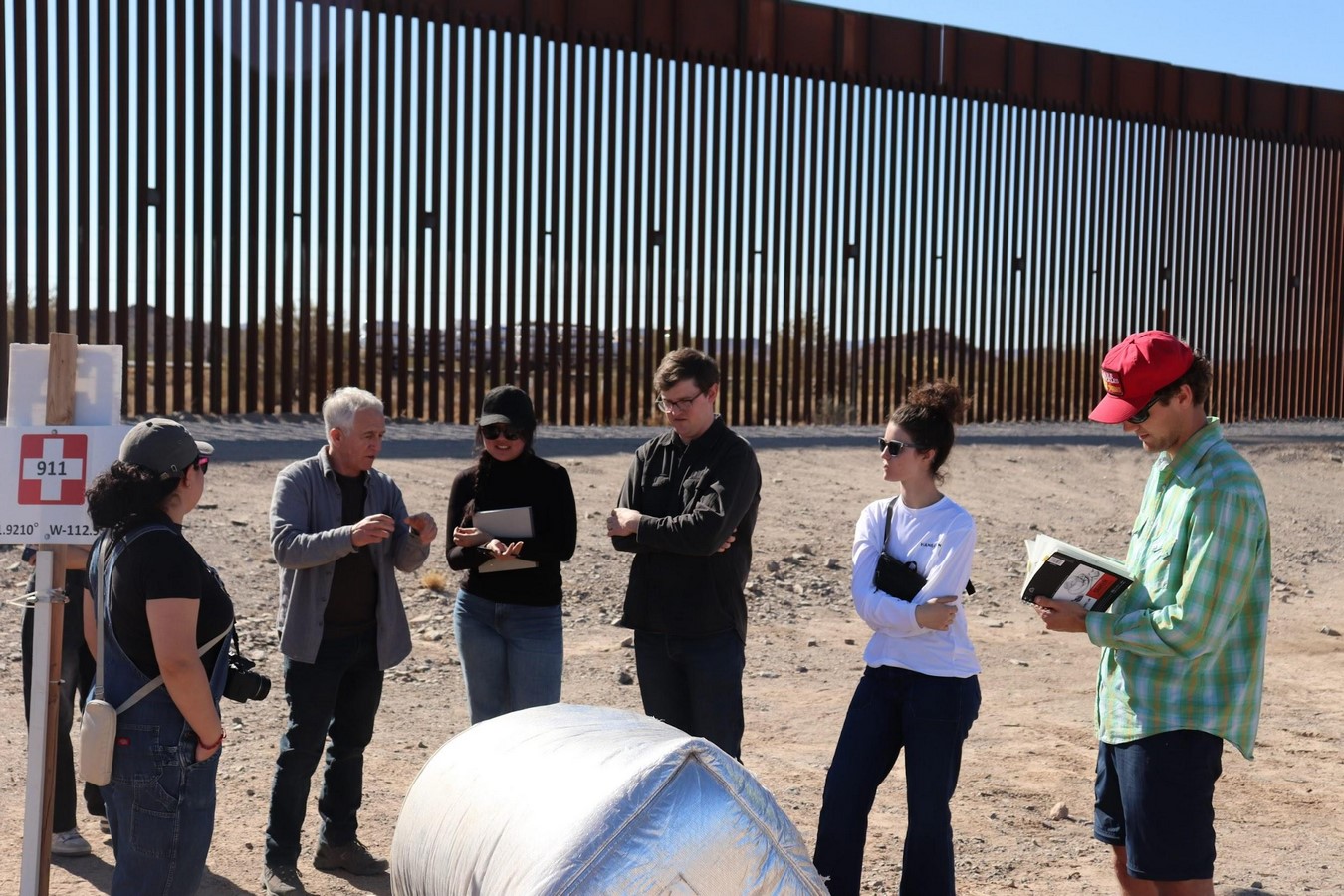
In the context of this case study found in the Sonoran Desert of Arizona, it came with extreme conditions where survival is contingent upon design. Who better to handle such daunting parameters than architects? Architects are uniquely equipped to innovate at the intersection of crisis and design. Guided by Professors Seth Wachtel (Director of the Architecture Department at USF) and Ross McCarthy, this case study of our work in the Arizona borderlands, where my University team collaborated with Humane Borders to redesign life-saving water stations demonstrated the power of architecture beyond walls. It is a testament to the discipline’s ability to respond with intention, ensuring that design serves not only aesthetic and commercial interests but also human dignity, equity, and survival.
Rebecca Fowler, administrator of Humane Borders Fronteras Compasivas summarized one of the key challenges prior to the start of this project:
“I’m looking forward to finding out what solutions [the] students may devise to improve our water stations, especially in relation to keeping the water as cool as possible. One of our volunteers designed doghouse-like structures that we’ve built over the six water stations we maintain on Organ Pipe’s boundary with the border wall road, but we’re finding that our water is still testing very hot. Yesterday, we tested these stations and found that the water temperature was between 96 and 101 degrees. We imagine that it might be due to not having enough air ventilation/circulation, but it’s hard to guess.”
Confronting the Border Crisis Through Design
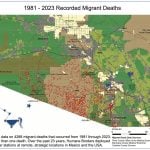
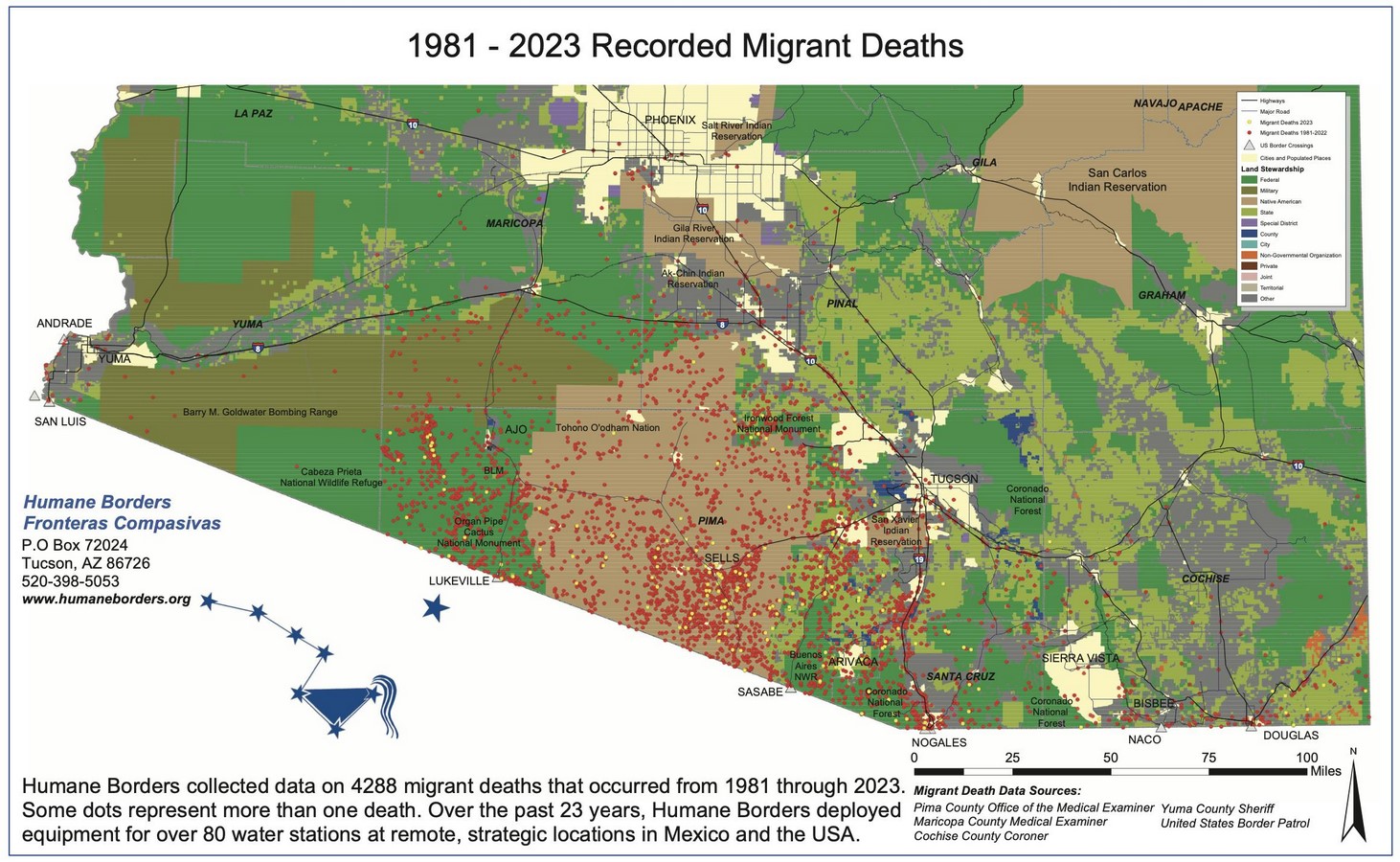
In the Sonoran Desert, temperatures exceed 100°F, which confronts migrants that are crossing with harsh terrain and extreme risks. As seen below, which, in its best efforts, has recorded decades of migrant deaths due to dehydration and heat exhaustion.
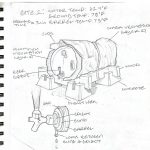
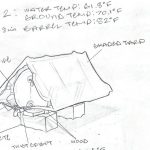
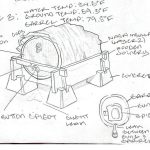
As architects, there is a moral responsibility to engage with humanitarian crises such as this, addressing urgent needs through innovative, immediate, and responsive design. My team at the University of San Francisco’s Architecture and Community Design partnered with Humane Borders to design water stations as life-saving infrastructure. This project, captured through classroom studio proposals, material testing, extensive research, field sketches, on-site testing and construction, sought to ensure that these stations could withstand extreme environmental conditions while being both cost efficient and mass producible for other sites.
Understanding the Parameters: Heat, Accessibility, and Survival
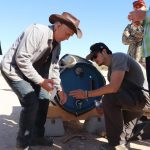
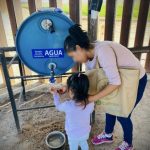
Our research began with an in-depth analysis of existing water stations as seen below at a remote location in the Sonoran Desert. While these stations provide crucial hydration, many are compromised by extreme heat, with the internal water temperatures inside the barrels reaching unsafe levels. In addition to the physical challenges, the project had to consider the socio-political landscape.
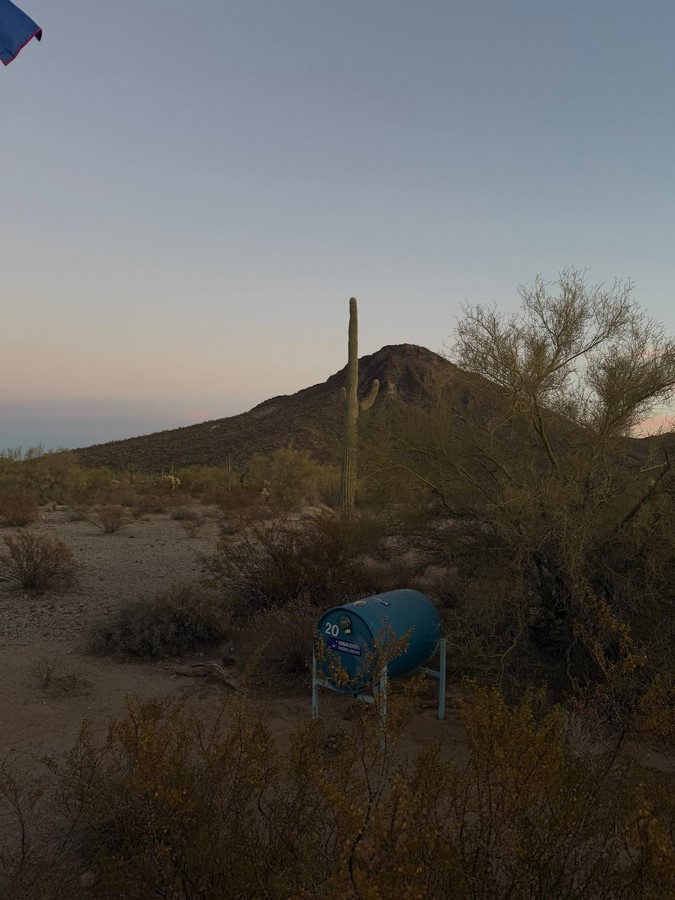
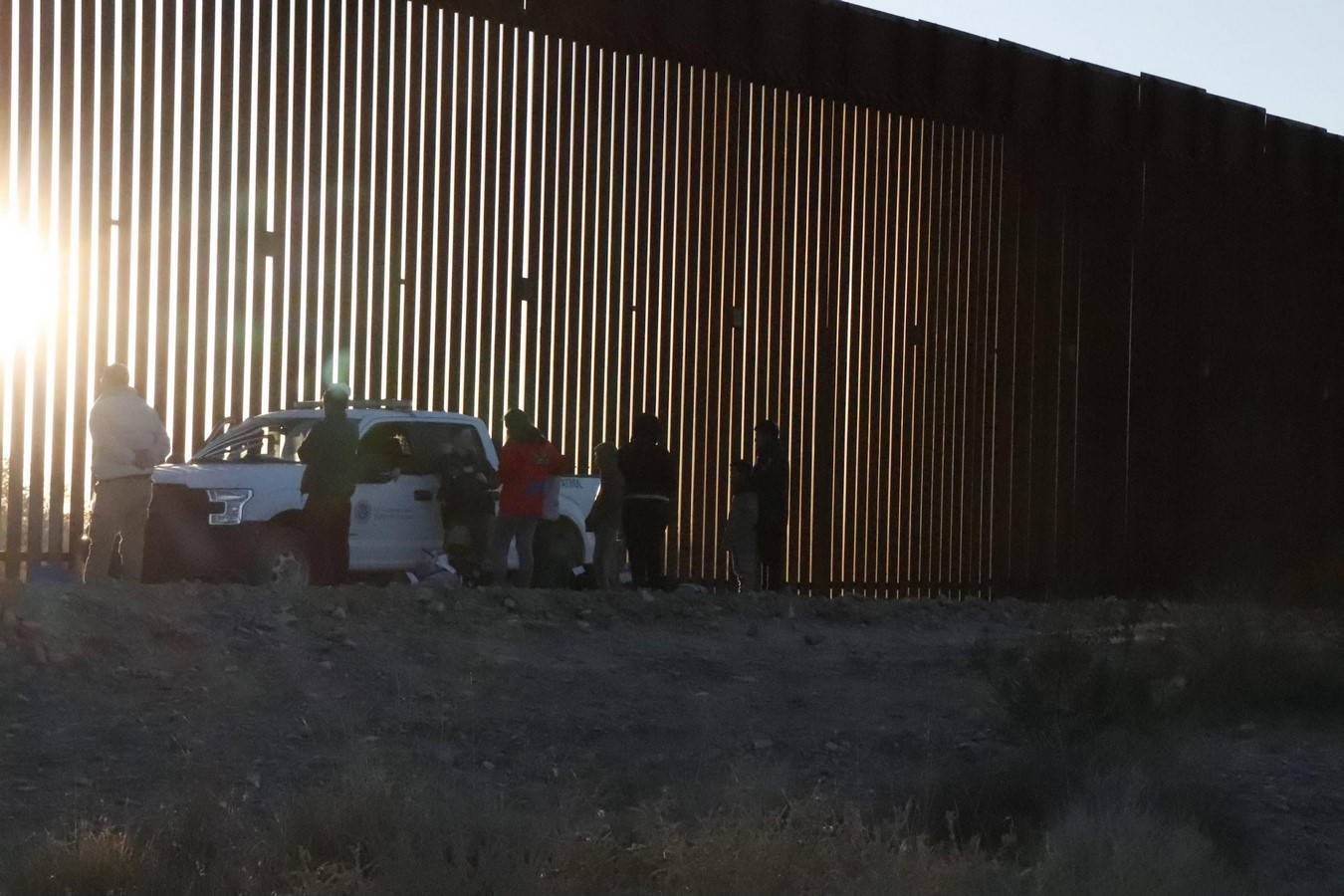
The humanitarian crisis at the border is shaped by restrictive policies, land ownership contention, vigilante activity, and opposition to aid efforts regardless of the apolitical stance. Designing effective interventions meant not only addressing environmental conditions but also ensuring that solutions were within the social constructs of the borderlands, easily maintained, accessible for the masses of migrants, and non-obstructive to the environment.
Designing for Survival: Three Prototypes
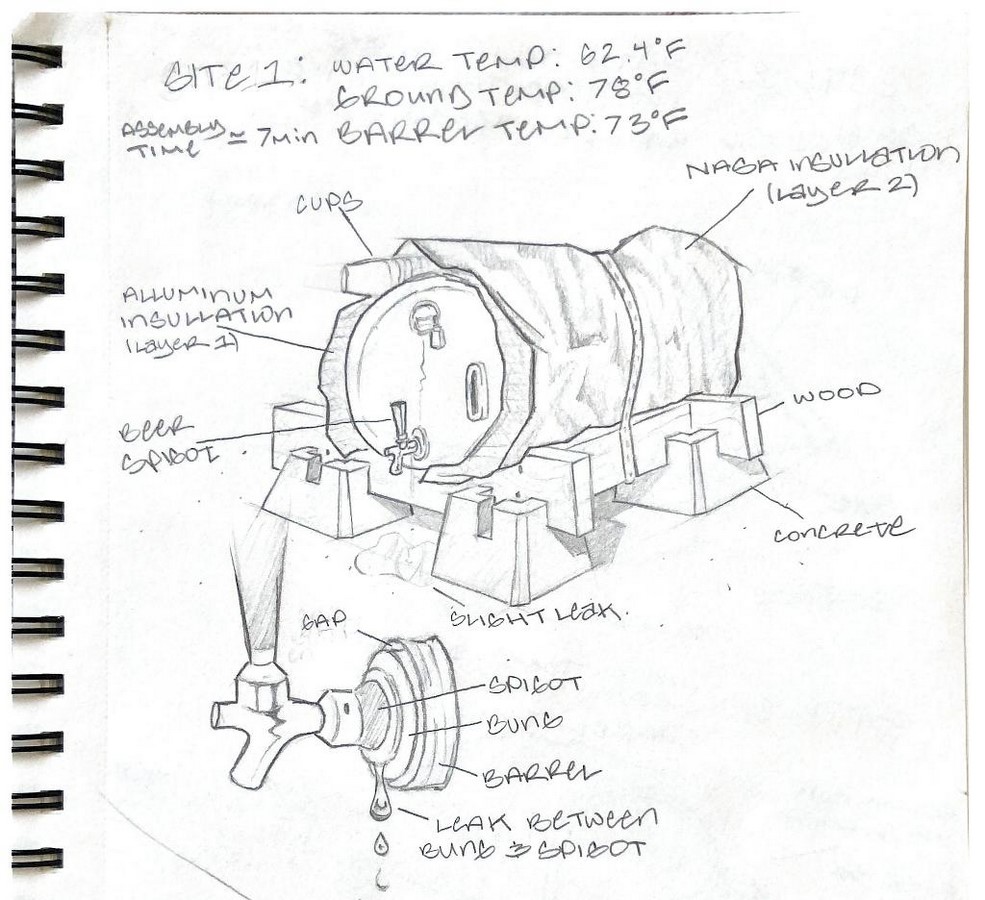
To address these concerns, we developed three distinct prototypes. Each went through numerous stages of critique informed by climate conditions, cost analysis, site-specific challenges, and insights from Humane Borders’ volunteers.
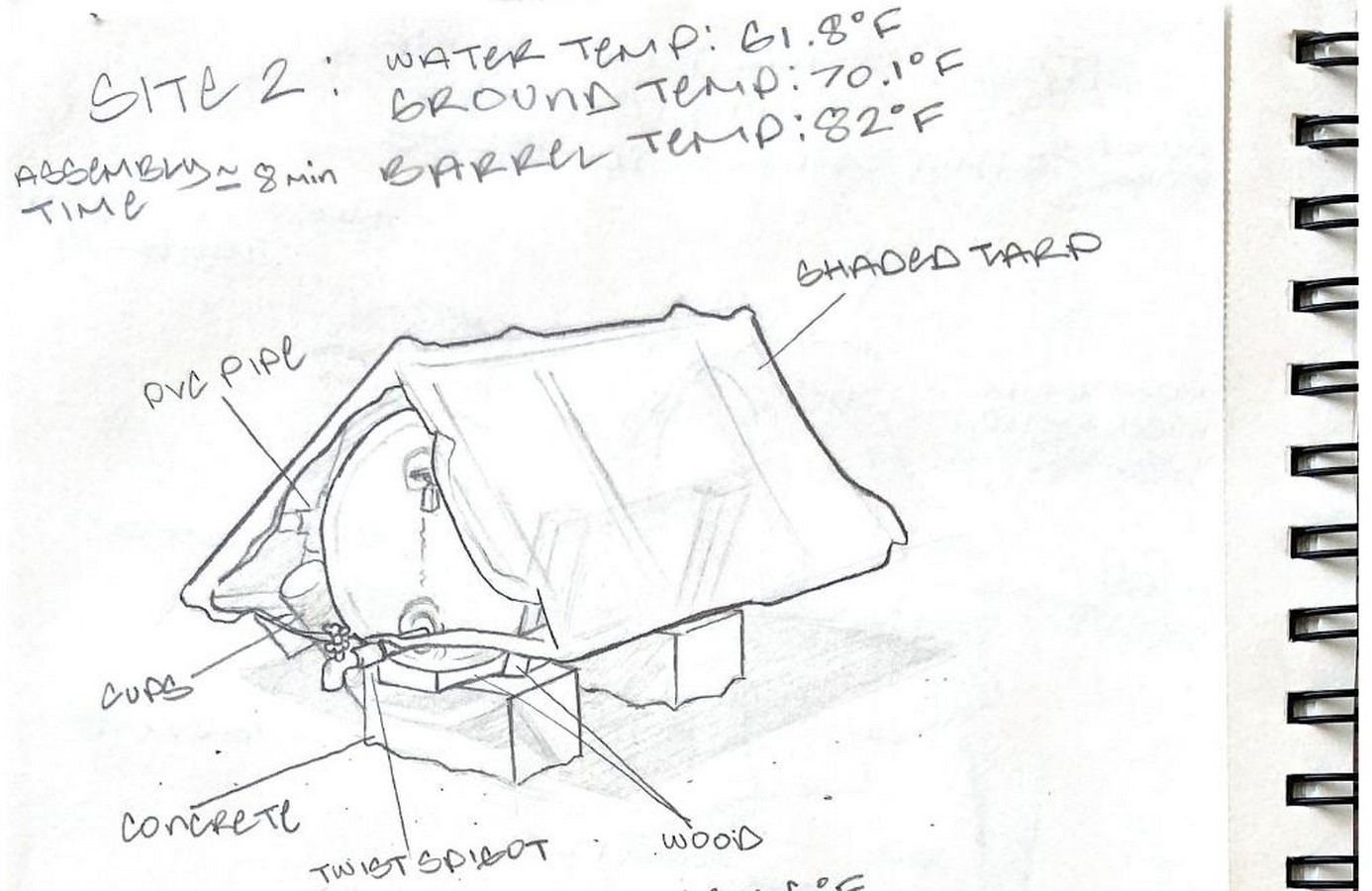
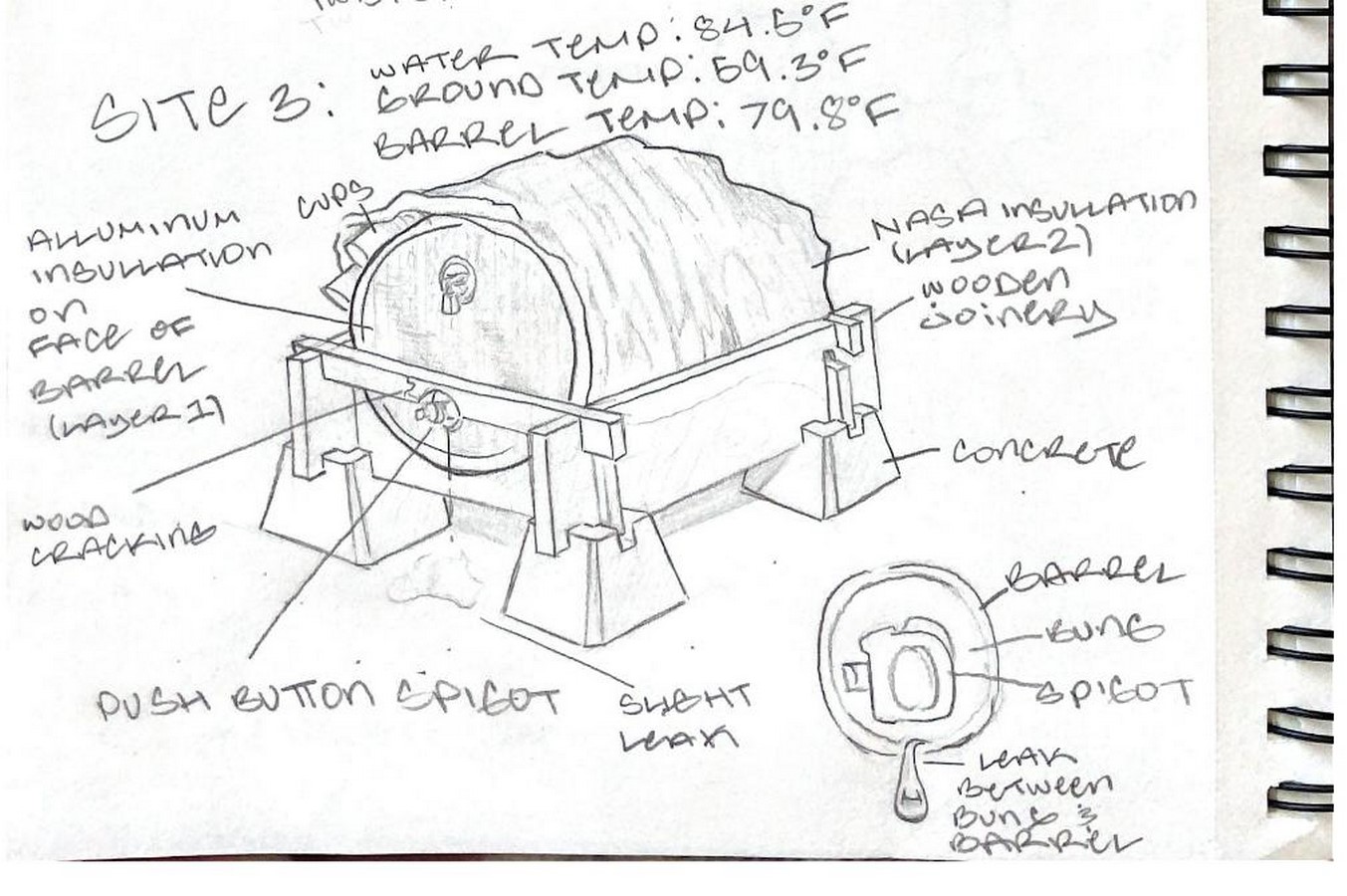
Building in the Borderlands: Testing in the Sonoran Desert
With approval from Humane Borders, our team constructed full-scale prototypes on-site in Arizona. Testing these structures in real-world conditions was vital in understanding their durability and functionality, as we await the incoming season for further testing and data collection.
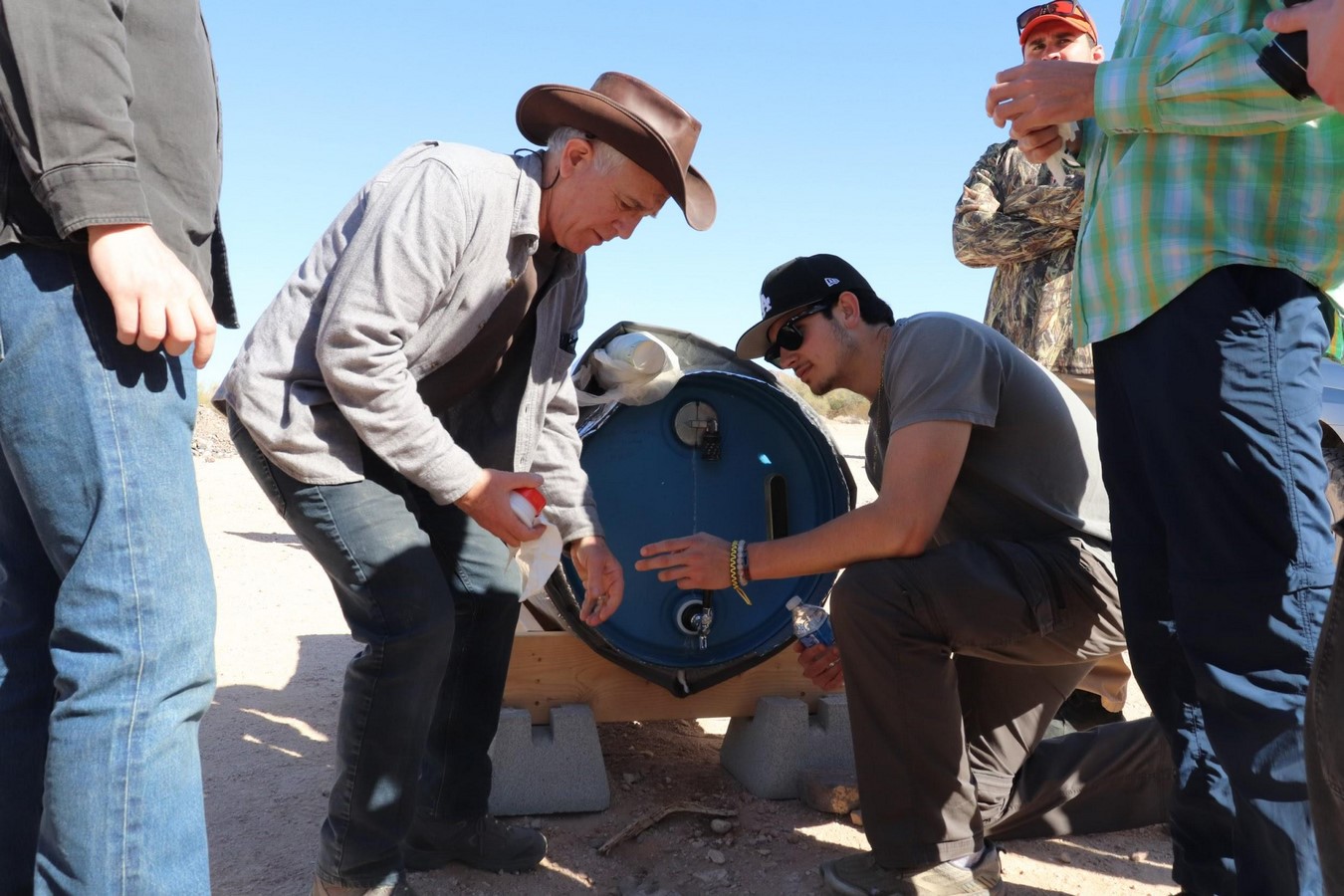
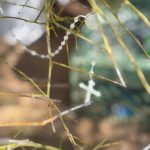
The prototypes were assessed for water temperature retention, ease of maintenance, and structural integrity to withstand monsoon season and high winds. Among the numerous eye-widening moments of the project was the discovery of personal artifacts left behind by migrants, such as a rosary at a remote water drop station.
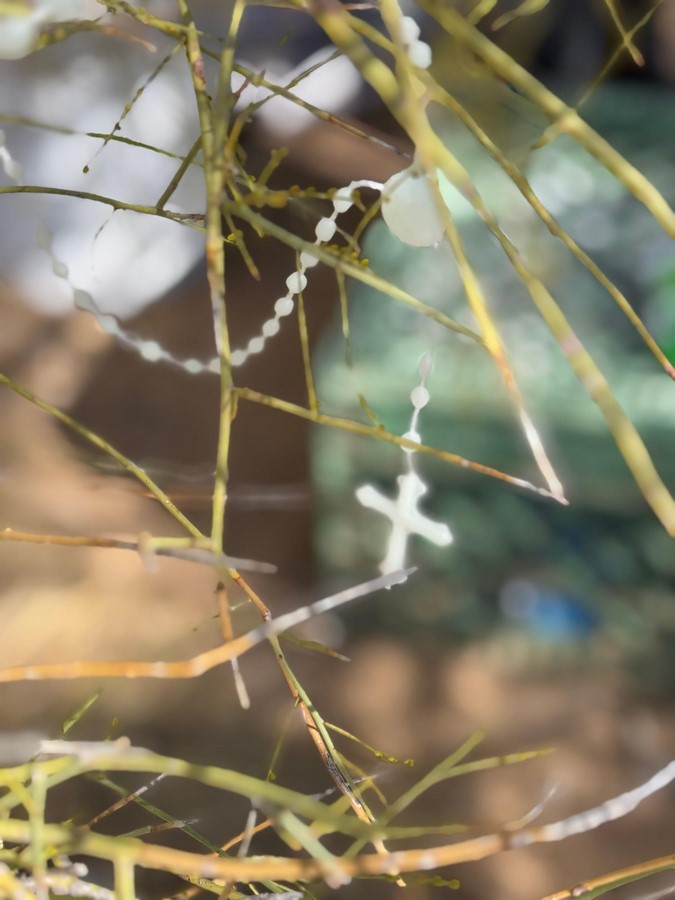
This moment highlighted the invaluable work that Humane Borders and Samaritanos Sin Fronteras fulfills, underscoring the faith and hope that migrants place in their efforts. This project highlighted humanitarian contexts of site-specific adaptations, collaboration with important stakeholders, material costs, and ease of assembly for both maintenance and transportation. Through this project, a clear demonstration was made, in that architecture is not just about aesthetics, but about addressing real-world challenges through intentional, human-centered design.
Call to Action: Get Involved
The humanitarian crisis in the Arizona borderlands is ongoing, and solutions require manual and collective action. Organizations like Humane Borders and SAMS (Syrian American Medical Society) are doing critical work to provide aid while advocating for human rights. If you’re interested in supporting or volunteering, visit:
Humane Borders
Syrian American Medical Society (SAMS)
By engaging with humanitarian architecture, we reaffirm the power of design as a tool for survival, dignity, and justice. Let’s build a future where architecture serves all people, regardless of borders.

Reference List:
- Migrant Death Mapping. Humane Borders. [online] Available at: https://www.humaneborders.org/migrant-death-mapping [Accessed 1 March. 2025].