Imagine a world where architectural contracts are immune to fraud, payments are processed instantly upon task completion, and design ownership is indisputably recorded. Welcome to the future of architecture, powered by blockchain technology! While blockchain is often associated with cryptocurrency, its potential extends far beyond digital money. This revolutionary technology is reshaping industries, and architecture is no exception.
From securing intellectual property rights to streamlining project management, blockchain is redefining how architectural contracts and designs are handled. But what does this mean for architects, clients, and stakeholders?
Understanding Blockchain
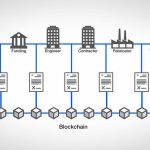
Before diving into its applications in architecture, let’s break down blockchain into simple terms. Blockchain is a decentralized digital ledger that records transactions across multiple computers. Once data is recorded, it becomes immutable—meaning it cannot be altered or deleted without consensus.
This tamper-proof nature makes blockchain a game-changer for industries that rely heavily on contracts, payments, and intellectual property protection—precisely the challenges faced in architecture.
- Smart Contracts: Revolutionizing Architectural Agreements
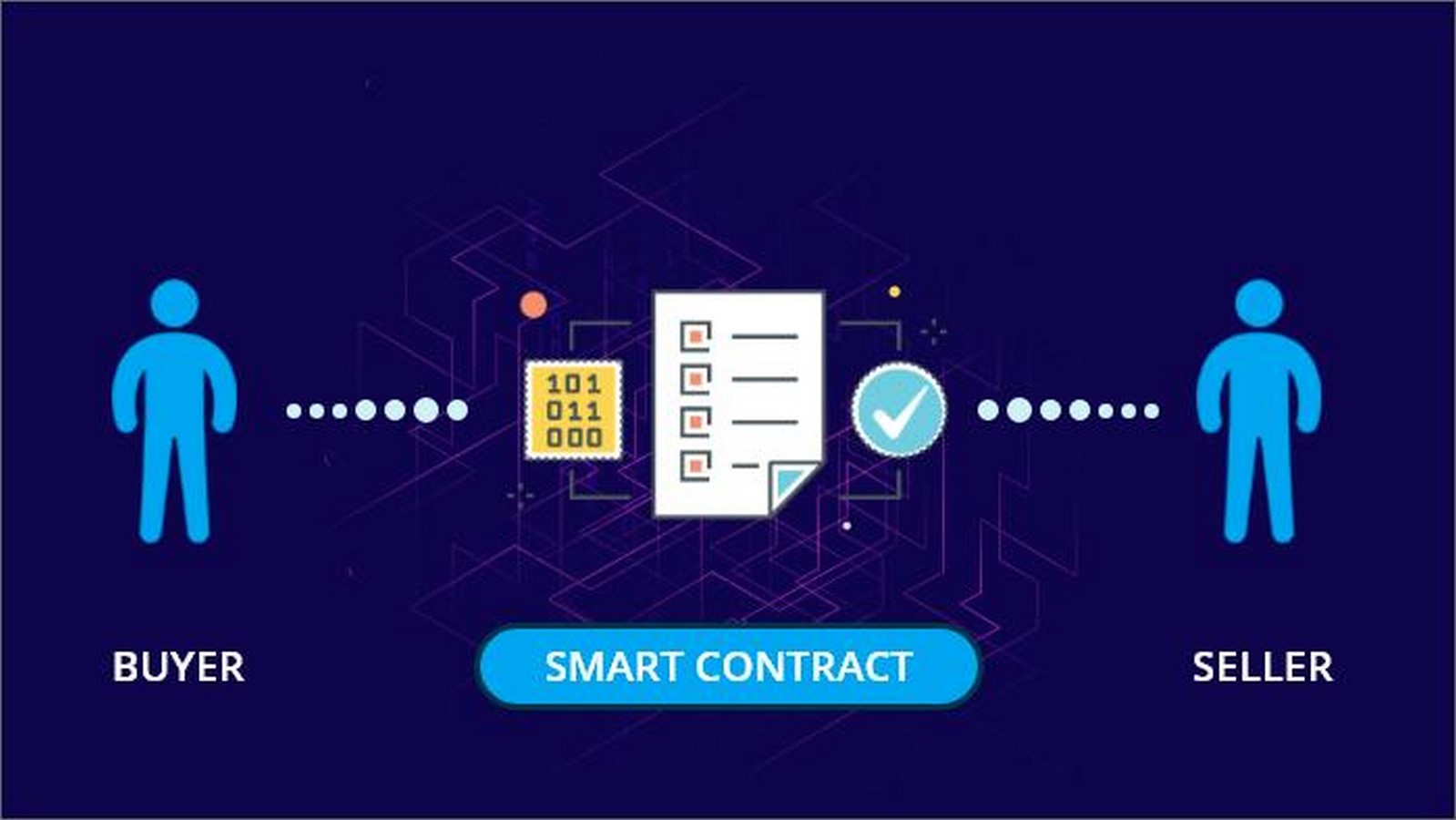
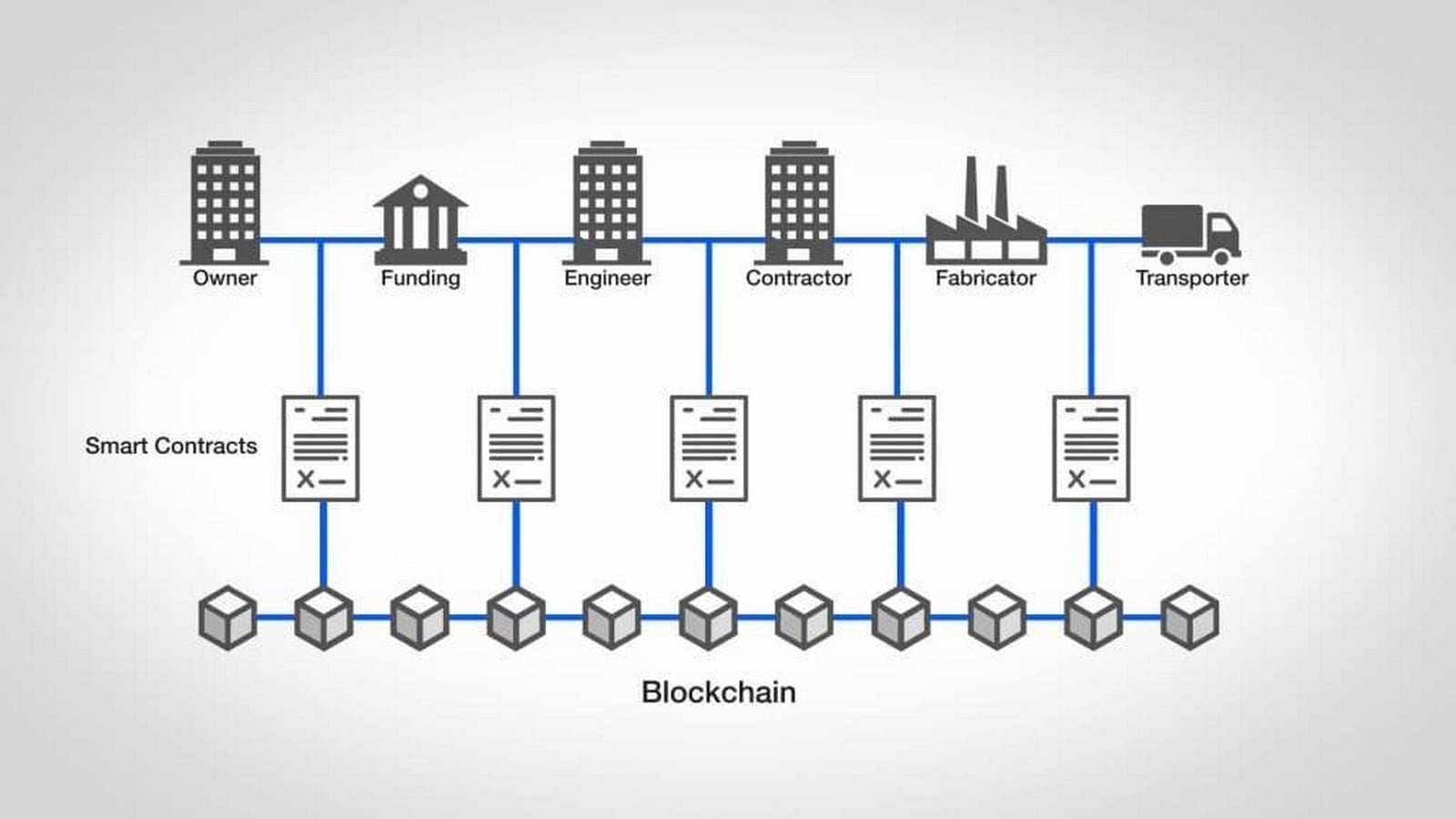
Traditional architectural contracts often involve multiple intermediaries, leading to inefficiencies, disputes, and payment delays. Smart contracts—self-executing contracts with predefined conditions—eliminate these pain points.
How It Works:
- An architect and a client agree on project deliverables, milestones, and payment terms.
- These agreements are coded into a blockchain-based smart contract.
- Once a milestone is completed and verified, the payment is automatically released without the need for intermediaries.
Benefits:
Eliminates Payment Delays: No more waiting for invoices to be processed; smart contracts ensure instant payments.
Reduces Legal Disputes: Smart contracts enforce terms without ambiguity.
Enhances Transparency: All parties can track contract progress in real time, reducing mistrust.
For example, a firm designing a commercial skyscraper can set up smart contracts with contractors, ensuring that work completion triggers automatic payments, eliminating the risk of non-payment or disputes.
- Securing Architectural Intellectual Property (IP) with Blockchain
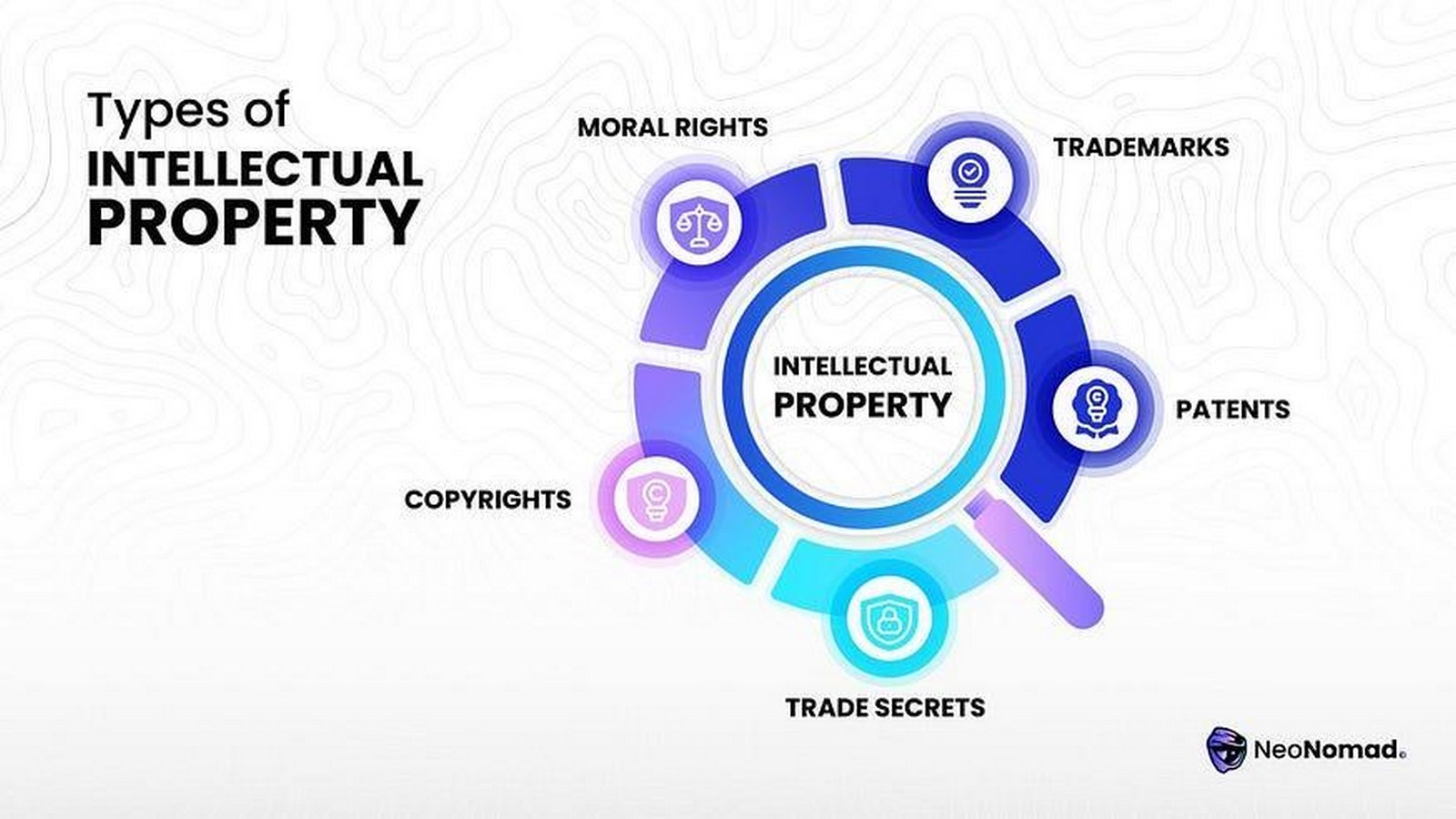
For architects, protecting design copyrights is crucial. In an industry where plagiarism is rampant, blockchain can act as a digital notary, proving authorship and preventing unauthorized usage.
How It Works:
- Architects upload their designs onto a blockchain ledger.
- The design receives a unique digital fingerprint (hash) that timestamps and verifies ownership.
- Any unauthorized alterations or copies can be traced instantly.
Benefits:
Immutable Proof of Ownership: Architects can prove their design ownership without relying on traditional copyright systems.
Prevention of Design Theft: Any alterations or copies of the design are immediately traceable.
Royalty Management: Architects can license their designs via blockchain, ensuring automatic royalty payments when their work is used.
For instance, a renowned architect who creates a sustainable housing prototype can tokenize their design on blockchain, selling licensed versions while maintaining ownership rights.
- Streamlining Architectural Project Management
Large-scale architectural projects involve multiple stakeholders, including contractors, suppliers, and regulatory authorities. Miscommunication and mismanagement can lead to delays and cost overruns. Blockchain provides a unified system where all stakeholders access real-time updates.
How It Works:
- Every project stage is logged on a blockchain ledger.
- Stakeholders can verify material deliveries, construction progress, and compliance reports in real-time.
- Automated workflows minimize paperwork and errors.
Benefits:
Enhanced Collaboration: Everyone in the project ecosystem is on the same page.
Improved Transparency: Every action is recorded, reducing corruption and mismanagement.
Reduced Costs: Less reliance on paperwork and middlemen lowers operational costs.
For example, in a large-scale metro construction project, blockchain can be used to track material procurement, ensuring that every batch of materials meets quality standards before payment is released.
- Tokenization of Architectural Assets
The concept of tokenization allows architectural projects and real estate assets to be divided into digital shares (tokens), enabling fractional ownership and investment.
How It Works:
- A real estate developer issues digital tokens representing ownership shares in a property.
- Investors can buy, sell, or trade these tokens in blockchain-based markets.
- Property ownership records are securely stored on the blockchain.
Benefits:
Democratizing Real Estate Investment: Small investors can own fractions of high-value properties.
Enhanced Liquidity: Unlike traditional real estate, tokenized assets can be traded instantly.
Reduced Bureaucracy: Blockchain automates transactions, eliminating the need for excessive paperwork.
A futuristic example would be a smart city project where urban infrastructure is crowdfunded through blockchain tokens, allowing individuals to invest in public spaces.
- Sustainable and Ethical Construction Practices
Blockchain ensures ethical sourcing of materials and sustainability compliance by creating a transparent supply chain.
How It Works:
- Every material used in construction is logged onto a blockchain ledger, tracking its origin and sustainability rating.
- Contractors and regulators verify compliance with green building standards.
- End-users can scan a QR code to access the building’s material history and environmental impact.
Benefits:
Verifiable Sustainable Sourcing: Reduces greenwashing and promotes ethical procurement.
Consumer Awareness: Buyers can verify if their homes are built using eco-friendly materials.
Regulatory Compliance: Ensures buildings meet environmental codes without manual auditing.
For example, an architectural firm specializing in bamboo-based housing can prove the sustainability of their projects using blockchain records.

The Future of Blockchain in Architecture
Blockchain is more than just a buzzword; it’s a transformative force in architectural contracts and design. Whether through smart contracts, intellectual property protection, project management, asset tokenization, or sustainable sourcing, blockchain is poised to revolutionize the industry.
While adoption is still in its early stages, architects, developers, and construction firms that integrate blockchain today will gain a competitive edge in the future. The days of lengthy contract disputes, design theft, and opaque project management are numbered—blockchain is here to build a more transparent, efficient, and ethical architectural industry.