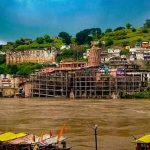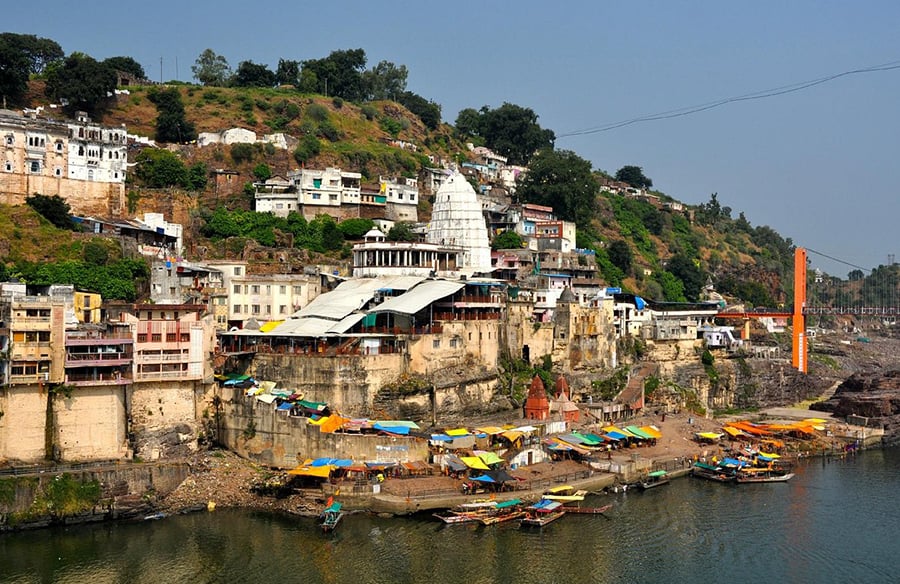
Omkareshwar Temple in Madhya Pradesh is dedicated to Lord Shiva and is one of the twelve Jyotirlingas. Oops! The temple is situated on an island, Mandhata, remarkably shaped like the holy Hindu sign “Om,” which adds to its meditative presence. Omkareshwar Temple has transformed from a royal heritage building to a market of pilgrimage & tourism. In this article, we delve into the architectural style of the temple, its historical significance, and its potential for shaping the urban fabric and architecture of the region besides assessing its cultural and social significance for the local community.
The Architectural Grandeur of Omkareshwar Temple
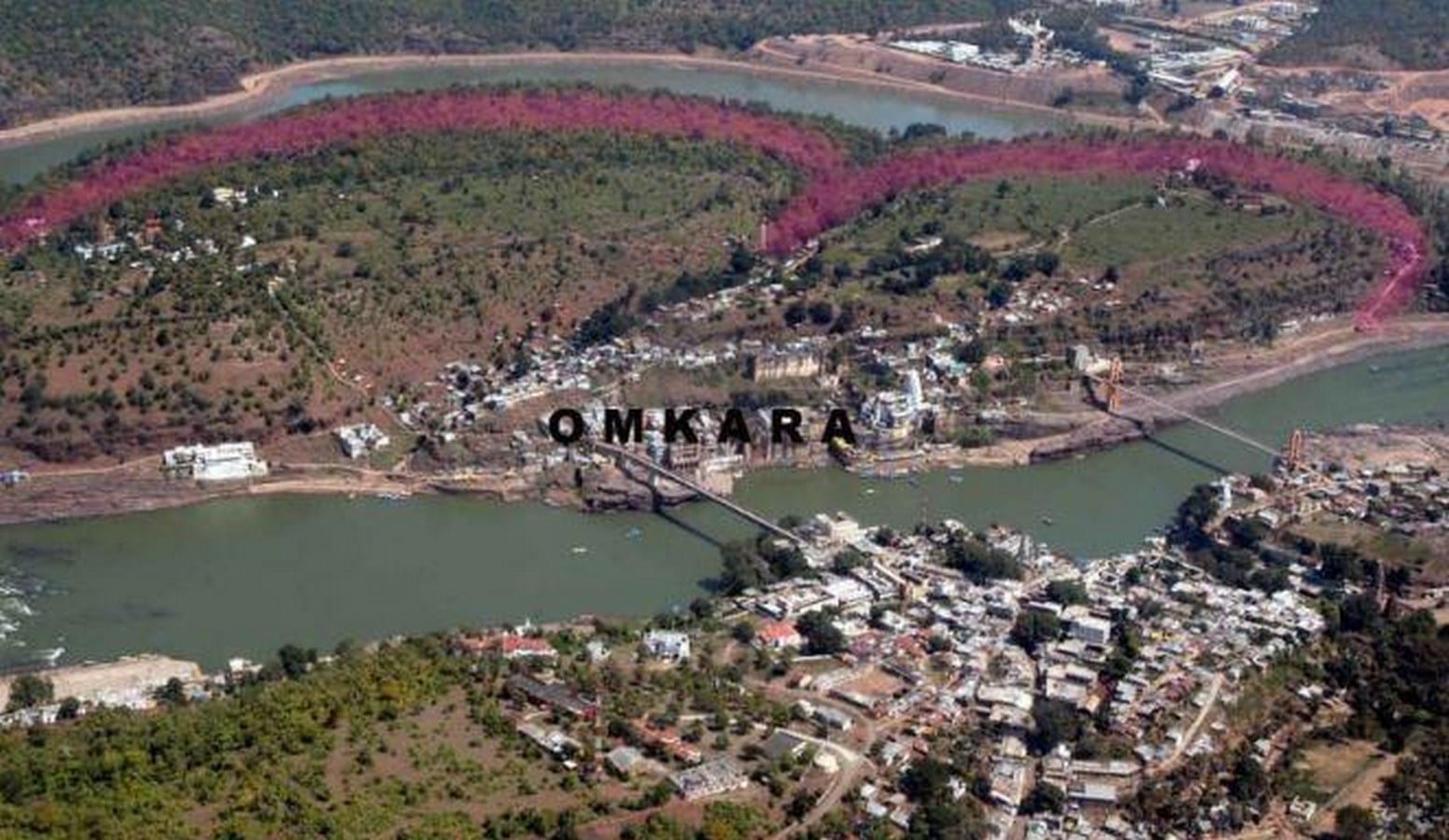
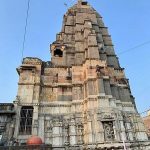
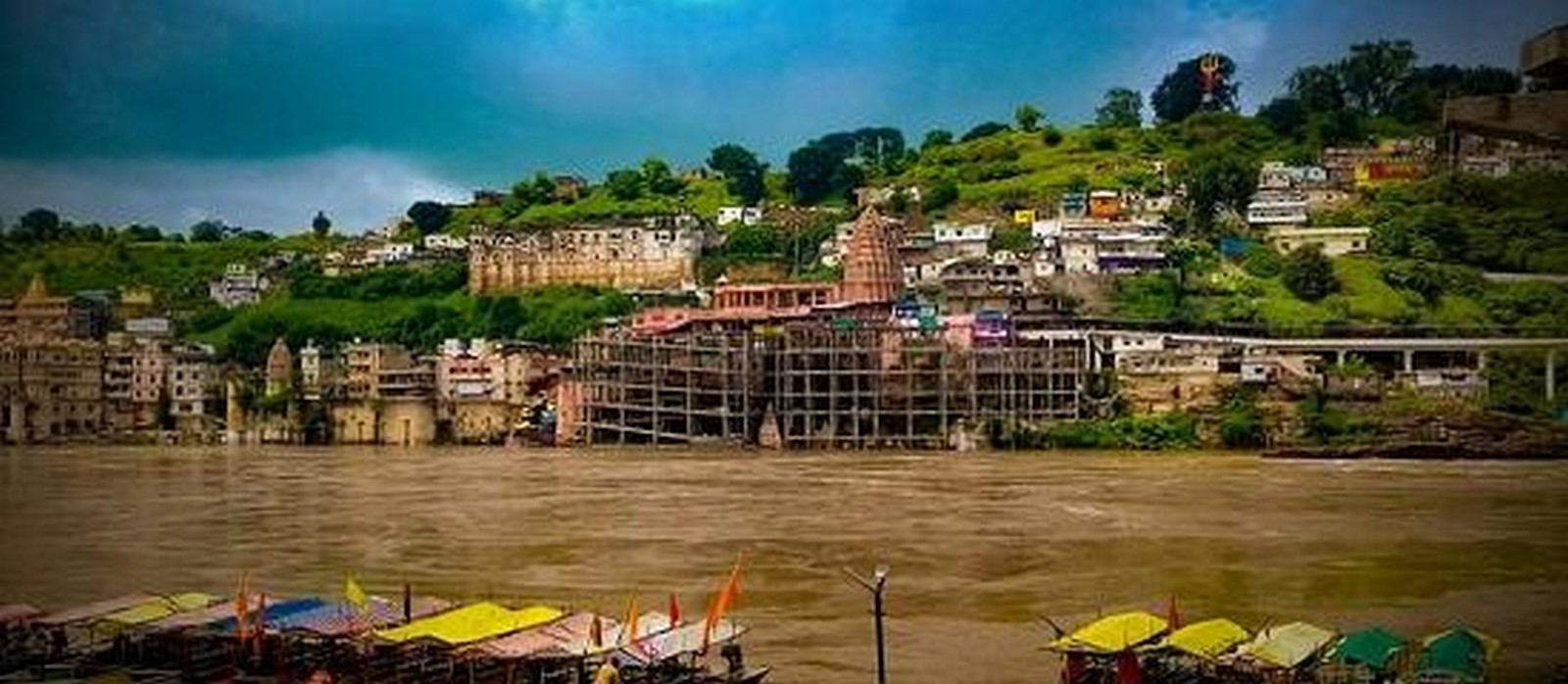
The Omkareshwar Temple is located in North India and the Nagara-style architecture. Constructed using locally sourced sandstone, the temple is decorated with meticulous carvings, soaring spires, and finely carved statues that successfully depict Hindu mythological stories. The primary renowned Jyotirlinga, which signifies Lord Shiva’s unending aspect, is located in the sanctum’s core (Garbhagriha). Along with the shrine, the shikhara, superstructure, and mandapa, pillars are crafted in Hindu temple design, demonstrating the advanced level of artistry and religion in that period. Apart from architectural beauty, there is a deeper meaning. Why is shikhara curvilinear? It is curvilinear to symbolize the cosmic axis, serving as a bridge between the earthly and cosmic worlds. The temple has detailed carvings depicting events from the Puranas and other ancient scriptures, making it an invaluable part of Indian mythology and culture. Scholarly research also suggests that travel to the temple by boat or bridge is isolated in itself as a form of pilgrimage. The temple is situated on Mandhata island. Traveling to the temple singularly bolsters the emotional connection the worshippers feel towards God.

Historical Significance and Royal Patronage
Some references made by ancient Hindu texts like the Skanda Purana indicate the origins of Omkareshwar Temple. According to several historical sources, this temple was patronized by several reigning dynasties, including Paramaras, Marathas, and Holkars, which greatly influenced the design and heritage of the building.
In the 9th to 13th centuries, when the Paramara dynasty was ruling, Omkareshwar Temple was a major destination for pilgrims. With every new ruler recognizing its religious significance and investing in its maintenance, its prominence grew. Important renovation efforts were then carried out during the Maratha era to guarantee the temple’s ongoing significance and preservation. By far the heaviest task lay in the control of engineers from Holkars of Indore, who one might say better than Queen Ahilyabai Holkar is recognized for her pioneering restoration work in many historic Indian temples. Her work contributed to the restoration of the dilapidated structures of the temple and provided the temple with a new, aesthetic form, restoring the temple to ensure that it continues to serve as a major religious site.

As a museum of old Indian art and architecture, the temple possesses site value and royal patronage values. The surviving sculptures and inscriptions have been fractured over centuries and they give us insights into the sociocultural history of medieval India. The transformation from a primitive shrine into an institution, from a temple, expresses the kinetic transformation of geopolitical desire and religious fervor of the historical age.
Omkaeshwar Temple’s Contribution to the Town’s Growth
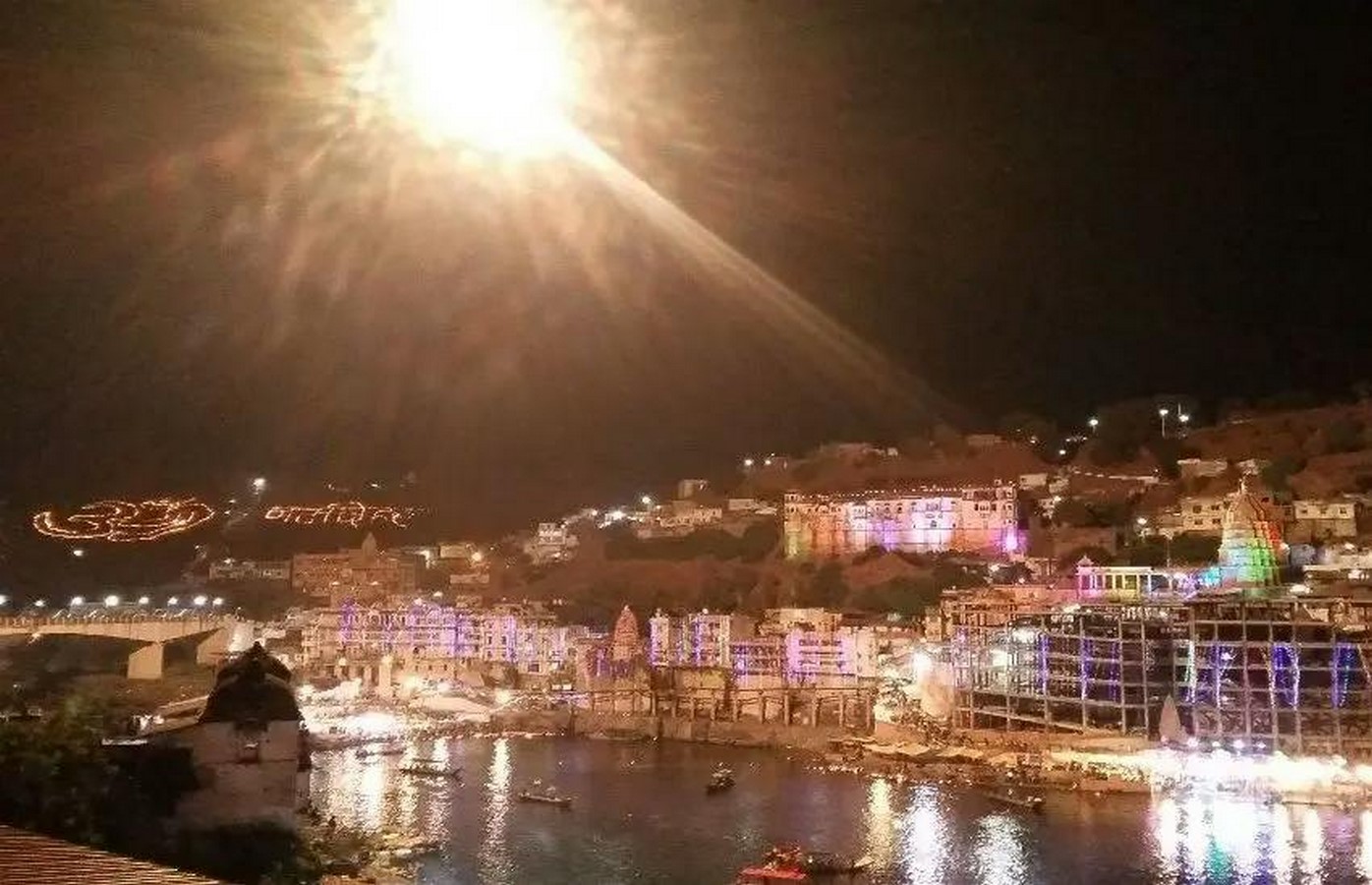
Apart from serving religious needs, Omkareshwar Temple has also influenced the urban development of the town that lies in its proximity. Over time, people have settled around the temple to cater to the different needs of pilgrims as well as to the tourists. This organic growth has boosted the local economy and has made the region a hotspot for religious tourism. The area has seen a substantial increase in the number of hotels, Dharamshala, restaurants, and shops that cater to the needs of devotees. The local infrastructure including roads, bridges, and ghats is being developed constantly to accommodate the growing number of tourists.
Perennial festivals and festive celebrations drawing visitors, like the magnificent Maha Shivaratri festival, transform the small town into a live town. Tens of thousands of visitors attend these festivals and thus these festivals are an important part of the local economy and community development. The urban population existing in the temple area of Hinduism Omkareshwar Temple is a highly heterogeneous and composite collection of age and modern infrastructure. The temple is the focal point of social, economic, and cultural life. Therefore, concerning the place of worship itself, the Omkareshwar Temple is an engine of economic and urban regional growth and its effects are international, from the local council to the community.
Architectural Style of the Temple: Relevance To Its Era
The Omkareshwar Temple in Nagara style is an example of the predominant style of temple construction in Medieval Northern India. This style features a beehive-shaped shikhara that magnificently rises over the sanctum. Additionally, the temple’s architectural elements suggest the Omkareshwar Temple’s designers were very skilled for they aligned ancient art with technology. Ancient temple builders had an excellent understanding of cosmology as seen in the temple’s layout about specific astronomical events and cardinal directions.
In addition, architectural elements of the temple, such as symmetry, proportion, and balance, refer to the focus of the age on spiritual equilibrium and order. Due to the strategic location of the temples as located on an island, they acquire strong spiritual power. The meaning, inscribed on the Om-shaped island, is not necessarily of topographical significance, however, is a historical, socialist, social convention, and religious, and all these latter attributes can also be factored into the meaning of the island of Avoreen. It is also described that, based on the design of the islet, the potency of the temple shall be increased and a reverent, prayerful, and meditative atmosphere will be created. So the architectonics of the Omkareshwar Temple, not only reveal the historical fact but also reveal the religious agreements and the cultural pacts of that era.
Impact of Omkareshwar Temple on Culture and Society
Despite its beauty, the Omkareshwar Temple is not only a symbol of culture, it is also making a great contribution to local identity. The temple is a focal point of religious education and spiritual discussion and attracts academic scholars, clergy, and pious people from all over the country. Several people even go to that temple to study Vedas, participate in the ceremony, and even have a dialogue with ritualistic and ancient spiritual things that they are duty bound to protect 20. At the temple town, the craft market by the local artisans is growing up.
In addition to the protection of integumentary art practices, the making and selling of traditional arts and crafts (paintings, sculptures, and souvenirs) serves to sustain local economies. The cultural importance of the temple is also accentuated by its association with the Narmada. One such revered pilgrimage is the Narmada Parikrama which is a river circumambulation highlighting the Omkareshwar Temple. In addition to emphasizing the reputation of the temple as a site of worship, this ceremonial tour integrates the temple into the larger fabric of local cultural customs.
The temple significantly impacts the many annual community fairs and celebrations. These activities allow cross-cultural interaction and the strengthening of local identity because, after all, it is a community celebration. To ensure that the temple’s legacy inspires and teaches future generations, they provide for the passing down of dances, music, and traditional storytelling.
The Omkareshwar Temple is representative of India’s vast architecture and cultural heritage. On top of being a temple for centuries of religious practice and royal patronage, its ornate, highly decorated Nagara-style architecture has also turned out to be one of people’s favorite places of worship. Touching upon the aesthetics of the temple aside, the temple has contributed in an important way to the local economy, urban planning, and the continuity of culture and community.
The temple continues to attract visitors and adherents not only due to its advantageous location and beautiful craftsmanship but also to its spiritual energy. Omkareshwar Temple will undoubtedly be an experience for future generations, provided of course, that the conservation and restoration work is not abandoned, that the temple retains its historical provenance and does not stray from it, and that it serves as a living icon.