Architecture is a form of art that witnesses changing times, making living architecture a transformative experience. Architects are creators and custodians of each project. This ever-present role drives the fraternity and is the foundation for timeless living architecture.
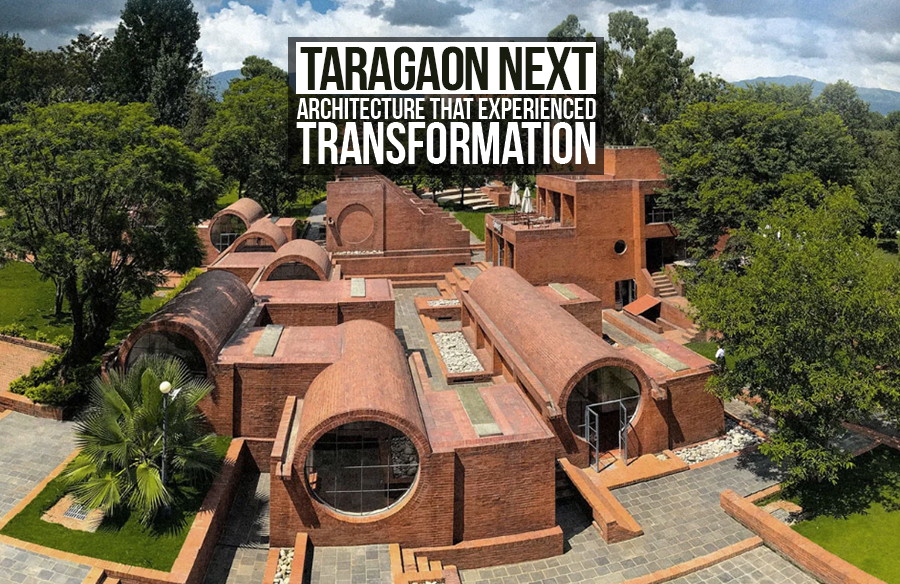
Divided into various specifications, architecture offers a concept called Adaptive reuse of buildings where old architectural marvels are refurbished giving them a new function and purpose while preserving the essence of the authentic design. Taragaon Next situated in Kathmandu, Nepal is one such building that has passed the tests of time and has been thriving ever since serving different purposes throughout all these years.
Historical Context
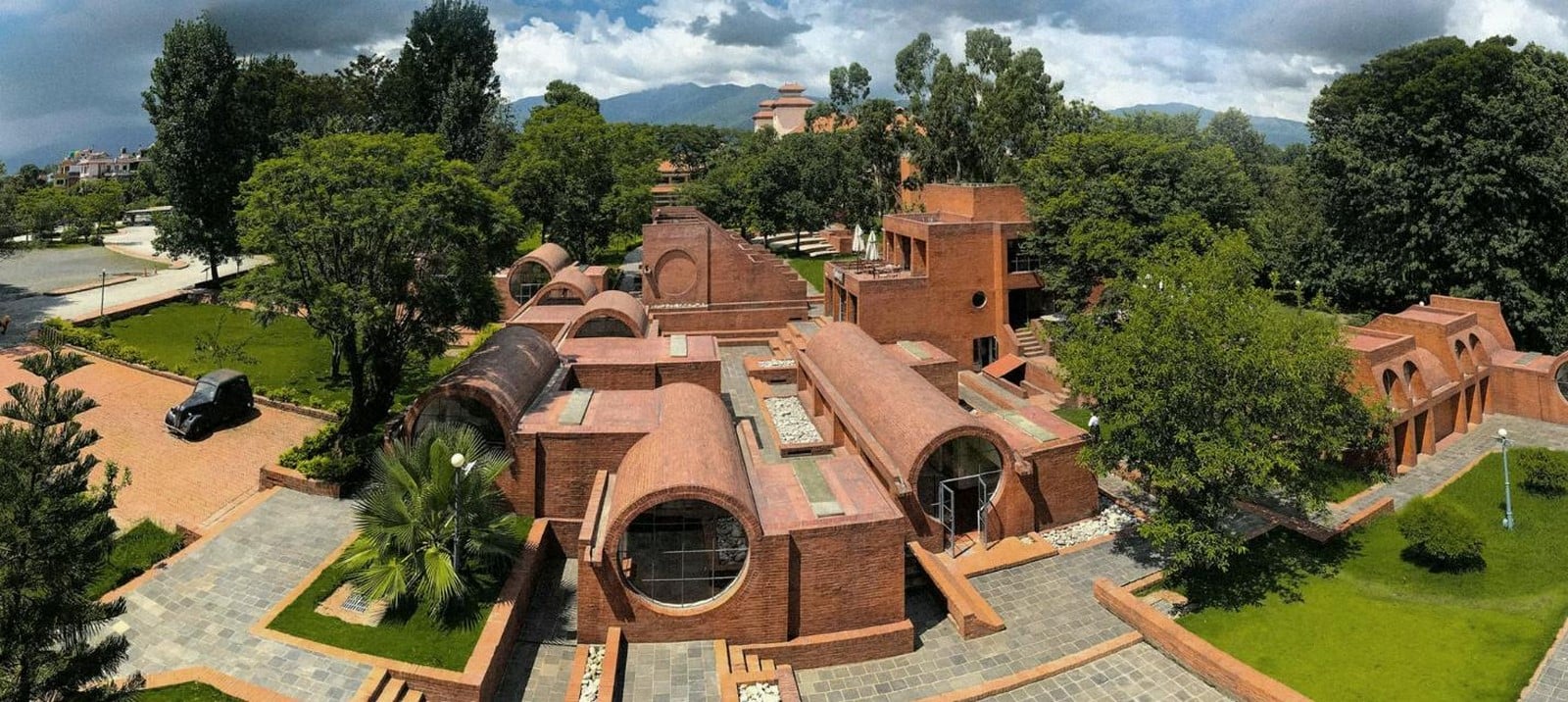
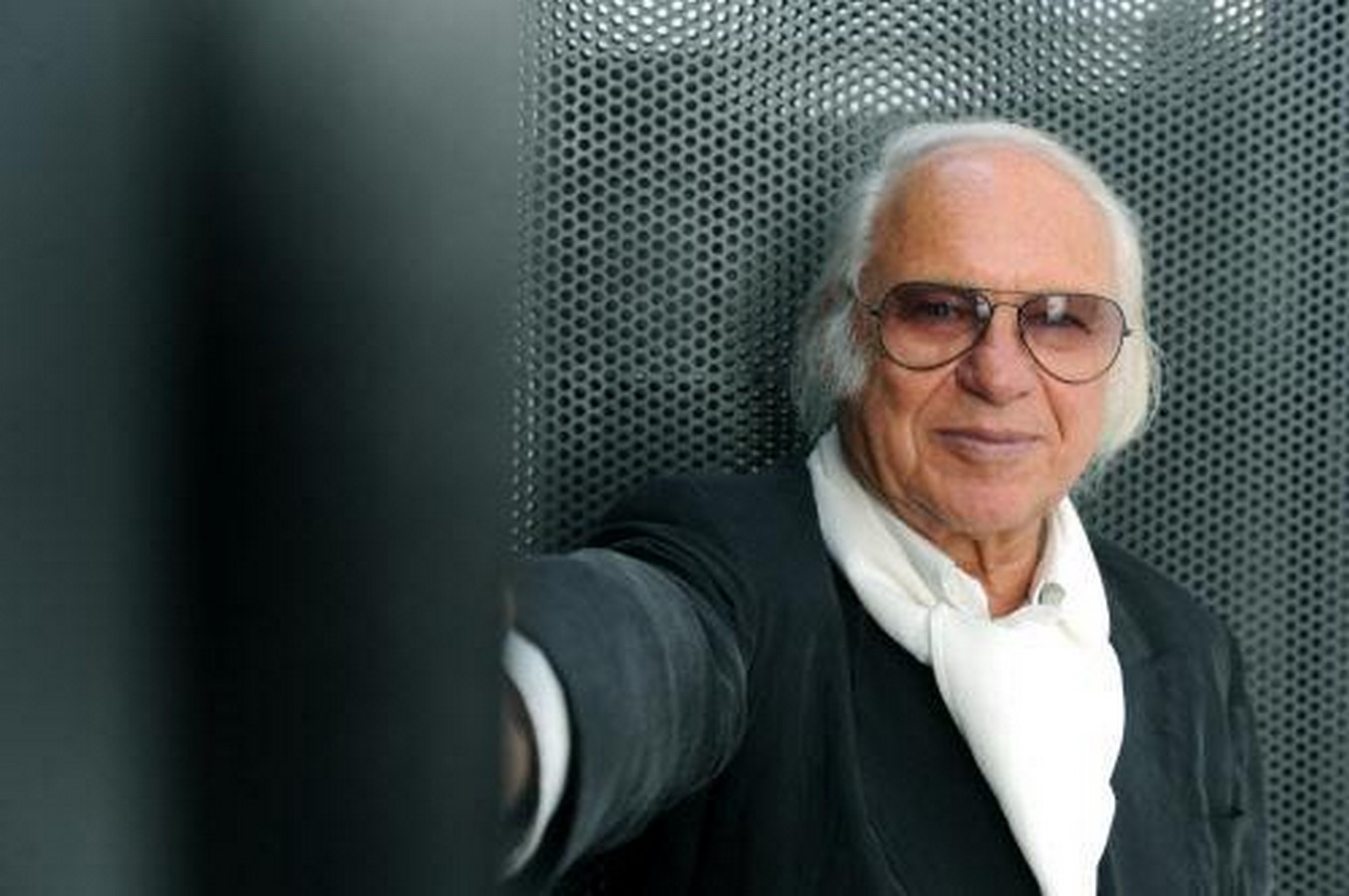
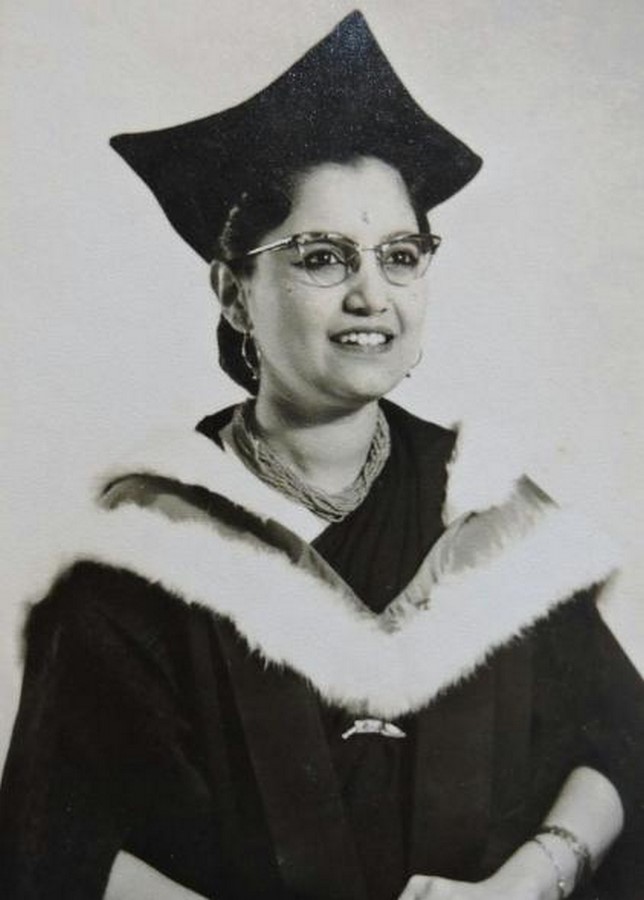
Originally designed by Ar.Carl Pruscha in 1970 as the Taragaon Hostel, the Museum today is a cluster of seven buildings that form a centre for the appreciation of Nepal’s artistic and architectural history. Back in 1968, Angur Baba Joshi, the former chairperson of Nepal Women’s Organization had a vision to promote Nepal Tourism through architecture that reflects culture yet is modern. In 1969, a land of 178000 SQ.M of almost unproductive land between Chabahil and Bouddha through a proper notification in the Government Gazette was transferred to the Nepal Women’s organization and was then allotted for the project. In 1970 Angur Baba happened to meet Carl Pruscha, an Austrian architect serving as an advisor to the Town Planning. Once under a United Nations Development Program (UNDP) project, Pruscha voluntarily supported her efforts and designed the hotel village.
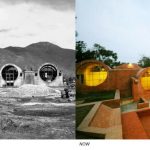
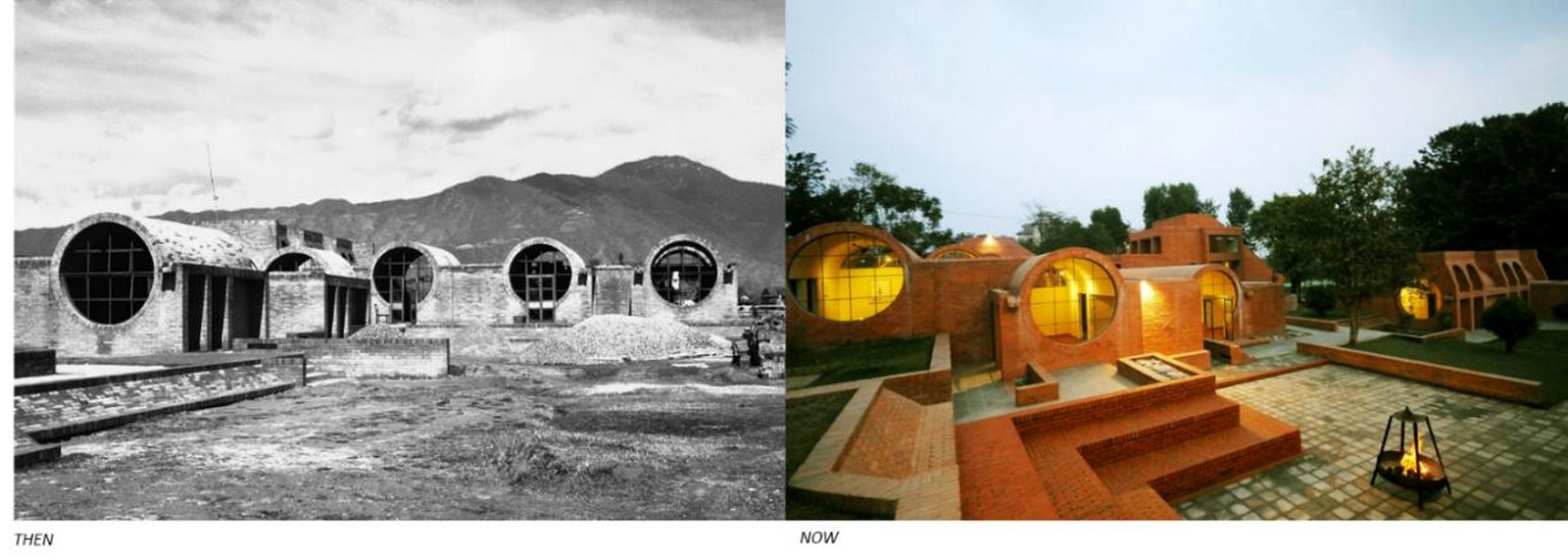
The project served as a hotel and then a casino for the longest time, and it was later temporarily closed. The property was rescued by hotelier and philanthropist Arun Saraf who also owns the adjacent Hyatt hotel, and was revived to honour Kathmandu’s architectural history. In 2009 the conservation team of Natasha Mittal Saraf, Ar.Niels Gutschow, Ar. Thomas Schrom restored the structure mindfully after nearly two decades of dilapidated despair followed by its doors opening for the public in 2014. After the pandemic in 2020, the Saraf Foundation decided to re-think the purpose of the building and incorporated ideas of a global, inclusive, experiential cultural centre that was a framework to propel the cultural ecosystem of Kathmandu moving towards its future.
The Architecture
Taragaon’s design is essentially transcultural. Inspired by the barrel-vaulted shelter buildings along the Ghats, Taragaon’s architecture incorporated central Asian and later Mughal elements, and the Ranas turned to Neo-Classicism.
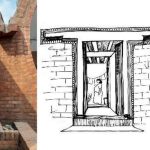
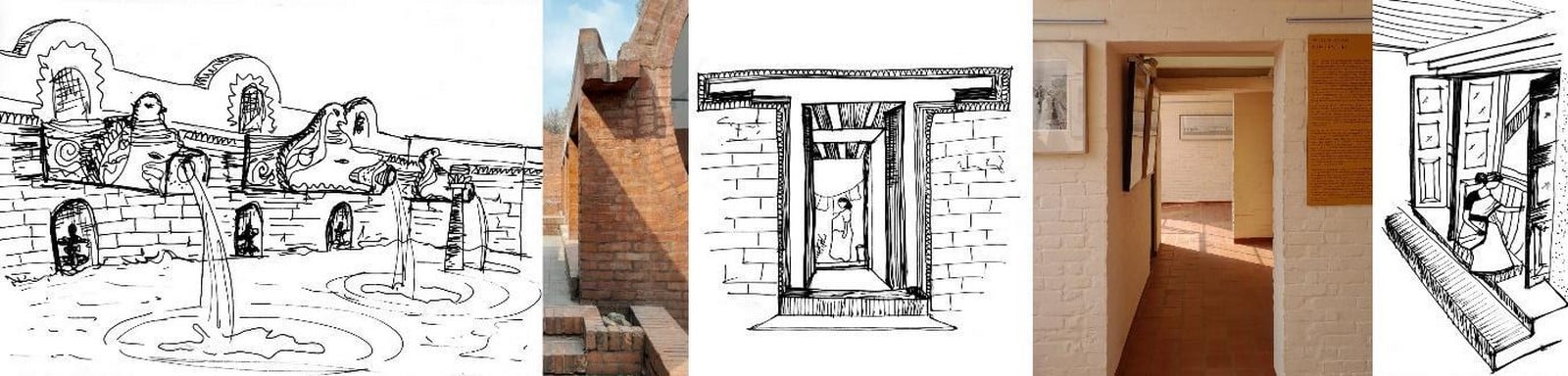
The architect was deeply inspired by the Newari Architecture and ethnic roots taking inspiration from Newari traditional building elements. Cultural references from old Newari households such as windows with seating, Low height entrances and hitis/dhungedharas were evident in the design that harmoniously intertwined with a hint of modern touch.
Building Blocks
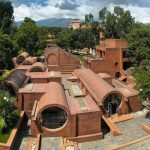
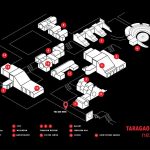
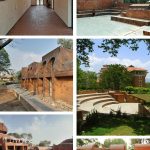
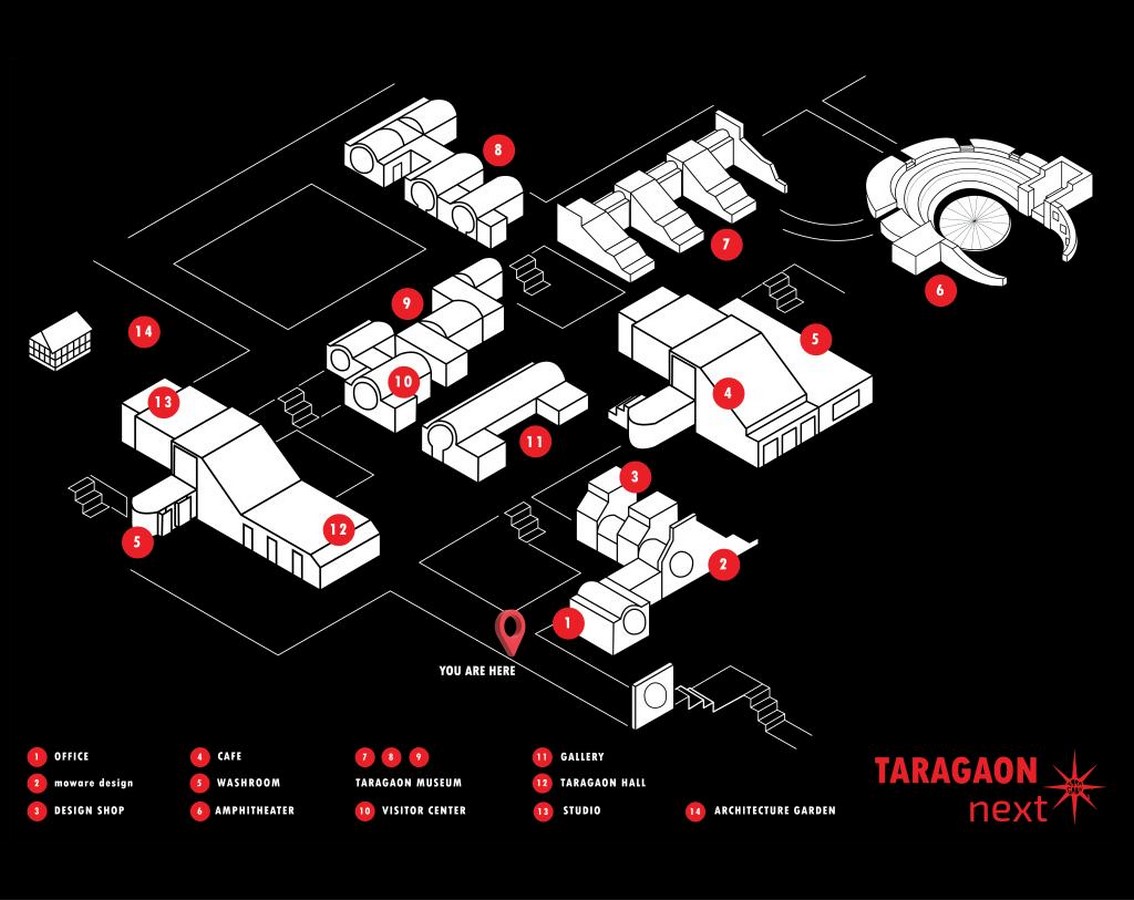
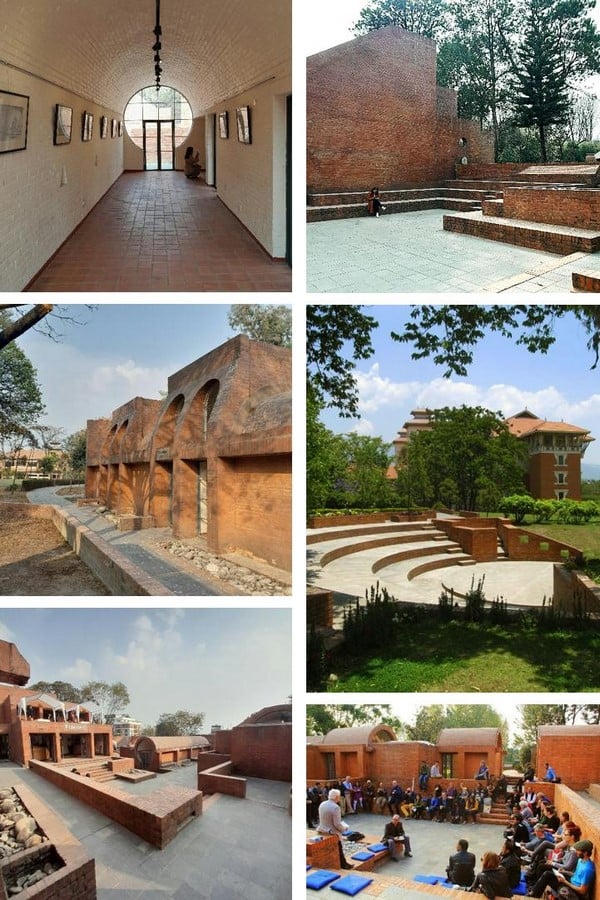
The complex comprises seven geometric red-brick built blocks that house a museum, a gallery, a design store, a sculpture garden, a studio, a hall, an amphitheatre and a café all of which are horizontally sprawled in a serene dry green landscape at various site levels that create a dynamic play between indoor and outdoor spaces. The design is very grasping in terms of utilization of natural light and ventilation enhancing visual connectivity and volume of interior space following the function of the block.
The Retrofitting
The primary building material of the complex was brick due to its ease of availability. Mortar,Cement and Glass were the other construction materials of the original building. It is very interesting how after decades of erosion, the building still stands strong and steady with minimal retrofitting mostly only in the structural beams and columns. During the restoration of the project, MS beams and columns were added at desired places for structural integrity and all wooden frames, doors and windows were replaced by aluminium doors and windows along with the glazed façade. The flooring of certain spaces at the ground level was renovated using teleitta- a local oil-glazed brick otherwise preserving Ar. Prusha’s authentic architecture.
Design Inferences
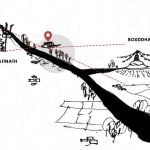
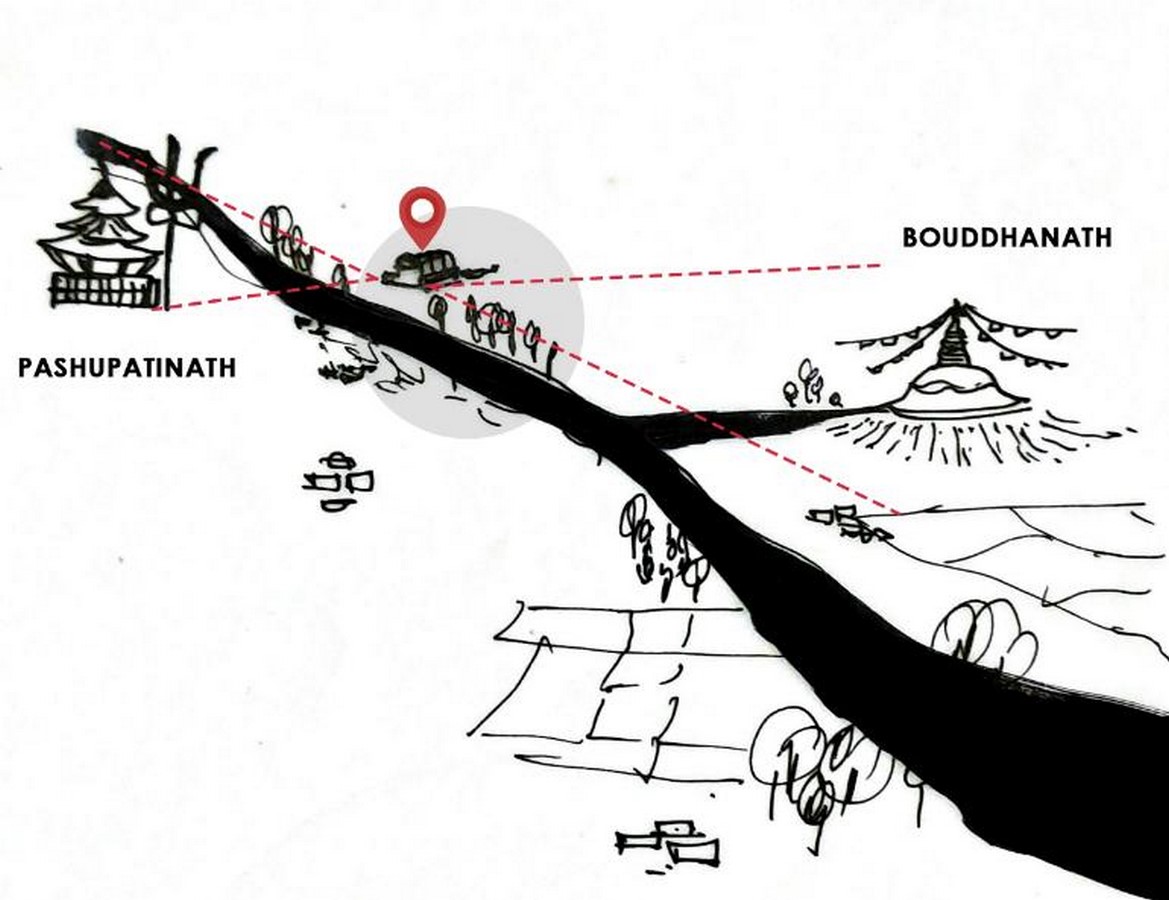
The design beautifully gels with the natural terrains of the site location. Going back in time when Kathmandu was a peaceful valley with almost negligible hustle and bustle, no urban sprawl or concrete jungles, the mindful orientation of buildings was astoundingly appreciable such that nearby landmarks from the site were directly visible from different blocks of the complex.
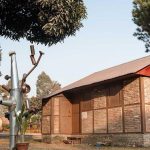
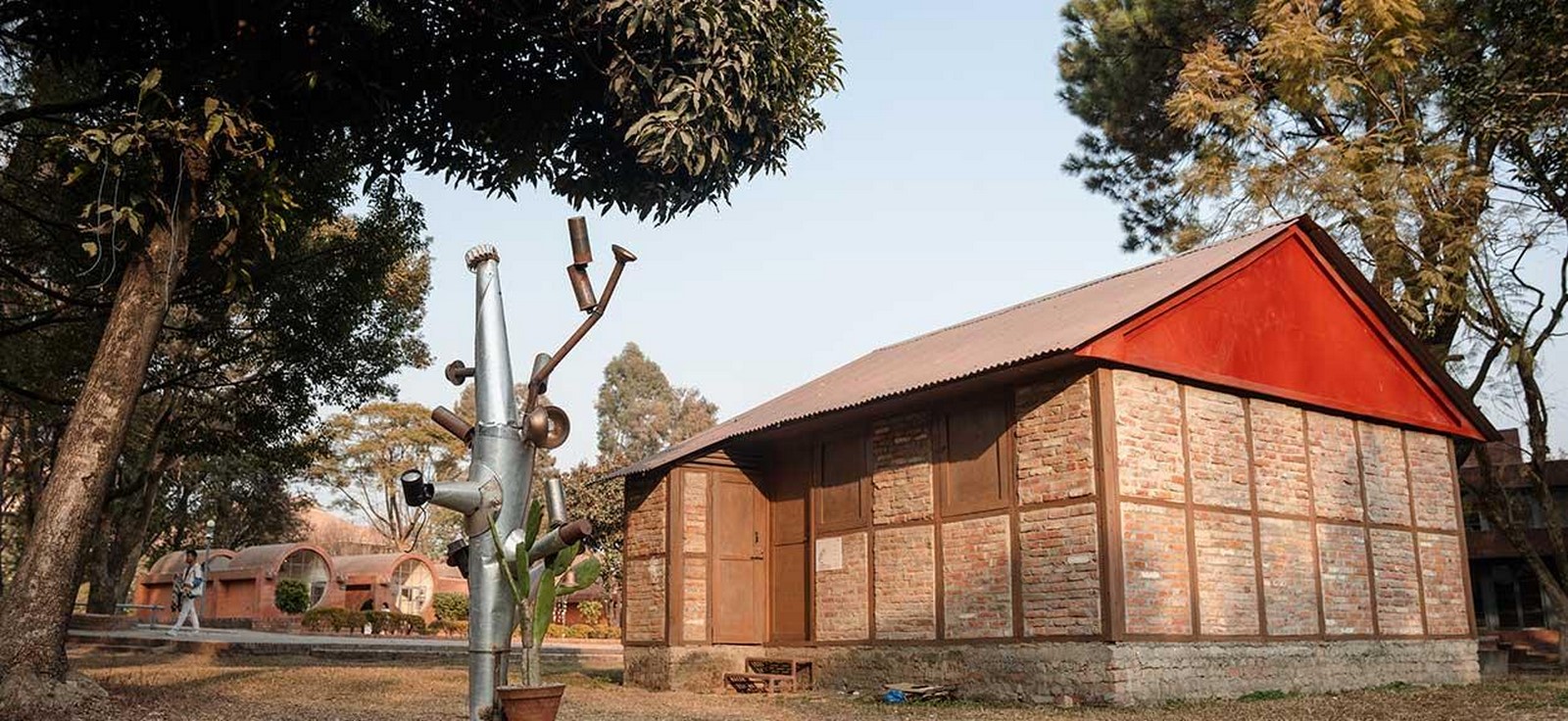
Each level was interactive and unique in its function. However, access ramps were absent in the original proposal. The project tunes itself to earthy undertones and the restoration respects the authenticity of its design and architecture. Regardless of its uniquely engaging design, incorporating universal design aspects and accessibility could shed light towards room for betterment. Additional studio space designed by Pritzker Prize winner Japanese Architect Shigeru Ban in 2015 after the devastating earthquake in Nepal pays tribute to a resilient prototype of vernacular architecture which too harmoniously blends in with the design of Taragaon’s earthy fabric.
The project’s holistic and flexible design is evident by its adaptive ability to serve different purposes over decades. It is a beautiful expression of passing down living architecture through generations and an exemplary portrayal of sustainable design painted through strokes of adaptive reuse of buildings that can inspire a continual green approach in architecture and design.
Reference:
- Pintos, P. (2024). Carl Pruscha, an Architect Investigating Overlooked Territories. [online] ArchDaily. Available at: https://www.archdaily.com/957728/carl-pruscha-an-architect-investigating-overlooked-territories [Accessed 9 Feb. 2025].
- Taragaonnext.com. (2025). Taragaon Next. [online] Available at: https://taragaonnext.com/ [Accessed 9 Feb. 2025].
- Reddit.com. (2018). Reddit – Dive into anything. [online] Available at: https://www.reddit.com/r/Nepal/comments/hcnscx/mrs_angur_baba_joshi_among_the_first_female/?rdt=47809#lightbox [Accessed 9 Feb. 2025].
- Pramanik, A. (2025). Newari Design Reference Sketches.