Welcome to the Future—Where Your House Might Just Save Your Life
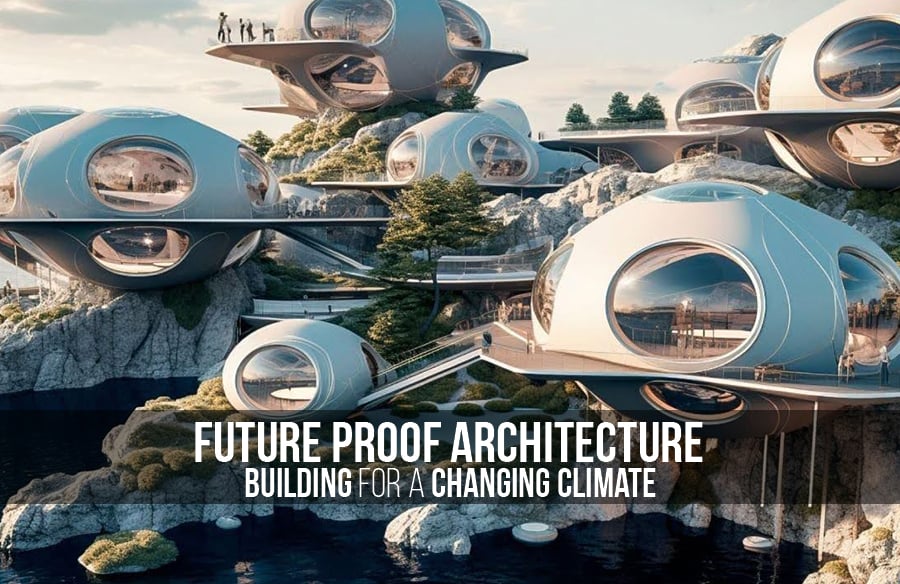
Imagine this: It’s the year 2050. You wake up, stretch, and glance out the window—except your window is now a giant glass dome, designed to withstand 200 mph hurricane winds. The streets outside are no longer paved with concrete but lined with water-absorbing tiles that prevent flooding. Your neighbor’s house? It’s literally floating.
This isn’t some wild sci-fi fantasy. It’s the future of architecture, built for a world where climate change isn’t some distant threat—it’s happening, right here, right now.
The way we design buildings today will determine whether our cities sink, burn, or thrive in the decades to come. And honestly? The old way of building just isn’t cutting it anymore. So, what’s the solution? Enter problem-solving architecture—a fancy way of saying, “Let’s build smarter so our homes don’t betray us when things get rough.”

Why Our Buildings Are (Kind of) Failing Us
Let’s be real: Most of the buildings we live and work in weren’t designed with extreme heatwaves, hurricanes, rising sea levels, or wildfires in mind. Our cities are full of glass-and-concrete ovens that trap heat, homes that crumble at the first sign of a flood, and urban layouts that make traffic jams worse (not exactly helpful when there’s an evacuation).
We’ve been treating architecture like it exists in a vacuum—like the weather will always behave and nature won’t fight back. Spoiler alert: Nature is fighting back. And if we don’t change the way we design our buildings, we’re going to be in some serious trouble.
But don’t panic just yet—architects and designers are already coming up with insanely creative solutions to future-proof our homes, offices, and cities. And some of them are so cool they’ll make you wish the future was already here.
How Architecture is Fighting Back
- Floating Houses—Because Water Isn’t Going Anywhere
You’ve probably heard the stats: Sea levels are rising, and entire coastal cities could be underwater in the next few decades. But instead of building more flood walls (which don’t always work), architects are asking, “Why fight water when you can float on it?”
Enter amphibious houses—homes built on floating platforms that rise with the water and settle back down when it recedes. No flooding, no damage, no problem.
Real-Life Example: Floating Neighborhoods in the Netherlands
The Dutch, who have been battling rising water for centuries, are way ahead of the game. They’re already building floating neighborhoods, complete with houses, roads, and even gardens that move with the water.

- Beating the Heat Without Air Conditioning
You know that feeling when you step outside in summer and the air feels thick enough to chew? Yeah, that’s urban heat islands at work. Cities absorb heat like a sponge, making them significantly hotter than surrounding areas.
So how do we cool down cities without cranking up the air conditioning and making climate change worse? Architects are turning to passive cooling—natural ways to keep buildings cool without using energy.
Green roofs and vertical gardens: Cover a building in plants, and suddenly, it acts like a natural air conditioner.
Self-cooling materials: Some futuristic buildings are made with special materials that absorb heat during the day and release it at night.
Wind-catching towers: Borrowed from ancient Persian architecture, these towers channel cool breezes into buildings, reducing the need for air conditioning.
Real-Life Example: Al Bahr Towers in Abu Dhabi
These towers literally adjust to the sun. Their smart facade opens and closes like a sunflower, blocking heat when it’s too hot and letting in sunlight when it’s cooler. The result? They use 50% less energy than a regular skyscraper.

- Homes That Can Withstand Hurricanes
Hurricanes are getting stronger, and yet… we still keep rebuilding homes exactly the same way after every disaster. That’s like falling off a bike and getting back on without fixing the brakes.
Some architects are finally saying, “Enough is enough.” The solution? Aerodynamic buildings—structures designed to let hurricane winds flow around them instead of knocking them over.
Rounded, dome-shaped houses: No sharp edges = less wind resistance.
Stronger, flexible materials: Some new homes are made from ultra-durable materials that bend instead of break.
Elevated foundations: Keeping homes above flood levels means water can pass underneath instead of destroying everything inside.
Real-Life Example: The Dome Home in Florida
This dome-shaped house survived Hurricane Michael while almost everything around it was flattened. The key? Its smooth, curved design that lets wind glide right over it instead of tearing it apart.

- Houses That Power Themselves
Imagine never paying an electricity bill again. Sounds like a dream, right? Well, some architects are making it happen by designing off-grid, self-sustaining homes that don’t just survive climate change—they thrive in it.
Solar-powered everything: Some homes generate more electricity than they use, meaning they can even sell extra power back to the grid.
Rainwater collection & purification: Why rely on city water when you can harvest and filter rainwater yourself?
Built-in farms: Some futuristic homes include hydroponic gardens so you can grow your own food—no backyard needed.
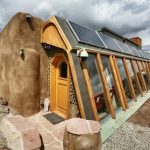
Real-Life Example: Earthship Homes in New Mexico
These homes, made from recycled materials, are completely self-sufficient. They generate their own power, collect their own water, and grow their own food.
The Future of Architecture is Straight-Up Mind-Blowing
We’re only scratching the surface. Some of the wildest ideas for future-proof architecture include:
Self-healing buildings: Materials that repair their own cracks using bacteria (yes, really).
Underground cities: If heatwaves get worse, we might start living underground like futuristic hobbits.
3D-printed homes: Entire houses can now be printed in less than 24 hours, reducing construction waste and costs.

Final Thoughts: Is Your Home Part of the Problem or Part of the Solution?
Here’s the harsh truth: The way we’ve been designing buildings isn’t working anymore. The climate is changing whether we like it or not, and architecture needs to change with it.
We have two choices: Keep building the same way and watch our cities struggle—or start designing smarter, stronger, and more adaptive spaces.
The good news? The future of architecture is already here. The only question is: Are we ready to embrace it?