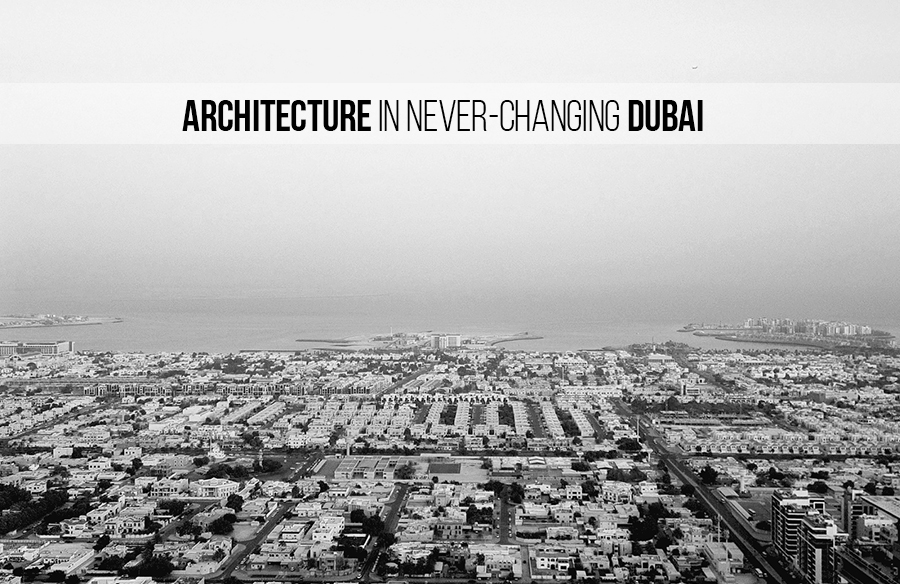
What makes a city like Dubai unique is that its built environments are anchored in a spectrum of modalities. From the dwellings of the nineteenth-century Al Bastakiya neighbourhood to the continual additions to the city’s glittering skyline, the cityscape never suffers a shortage of architectural spectacles. However, Dubai’s urban fabric is in constant tension, seemingly torn between the sprawl and splendour of residential complexes and the never-ending need for retail and leisure spaces. This tension is further aggravated by heavily car-centric planning, which has seeped into the culture of Dubai’s populace.
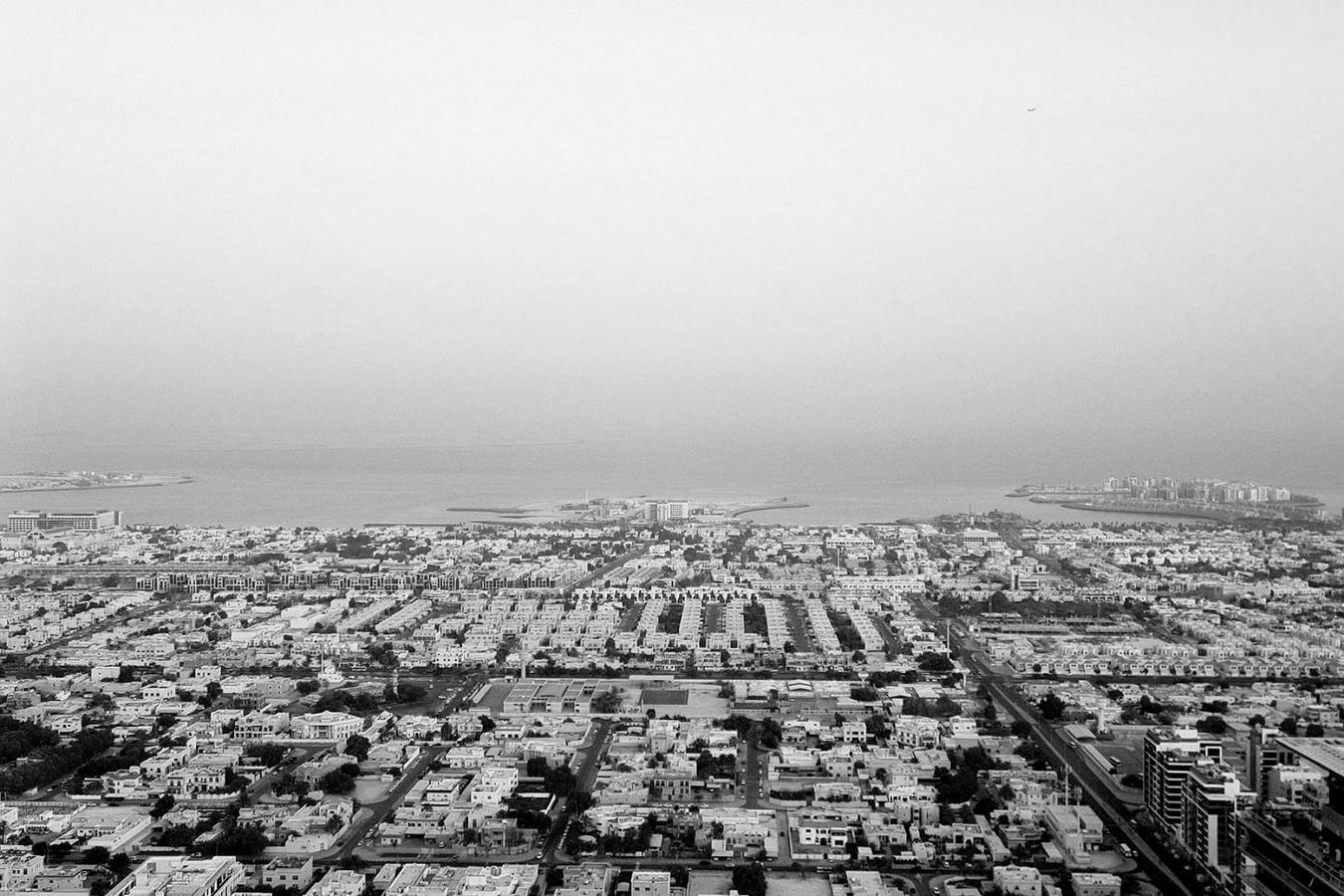
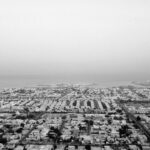
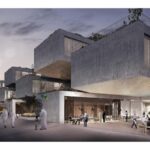
It can be argued that the complex road network can often hinder accessible connectivity rather than enable it. There is a sure scarcity of walkable mixed-use areas within the city that are regularly serviced by public transportation, primarily due to the latest development trends in this region. A proposal like the Zig-Zag Dwellings by X-architects can mitigate the shortcomings of said development trends, by uniquely meshing retail and residential uses in an innovative form. Situated in the iconic Jumeira neighbourhood with a built-up area of approximately 35,000 square meters, this concept rethinks the dynamic between the leisure and residential aspects of what is considered the heart and soul of the city.
Interweaving as a Design Philosophy
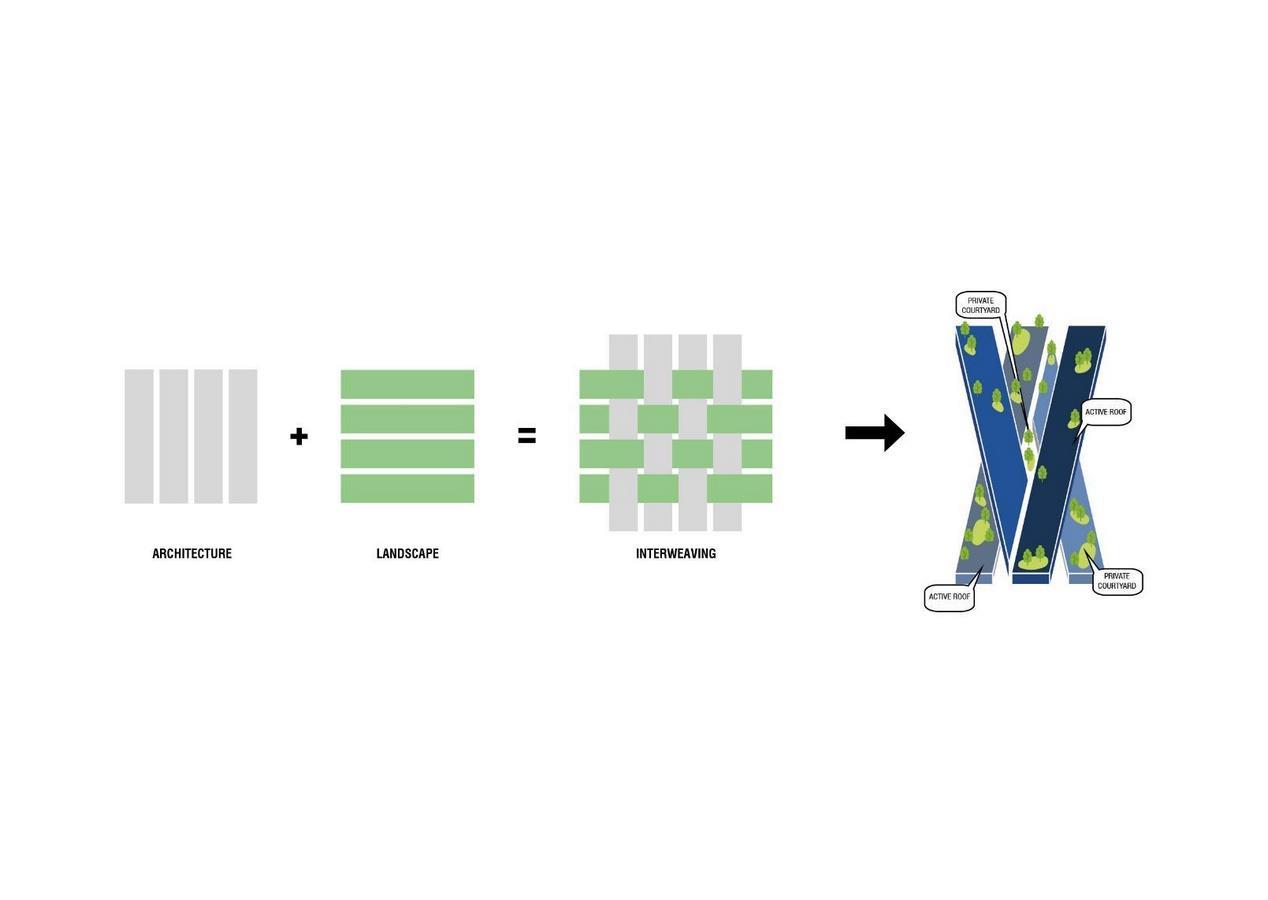
The main design philosophy behind the Zig-Zag dwellings is the seamless integration of architectural and landscape elements. This is the guiding principle behind this proposal, as the interweaving of the two allows for the creation of active spaces serving the street level and secluded courtyards serving the residents of the dwellings, a dual-purpose lacking in typical residential developments. The harmony between the two creates a dynamic urban environment, unique to the city and vital to a residential and leisure hotspot such as Jumeira. Such a concept is uncommon for the cityscape of Dubai, with mixed-use developments being few and far between. This is potentially due to the primarily Arab demographic, as this population tends to culturally favour privacy and seclusion. Thus, developments in this region tend to consist entirely of residences, connected to and serviced by a singular commercial development.
Comparison: Dubai Hills Estate
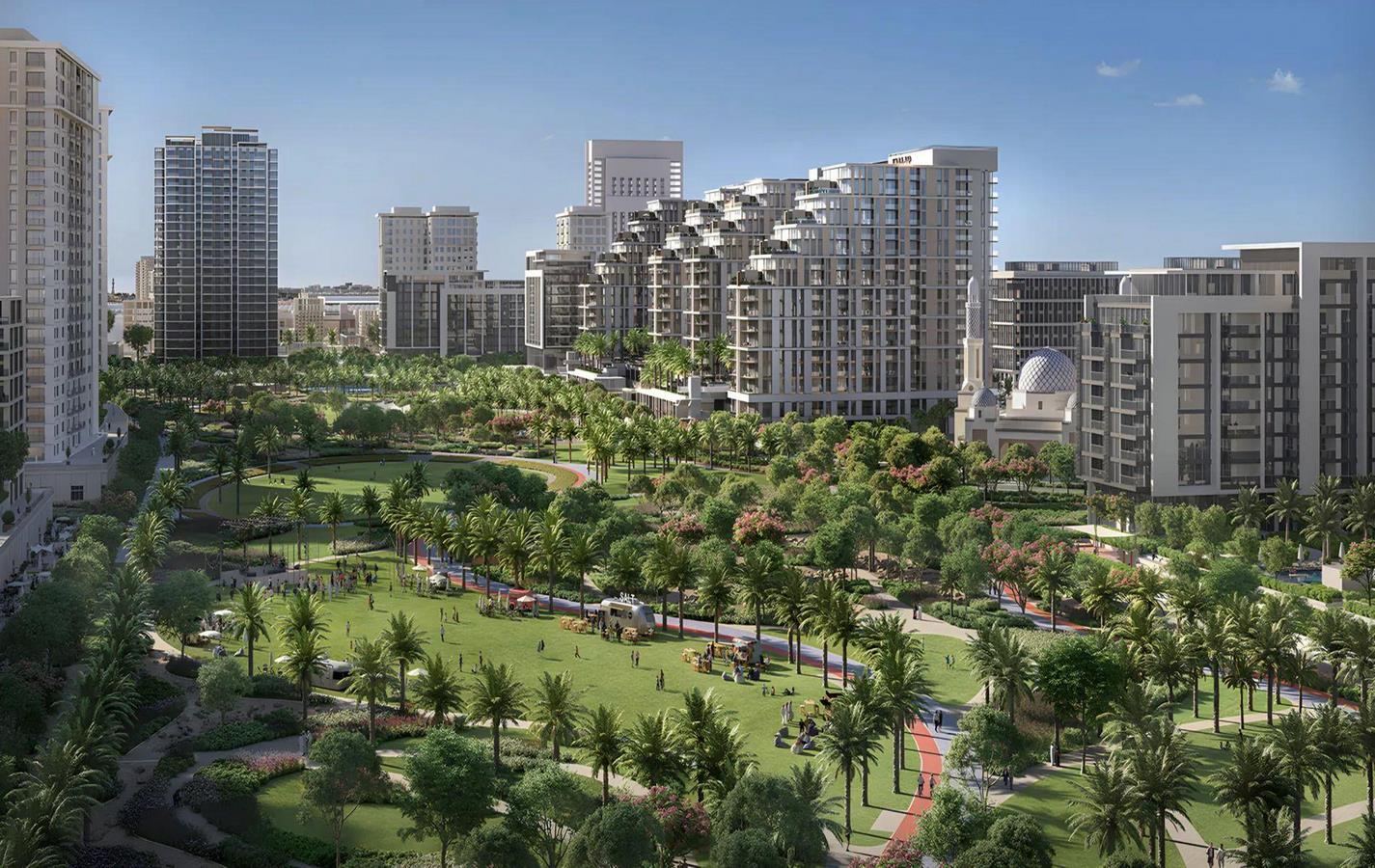
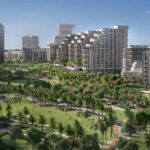
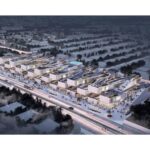
An example of such a development is the esteemed Dubai Hills, one of the many residential projects that are part of the larger Dubai Hills Estate. Like many others in the area, this property is one of Emaar’s most sought-after projects and was built as part of a mega-project known as Mohammed Bin Rashid City. It consists of several high-end residences, recreational and educational facilities, as well as a hospital and cycling track. While it boasts impressive infrastructure to tie these functions together, the masterplan of this development is undoubtedly car-centric – like every other development serving Dubai’s upper class. While Dubai Hills Estate is indeed marketed as a “mixed-use development”, there is scarcely an effort to truly and seamlessly integrate functions with one another through the built environment. The buildings hosting these functions simply lie adjacent to one another, with any claims of integration solely credited to the roads between them. A thorough understanding of Dubai’s urban fabric and architectural modalities reveals precisely why Zig-Zag Dwellings offers a much-needed mode of urban living.
Planning and Form Conception
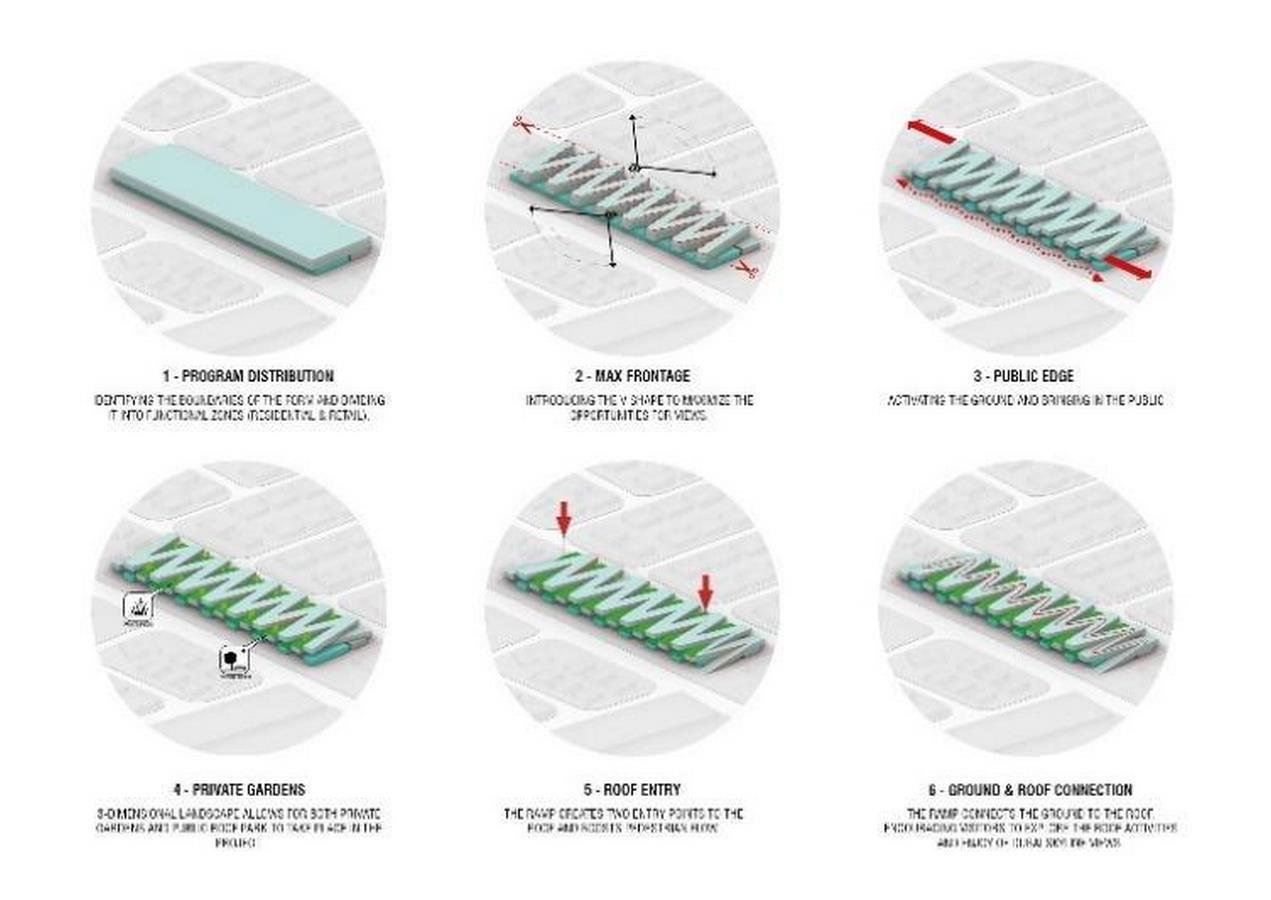
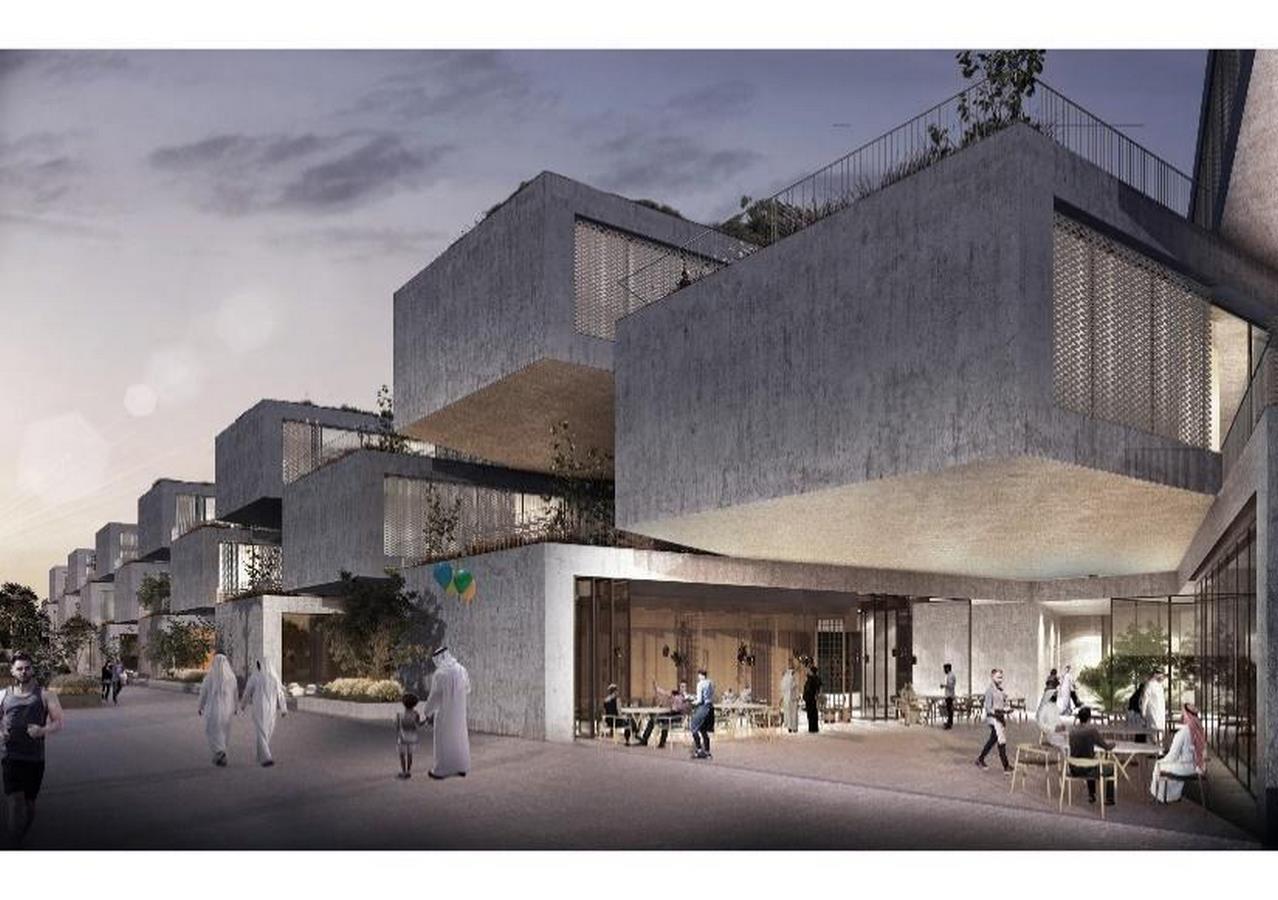
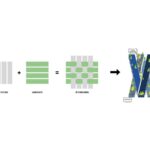
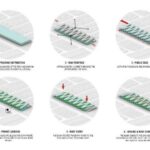
The planning of the Zig-Zag Dwellings is quite simple. The ideation process begins with a conventional rectangular block divided into alternating residential and retail components. The alternations occur on a horizontal and vertical level, creating a fluctuation in the form’s exterior outline, forming a pleasing, almost musical visual pattern. The interweaving of functions creates activations and seclusions that serve the public and residential aspects respectively. The final layer of the ideation of the Zig-Zag Dwellings is the lowering of ramps on either end of the initial rectangular block, thus creating a focused connectivity between the lower and upper levels of the mass. With this connection to the public front, the roof level of the mass is thus integrated with the active lower level. Every level of the mass is hence utilised and invigorated – an innovative addition to the cityscape of Dubai
Architecture as a Commodity
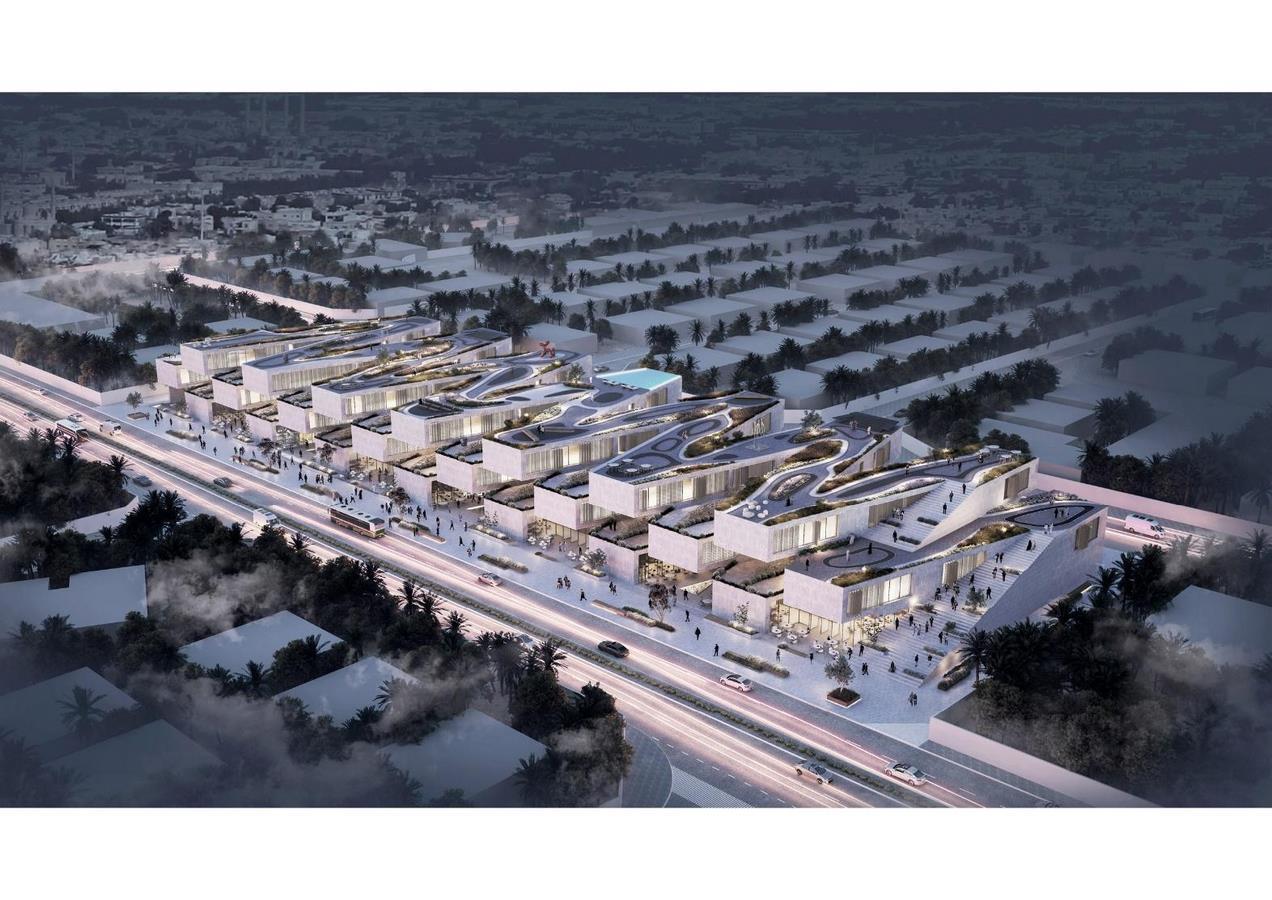
Perhaps the only flaw present in Zig-Zag Dwellings is that it is simply too idealistic. It is completely at odds with the typical mode of development in the region, which makes it a bold and daring approach to urbanity. The seamlessness of form and function, the depth and consideration of its design philosophy and the sheer simplicity of its concept are certainly the key ingredients of any built environment’s success – if posed anywhere besides the Gulf. There are a multitude of reasons why this mode of development is not already prevalent in this region. Global and local efforts of this era are visibly centred away from devising architecture and urban design that is valuable to the people. Instead, an urgent focus on profit and consumerism dominates as the sole intention, disregarding the sanctity of thoughtful architecture and urbanity. With the built environment reduced to a set of meaningless spaces sold to the highest bidder, perhaps it is not presumptuous to conclude that architecture, like any mass-produced product, is now a top-tier commodity. That is to say, we no longer build for need of shelter or human expression, but rather, for money.
References:
(No date) Zig-Zag Dwellings. Available at: https://x-architects.com/en/project/zig-zag-dwellings (Accessed: 04 January 2025).
Dubai Hills Estate: Luxury Apartments, Villas & Townhouses: Emaar properties (2024) Emaar Properties PJSC. Available at: https://properties.emaar.com/en/our-communities/dubai-hills-estate/ (Accessed: 05 January 2025).
Dubai Hills Estate: A comprehensive area guide (no date) Abu Dhabi Real Estate. Available at: https://psinv.net/en/articles/area-guide/dubai-hills-estate/ (Accessed: 04 January 2025).