The relationship between human and built environment is that dynamic dialogue in which one always influences and reshapes the other.
Humans, being creators, design spaces based on personal values, needs, and aspirations. The home is where the most significant interactions between humans and their surroundings take place and where we spend time resting.
Ever wondered what makes home so cozy beyond it simply being home? Is it the walls, the roof or something deeper that gives a home its soul? Maybe, it is the seamless flow between rooms or maybe it is the warmth of materials, the color of the walls, or the texture of the floor tiles that give a house its character. Yes—these elements shape the experience of a home, but, the true essence of a home transcends these surface-level aesthetics.

The Hidden Impact of Urbanization
With families shrinking in size and at rapid speeds of urbanization, we have started feeling the constraint of time and space in our everyday life.
We have become increasingly disconnected from nature, constantly surrounded by noise and pollution, creating a sense of suffocation. The balcony is now home to sounds of traffic and vehicular emission laden air. We may take a 7-day vacation to rejuvenate, but what about the other 358 days of the year? How can we ensure our spaces support our well-being every day?
Three elements, if given the same priority as the colour of tiles or wall decor, can significantly and positively impact our daily lives. These often-overlooked factors—ergonomic design, natural lighting, and ventilation—are integral to our routines, yet their influence is rather transformative. Integrating these elements into various spaces, aligned with daily routines, can greatly enhance the overall quality of life.
Flow of Daily Routines
With over 8 billion people, each with unique routines and non-negotiable habits, the challenge lies in designing similar spaces that cater to such diverse needs. This is where ergonomics and anthropometry become essential. While these terms may seem technical, understanding them is critical for creating functional and balanced spaces.
Stephan Pheasant defines anthropometry as “the branch of the human sciences that deals with body measurements: particularly with measurements of body size, shape, strength, and working capacity.” The information is used in designing spaces to fit the human body’s physical dimensions well. Similarly, ergonomics is defined as “the science of work: of the people who do it and the ways it is done; the tools and equipment they use, the places they work in, and the psychosocial aspects of the working situation.” Collectively, these fields shape the design of spaces that are more efficient, comfortable, and healthy.
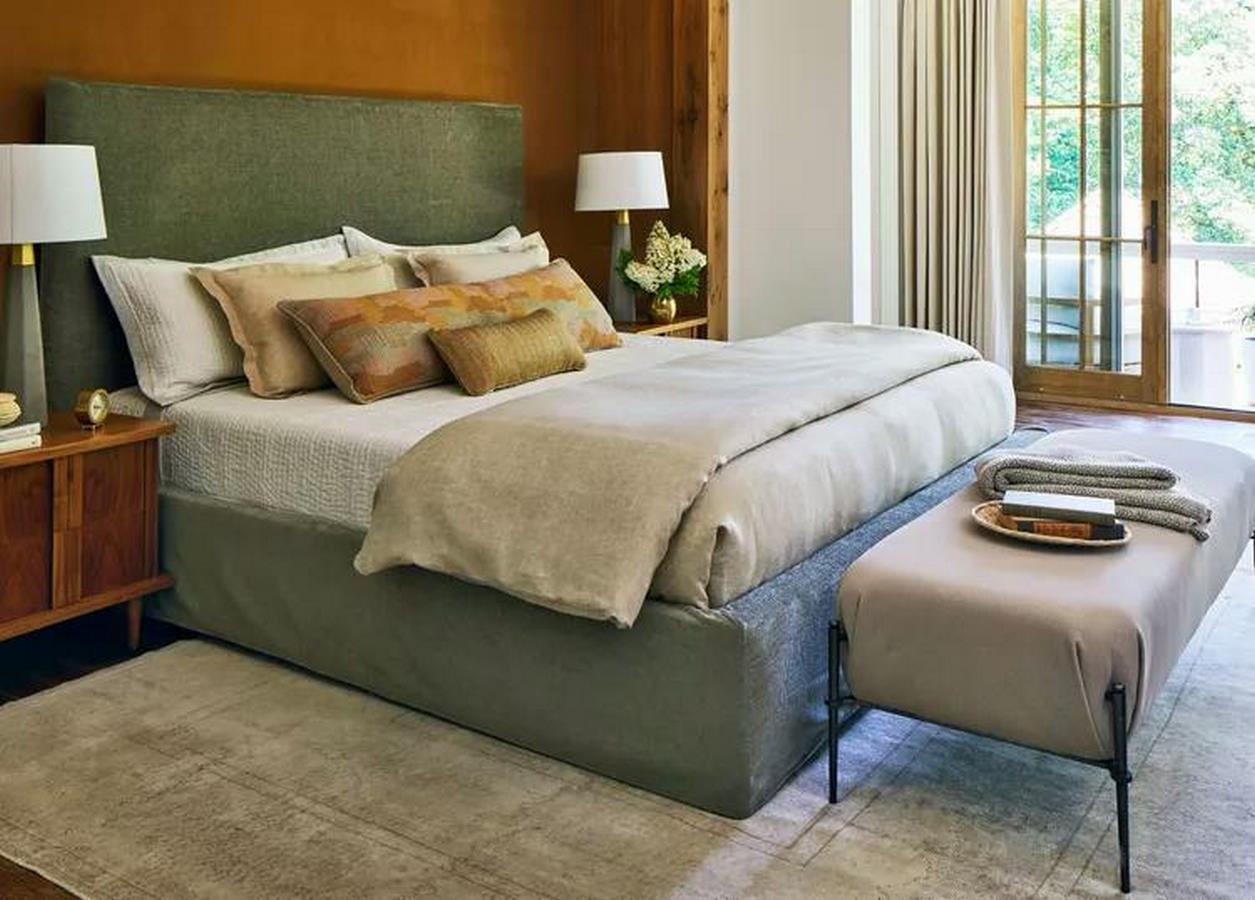
Spaces: The Bedroom’s Role in Well-being
Here’s an imaginary routine for a 27-year-old working adult:
She wakes at 6:00 AM, freshens up, prepares breakfast with a cup of chai or coffee. Then, she spends half an hour sitting by the window, checking emails in her room. After a quick bath and breakfast, she leaves for work by 9:00 AM.
Looking at this example we can tell the spaces being used the most are the bedroom, bathroom, and kitchen. Let us break down these spaces to understand how thoughtfully designed spaces affect her routine.
The day starts in the bedroom when the person wakes up and begins their daily routine. A good sleeper, according to Pheasant, moves 60 times during the night to reduce muscle tension and pressure points, which results in sound sleep. For this natural movement, a bed must be wide enough to permit unimpeded posture changes. In fact, within practical limits, “the wider, the better.”.
The person wakes up, removes the curtains, and opens a window, introducing fresh air. The easy action has several positive benefits.
Fresh air rejuvenates mental health, calms stress, lifts the mood, and improves cognitive ability, specially for those who are working or studying at home. It cleanses the indoor air by distributing the air, removing dust particles, allergens, and odors, and introducing a refreshing outdoor breeze. Natural ventilation minimizes dependence on air conditioning, increases eco-friendly cooling, reduces energy bills, and promotes living life sustainably.
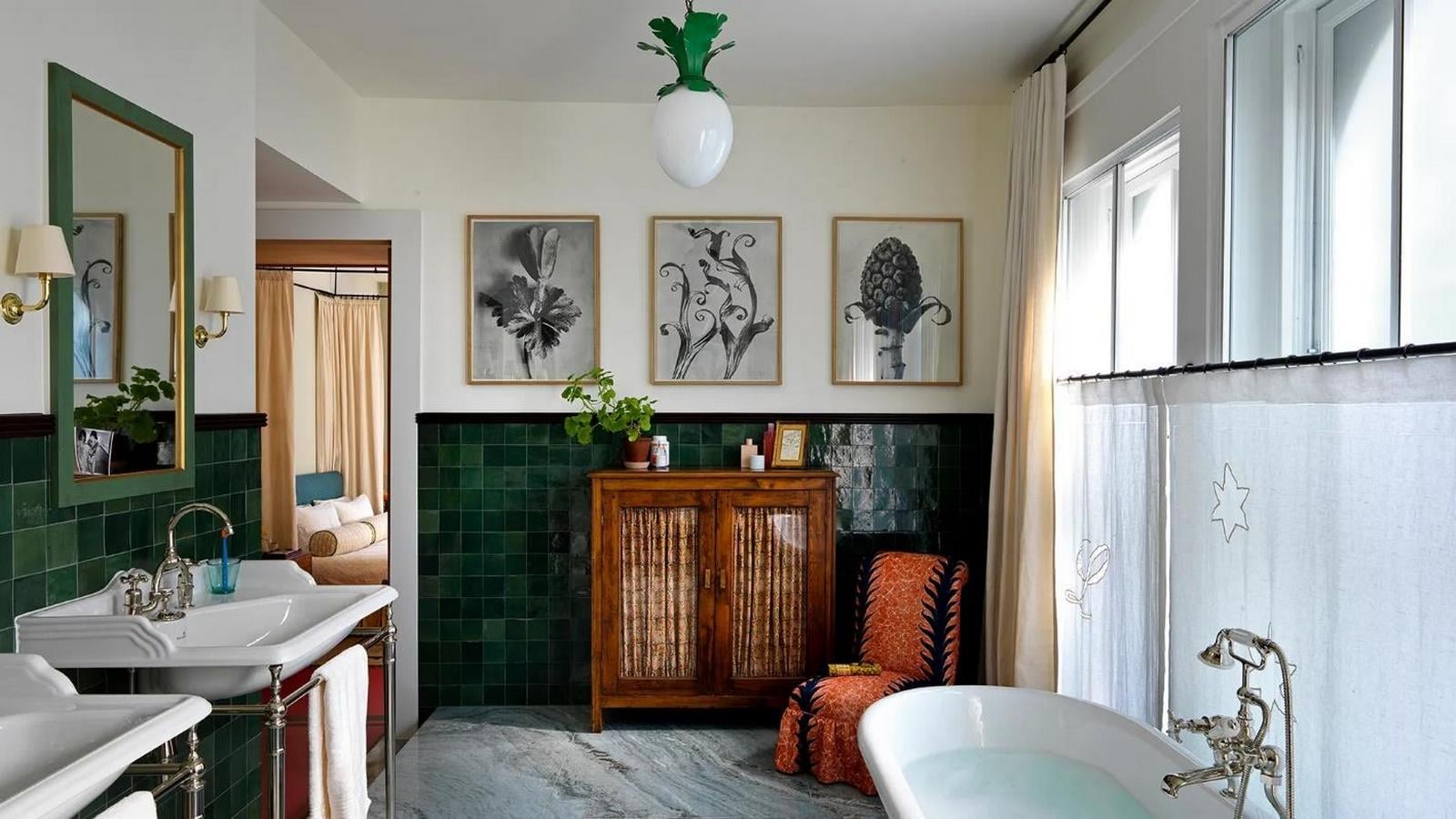
The Essentials of a Thoughtful Bathroom Layout
The bathroom should be located conveniently close to the bedroom so that it can be easily reached without violating privacy. The sliding or pocket doors reduce space and make the connection between these two areas smooth. In small spaces, a three-quarter bathroom is an efficient option. It has all the necessary facilities including a sink, toilet, and shower but does not have a bathtub, mainly because the Indians do not give much importance to bath tubs. It measures about 24 square feet (6’x4′).
A hand-washing basin should be designed for comfort and ease, making it simple to wash your hands and face without bending too much or water running down your arms. Ideally, the basin rim should be at elbow height, around 850–900 mm, for a more natural and ergonomic experience.
It can dominate the bathroom, and correct height for comfort is critical. An average water closet is centered on a plinth some 380–400 mm high for seated use, and this is reduced in size to distribute weight across buttocks when squatting so the contour and surface of the seat are important where more time is spent sitting there.
A shower space must be carved out in a way that it does not interfere with the toilet-washbasin traffic flow. A small-sized shower, about 90 cm by 90 cm, with a sliding or hinged door, 60 cm wide, is suitable for easy access. It should be placed with a showerhead at 200 cm and a slight slope of the floor for draining. Adding a built-in shelf or bench helps keep the space organized and uncluttered. This layout prevents water from spilling into other areas, thus keeping the bathroom flow smooth and tidy. As a high-moisture area, proper ventilation in the bathroom is crucial to reduce moisture, prevent mold, and improve air quality. An exhaust fan or well-placed windows can maintain effective airflow and freshness.
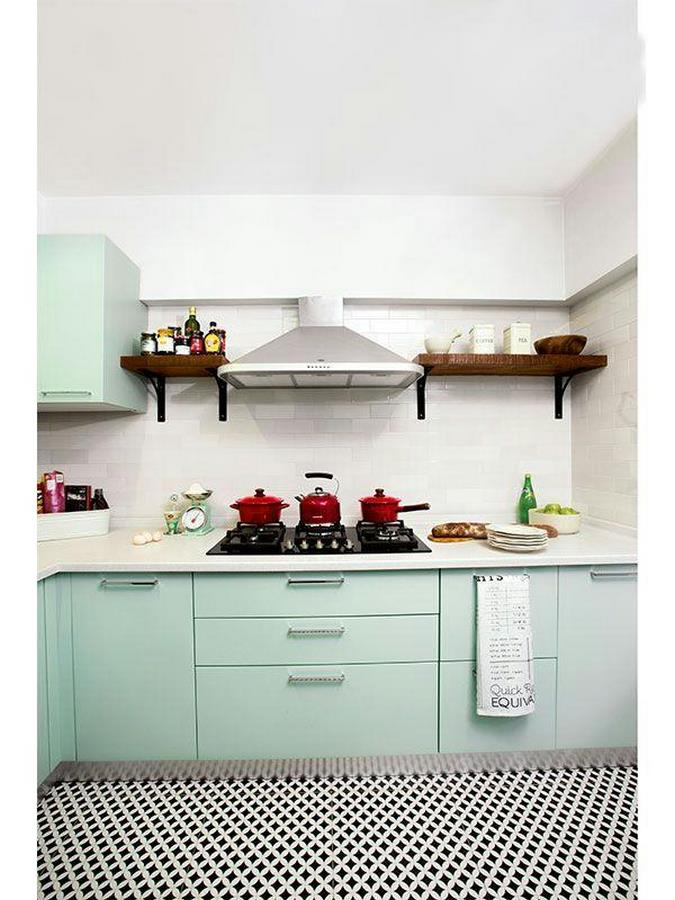
An Efficient Kitchen: The Work Triangle and Beyond
The kitchen is often considered the heart of the home, where the day begins with a cup of coffee or breakfast.
It is placed a little further from the bedroom to avoid odors, thus keeping the space fresh and comfortable. allows natural movement of activity from left to right by the right-handed user in the direction from the sink, to the main work area, then to the cooker, and with the additional surface close by where stuff could be set down. L- or U-shaped layouts are great, especially with some additional space above the sink to the left for flexibility. There also appears a “work triangle” created using three elements of the kitchen as the sink, refrigerator and cooker. Ideally, they should be 3600 to 6600 for compact kitchens and up to 8000mm. Again, sink and cooker stand at an interval of about 1200 to 1800mm. Furthermore, there is a must to ensure that traffic across the triangle is avoided with resultant obstruction.
Shaping Spaces, Shaping Lives
It is thus careful attention to considerations like anthropometry, ergonomics, lighting, and ventilation for making all activities, such as cooking or unwinding, easy and comfortable to undertake. More than space, a house is part of one’s life. Every nook, be it in the kitchen or the bedroom, plays an important role in our moving around to perform daily chores and even the comfort that one enjoys with their work surfaces being exactly the right height, easily flowing spaces, and thoughtful room designs all make such a difference.
Jan Gehl’s words, “First life, then spaces, then buildings—the other way around never works,” remind us that the way we live shapes the way we design our homes.
- Books
Stephan, P(2003) (2013). Bodyspace Anthropometry, Ergonomics and the Design of Work. Taylor & Francis
- Websites
The nature of cities (2015). Urban Latin America: How’s it Going? [online]. (Last updated 19 Oct 2015). Available at: https://www.thenatureofcities.com/2015/10/19/urban-latin-america-hows-it-going/
Canadian Choice (2023). Should You Open House Windows Every Day? [online]. (Last updated 23 Sep 2023). Available at: https://www.windowscanada.com/whitepages/should-you-open-house-windows-every-day.html#:~:text=The%20Benefits%20of%20Daily%20Fresh%20Air&text=One%20of%20the%20most%20apparent,(VOCs)%20from%20household%20products