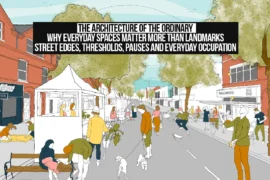
Picture this: a young student steps onto campus for the first time, heart racing, eyes wide. Surrounded by towering buildings and bustling crowds, the weight of the unknown looms large. For many, this overwhelming experience can shape their entire college journey. As outlined by Strange and Banning (2001) in Designing for Learning, the physical environment of a campus is more than just a backdrop; it profoundly influences how students connect with each other and their surroundings. This article explores how thoughtfully designed open spaces can transform that initial anxiety into a sense of belonging and community.

A Place for Learning Together
From the very first day, the campus environment serves as a classroom of its own. It’s a place where students learn not only from lectures but also from the interactions that unfold in the shared spaces around them. Strange and Banning (2001) emphasize the importance of recognizing campuses as environments that influence social and psychological well-being.
Imagine a vibrant courtyard, where students gather under the shade of large trees, laughter mingling with the rustle of leaves. This open space encourages friendships to blossom and ideas to flow freely. Moreover, many faculties are now choosing to hold practical or small theoretical sessions in these open areas, like the amphitheater. Such settings provide a refreshing change from traditional classrooms, fostering a more engaging and dynamic learning atmosphere. This integration of learning with the natural environment not only enriches academic experiences but also reinforces the notion that education can happen anywhere.

Navigating the New: The Importance of Wayfinding
Now, let’s return to that anxious student on their first day. As they wander, they might feel lost, both literally and figuratively. The campus can be a maze, and without clear navigation, it can turn into a source of stress. Effective wayfinding is essential in alleviating this anxiety.
Consider the impact of carefully placed landmarks—like a majestic banyan tree or a blooming cherry blossom. These natural markers not only aid in orientation but also become touchstones in a student’s experience. The design of both softscapes—lush gardens and inviting greenery—and hardships—paths, benches, and different ground materials—plays a crucial role in wayfinding. For instance, distinguishing between sanded and gravel paths can create a tactile experience that guides students intuitively through the campus.

Thoughtful design can transform these spaces into cherished locations that foster connections among students. As Douglass Delano highlights in Landscaping for Colleges and Universities, the relationship between landscaping and student learning is profound, impacting both navigation and social interaction.
Designing Open Spaces for Relaxation and Renewal
Beyond navigation, open spaces play a crucial role in providing sanctuary. Between the rigors of exams and lectures, students need a refuge to recharge. Research indicates that exposure to nature can significantly improve mental health and cognitive function (Kaplan, 1995).
Imagine a quiet garden filled with wildflowers, where students can escape the confines of classroom walls. Here, they can find solitude or share a moment with friends, surrounded by the calming presence of nature. Beyond just greenery, other landscape elements—such as tranquil water features like ponds or streams—can enhance this experience. A lakeside campus or a small man-made pond can become a beloved spot for students to relax, reflect, and connect with nature.

With the rise of technology, students often find themselves glued to their devices, losing touch with the natural world around them. In a moment of quiet, gazing into the water’s reflection of the sky, they might rediscover a sense of calm and connection to their environment. This is particularly vital in an age where the constant pull of screens can lead to a disconnect from reality and an increase in grumpiness among youth.
Moreover, open spaces can be dynamic environments for creativity. They can be utilized for temporary exhibits or installations created by students themselves, changing with trends and interests. These displays can enhance engagement, allowing students to express themselves and share their ideas with their peers. Such a vibrant atmosphere not only fosters creativity but also encourages collaboration and community involvement.

Fostering Community Through Design
Open spaces are not merely functional; they are integral to community building. Strange and Banning (2001) argue that the social fabric of a campus is woven through shared experiences. Think of an open amphitheater where students gather for movie nights or cultural performances. These events create opportunities for connection and engagement, making the campus feel like home.

Community gardens can serve as another fantastic example. Imagine students from different backgrounds coming together to plant vegetables, fostering collaboration and a sense of stewardship. These interactions help build a vibrant campus culture where diversity is celebrated, and everyone feels included.
In addition, incorporating kinetic elements—like interactive sculptures or movable seating arrangements—can further enhance these spaces, encouraging exploration and play. Such innovations not only create a dynamic environment but also inspire creativity and collaboration among students.

Safety and Accessibility: Foundations of Open Space Design
As important as aesthetics and functionality are, safety and accessibility must be prioritized in the design of open spaces. Consider the campus at night; well-lit paths and clear sightlines foster a sense of security, encouraging students to enjoy the outdoors even after dark.
Incorporating universal design principles ensures that all students can access these spaces, regardless of their physical abilities. Engaging students in the planning process not only garners valuable insights but also fosters a sense of ownership over their environment. By asking for feedback, institutions can adapt and improve, ensuring that open spaces serve the needs of their diverse populations.

Creating Lasting Connections
In conclusion, open spaces are pivotal in shaping the collegiate experience. They provide opportunities for relaxation, navigation, and community building. As Strange and Banning (2001) highlight, the physical design of campus environments significantly influences the behavior and outlook of students and staff alike.
By embracing thoughtful design principles, institutions can transform their campuses into vibrant ecosystems where connections flourish. Picture a student, once overwhelmed and anxious, now thriving in a community shaped by open, welcoming spaces. Through intentional planning, colleges and universities can create environments that not only enhance student experiences but also cultivate lasting relationships and a sense of belonging.
References:
Kaplan, R. (1995). The restorative benefits of nature: Toward an integrative framework. Journal of Environmental Psychology, 15(3), 169-182.
Strange, C., & Banning, J. H. (2001). Designing for Learning: Creating Campus Environments for Student Success. San Francisco, CA: Jossey-Bass.
Delano, D. Landscaping for Colleges and Universities: How Landscapes Impact Students and Learning.
Turfscape Ohio. The Best Landscaping Ideas for College Campus Common Areas. [https://www.turfscapeohio.com/ ].