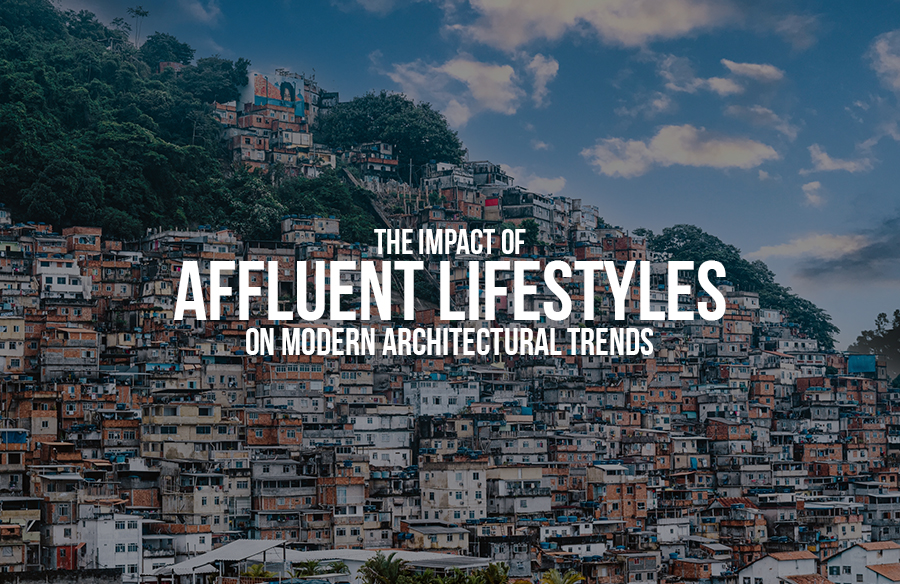
Society is made up of people, customs, traditions, economy, and a constant process of evolution, aimed at its collective progress. It fosters a sense of belonging, helping individuals feel connected and alive through shared social, cultural, and economic frameworks. However, alongside this unity, there exists a clear division among people based on caste, occupation, and financial status. These divisions lead to the formation of social classes, with each class shaping distinct lifestyles. These varied lifestyles, in turn, influence and are influenced by the society they exist within.

Spatial Configuration
Spaces where different lifestyles emerge often reflect the essence of those lifestyles. As people evolve, so do the environments they inhabit—transforming from huts to mansions, local streets to malls, traditional markets to supermarkets, slums to townships, and rural landscapes to urban settings.
As people and their ways of living continually change, the spaces around them evolve in parallel, driving progress toward more comfortable and supportive environments for human growth and survival. This ongoing transformation requires thoughtful direction, and architects play a vital role in shaping these spaces. They bring purpose and meaning to places, guiding spatial development to ensure effective and meaningful evolution.

Lifestyles
People’s lifestyles directly shape the spaces they inhabit. Those with the financial means to meet their basic needs seek homes that cater to their requirements, a place that provides comfort and a sense of belonging. On the other hand, affluent individuals—those with an abundance of wealth, property, or material goods—desire homes that go beyond fulfilling needs. They seek spaces that align with their desires, wants, and aspirations.
For affluents, lifestyle is often characterised by having more than just the essentials. Their homes tend to be a reflection of their personalities, expressed through themes, decor, and luxuries that set them apart. Social spaces, such as upscale eateries, luxury cinemas, malls, showrooms, and branded stores, are typically designed with this affluent demographic in mind, offering experiences that match their expectations.
Affluent lifestyles often drive innovation, pushing the boundaries of what is possible. Their constant demand for more refined and luxurious environments spurs creativity and exploration in design, leading to new possibilities in architecture and spatial planning.

Role of Architecture
The relationship between architecture and social class is reciprocal. While architecture reflects the social standing of individuals, it also has the power to shape and influence societal structures. The visible spaces around us, defined by architectural planning, play a crucial role in forming social circles, and the way spaces are designed often varies according to social status.
For affluent individuals, the architectural demands extend beyond functionality—they seek spaces that are posh, well-designed, convenient, and comfortable, embodying a sophisticated aesthetic. The prosperous lifestyle of the upper class sets a standard in the architectural industry, influencing the expectations for quality, style, and space. Whether through neoclassical, contemporary, or classical styles, these spaces are shaped by creativity and innovation, tailored to the specific needs and desires of affluent users.

In architectural settings, trends are at the forefront of architectural design, leading innovations in design aspects in terms of materials, technology, and aesthetics. The elegance and refinement that affluent desire push architects to continually innovate, making architectural trends a key focus in the creation of future spaces. This constant demand for excellence not only raises the bar for luxury living but also drives the evolution of the entire architectural field.

Impact of Affluent Lifestyles
<<Affluents, with their financial capacity to embrace innovation and creativity, pave the way for stylish and contemporary designs that often set trends in the architecture industry. These trends, born from the affluent class’s desire for distinctiveness and luxury, influence the spaces that shape society as a whole. Architectural trends introduce a variety of styles, colours, textures, elements, and features, continuously giving rise to new possibilities in design.>>

In the shaping of societies, affordability plays a crucial role. While affluents enjoy the benefits of luxurious aesthetics alongside fulfilling their practical needs, lower and middle-class individuals typically focus on meeting essential living requirements. This disparity in financial means creates visible divisions in the architecture of society, with spaces reflecting the social class they serve.
The influence of affluent lifestyles on architecture often leads to a tangible social divide, where space itself becomes a marker of class. Differences in affordability, access, and even the ability to maintain certain spaces result in a physical and visual separation between classes. These architectural distinctions serve as both a reflection and a reinforcement of the broader social and economic barriers within society.

Architectural Psychology
The spaces that affluent individuals inhabit are often designed to reflect their personalities and lifestyles. For example, the home of a stylish celebrity might feature bold, expressive designs with vibrant colours, striking lighting, and unique décor that mirrors their dynamic persona. In contrast, a wealthy individual with a more understated personality may prefer a minimalist, well-themed home, characterised by simplicity and elegance in its elements and features.
Affluents tend to prioritise the quality and aesthetics of their spaces, whether they lean toward minimalist or luxurious styles. On the other hand, spaces for the lower and middle classes emphasise functionality and affordability. However, when it comes to social spaces, the goal should be to minimise differences, creating environments that offer convenience, comfort, and affordability, promoting inclusivity and universality across all social groups.


Societies are composed of a wide range of individuals, who differ in caste, creed, and social status, contributing to the rich cultural and social fabric of communities. This diversity offers architects creative freedom, allowing them to design spaces that reflect different identities and lifestyles. However, it also limits the universality of those spaces, often making them exclusive to specific user groups. On one hand, such diversity inspires architectural trends and pushes the industry toward innovation; on the other, it can restrict societal inclusiveness.
Affluent lifestyles drive architectural prosperity, creativity, and wellness by promoting high-end design and luxurious spaces. Yet, this focus on exclusivity can also weaken the sense of societal unity. Architecture, being a powerful symbol of social status, class, and lifestyle, has the potential to either bridge or deepen social divides. The challenge lies in maintaining a balance between innovation and inclusivity.
It is the responsibility of the architects to ensure that their designs go beyond serving only the affluent, fostering inclusivity and universality across all social classes. Achieving this balance is crucial for creating spaces that promote the social, cultural, and economic well-being of everyone while preserving the cohesion and overall prosperity of society.

Citation:
- Space, D. (2022). The Relationship Between Architecture and Social Class| Dream Space Architects | Top architects Gurugram. [online] Dream Space. Available at: https://www.ds-design.in/post/the-relationship-between-architecture-and-social-class.
- Nast, C. (2024). Inside Ananya Panday’s first home in Mumbai designed by Gauri Khan. [online] Architectural Digest India. Available at: https://www.architecturaldigest.in/story/inside-ananya-pandays-first-home-in-mumbai-designed-by-gauri-khan/.
- Nast, C. (2023). Karan Johar’s bachelor pad in Mumbai is as glamorous as his films. [online] Architectural Digest India. Available at: https://www.architecturaldigest.in/story/karan-johars-bachelor-pad-in-mumbai-is-as-glamorous-as-his-bollywood-films-celebrity-homes-gauri-khan-homes/.