The Power of Community Narratives in Shaping Shared Spaces
Community is like a living narrative that we all contribute to and are shaped by. It’s the story that binds us, whether we’re from the same neighbourhood or share a common interest. By examining and transforming these narratives, we can unlock profound social change, revealing how our collective identities influence everything from local initiatives to global movements. Understanding and evolving our communal stories isn’t just about improving our present—it’s about reshaping our future together.

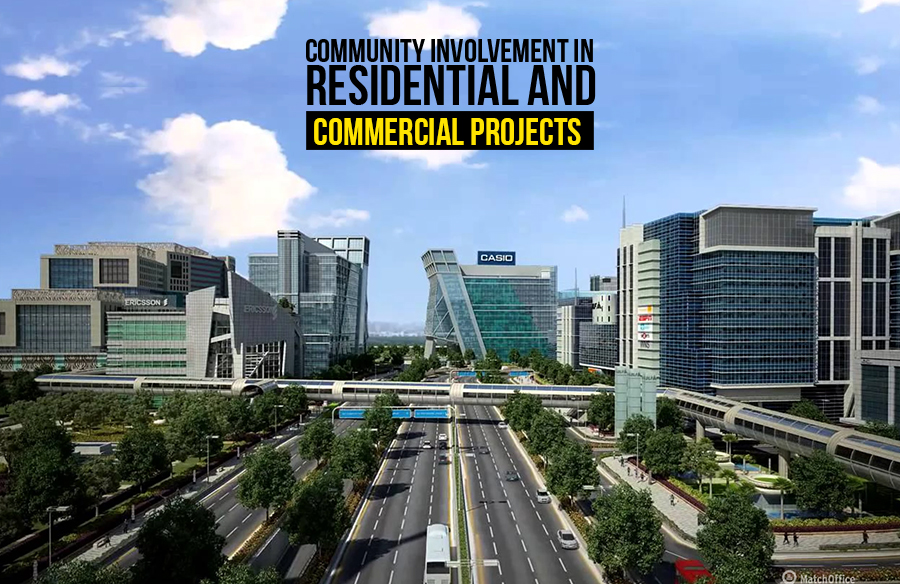
In this context, residential and commercial projects are more than just physical spaces; they are expressions of our communal narratives and aspirations. Residential projects reflect the needs and values of their inhabitants, fostering connection and identity. Commercial projects address diverse functions and interactions, shaping public spaces. Engaging the community in these projects ensures that they resonate with and enhance the collective story of the area. They both shape and mirror our collective stories, making them essential in the development and evolution of our shared spaces.
The Shifting Role of Community Engagement
Historically, community involvement played a crucial role in design and construction, with societies working collectively to shape their environments. This collaborative approach was integral to creating spaces that reflected the needs and values of the people.
However, over time, design and construction practices became more specialized and less communal. The focus shifted towards technical and individualistic approaches, often sidelining broader community input.
In recent years, there has been a resurgence of community-driven design processes. This re-emergence underscores the importance of involving the community in creating spaces that truly reflect their needs. Today, a growing number of architects are embracing projects that facilitate genuine collaboration with the people who will use the space. These projects ensure that the most vital voices—those of the residents and users—are heard from the very start and continue to influence the design throughout its lifecycle. This involvement fosters a deeper connection between the users and the final outcome.
The extent of community participation can vary across different projects, ranging from residential developments to commercial spaces. Effective strategies include providing platforms for users to share their thoughts and feedback on design decisions. Additionally, educating the community through informal channels, such as workshops and meetings, helps them understand the intricacies of the project, leading to more thoughtful and meaningful contributions.
Public Interest Design
It focuses on creating spaces that improve the well-being of their users and address broader social issues. It aims to enhance the quality of life through thoughtful design, making it a key aspect of creating environments that respect and uplift individuals. While this approach has been established for some time, it is not yet mainstream.
This design philosophy emphasizes using local resources and engaging the community throughout the design and construction process. It is especially important for projects such as affordable housing, healthcare facilities, and educational institutions, where design is often undervalued.
By addressing systemic issues and aiming for high standards, Public Interest Design seeks to make a tangible difference in the lives of people who might otherwise be overlooked. Its success is measured by the positive impact it has on communities, reinforcing the belief that well-designed spaces are essential for everyone.
An inspiring example of Public Interest Design in action comes from a group of architecture students from Jamia Millia Islamia in New Delhi. These students have undertaken the task of providing primary education to children living in the settlement where construction workers reside. Recognizing the need for educational resources in their community, they transformed a patch of barren land, once a garbage dump, into a makeshift playschool named Parvaaz.
This initiative, by providing educational opportunities in an area in need, exemplifies how community involvement and thoughtful design can lead to significant social impact. It serves as an excellent inspirational story of how the youth can contribute to educating and uplifting the needy in city slums. Moreover, it stands as a replicable model of how Public Interest Design can positively affect communities by transforming neglected spaces into resources for growth and opportunity.


Key Aspects of Community Involvement in Design
Holistic community-based design integrates various aspects to create spaces that effectively serve their intended purposes. It emphasizes a balanced approach to addressing functionality, accessibility, and regulatory compliance.
- Functionality
It ensures that the design caters to practical needs, offering layouts and features that accommodate the activities and interactions anticipated in the space. This might include adaptable areas that support both current uses and future changes.
It is crucial for creating environments that are usable by everyone. This involves incorporating design elements that ensure ease of use for individuals of all abilities, from clear pathways to thoughtful placement of amenities.
- Regulatory Compliance
It ensures that the design adheres to necessary guidelines and standards, including safety and environmental regulations. This compliance not only helps avoid potential issues but also enhances the overall effectiveness and sustainability of the design.
By focusing on these elements, holistic community-based design creates environments that are functional, accessible, and compliant, ultimately enhancing their value and usability

2. Inclusive Design for Diverse Community Groups
Inclusive design aims to create environments that reflect and accommodate diverse needs and backgrounds. It involves a thoughtful approach to economic, social, and cultural factors to ensure that spaces are equitable and integrated.
- Economic Diversity
This considers the need for designs that cater to a range of financial situations. This might involve creating flexible spaces that offer varying levels of affordability or providing options that support different economic activities.

Aranya Low-Cost Housing uses a core housing concept to provide affordable homes for low-income families, featuring basic plinth and service spaces. The design allows for user participation, enabling residents to customize their homes and fostering a diverse range of housing types and incremental growth options.
- Social Diversity
This addresses the varied needs of different groups, ensuring that the design supports diverse lifestyles and activities. This includes creating spaces that are adaptable to different social functions and interactions.
- Cultural Diversity
It ensures that the design respects and incorporates various cultural elements. This might involve integrating features that support cultural practices or celebrating local traditions and values within the space.
By embracing these diverse aspects, inclusive design fosters environments where all individuals feel valued and can fully engage with their surroundings.

The Hathigaon housing project, also known as the elephant village, is located at the base of the Amber Palace and Fort near Jaipur and is designed for mahouts (elephant caretakers) and their elephants. It serves as a notable example of community involvement, extending to include the well-being of both humans and animals.
3. Participatory Design and Community Engagement
Participatory design emphasizes involving the community at every stage of the design process to achieve optimal outcomes and provide lasting benefits. This approach ensures that community needs are addressed before, during, and after the design phase.
- Before the Design Process:
To ensure the design meets community needs, organizing workshops and surveys allows residents and stakeholders to share their insights and preferences. This early engagement helps tailor the project to better reflect the community’s aspirations and requirements.
- During the Design Process:
During the design and construction phases, including local residents in various roles supports the local economy and fosters a sense of ownership. Additionally, incorporating skill development programs, such as on-the-job training or workshops, provides community members with valuable skills that can enhance their future job prospects.
- After the Design Process:
After the project is completed, maintaining community engagement is crucial for ongoing benefits. This can be achieved by offering continued employment opportunities within the completed space or creating areas dedicated to skill development. For instance, the project might include facilities for ongoing training or job placements that help community members apply the skills they gained during the construction phase.
By integrating community involvement throughout all stages, participatory design enhances the effectiveness of the project and ensures that it continues to serve and benefit its users long after completion.

Auroville strives to create a global community where people from every country can live together in harmony, rising above religious, political, and national differences. Its goal is to foster a sense of universal human unity.Conclusion
Considering the three key aspects of community involvement in the design of residential and commercial projects—holistic community-based design, inclusive design, and participatory design—it becomes clear how essential it is to engage the community at every stage. This engagement is crucial not only for addressing human needs but also for considering the needs of animals, as demonstrated by the Hathigaon project.
Each community brings its own unique mix of needs and lifestyles, which can make integrating different groups into shared spaces challenging. For instance, individuals moving from rural to urban areas may struggle with confined living spaces, having been accustomed to more open environments. This highlights the importance of designing flexible spaces that can adapt to various lifestyles and preferences.
Different income groups have varying expectations regarding housing design and amenities. Thoughtful design can bridge these gaps, ensuring that everyone feels valued and well-catered to, regardless of their financial situation.
Communities with diverse cultural backgrounds have distinct needs for communal spaces. While some cultures may require shared areas, others might prioritize private spaces for family gatherings. Designing spaces that respect and integrate these cultural practices fosters a sense of belonging and harmony.
The needs of different age groups and mobility levels must also be considered. Families with young children, the elderly, and individuals with mobility challenges each have specific requirements. For instance, playgrounds and accessible pathways are crucial for families with children and seniors.
By thoughtfully addressing these varied needs, we can create inclusive and harmonious spaces that enhance the quality of life for all community members.
References List:
- Lowe, T. (2021). What is ‘community’? [online] Medium. Available at: https://medium.com/centre-for-public-impact/what-is-community-2e895219a205.
- Architecture.com. (2024). Good community engagement leads to successful projects. [online] Available at: https://www.architecture.com/knowledge-and-resources/knowledge-landing-page/good-community-engagement-leads-to-successful-projects?srsltid=AfmBOopZz3plLPVov_am-1mCF_Br65BYUGEQs_dNpfPPhtPALxL7gF1e [Accessed 15 Sep. 2024].
- Public (2014). jenniferharrisdesign.com. [online] jenniferharrisdesign.com. Available at: https://www.jenniferharrisdesign.com/home/public-interest-design [Accessed 15 Sep. 2024].
- Bharat Mahan. (2017). Architect Students of Jamia Shaping Lives Of Needy. [online] Available at: https://bharatmahan.in/positive-news/architect-students-jamia-shaping-lives-needy [Accessed 15 Sep. 2024].
- auroville.org. (n.d.). The City the Earth Needs | Auroville. [online] Available at: https://auroville.org/page/the-city-the-earth-needs-996.
- RMA Architects. (2018). Hathigaon. [online] Available at: https://rmaarchitects.com/architecture/hathigaon/ [Accessed 15 Sep. 2024].
- Ansari, K. (2021). Aranya Low-cost Housing by BV Doshi. [online] archEstudy. Available at: https://archestudy.com/aranya-low-cost-housing-by-bv-doshi/
Images / Visuals
- Pixabay.com. (2020). Pixabay. [online] Available at: https://pixabay.com/illustrations.
- Arif, H. (2024) Makeshift Playschool – Parvaaz, Jamia Millia Islamia [Photograph].
- Arif, H. (2024) Learning at Parvaaz, Jamia Millia Islamia [Photograph].
- DLF Building 10 Overview : Cybercity Gurgaon . (2018). DLF Building 10 Overview : Cybercity Gurgaon. [online] Available at: https://www.dlf.in/offices/gurugram/dlfcybercity/building-ten-overview/ [Accessed 15 Sep. 2024].
- www.sangath.org. (n.d.). Sangath – Vāstu Shilpā Consultants. [online] Available at: https://www.sangath.org/news/9-iconic-buildings-designed-by-architect-bv-doshi/.
- RMA Architects. (2018). Hathigaon. [online] Available at: https://rmaarchitects.com/architecture/hathigaon/.
- Chauhan, D. (2024). Discover Auroville in Tamil Nadu – A true global village! [online] Local Samosa. Available at: https://www.localsamosa.com/travel/auroville-in-tamil-nadu-1322793 [Accessed 15 Sep. 2024].