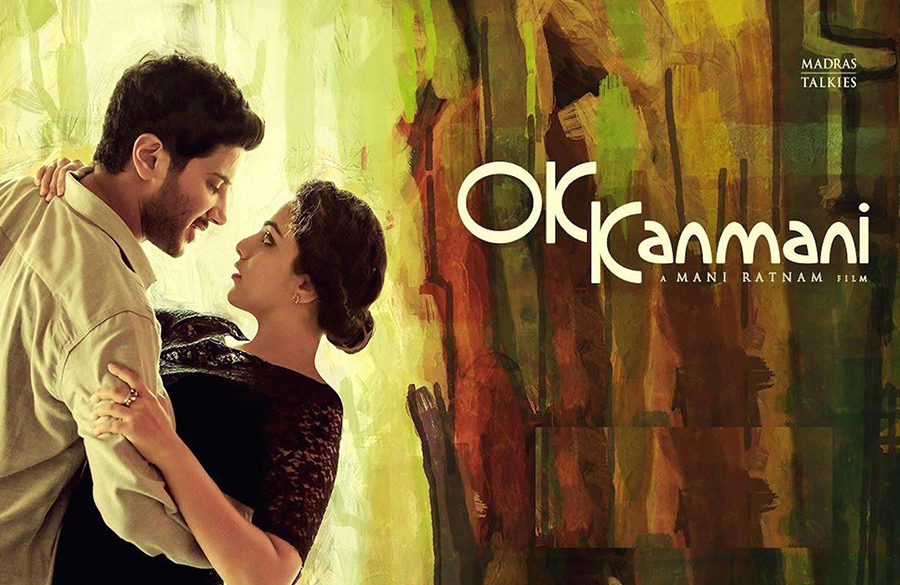
The movie “Oh Kadhal Kanmani” (a.k.a. “Ok Kanmani”) was a writerial, directorial, and productional effort of Mani Ratnam in 2015. The film of the two pairs of couples and their views of love and marriage is recorded by the use of cameras. The film is structured around architecture and has the female protagonist in the major plotline of the work as an architect. Architecture of Mumbai and Chennai represents the setting providing chances to display famous heritage monuments as well as architects’ offices. The film is the cinematic manifestation of architects.
Chhatrapati Shivaji Terminus:
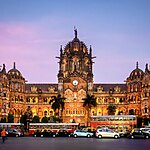
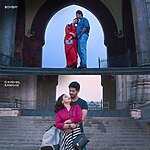
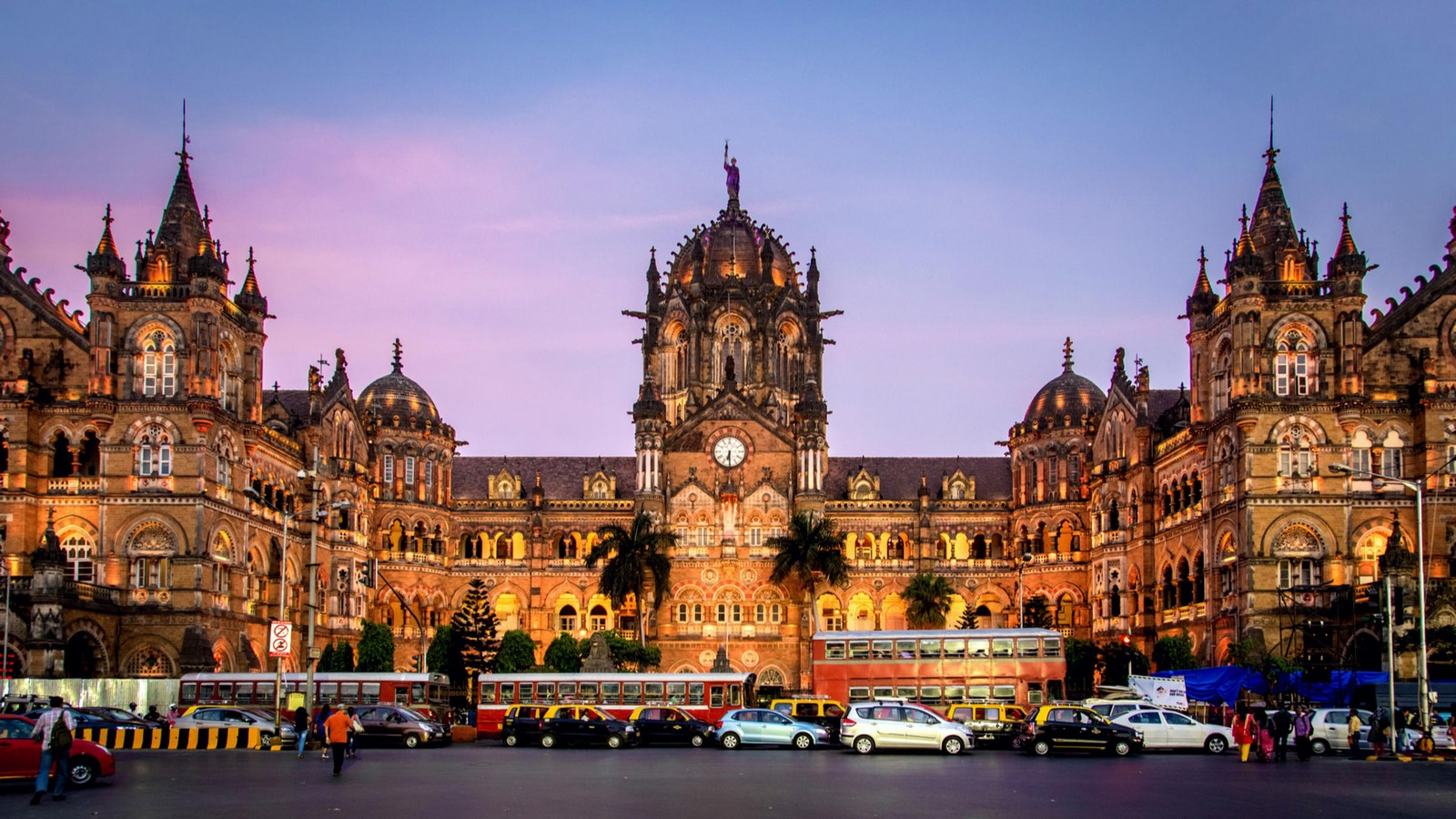
One fact that is very evident is that many of the youths who have never lived in Mumbai consider it a place of their dreams. The movie starts with views of the Chhatrapati Shivaji Terminus, Mumbai. This terminus represented the name of the Victoria Terminus station, nevertheless, they symbolize the sophistication of the Victorian Gothic Revival architecture in India, where motives from traditional Indian architecture are incorporated exquisitely. The building, conceived by the architect F. W. Stevens of Britain, had come to be the symbol of Bombay’s ascendancy as the ‘Gothic City’ and the primary port of the British Empire in India. The terminal spanning was under construction that took over a decade starting in 1878 and followed the High Victorian Gothic architectural design inspired by Italian late medieval styles. The castle’s instantly recognizable stone dome, turrets, pointed arches and unorthodox layout are virtually a replica of Indian royal palace architecture. It is noteworthy that it is not only a prime example of cultural fusion but also a remarkable result of the cooperation between local British architects and Indian artisans who together used to create a new style that could not be found elsewhere unlike Bombay.
Asiatic Library:
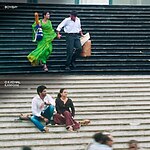
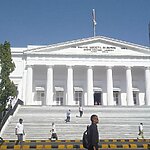
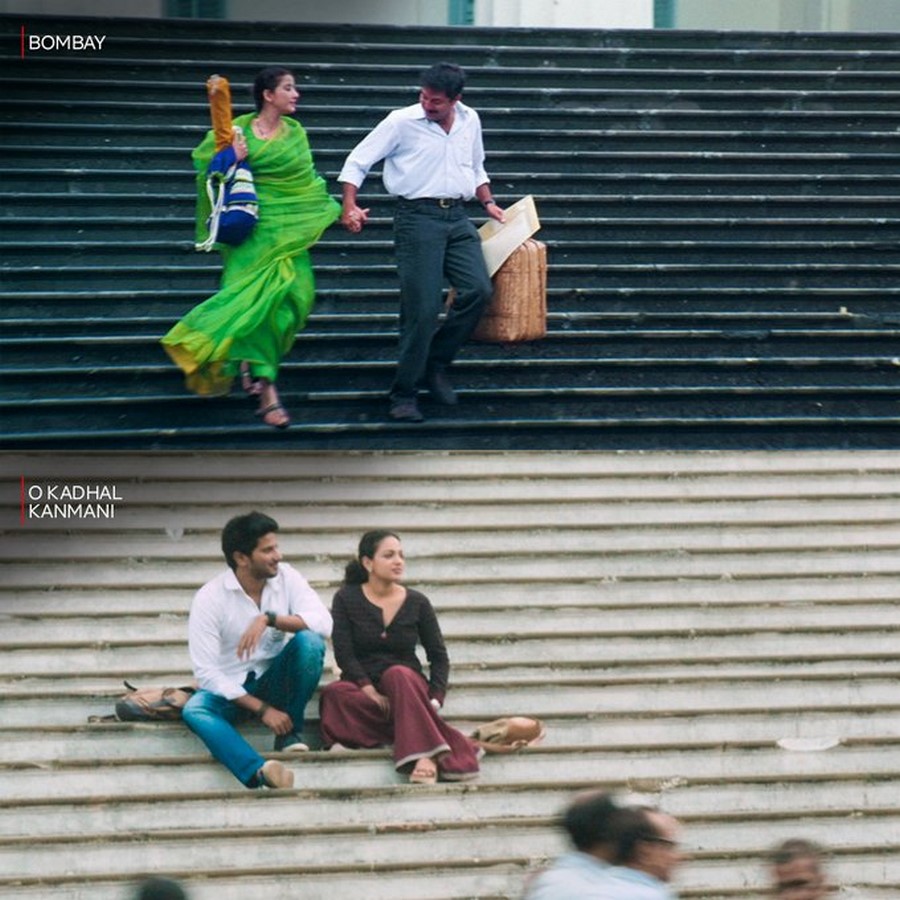
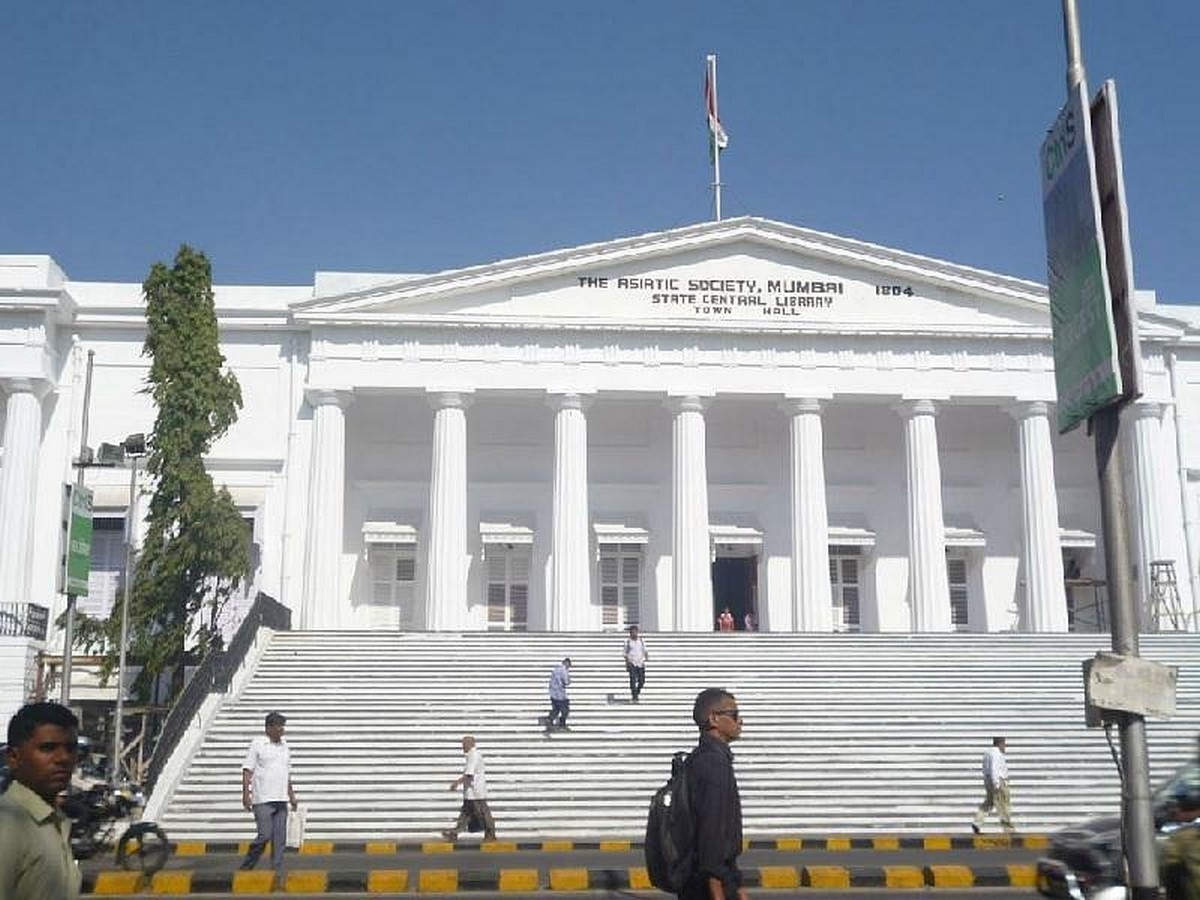
The AR Rahman-composed song “Mental Manadhil” has one segment where the lead actors are sitting on the stairs of the Asiatic Library in Mumbai, a 150-year-old library that is among the most popular ones in Mumbai. The pictures clearly show also that the library’s stairs are suitable for public seating purposes as well. The library, having contributed to the heritage of the country for several years, owns a collection of 100k books, including manuscripts, periodicals, coins, colorful folios, maps, and printed works. Sir James Mackintosh opened the Asiatic Society of Bombay Library in addition to the Literary Society of Bombay in the year 1804. In 1991 it was possible to build a laboratory (dust-free and air-conditioned) for rare publications in the library. The neo-classical structures like the Asiatic Library and the Town Hall are the oldest buildings constructed in Mumbai. Each part of the structure is delineated through the sturdy iron pillars, a triangular roof decorated with the facade, white paint, and a false ceiling in the main foyer. This was the style of architecture that was a revival of the ancient Greek and Roman textures that are well-known for their perfection.
Gateway of India:
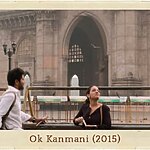
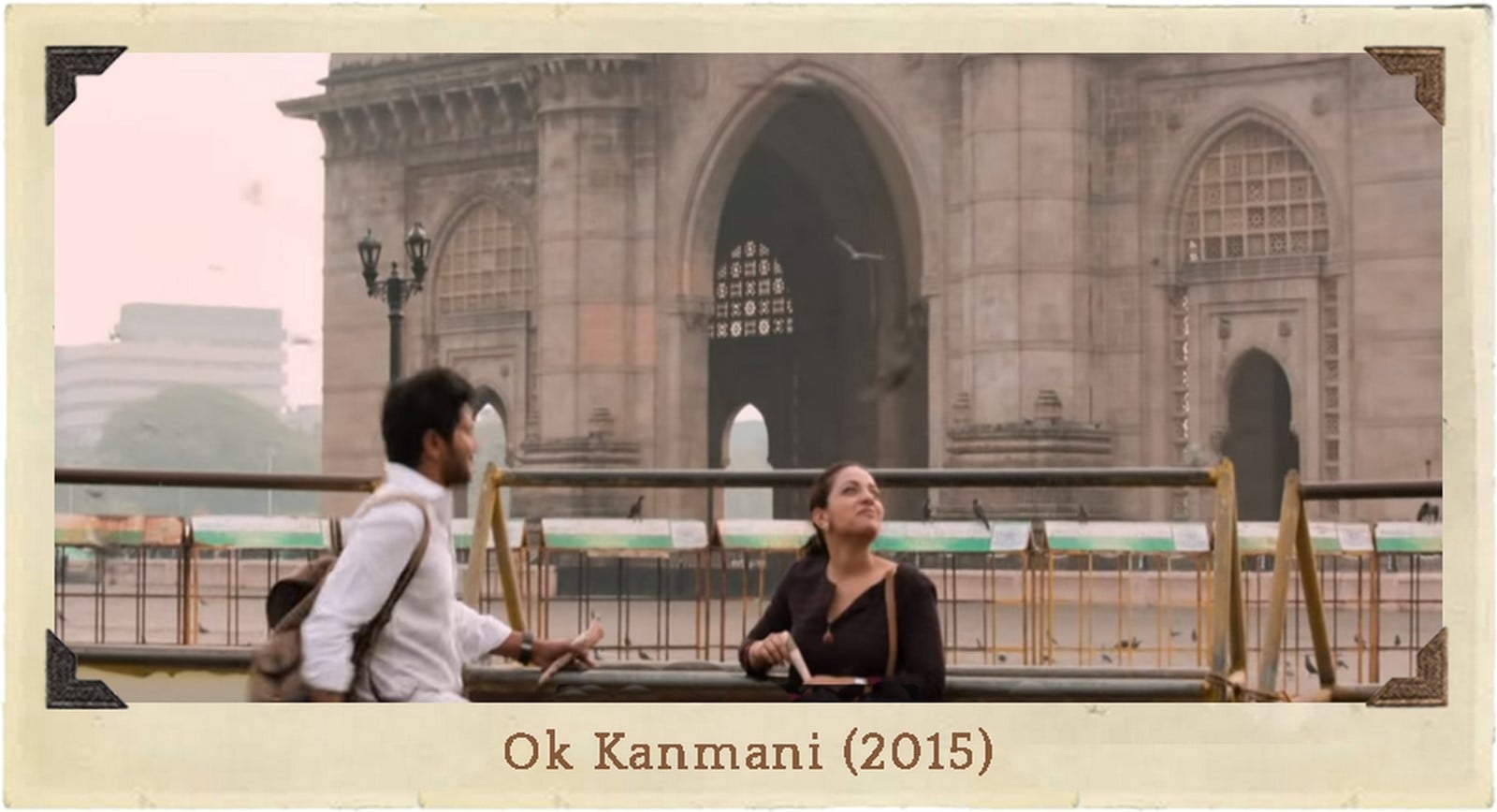
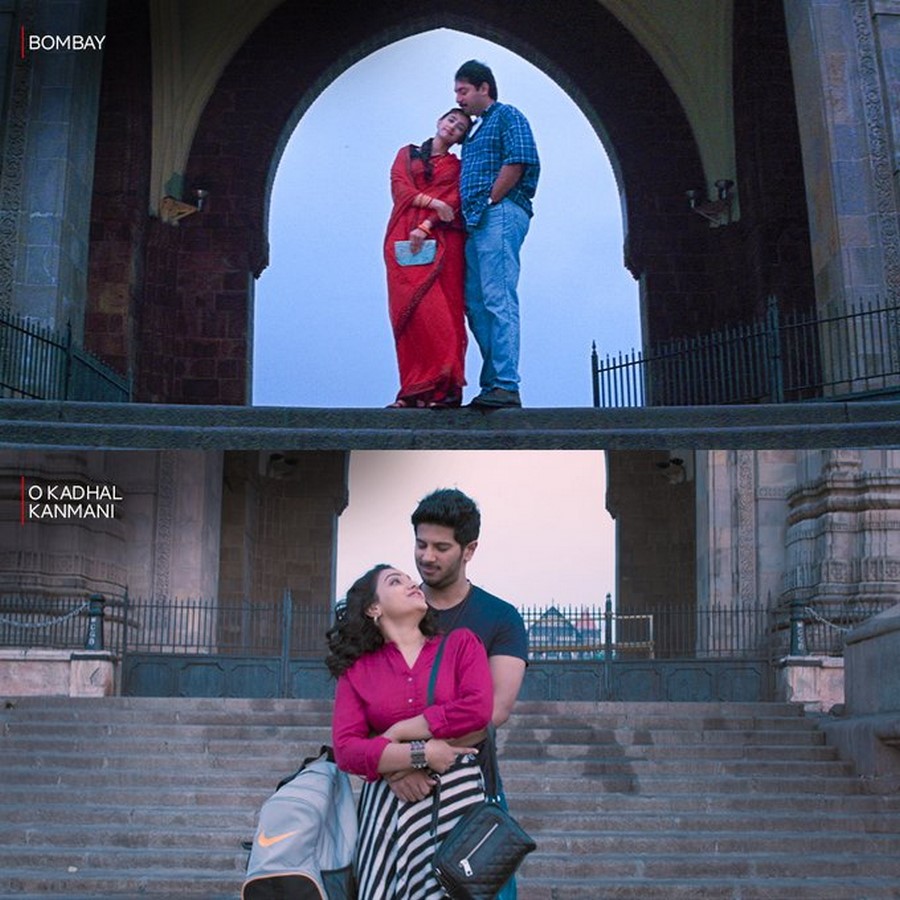
The movie included the scene in front of the gateway of India. The Gateway of India is indeed a great symbol of the Indo-Islamic style of architecture. Despite the influence of the Muslim architectural design, the finesse of ornamentation has the Hindu style. The monument has been made using basalt yellow split and reinforced concrete. The main arch of the Gateway’s outer front is 85 feet high, while the central dome stands 82 feet in height and 48 feet in diameter. The base of this structure has 4 turrets masterly decorated with regal latticework. A set of stairs which is only a short flight and situated at the back of the Gateway is erected at the sea edge of the Arabian Sea. The wide halls, one opposite each other, can seat 600 people per hall at once.
The Luz House, Mylapore, Chennai:
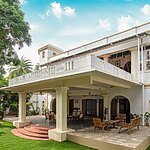
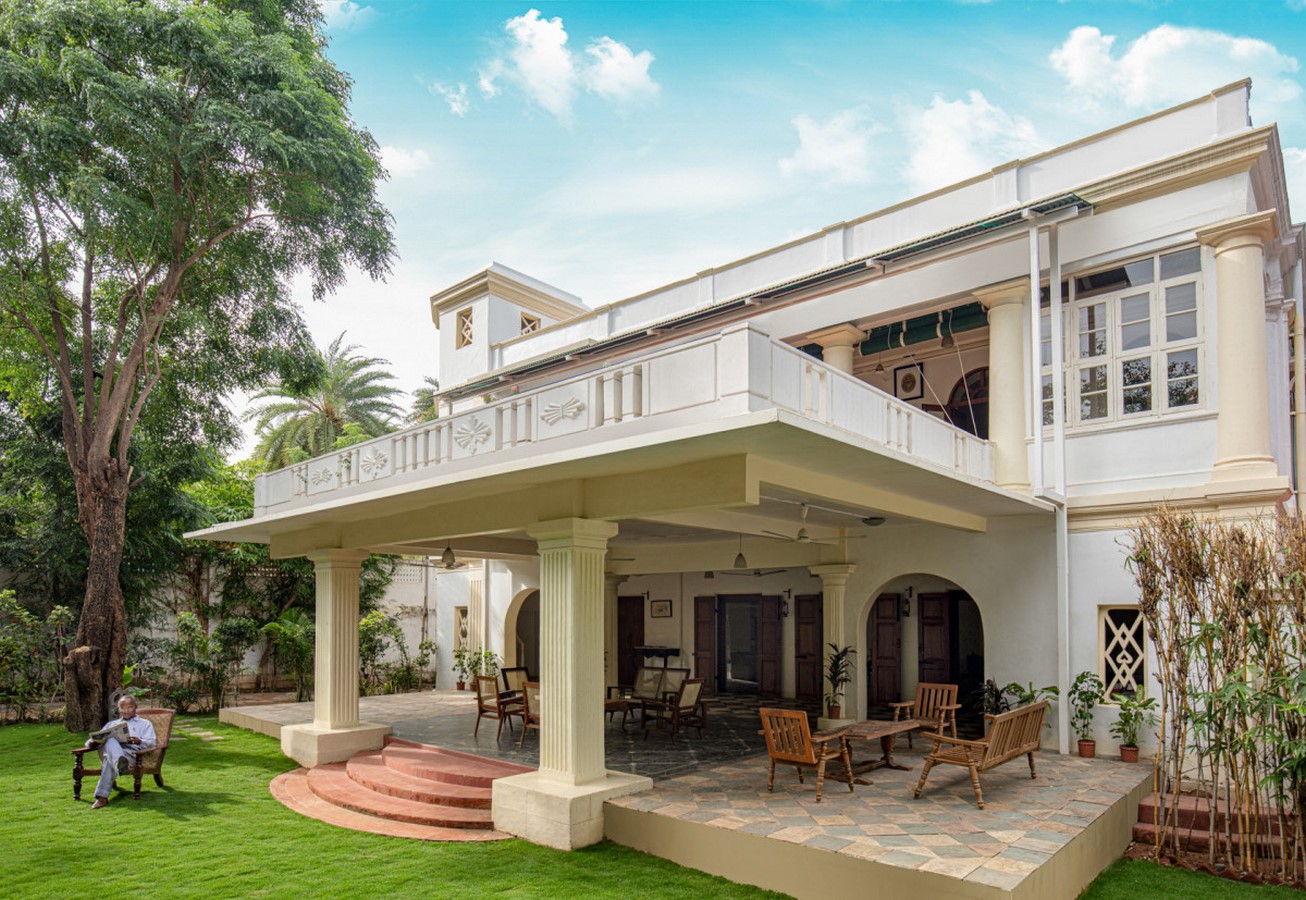
Luz House, Mylapore, Chennai, is an unrecognized structure that was presented as the locality of a women’s Hostel in Mumbai and is in Chennai. There is a gorgeous 250-year-old Dutch Colonial bungalow called Luz House, Which belonged to the Portuguese when they first arrived in India in the mid-16th century. In the past, outside of Luz House, there was no house there but a church for the Portuguese military. It is also where the Dutch, and then the British, settled down for a while. The property was from and then purchased by the current owner of the direct ancestors. The majestic white villa is given characterized by graceful columns, a balcony with colonial styling, and high ceilings. This villa will take you back to the olden days and you can see the Brazilian switches on the walls, real wood on doors, and red oxide flooring with tiles from the olden days. Through a lot of hard work and attention, this well-aged bungalow got its furniture pieces from antiques and has an air conditioner to regulate the temperature and light for ambiance.
Jama Masjid:
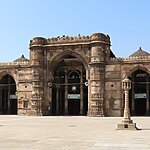
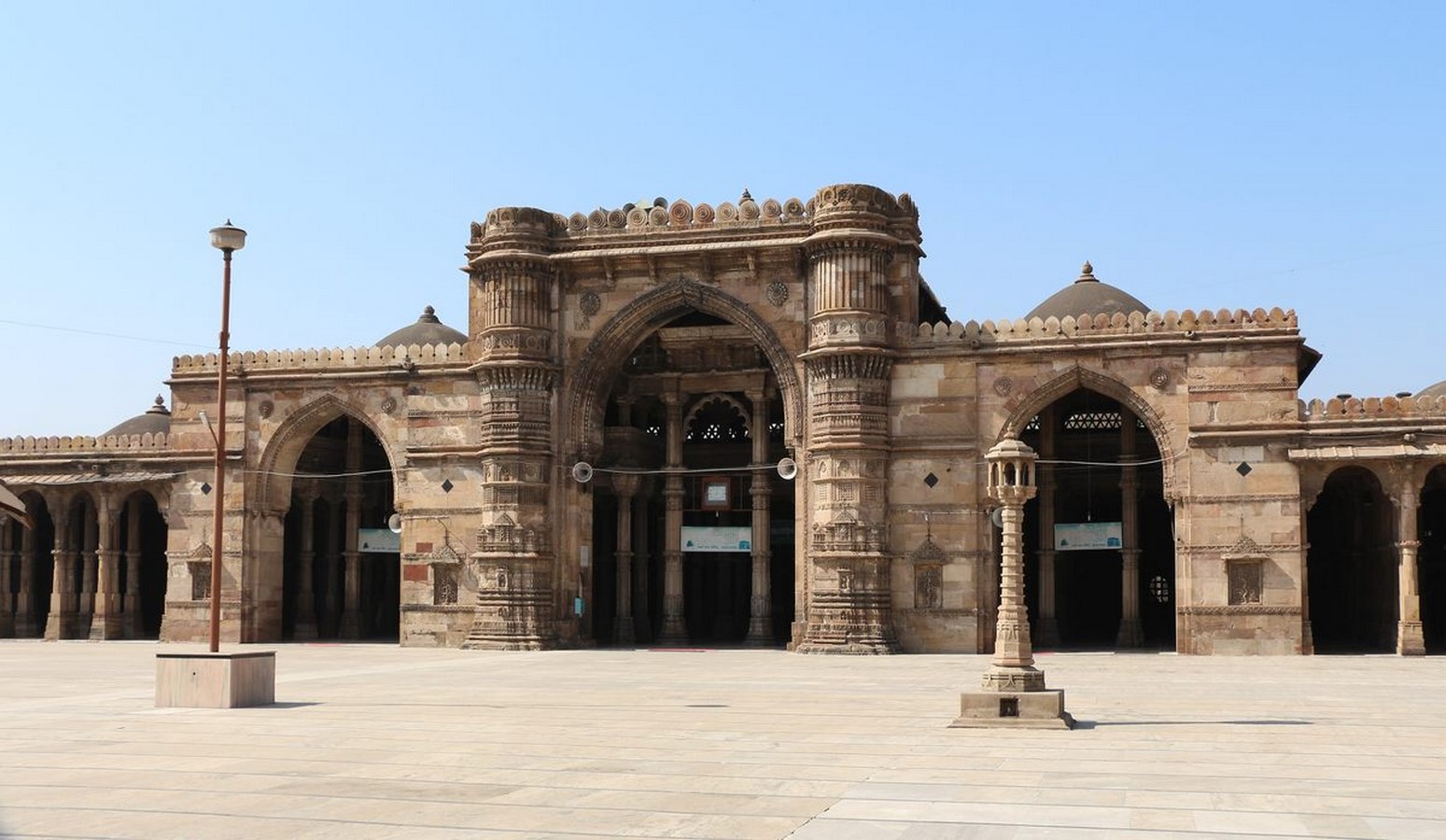
The Jama Masjid itself is one of the key locations of the movie. Similarly, they comprehended the beauty of this macroenvironment and demonstrated it in an excellent demonstration by mentioning its components. The scene then cuts to a shot where the heroine draws the program of utilitarians and hence praises the team’s practice of reflecting the architects’ their daily activities. The artists of the walls don the calligraphic signs of the mosque too The Jama Masjid (Friday Mosque) of Ahmedabad, Gujarat, is the only extraordinary embodiment of diverse architectural traditions that perfectly mixes and blends them into a unique and incomparable synthesis. Completed in 1424, it displays a harmonious integration of Islamic, Hindu, and Jain architectural elements and is the capital of the same kind anywhere in the Indian subcontinent.
Even though two main minarets besides the semi-circular gate of the domed mosque collapsed in the 1819 earthquake, their lower portions were well saved. Though these are screens of the minarets, mingled columns make one of the remarkable parts of the mosque. The characteristic of the design that is most reminiscent of the Hindu temple is the columns. The mosque also hosts beautiful inlaid Ilaji (derived from Arabic inlay) jalis (lattices) that contain true symmetry in their geometrical and floral patterns.
Amdavad Ni Gufa:
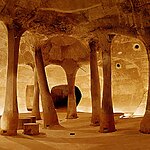
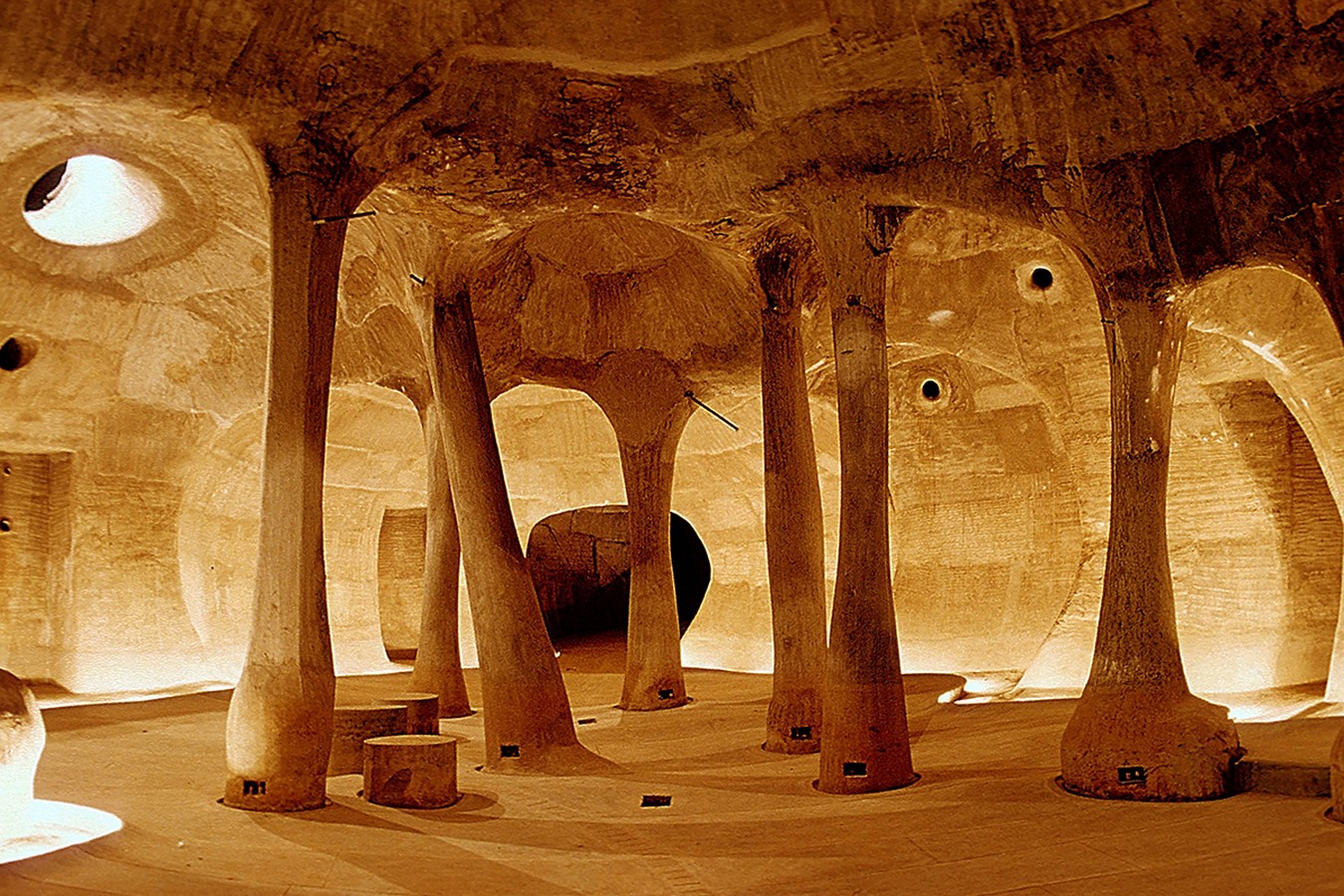
In the dialog where B.V. Doshi talks about Amdavad Ni Gufa being a structure at CEPT University, he presents its concept. The gufa means a collaboration between artist and architect. It’s an underground gallery that displays works by artist Maqbool Fida Husain. Doshi’s design came out of a 30-year-old discussion that he had with Husain about their response to climate and the usefulness of sheltering spaces. By combining artistic elements of the garden and gate, the architect bridges the building to the outside world.
Amdavad Ni Gufa, the gallery which was initially set up for the display of arts, transmogrified into a living entity and social center thanks to its juxtaposed dialectics of computer-automated design, mobile ferro-cement forms as well as skilled artisans reusing waste materials. The materials of the gufa rekindle the illusion of light and emotions, which evolved during the agony of an artist and an architect. The project brought up fundamental questions concerning the function, space, and techniques when these are put on the background of structure and form.
The roof with the tortoiseshell shape is adorned with porcelain mosaic tiles that are reflective of the sunlight and block excessive heating effects. The undulating interiors are crafted to resemble a cave with handmade shells created using reinforcing bars and mesh covered with cement, compacted vermiculite, and mosaic pieces.
CEPT University:
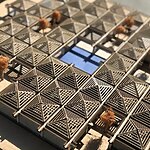
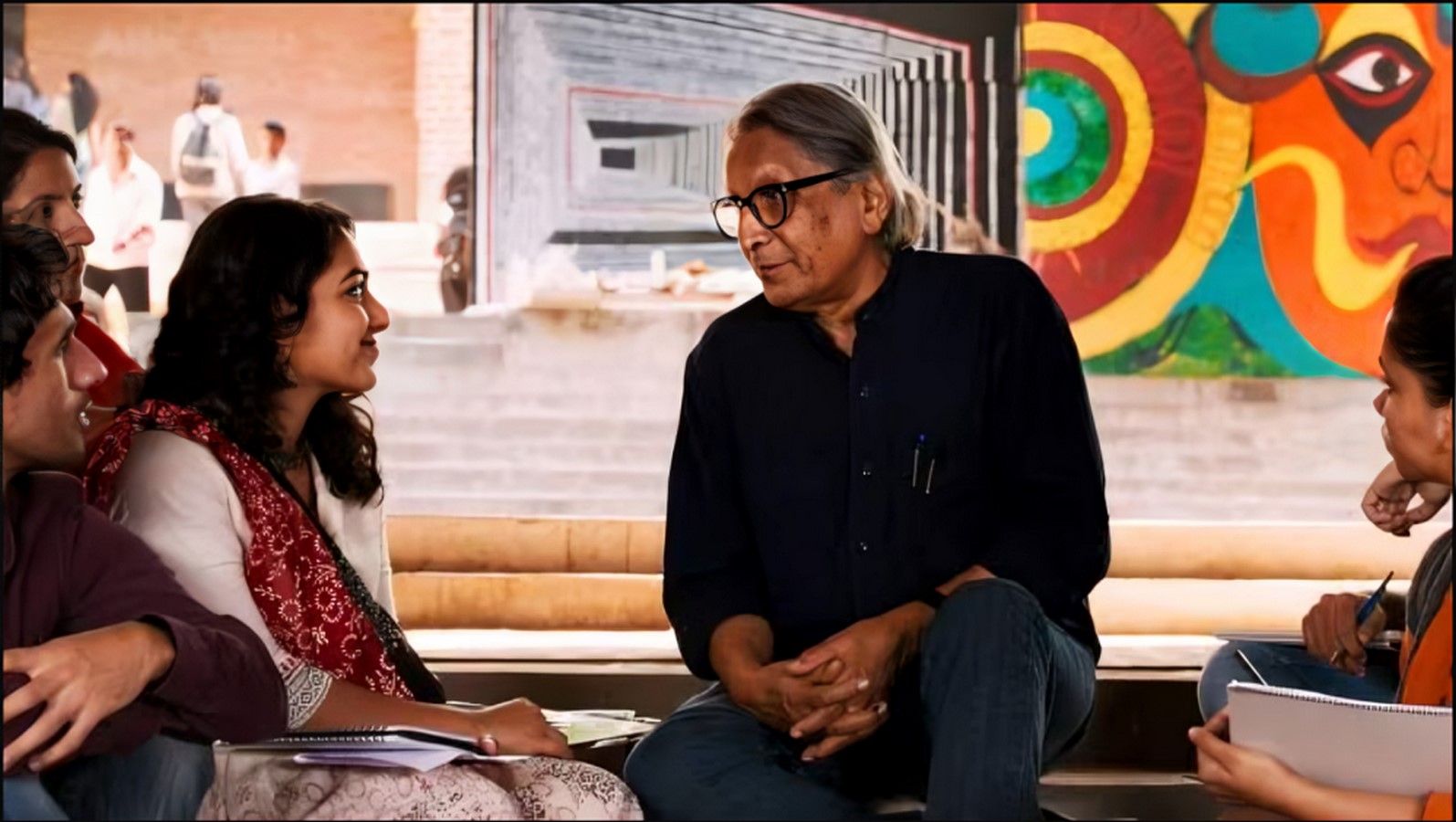
The movie doesn’t include any of the scenes shot on the CEPT University campus, CEPT University appears in the background when the Pritzker Prize winner B.V. Doshi beholds the school for a moment. The Institute of Environmental Planning and Technology (CEPT) in Ahmedabad, which was the School of Architecture and Planning, became operational in 1962. The choice of the illustrious architect in the person of B.V. Doshi, the Indian Pritzker-winning architect, was in charge of this grand prerogative of designing this unique learning environment. Somehow, CEPT was India’s first architectural college and, at that period, there were no other precedents in the country worth mentioning. The author had a particular void that they wanted to fill. So, while researching books, also see that typically names such as Harvard and Bauhaus were mentioned, but not an Indian equivalent.
The campus originally was spread over a 12.5 acre area which had formerly been used as a manufacturing site of bricks whereas colonies of huts still dotted around. By serving as just the architecture building first, other blocks were added over time which led to the intermediate building services block, the interior design block, the Kanoria Centre, and the Hussain Doshi Gufa. Right now, the realm of study of CEPT has extended itself to take on different disciplines with a broader range of programs beyond architecture.
Sabarmati Ashram:
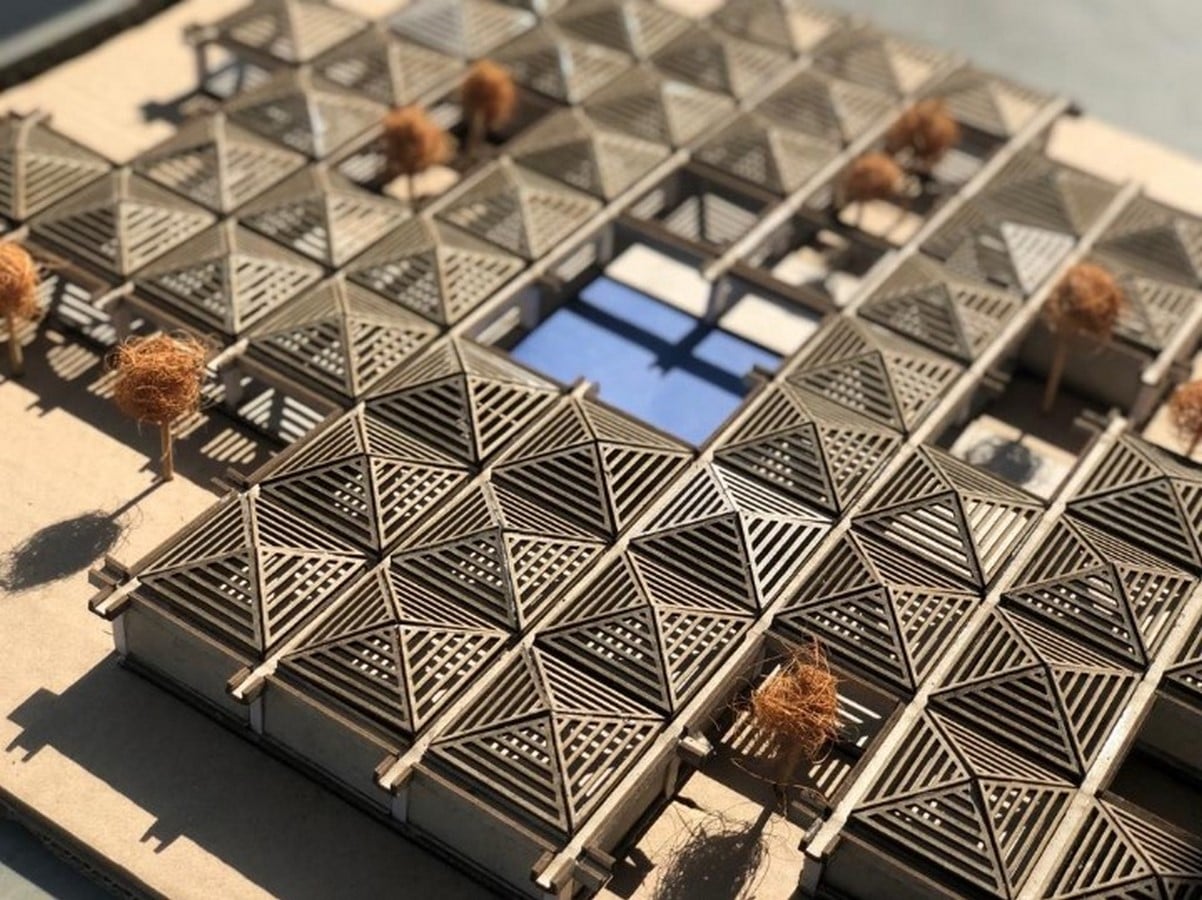
This museum called the ‘Gandhi Memorial Museum’, was the first one in India devoted to the Mahatma’s life and created by the famous Architect Charles Correa soon after the first Prime Minister died in 1948. It’s situated in This museum, called the ‘Gandhi Memorial Museum’, was the first one in India devoted to the Mahatma’s life and created by the famous The humble and humanly-scaled memorial that has a roof constituting stone and floors made up of bricks finds a way in which it can strike a balance of contemporary idiom with the spirit of Swadeshi.
The building was Correa’s first important commission when he began his practice in private. The architect took in the idea of the simplicity of Gandhi’s life and the process-oriented quality of a living institution. Moreover, he used modular units of concrete 1.82 meters x 1.82 meters in size, each with both covered and open spaces that allow for later expansion.
Shilpa Architects:
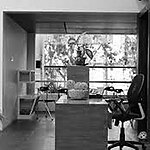
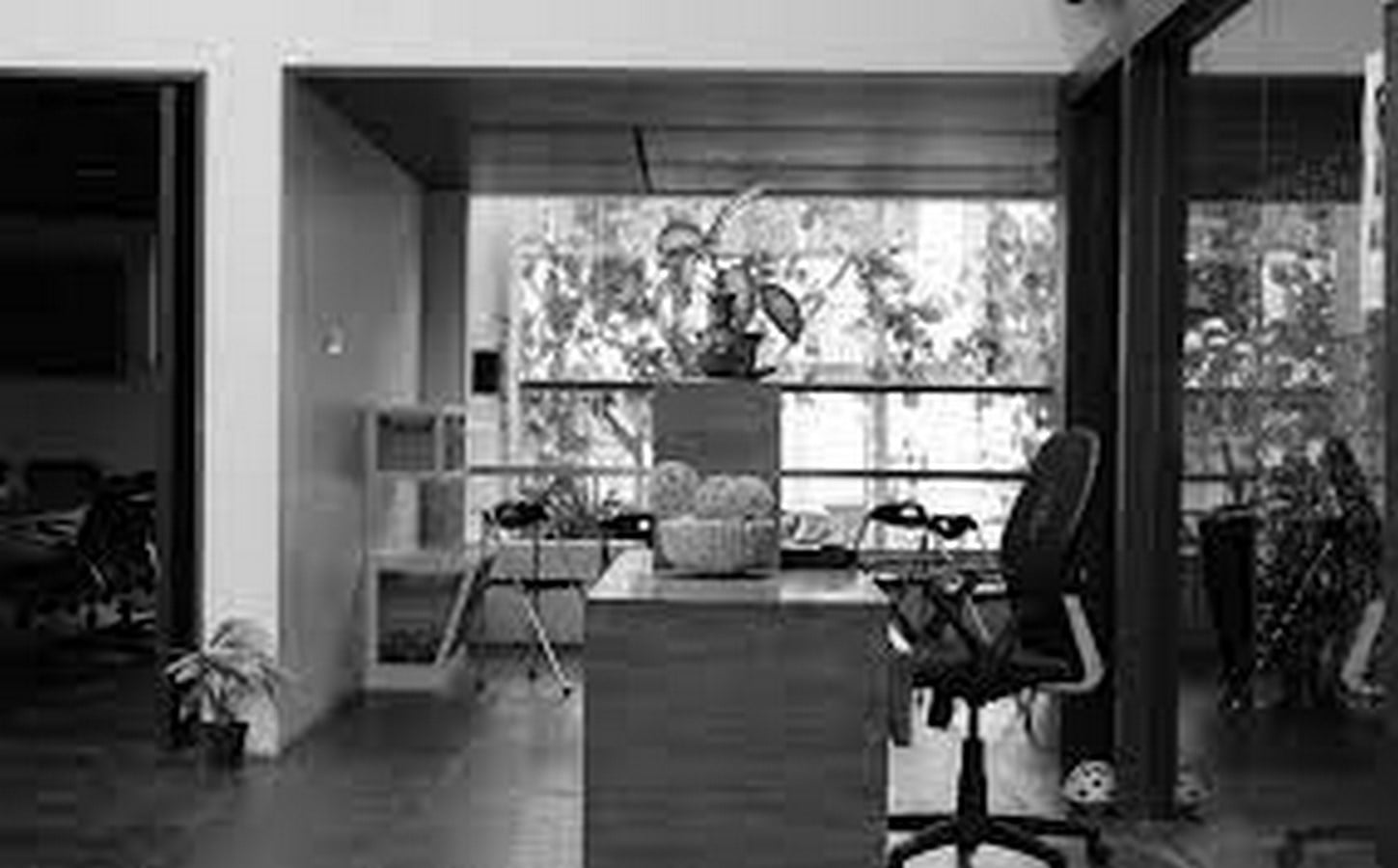
The Office environment scenes were shot at the Shilpa Architects studio, in Chennai. Shilpa Architects Planners Designers Architectural Design firm headquartered in India, founded in 1979.
Architect’s cameo:
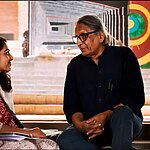
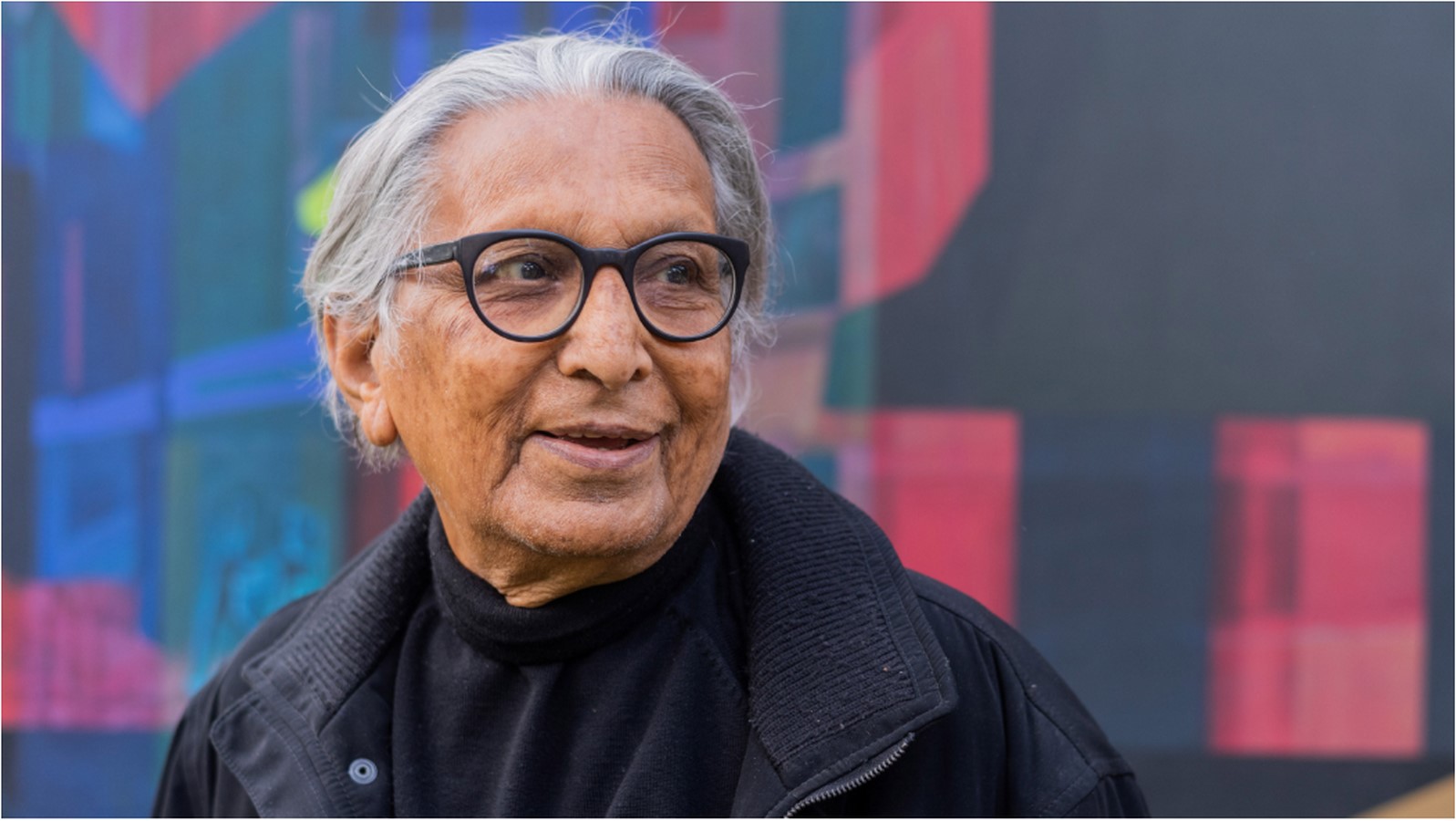
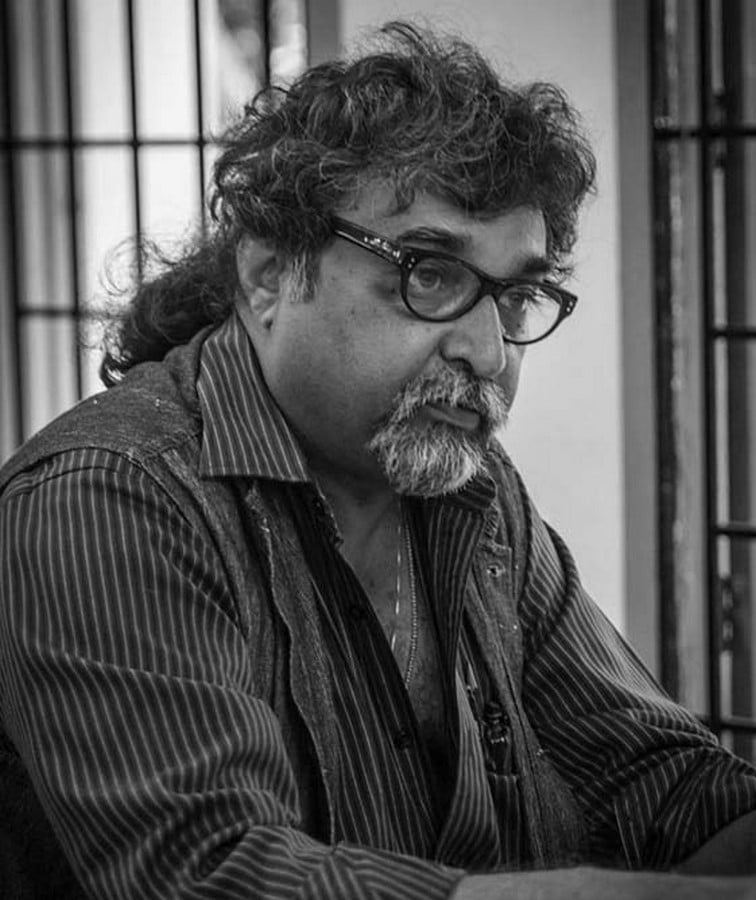
The architecture of the film was imbued by two famous ambassadors and a few other architects. The Notable mention is India’s Pride the trendsetter of his glasses and trademark jacket, B.V. Doshi the Pritzker Prize winner, founder of CEPT University, and Vastu Shilpa Constructions, did a cameo in this film explaining the significance of his works. He made an appearance as himself but his coming had left an indelible mark to young architects who saw the picture. To them it was an unexpected turn of events that they can’t thank enough for understanding how much B.V.Doshi means and according to him such recognition he deserves. On this, it was Pramod Balakrishnan who finished CEPT Ahmedabad in 1981. Then for a while, he worked at offices in Ahmedabad before going to work in Kuwait where he spearheaded many projects across the Middle East. After returning to India in 1985, he founded Edifice in 1987.
The architectural and cinematographic aspects of the film “OK Kanmani” deeply enriched its narrative. Urban lifestyle is portrayed in a real way, capturing different modes of transportation and highlighting heritage places that have this practical use in our daily lives. This window into their daily lives, feelings, and interactions also gives us a view of the urban setting where they live. The movie’s examination of architecture through the eyes of its lens work brings depth to it, adds visual poetry, and makes it more realistic as a modern love story.
Credits:
- Adappa, G. (2019) British Colonial Home, Design Dekko. Available at: https://www.designdekko.com/projects/gowriadappa/british-colonial-home (Accessed: 03 March 2024).
- Ugc (2019) Jama masjid, Atlas Obscura. Available at: https://www.atlasobscura.com/places/jama-masjid#:~:text=Completed%20in%201424%2C%20the%20mosque,1819%2C%20their%20lower%20portions%20survived. (Accessed: 03 March 2024).
- Manchimaster (no date) Town Hall – Review of Town Hall (Asiatic Society Library), Mumbai, India, Tripadvisor. Available at: https://www.tripadvisor.com/ShowUserReviews-g304554-d321417-r642352827-Town_Hall_Asiatic_Society_Library-Mumbai_Maharashtra.html (Accessed: 03 March 2024).
- South, N.I. (2021) Between our ‘Humma Hummas’ and our ‘like-A like my Lailas’, we may have grown up. but Love has remained the same. our love for these movies has remained the same. pic.twitter.com/p2orcrlpwd, Twitter. Available at: https://twitter.com/Netflix_INSouth/status/1428364870043389959 (Accessed: 03 March 2024).
- Architect Magazine (no date) Amdavad ni gufa | architect magazine, Architect Magazine. Available at: https://www.architectmagazine.com/project-gallery/amdavad-ni-gufa_o (Accessed: 03 March 2024).
- Pagad, A. (10AD) BV Doshi becomes first Indian to win UK’s Top Architectural Award: 5 things you need to know, dailyO. Available at: https://www.dailyo.in/variety/architect-bv-doshi-wins-2022-riba-royal-gold-medal-uk-34973 (Accessed: 03 March 2024).
- environspace.com (2020) Gandhi Ashram , Sabarmati , Ahmedabad , India, Landscape Architectural Design Studio. Available at: https://www.environspace.com/2020/08/gandhi-ashram-sabarmati-ahmedabad-india.html (Accessed: 03 March 2024).
- Aminath, I. (2023) Balkrishna Doshi, legendary Indian architect, dies at 95, Masala.com. Available at: https://www.masala.com/lifestyle/balkrishna-doshi-architect-dies-at-95 (Accessed: 03 March 2024).
- TASA (no date b) Tasa people of change, TASA India. Available at: https://tasa-india.com/people-of-change-tasa/ (Accessed: 03 March 2024).
- Chhatrapati Shivaji Maharaj Terminus – Railway Station in Mumbai (no date) Planet of Hotels . Available at: https://planetofhotels.com/guide/en/india/mumbai/chhatrapati-shivaji-terminus-railway-station (Accessed: 03 March 2024).
- Shilpa architects (2024) Shilpa Architects. Available at: https://shilpaarchitects.com/ (Accessed: 03 March 2024).
- Where do lovers go in Mumbai for privacy mein pyaar? – agents of Ishq (no date) – Agents of Ishq. Available at: https://agentsofishq.com/post/where-do-lovers-go-in-mumbai-for-privacy-mein-pyaar (Accessed: 03 March 2024).