What is Design for Disassembly?
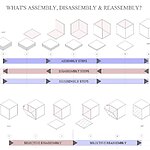
The Design for Delivery (DfD) approach is a valuable resource for recovering goods, components, and materials during building renovations or demolitions. By emphasizing reusing, repairing, recycling, and remanufacturing, DfD reduces environmental impact and maximizes economic value. This process involves creating assemblies, parts, materials, building methods, information, and management systems to achieve these goals.

As the importance of managing the end-of-life of goods becomes more apparent, DfD is increasingly utilized in the industrial industry. The initiative is driven by the need to reduce the disposal of consumer items, which leads to pollution and the loss of energy and resources.
Safe biodegradation and energy recovery from materials are also included in the DfD building design process. Flexibility, convertibility, addition, and deletion of entire structures are made possible by DfD. DfD can prevent the complete demolition of structures in this way.
How to design to disassembly

- Revering the plan when considering assembling a new idea or structure is highly recommended. It involves visualizing the disassembly process and selecting reusable materials that are easy to remove, streamlining the demolition process as much as possible.
- Circularity and tangible worth should also be considered when choosing resources for a structure. It is essential to think ahead and verify that the materials used will still be valuable in the future. Additionally, it is crucial to ensure that everything works in a circular economy system, where waste is minimized and energy use is maximized during the demolition process.
- Keeping track of all materials used and their placement within the structure can help prevent errors during disassembly. This information can also be precious for future structure managers, allowing them to make informed decisions and select the most effective methods for dismantling it.
- Another recommended strategy is to lease building materials instead of purchasing them. This approach ensures the utmost care is taken with the materials, which must be returned to their owners. It is important to remember that we are renting these resources from future generations, and we must take responsibility for our environmental impact.
- Finally, it is essential to acknowledge that using recycled materials does not mean sacrificing quality. Building material recycling has been stigmatized as a practice that stifles creativity and limits design possibilities. However, recycled materials can add character and unique qualities to a structure. Designing with disassembly in mind is an excellent way to demonstrate a commitment to reusing resources and creating a self-sufficient system that minimizes waste.
Benefits of design to disassembly
An architectural method known as Design for Disassembly (DfD) emphasizes the ease with which buildings may be disassembled at the end of their useful lives. This approach provides several noteworthy advantages, such as:
Advantages for the environment
- Decreased waste: DfD considerably lowers the waste associated with construction and demolition by facilitating the recycling and reuse of building materials. It reduces the influence of the building sector on the environment and helps conserve natural resources.
- Reduced embodied energy: The energy required to extract, process, transport, and assemble a material is its energy. By permitting materials to be reused in new structures and preventing the need to remove and process new ones, Design for Delivery contributes to the reduction of embodied energy.
Economical Benefits:
- Savings: By lowering the demand for new materials and the expense of disposing of old ones, DfD can eventually result in cost savings. Reconfiguration and adaptation of structures can also reduce the cost of renovations.
- Enhanced material value: Buildings intended to be disassembled have individual parts worth more when they eventually wear out. Used building materials now have a market, which is advantageous to buyers and sellers.
Social Benefits
- Enhanced adaptability: DfD structures are more accessible to modify to meet shifting requirements and purposes. It is beneficial in cities needing more space and where requirements are ever-changing.
- Improved community development: By encouraging a more ethical and sustainable approach to building, DfD may help the community as a whole. Additionally, it can stimulate originality and creativity in building design and construction.

Case study: The ICEhouse
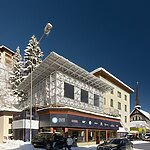
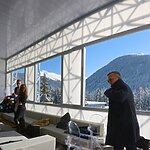
The ICEhouse, an impressive new architectural structure created by William McDonough, was recently presented in Davos, Switzerland. It is a remarkable demonstration of how the circular economy can reuse resources, how the UN’s sustainable development goals can be realized, and how positive design principles can be applied as described in Cradle to Cradle: Remaking the Way We Make Things. During the annual conference of the World Economic Forum, the ICEhouse served as a meeting place for attendees. After a week of use, it will be dismantled and rebuilt elsewhere.
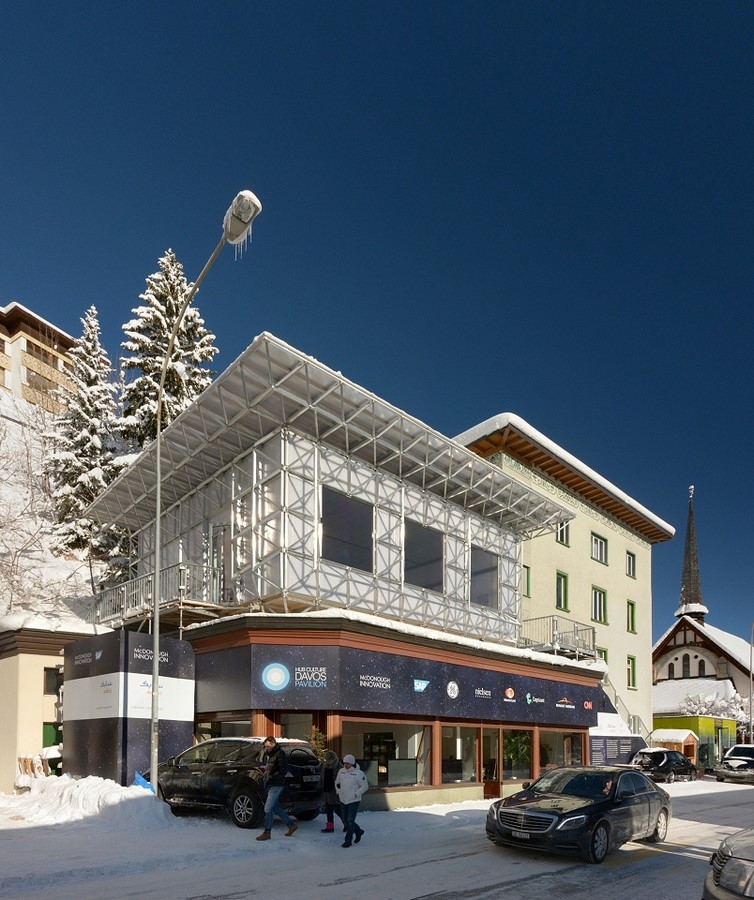
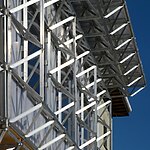
The ICEhouse is constructed using McDonough’s WonderFrameTM, a customizable structural system made from regional materials and presented in an experimental version of this structure. The Wonderframe is enhanced with flooring materials from the Shaw Contract Group and LEXANTM polycarbonate sheets and systems. The entire structure can be constructed and dismantled within days, offering limitless reuse and mobility, which is an impressive step forward for Cradle-to-Cradle architecture and the Circular Economy.

Following the 2016 World Economic Forum, McDonough has announced plans to open an ICEhouse at The Valley at Schiphol Trade Park in the Netherlands, the country’s new national hub for the circular economy. This innovative structure is set to inspire architects and designers worldwide to embrace eco-friendly and sustainable design principles.

In conclusion, considering the disassembly process and designing with circularity and sustainability can help ensure that structures are built with the future in mind. These practices can help protect the environment and create a more habitable world for future generations.
References:
- Kingcounty.gov. (2023). Design for Disassembly (DfD) guidelines for green building projects in King County, WA – King County, Washington. [online] Available at: https://kingcounty.gov/en/legacy/depts/dnrp/solid-waste/programs/green-building/construction-demolition/disassembly#:~:text=DfD%20is%20a%20building%20design.
- Anon, (n.d.). Design for Disassembly: Building the Future through Deconstruction – Arch2O.com. [online] Available at: https://www.arch2o.com/design-for-disassembly/.
- ArchDaily. (2016). William McDonough Unveils ICEhouseTM, The Next Step in the Circular Economy. [online] Available at: https://www.archdaily.com/780655/william-mcdonough-unveils-icehouse-the-next-step-in-the-circular-economy.