Planning and Designing
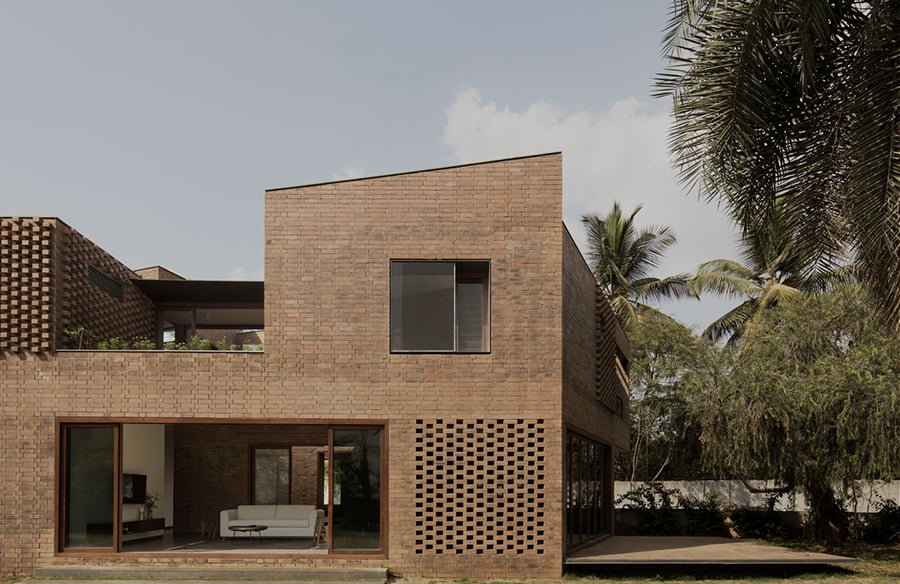
Amid Bangalore’s hectic lifestyle, The Brick House by Collective Project provides mental peace.
Constructed in 2018, the residence is located right in the centre of the city, with a site area of 4600 square feet.
The firm spent several hours learning about the clients’ lives and what they needed to build a home that they could love just as much. “Our goal was to celebrate the memory of the old house while at the same time creating a series of new interconnected spaces that were responsive to the way our clients lived and could evolve as the children grew older,” adds Higgins, and they did it right.
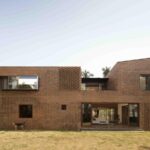
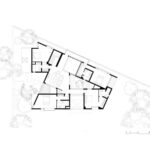
A two-bedroom simple brick house was transformed into a spacious home that can accommodate a growing family of eight—a couple, three children, and three dogs. The house comprises a living room overlooking the landscape area, a double-height, spacious dining room, a bar area, a library, and five bedrooms. The architectural approach aimed to honour the memory of the old house while adapting to the occupants’ changing lifestyles.
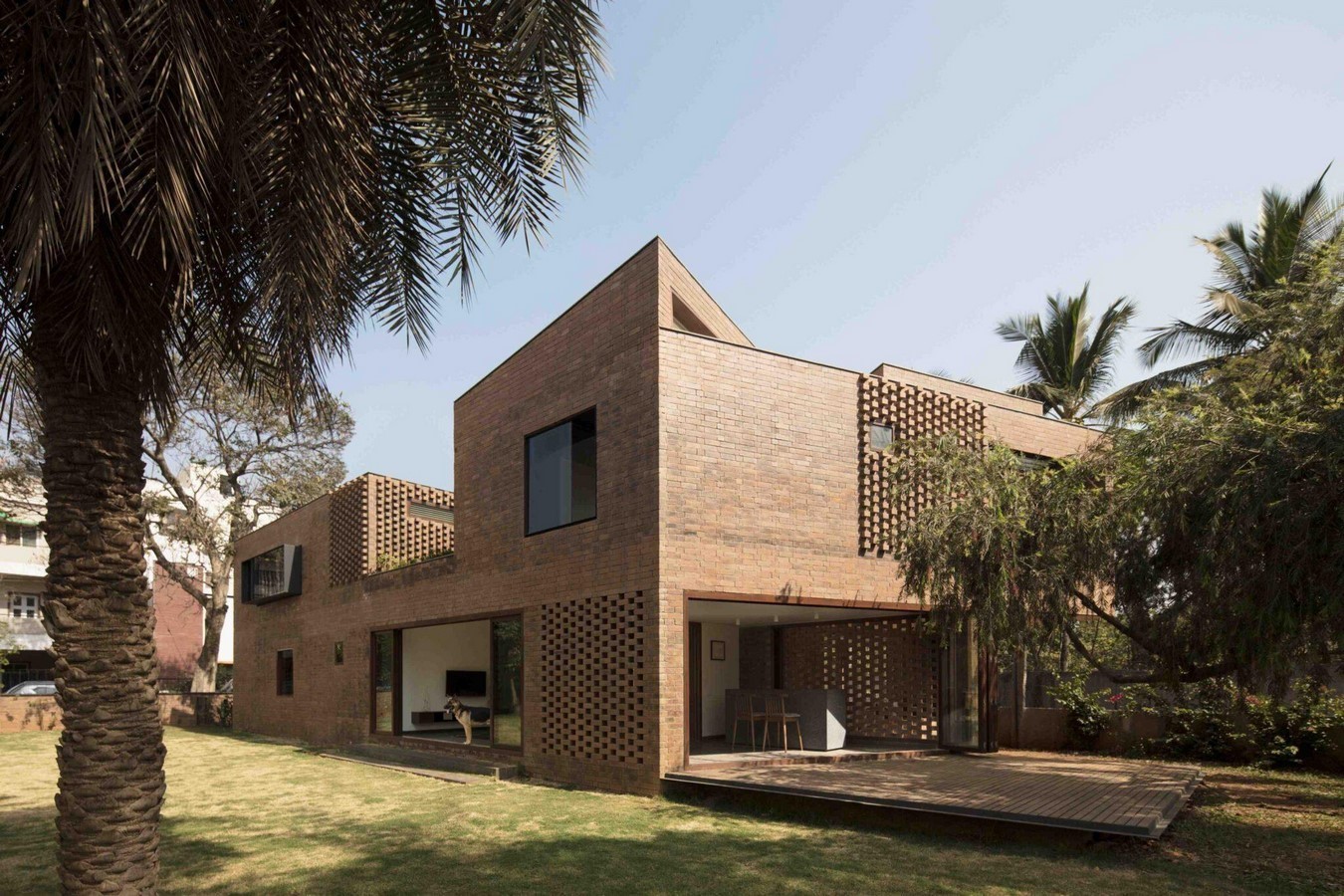
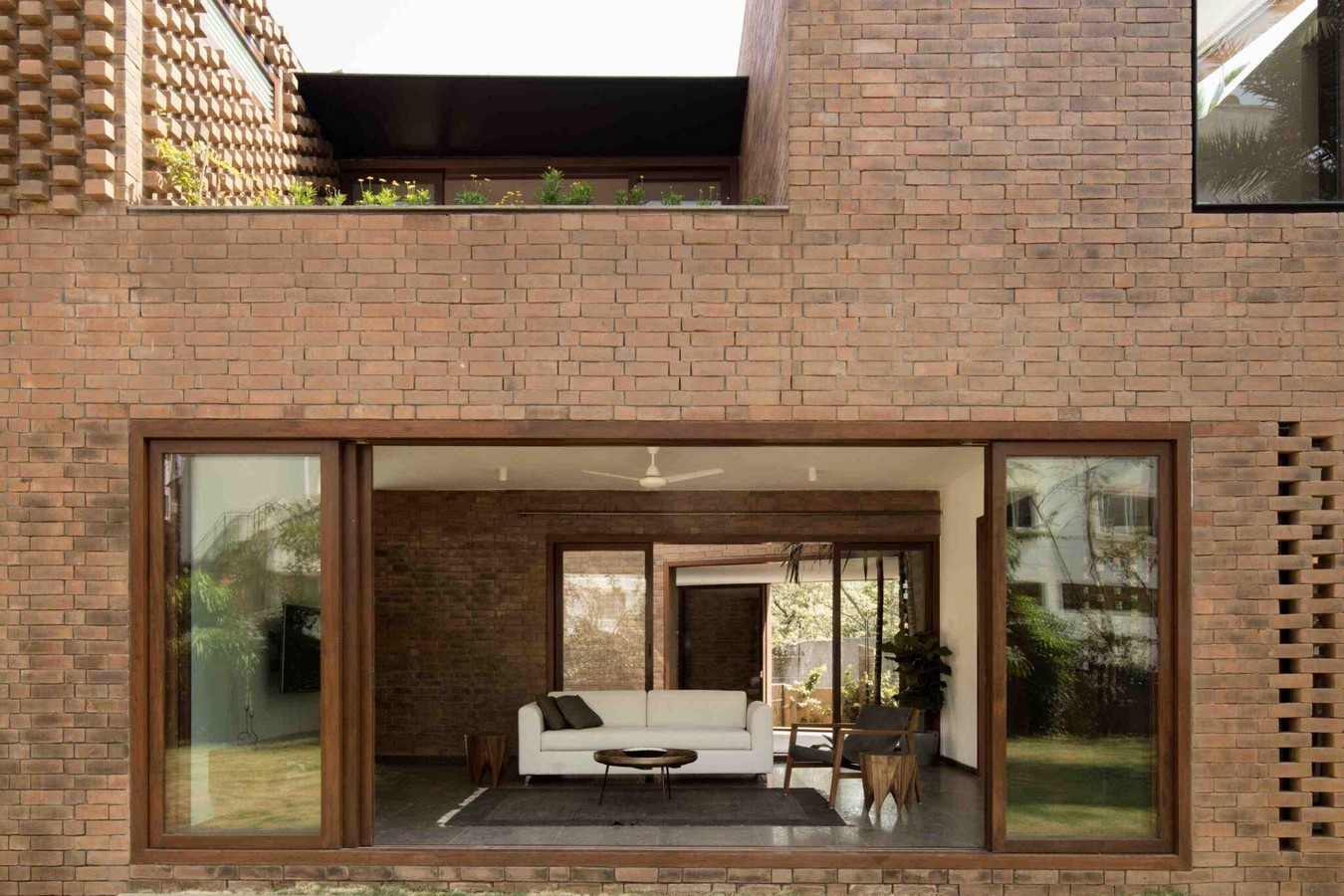
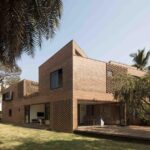
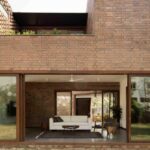
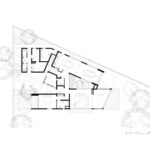
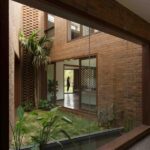
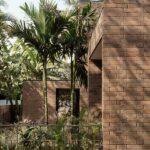
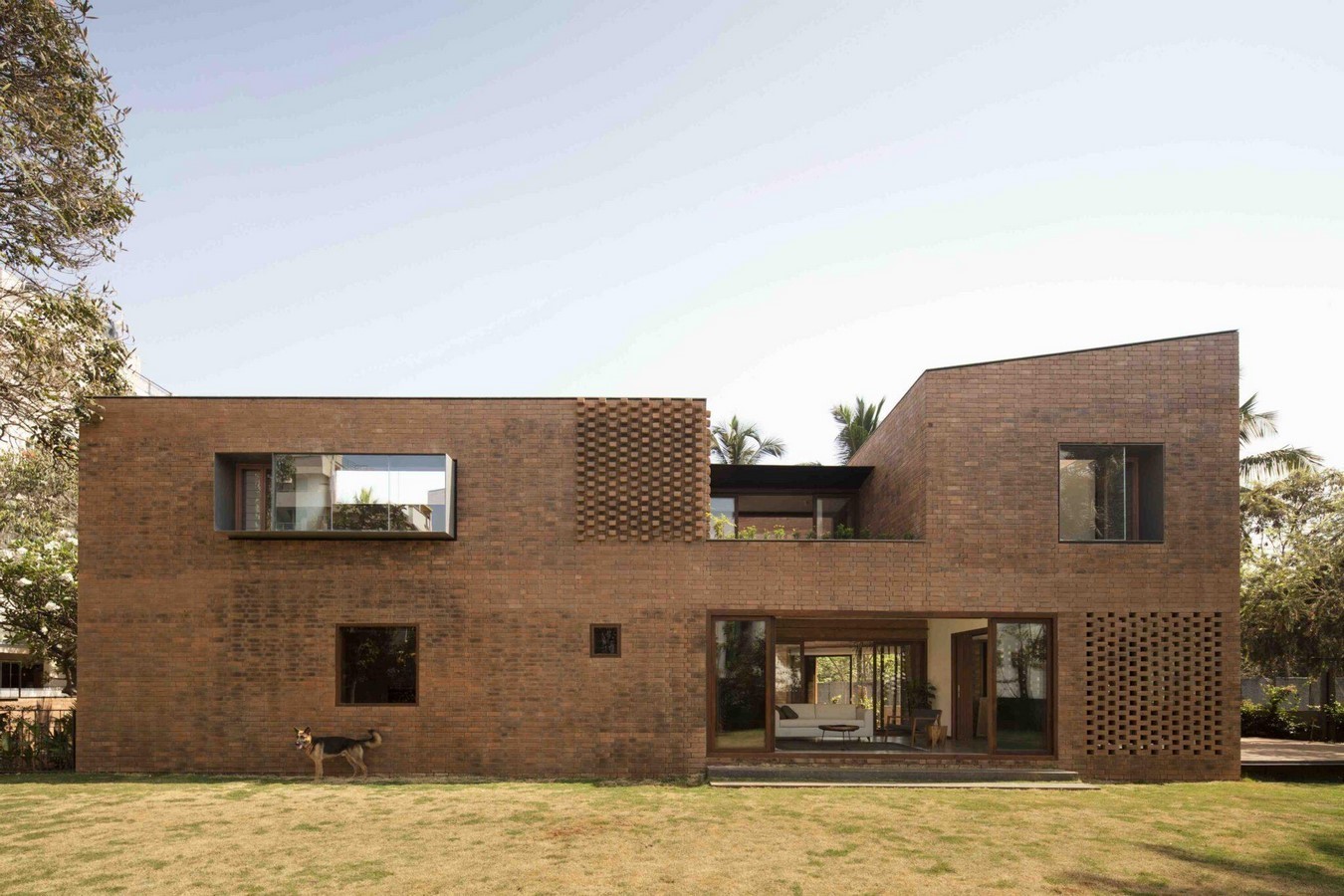
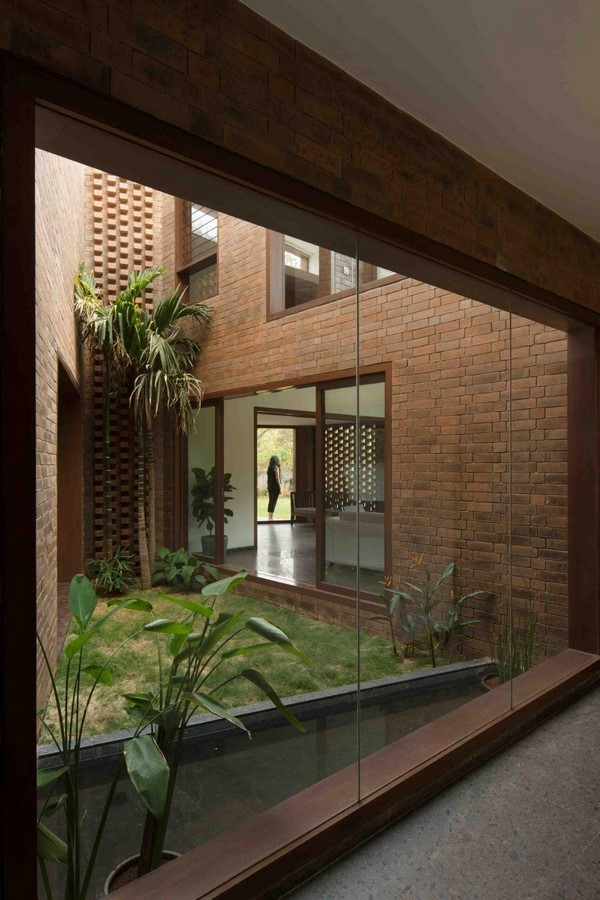
To strengthen the connection with nature, a central triangular courtyard was designed as the focal point, filled with vines and trees to form a layered garden. Large openings with glass panels on the ground floor overlooking the landscape create a smooth transition between indoor and outdoor areas.
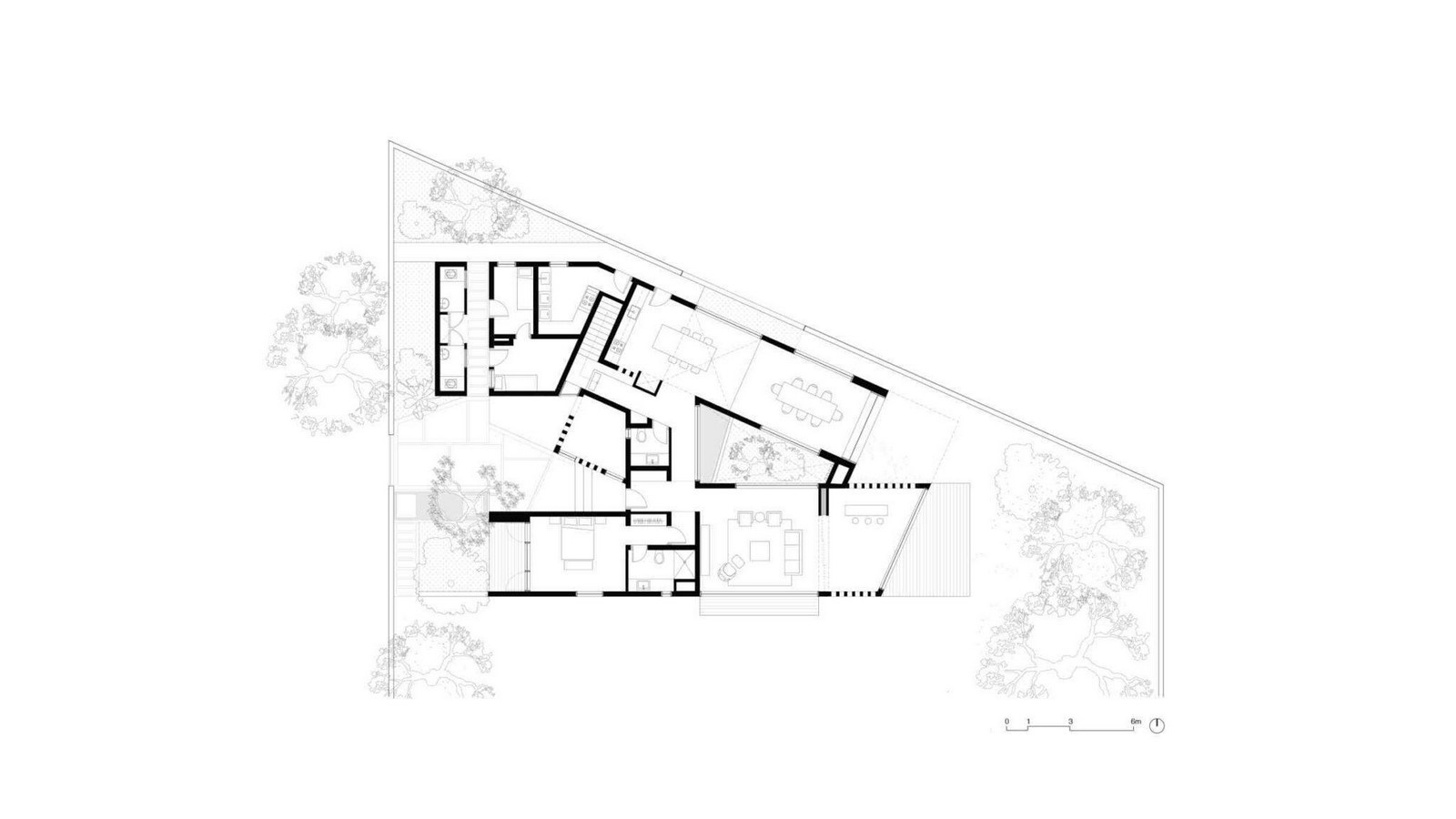
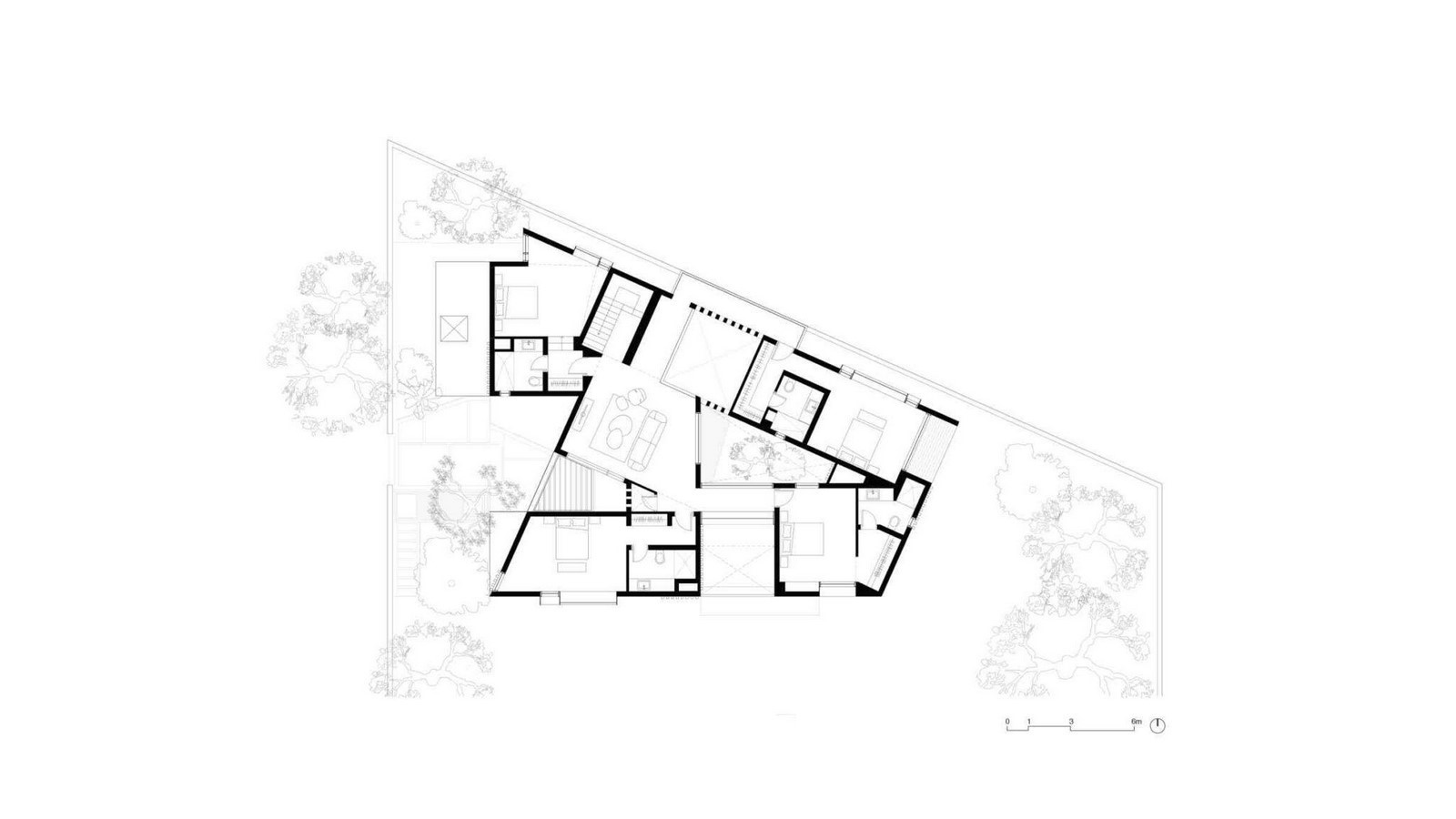
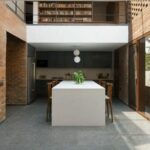
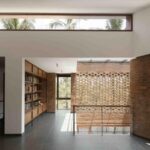
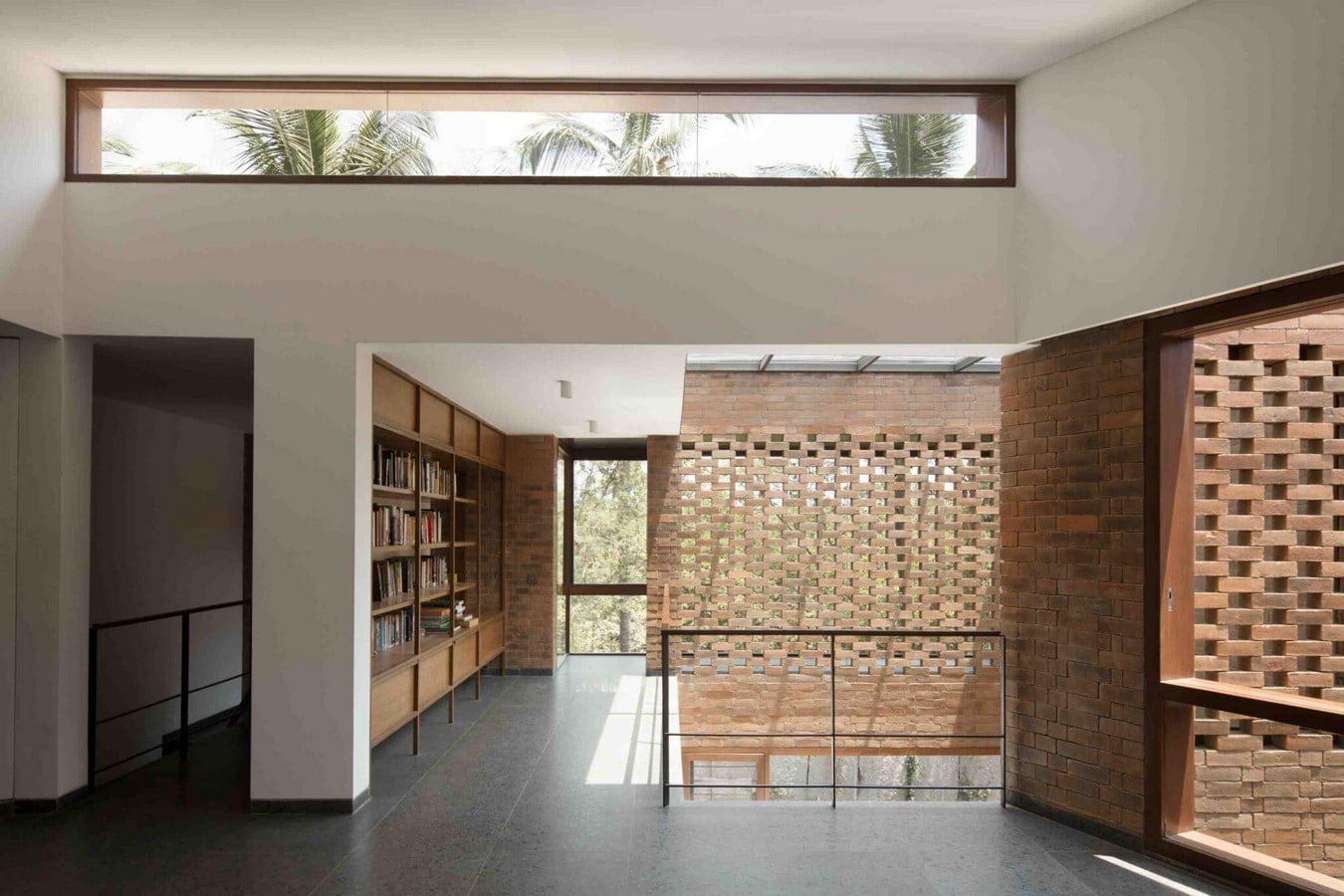
The dining area next to the kitchen is designed with a mix of white and wood elements, creating a bright and welcoming space flooded with natural light. The high ceiling not only adds openness but also lets you catch a glimpse of the library on the floor above.
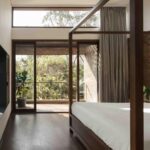
In the bedroom, the theme continues with a four-poster bed and dark wood shelves. This consistent design approach, using white and wood elements, gives the entire residence a simple yet elegant look. The intentional use of natural light and materials reflects a careful design that combines functionality with aesthetics.

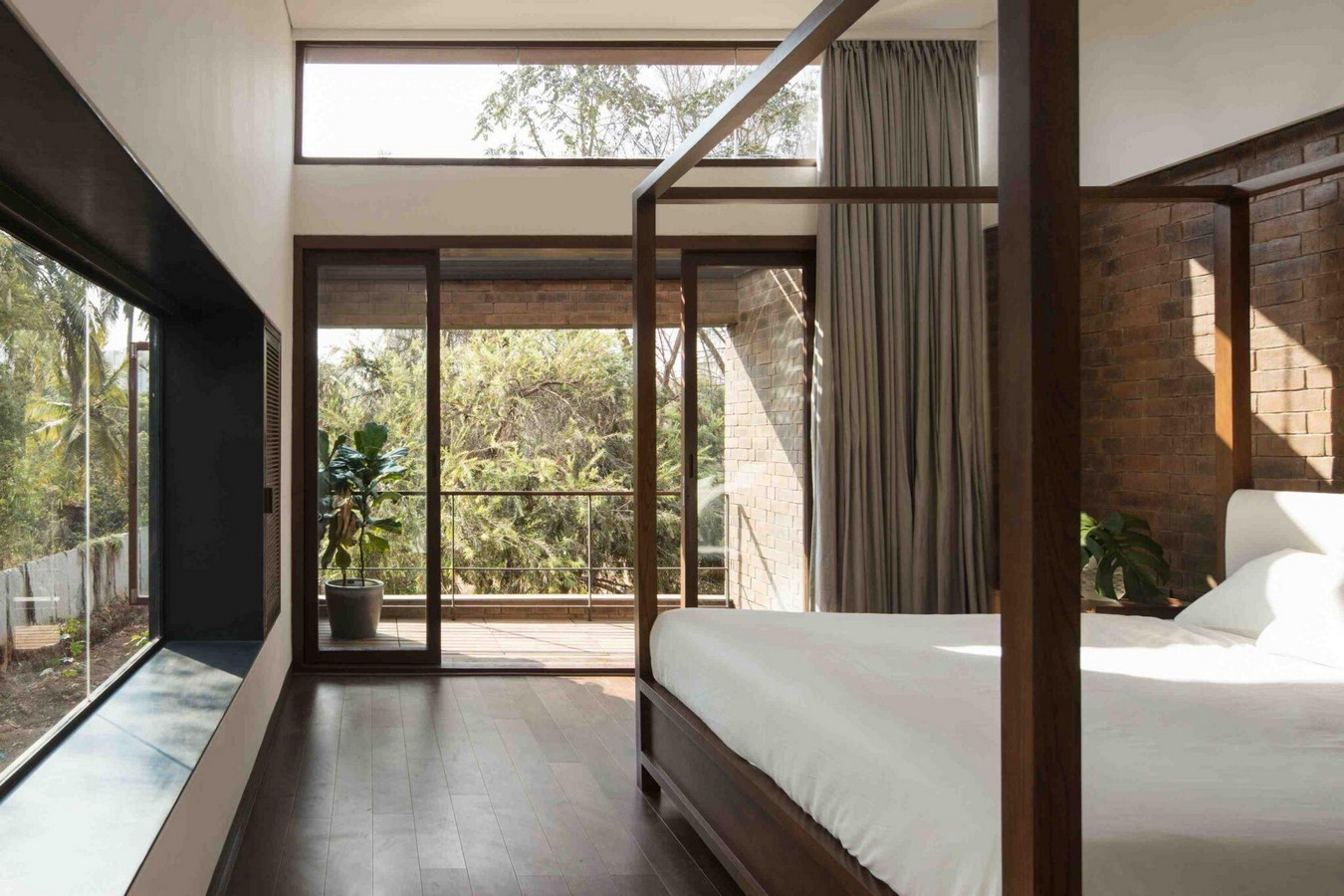
While the exterior design is remarkable, the interior of the project is equally striking. It showcases unique decor and furnishings, predominantly in white and grey. This choice adds a subtle colour to the overall design, ensuring it complements rather than overshadows the brick aesthetic.
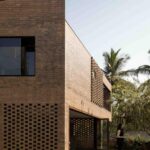
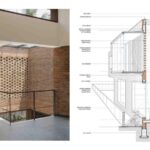
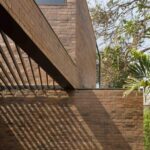
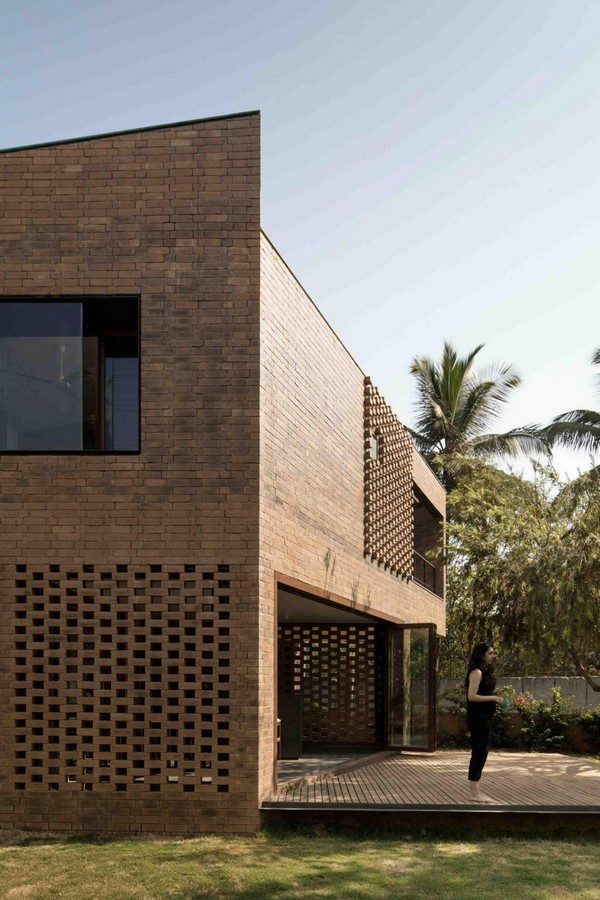
The project’s underlying philosophy is based on celebrating the old house’s heritage while introducing new interconnected spaces that are appropriate for the family’s lifestyle. The use of porous jali screens, as well as the play of shadow patterns from partial brick projections, integrate traditional building methods with contemporary geometries. This thoughtful design philosophy harmonises the old and the new, resulting in a home that honours its roots while embracing modern living.
Materials and Construction
According to the CollectiveProject team, the clients had particular preferences for brick, sloped roofs, and open spaces. In response, they used hand-moulded table bricks, a material selected for their distinctive character and natural flaws. The predominant brick material defines the exterior aesthetics, giving the home a welcoming and warm feel. Hand-moulded table bricks were chosen specifically for their natural variations and soft edges, as opposed to standard wire-cut bricks, to add a touch of character. The brick jaali work is subtly complimented with wood throughout the design, bringing out a balance of tradition and innovation.
The new design of the house is based on the old, small brick structure that the family had outgrown. It takes inspiration from the existing colour scheme and the slanted base. The aim was to create a story through open and interconnected spaces, challenging the usual assumptions about using bricks for structural support.
Beyond material selection, the construction techniques used demonstrate a meticulous attention to detail. To blend the new elements with the old foundation seamlessly, creative construction methods were needed to introduce a central triangular courtyard. This integration highlights the project’s dedication to upholding modern building methods in addition to conserving historical sites.

3. Sustainability
Despite being located in the heart of a metropolis, the residence provides a peaceful retreat surrounded by nature. The stretch of green cover outside the house acts as a natural barrier, concealing the urban setting while providing a peaceful environment for the family.
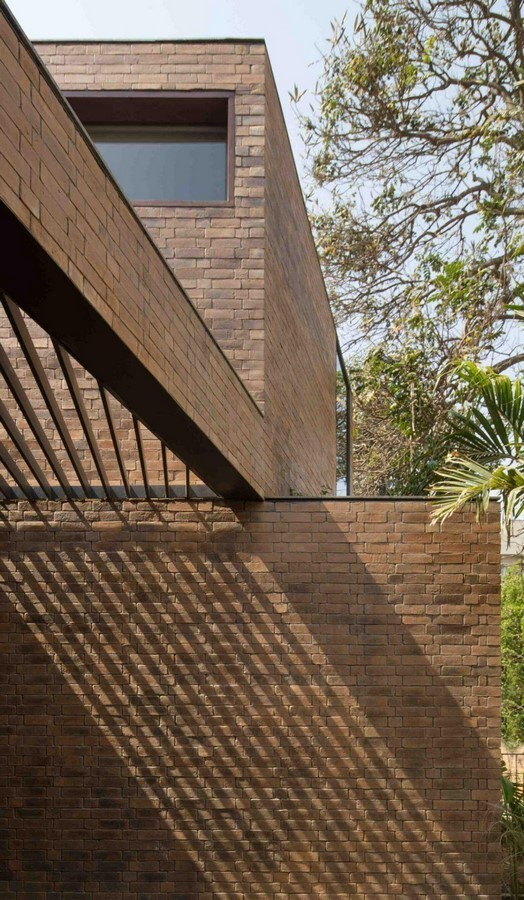
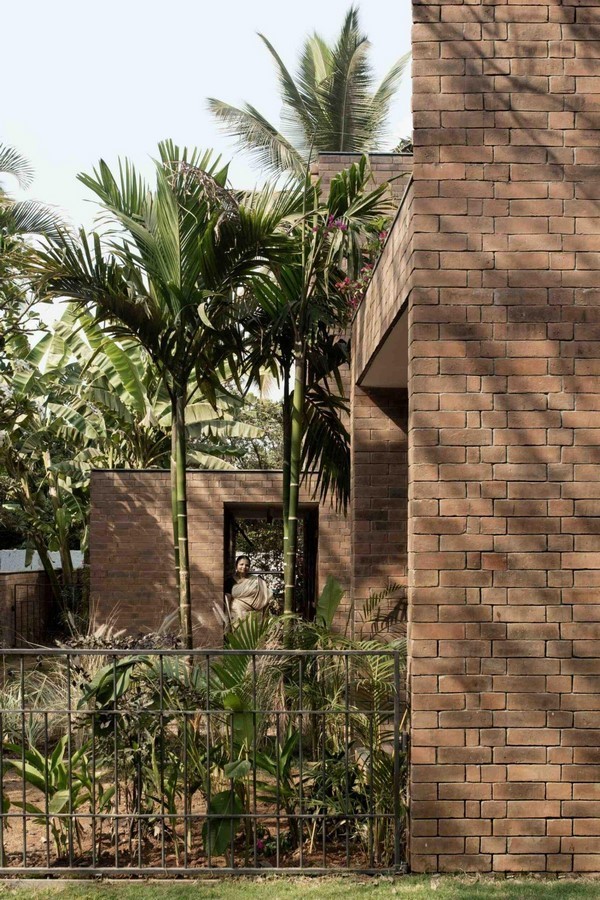
The design brings out an excellent visual connection between indoor and outdoor areas. The large openings allow for natural light and ventilation, so there is little reliance on artificial lighting or air conditioning. The use of natural materials like hand-moulded table bricks and the addition of a triangular courtyard garden with trees and creepers, in addition to the surrounding greenery of the site, contribute to the creation of a sustainable and environmentally friendly living area.
The Brick House by Collective project stands as a harmonious blend of design, materials, and sustainability, representing a thoughtful approach to creating a home that respects its past while embracing the future.
Citations:
Articles:
Project, C. (2018) Brick House – CollectiveProject. Available at: https://collective-project.com/Brick-House (Accessed: 23 January 2024).
Satpathy, K.S. (2019) Bangalore: Would you believe this brick home is in the heart of the city?, Architectural Digest India. Available at: https://www.architecturaldigest.in/content/bangalore-brick-house-collective-project/ (Accessed: 23 January 2024).
Caballero, P. (2019) Brick House / Collectiveproject, ArchDaily. Available at: https://www.archdaily.com/917700/brick-house-collectiveproject (Accessed: 23 January 2024).
Project, C. (2022) Brick House, at Bangalore, Karnataka, by Collective Project – ArchitectureLive!, ArchitectureLive! – Architecture and Urbanism from around the world. Available at: https://architecture.live/brick-house-at-bangalore-karnataka-by-collective-project/ (Accessed: 23 January 2024).