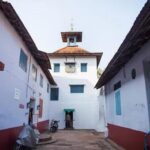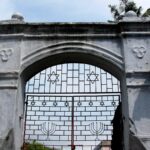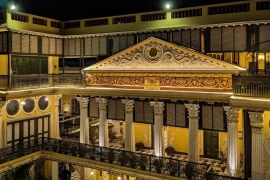
The Jewish community has reached around each corner of the globe and their traces can seen all around the world. The footprints of the Jews reach the shores of Kerala through the port of Muziris, searching for new trade opportunities. It has been decades since their arrival and their traces are still visible in Kerala. One such trace is the Paradesi Synagogue from Mattancherry. In the regional language Malayalam, the word ‘Paradesi’ means ‘foreigner. The Jews were referred to as Paradesi Jews around the Kochin area. Built in 1568, this is one of the oldest active synagogues among the commonwealth nations.

The Jews arrived in Kerala searching for new trade opportunities. They started trading spices and foreign clothes around Mattancherry and created a street booming with trade, which is now known as Jew Street. The first synagogue built by the Jews in Kochi was destroyed by the Portuguese. The local ruler, Raja Varma provided protection for the construction of the second synagogue, the Paradesi Synagogue. He also granted land for the construction, adjacent to the Mattanchery palace temple which resulted in the sharing of a single wall between the temple and synagogue. This can be also seen as a communal co-existence during the period. The synagogue was built by Samuel Castiel, David Belila, and Joseph Levi.
The primary purpose of the Pardesi Synagogue was to serve as a space for worship of the Jewish community in Cochin. Later, It became a place for community gatherings and religious ceremonies. Along with this, the synagogue has a collection of religious writings, and manuscripts which helped to preserve the religious culture of Jews.
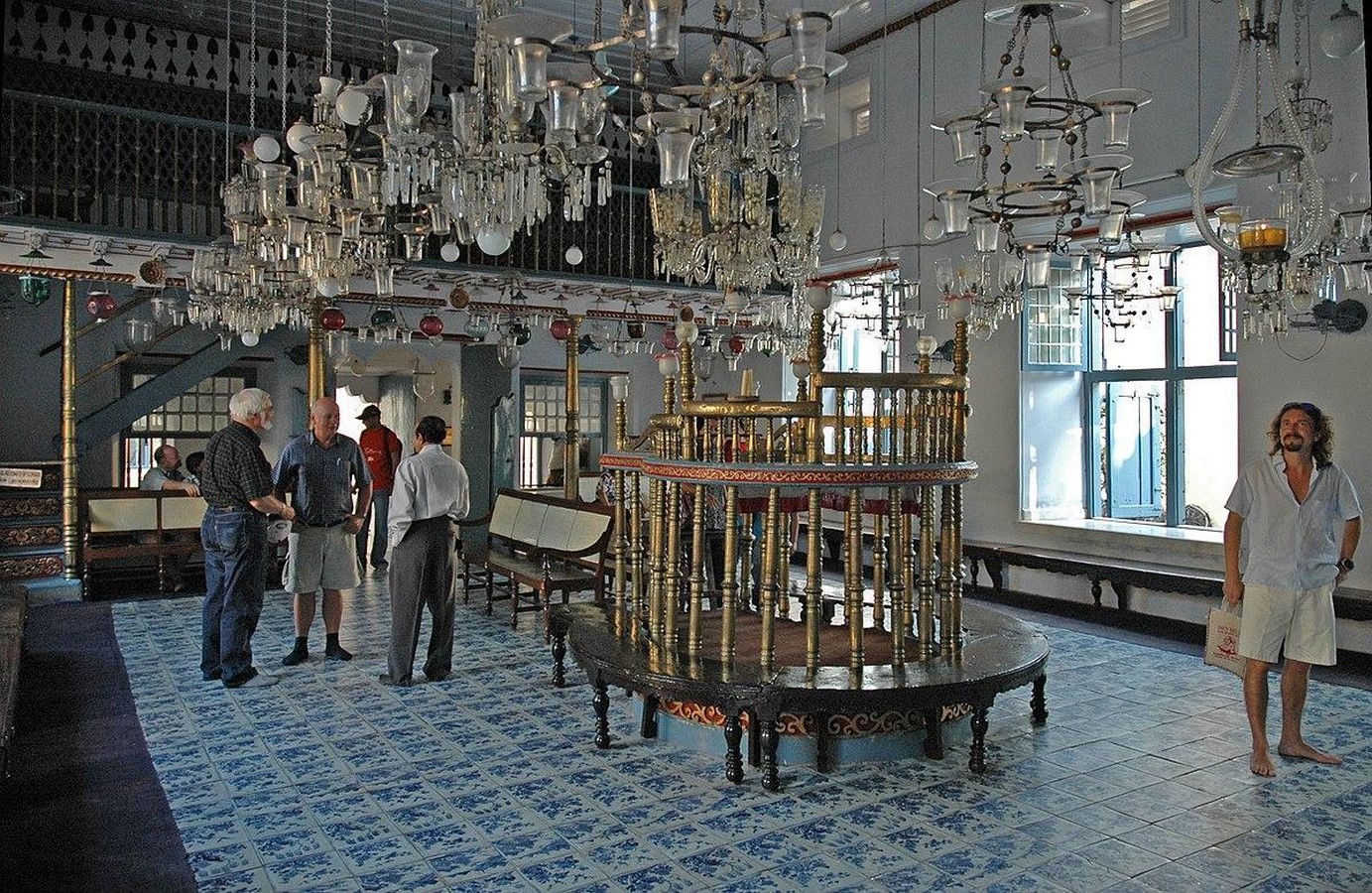
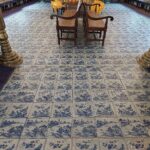
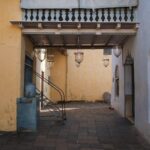
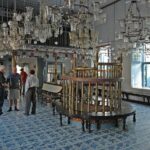
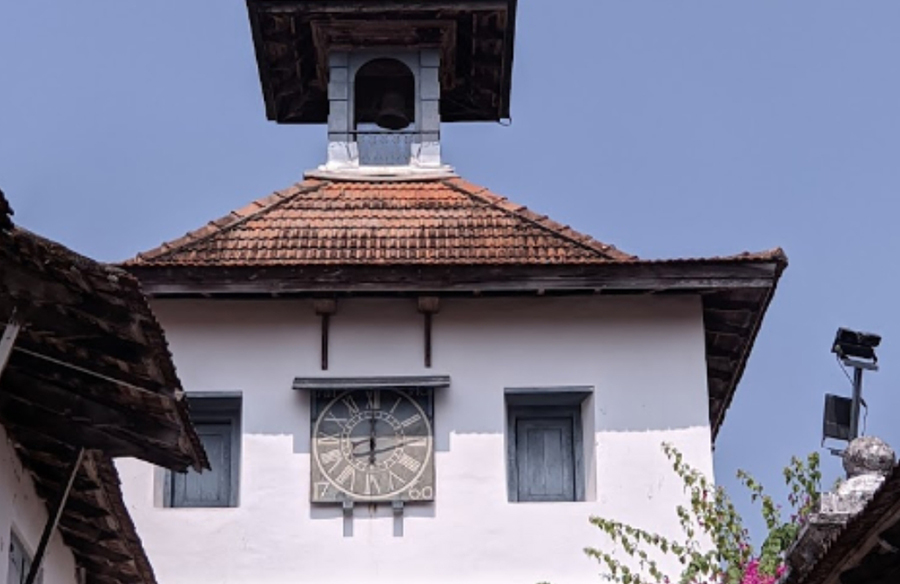
The Paradesi Synagogue’s architectural design blends various cultures that were present in Kochi in the fifteenth century. The design is an intriguing fusion of Kerala craftsmanship, European aesthetics, and traditional Jewish components. The structure has a gabled roof and is primarily composed of wood. Belgian glass chandeliers, ornately carved wood furnishings, and hand-painted Chinese tiles adorn the interior. The courtyard‘s 18th-century clock tower gives the area a nostalgic vibe.
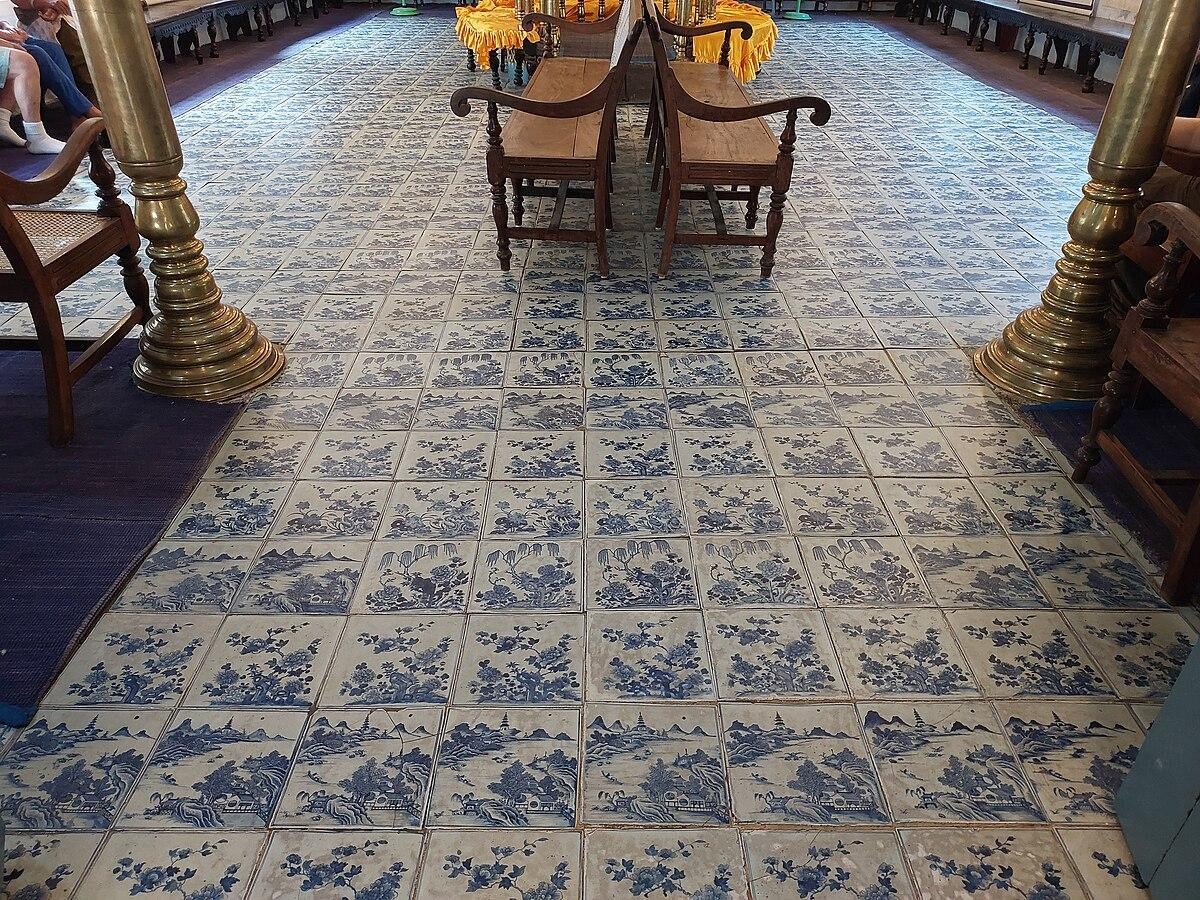
The architectural design of the Mattancherry Synagogue reminds us of the socio-cultural context of the older days. The components like the ark and the bimah represent the Jewish community’s religious and cultural identity. The use of indigenous substances and strategies, such as wood construction and using local crafts, aligns with the cultural context of Kerala. The sanctuary wall adjoining the Synagogue and the Mattancherry Palace was built with a special clay mixture, which used coconut water instead of the usual water. This unique mixture was used for the long-lasting durability of the wall and to honor the importance of the community. The intertwining of European elements, as seen in the chandeliers and the general layout, mirrors the cosmopolitan nature of Kochi as a center of trade that welcomes trading from diverse places.
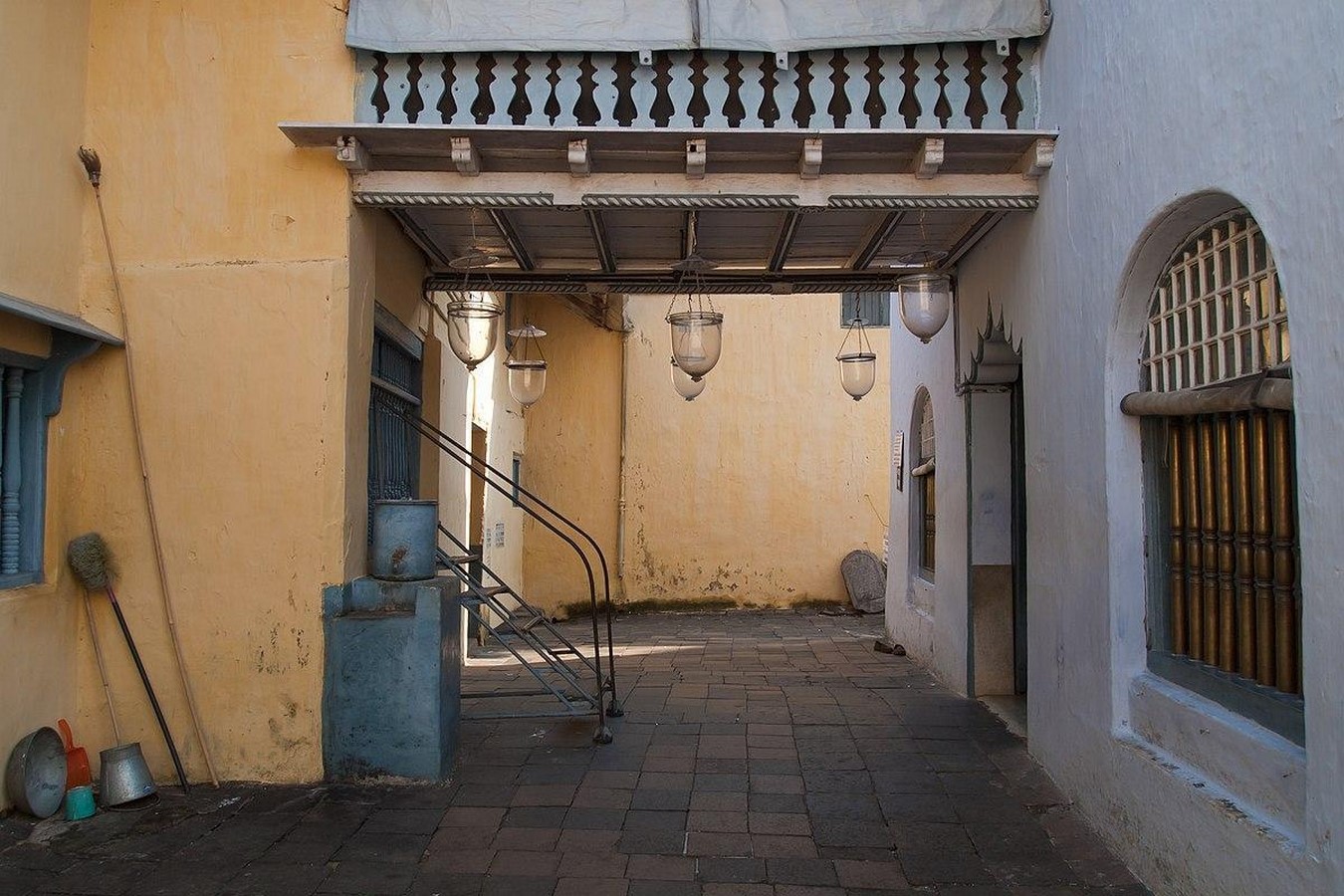
The Paradesi Synagogue also succeeded in fostering a feeling of home for Jewish human beings. It became an identity for the Jewish population in Kochi. Architectural features such as the central bimah and the tabernacle housing the Torah scrolls reflected communal worship and gatherings. The use of ornate and culturally significant designs contributed to the creation of a sacred place for Jews. The synagogue became an identity for Jews in the landscape of Kochi.
The Paradesi Synagogue, situated in the heart of Jew Street has acted as a catalyst in shaping the urban development around the Mattanchery. Geographically, Mattancherry is situated closer to Fort Kochi, a place that is filled with foreign tourists. Tourists coming to Fort Kochi are naturally attracted to visit the nearby synagogue. The design and layout of nearby structures also appear to be influenced by the aesthetics of the synagogue. Tourists visiting the synagogue are also attracted to the stores on Jew Street, ultimately leading to purchases. The economic life of Jew Street primarily depends on foreign tourists.
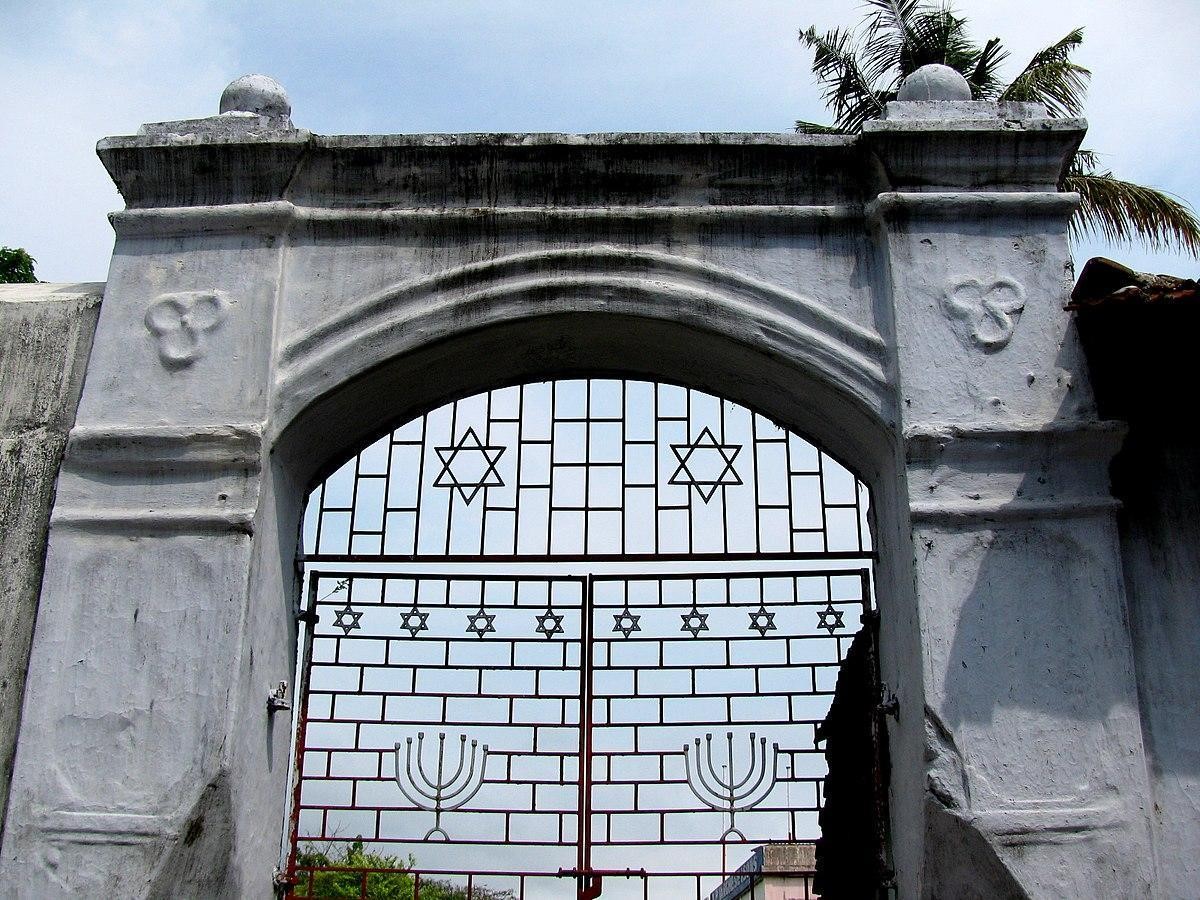
With its extensive historical past, the Mattancherry Jewish Synagogue has evolved from a place of worship to a representation of the local cultural legacy. Along with worship, it is also open to tourists and general visitors. Visiting is allowed from Monday to Thursday, timing from 10 AM to 12 PM and 3 PM to 5 PM. An important point to keep in mind while creating a plan for visiting the Synagogue is that it won’t be open on Jewish Holidays.
Over the years, the government and organizations have done different activities for the protection of the synagogue. These precautions include making repairs to the building, restoring the clock tower, and protecting the timber components. The 400th anniversary of the synagogue was celebrated and Indira Gandhi, the prime minister during the time participated in the function. The Paradesi Synagogue’s historical tales and magnificent architecture both contribute to its legacy. It provides an insightful look into Kochi’s social, political, and cultural facets. In the era of modernization and the changing landscape, the Paradesi Synagogue remains a bridge connecting the past and present.
References:
- Anand, Karen. “Paradesi Synagogue – Fort Kochi | Hotel Forte Kochi.” Forte Kochi, https://www.fortekochi.in/blog/paradesi-synagogue-fort-kochi.php. Accessed 28 December 2023.
- “Jewish Synagogue, Mattancherry Synagogue, Paradesi Synagogue.” Kochi, https://www.kochionline.in/city-guide/jewish-synagogue-kochi. Accessed 28 December 2023.
- “Paradesi Synagogue, Attractions, Mattancherry, Ernakulam, Kerala, India.” Kerala Tourism, https://www.keralatourism.org/kochi/paradeso-synagogue-mattancherry.php. Accessed 28 December 2023.
- Waronker, Jay A. “The Synagogues of Kerala.” The Synagogues of Kerala, http://cochinsyn.com/page-paradesi.html. Accessed 28 December 2023.