As we explore the Viking Ship Museum, welcome to a voyage through time and the history of the nautical industry. Nestled on the picturesque Roskilde Fjord in Denmark, this museum provides an immersive look into the life of the brave Norse sailors who dominated the seas over a millennium ago. The museum is not just a treasure trove but also a stunning architectural structure that complements its surroundings. Wandering around the shoreline invites visitors to tune in to the whispers of stories and adventures from the sea air.

The Legacy
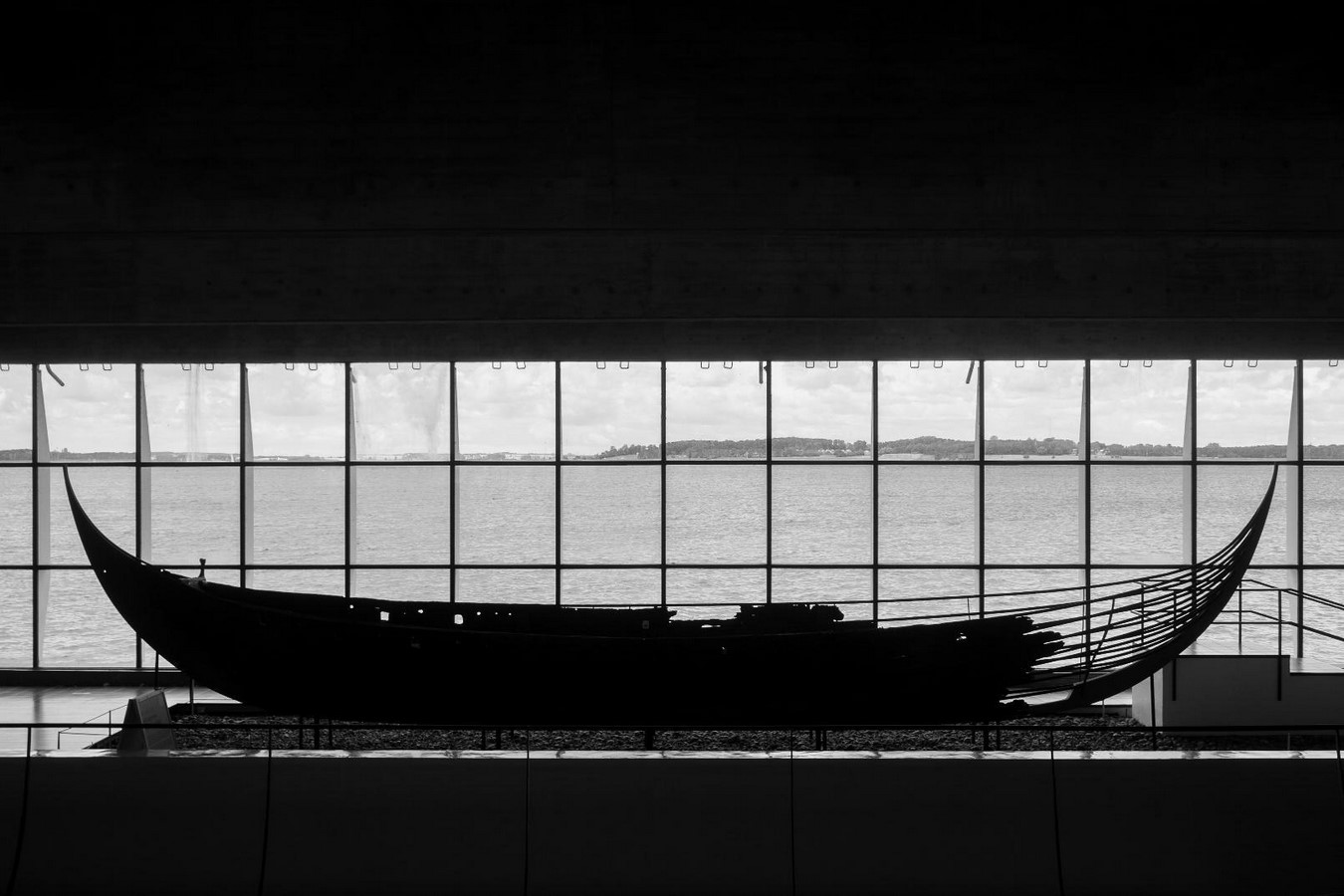
The Viking Ship Museum honors the nautical history of the Vikings. It was established in the middle of the 1900s when five remarkably preserved Viking ships were discovered in Roskilde Fjord by archaeologists. These ships, which are currently known as the Skuldelev ships, range in size and purpose from battleships to commerce boats. The museum intends to provide a space for more research on the Norse nautical culture in addition to conserving them.
The main goal of the museum is to shed light on the workmanship and technology that characterized Viking shipbuilding. The boats on exhibit, like the Oseberg ship, provide detailed insights into the Vikings’ artistic sensibilities, navigational prowess, and carpentry abilities. Discovered under a burial mound, the Oseberg ship provides evidence of the cultural importance of these ships as powerful and religious symbols in addition to being useful navigational aids.
In addition to housing items, the museum is a center for continuing anthropological, historical, and marine technological study on Viking sailing. To solve the mysteries of the Vikings’ trading routes, navigational strategies, and daily lives of individuals who sailed these seas over a millennium ago.By giving these historic ships a physical home, protecting them from adverse conditions, and facilitating interaction and education among a wide range of people, the Viking Ship Museum contributes to larger initiatives to conserve and commemorate cultural heritage.
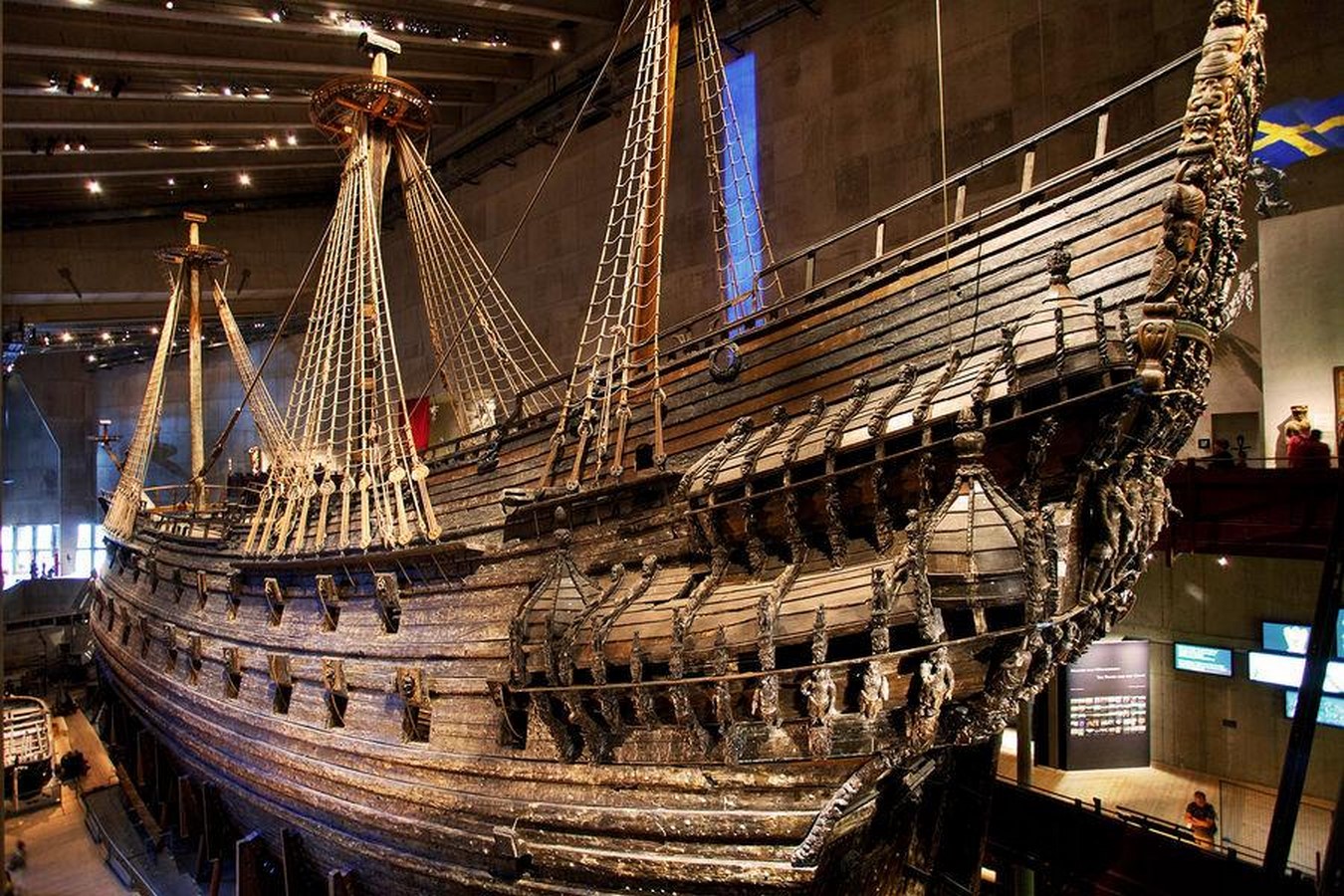
An Architectural Marvel
The Viking Ship Museum a remarkable architectural wonder that blends contemporary design sensibilities with a profound respect for Viking heritage. Founded in 1969, Danish firm AART Architects completely redesigned the museum complex in 2009, giving the historic vessels housed within a modern context. One of the museum’s most notable features is its riverfront position, where its sleek, contemporary architecture pays homage to Viking architecture. Glass and wood are used to create a connection between modern architecture and the surrounding natural environment and historical background.
The main exhibition hall creates a visually striking atmosphere and establishes a visual link between the interior and the maritime surroundings with its large glass façade that allows visitors panoramic views of the fjord and the museum’s outdoor spaces. This visual and metaphorical link to the surrounding environment evokes the wide seascapes that the Vikings once traversed. Several outdoor displays and reconstructions that have been thoughtfully positioned to recreate the mood of the Viking Age welcome visitors as they approach the museum. These outdoor areas provide the architectural design a dynamic and engaging element while extending the museum experience. The incorporation of paths, bridges, and outdoor seating places, which foster the circulation of visitors and form a journey across the museum’s grounds, is indicative of the meticulous thought given to the museum’s landscape.
In keeping with modern architectural ideas, the architects integrated environmentally friendly elements into the design to promote sustainability. Energy-efficient technologies, ecologically friendly materials, and a dedication to reducing ecological damage. To sum up, the Viking Ship Museum is an example of well-considered architecture that effectively integrates the past, present, and future.
Contributions To Society
Fostering cultural awareness, education, and research, the Viking Ship Museum is a vibrant organization that has made major contributions to society. The museum’s primary duty as a custodian of history is to conserve and exhibit well-preserved Viking ships and artifacts to promote and preserve the nautical legacy of the Vikings. In addition to ongoing study and conservation initiatives, this preservation endeavor offers important insights into Viking fabrication technologies, navigation, and daily living. Its initiatives and digital materials are accessible to a worldwide audience, demonstrating its dedication to education even beyond its physical boundaries.
The Viking Ship Museum is an important cultural institution that has shaped Denmark’s history by presenting the accomplishments of the Vikings and encouraging a sense of pride and kinship with the country’s rich nautical past. The museum adds to a larger conversation on world history, trade routes, and the connectivity of civilizations during the Viking Age by working with other museums and cultural institutions. Supporting marine studies and archaeological research helps us better understand ancient maritime technology, trading networks, and the cultural interactions that defined the Viking world.
To sum up, the Viking Ship Museum makes a variety of contributions to society, including research, teaching, cultural preservation, and the development of immersive visitor experiences. The museum, a lighthouse of Viking maritime history, never fails to spark people’s interest, close the gap between the past and now, and create a feeling of unity with the vast history of humanity.