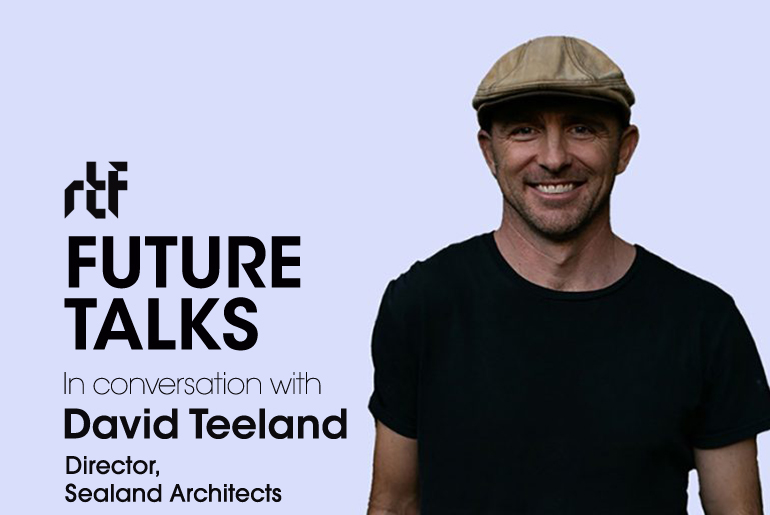
Ladies and gentlemen, design enthusiasts, and all those with a passion for the art of architecture and storytelling, welcome to Future Talks by RTF – where we engage in enlightening conversations with the pioneers who breathe life into design stories.
David’s career has been a tapestry of diverse experiences, as he honed his craft by working with several distinguished architecture firms. His quest for knowledge and a deeper understanding of the global architectural landscape led him on a transformative journey across the world, allowing him to immerse himself in different cultures and gain a profound appreciation for the power of good design.
A graduate of the prestigious University of Queensland, Australia, David’s academic journey was equally remarkable. Throughout his studies, he showcased an exceptional talent that garnered numerous awards, culminating in his graduation with honors. This academic achievement laid the foundation for a career that would not only set new standards in the field of architecture but also tell compelling design stories that resonate with people on a profound level.
As we embark on this conversation with David, we will delve into his extraordinary journey, exploring the influences that have shaped his innovative vision and the transformative projects that have made Sealand Architects a leading force in the world of design.
RTF: Hi David, we are so glad to have you as a guest on Future Talks 2.0. Thanks for joining us. So, what led you to pursue a career in architecture and design?
David: Our family home growing up was full of art and sculptures in the garden. My mother used to get us to do drawings and painting as kids. This creative background led to a career in design and architecture.
RTF: How would you describe your overall design philosophy or approach to architecture and design?
David: Our philosophy is to design architecture that fosters a connection between people and the surrounding environment.
RTF: Do you have a singular design process that you follow or does the approach vary and change based on every project?
David: We have a process. We design custom bespoke architecture that responds to our client’s aspirations and requirements. Our approach is based on sustainable design principles, that complement the local landscape and climate.
RTF: How do you approach getting your projects featured in publications? Do you manage the communications and PR in-house or have this task outsourced to a PR & communications agency? Which approach do you think is better and why?
David: We try and focus on doing good work. We feel publications will feature your work if you produce good design and architecture.
We are a small design practice, so we do most of it in-house. We have had some good advice from specialist communications consultants. I think you have to find the best option for your practice size and marketing budget.
RTF: Can you share any challenges you’ve encountered in the process of getting your work published and how you overcame them?
David: Good photography and a story about the work is important. The words and photos need to be able to communicate what is good about your work.
Are there any lessons you’ve learned over the years that have significantly improved your success in this area?
David: Again, I think it is best to focus on doing good work and then you will have more options to get your work published.
RTF: How do you measure the impact of having your work featured in publications, both professionally and personally?
David: I think it is good for our profession to be able to share our work and to be able to see what other designers are doing. We take a lot of inspiration from the published work of other architects and designers. I think the whole design profession benefits if we are sharing ideas and solutions. It feels good if you can make a positive contribution.
RTF: What advice would you give emerging architects looking to increase their chances of publishing their work? Are there any specific resources or platforms that you would recommend for architects seeking publication opportunities?
David: Spend as much time as you can on the design of your projects, so you can get the best result possible. I recommend submitting your work to as many online design platforms as possible.
RTF: Which project of yours has been the most rewarding for you in terms of learning and/or exposure?
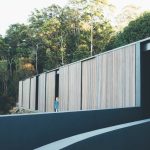
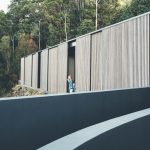
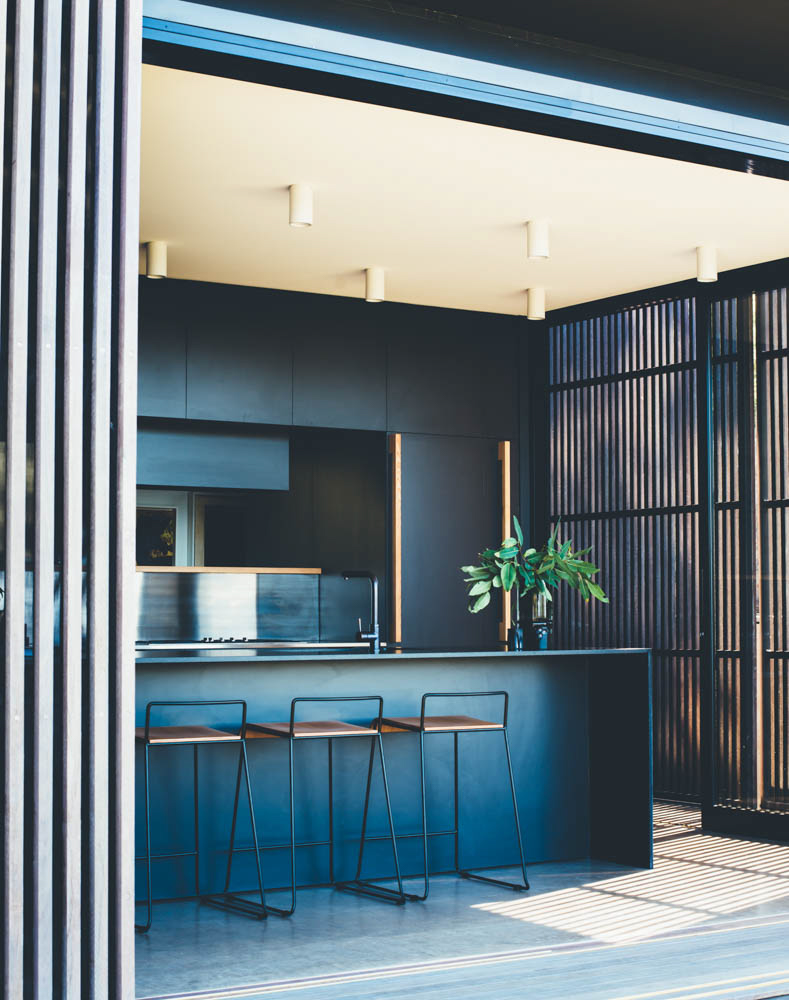
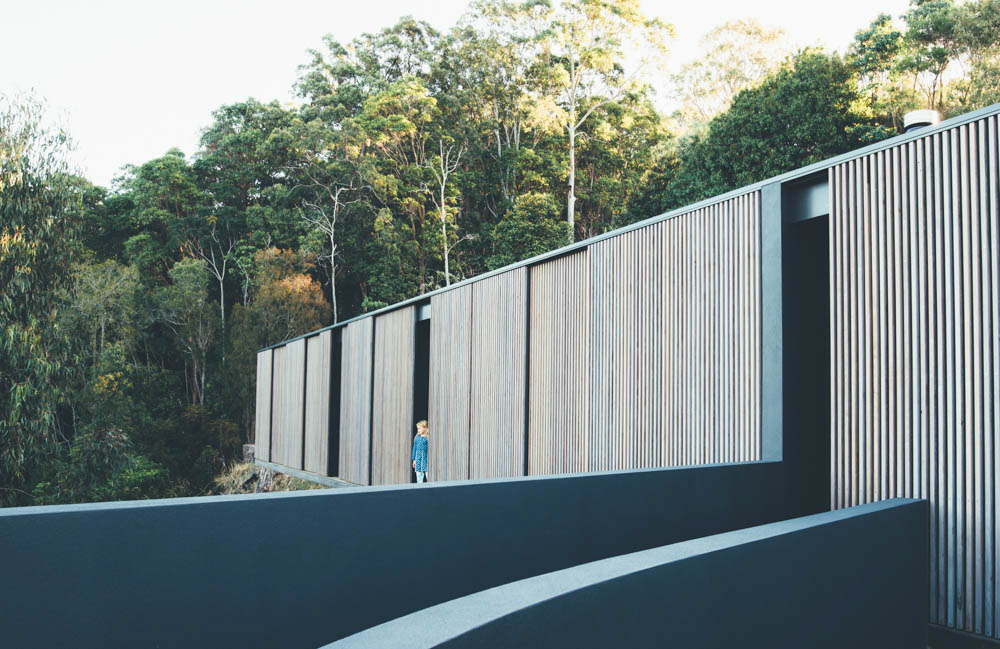
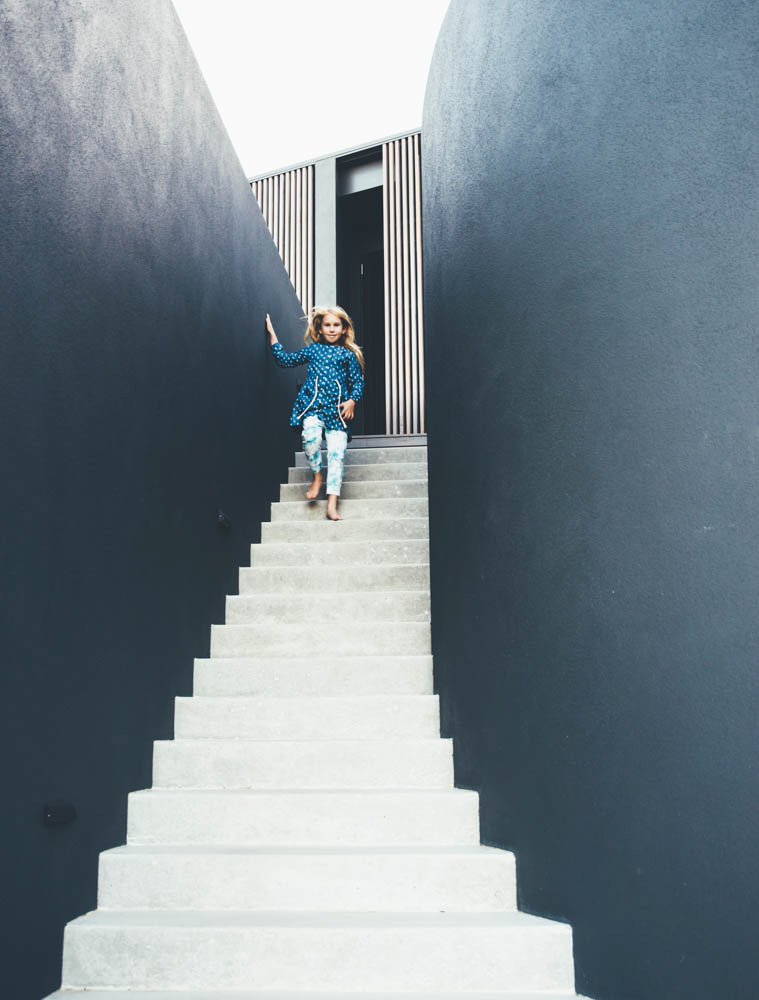
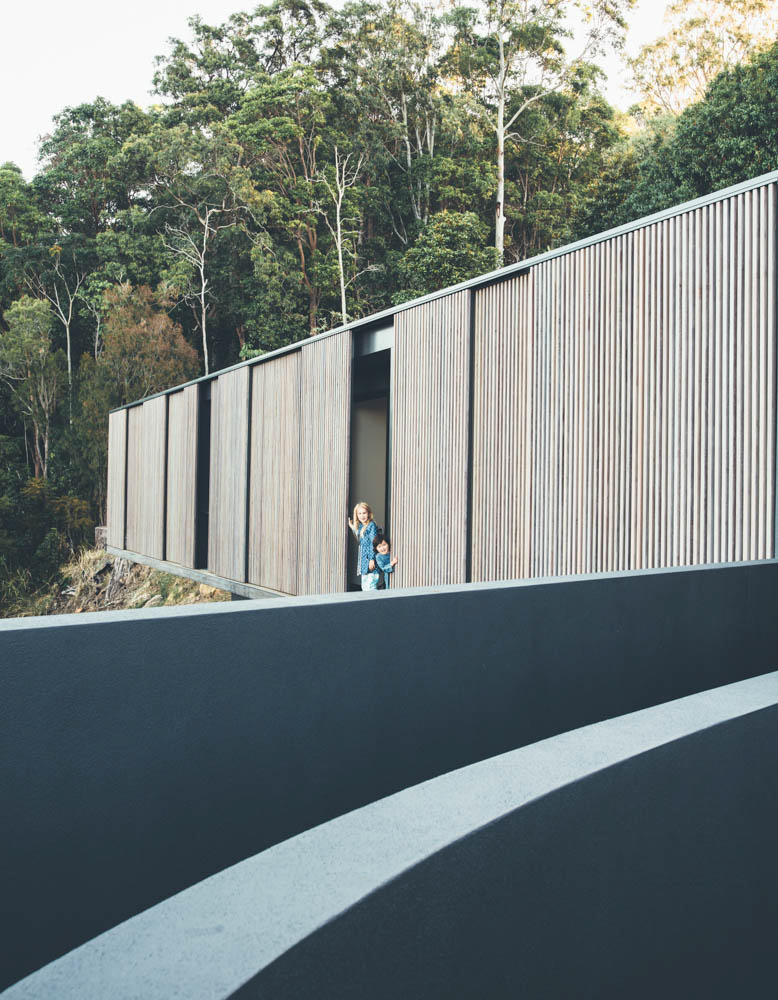
David: The Tinbeerwah House was a project that we enjoyed working on. We had an opportunity to produce an interesting design and the house was widely published.
RTF: In your opinion, what are the most critical skills and knowledge areas that architectural education should emphasize?
David: Design that fosters a connection between people and the environment.
RTF: Share a piece of advice for young architects wanting to start their own practice.
David: Work for another practice first that you like and learn from them before you go out on your own.
RTF: How will architecture and design transform in the coming years?
David: It will become more sustainable. I believe architecture will continue to evolve into energy generating and waste-recycling entities.
RTF: What’s your take on the integration of AI and architecture/design?
David: I think it will become another tool that we can utilise to improve design and the built environment.