Founded in 1908, Bhuri Singh Museum is at the heart of Chamba Town, Himachal Pradesh. It emerged with the purpose of preservation of the Arts and cultural heritage of the Chamba. During that era, the hilly town belonged to the Punjab province and was governed by more than 50 rulers before India’s independence. The town is distinguished on its own and has a unique cultural heritage associated with it. The museum’s name was dubbed after Raja Bhuri Singh, the ruler at that moment who also gifted his inherited arts to it. Dr J. Ph. Vogel, a Dutch epigraphist and Sankritist serving ASI at the time contributed to it. He worked along with Raja Bhuri to bring it to life.
Origin of the Museum
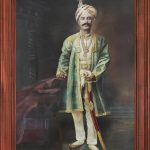
Raja Bhuri Singh was the ruler of Chamba state from 1904 to 1919, the Britishers were active in the Indian subcontinent during this time. The British influence was impactful all over the Indian subcontinent including Chamba. After the introduction of Britishers, the city was demarcated into two regions namely the Old Town and the newer one. The emphasis at the time was the construction of civic buildings. During this period, the museum was built alongside other important government buildings.
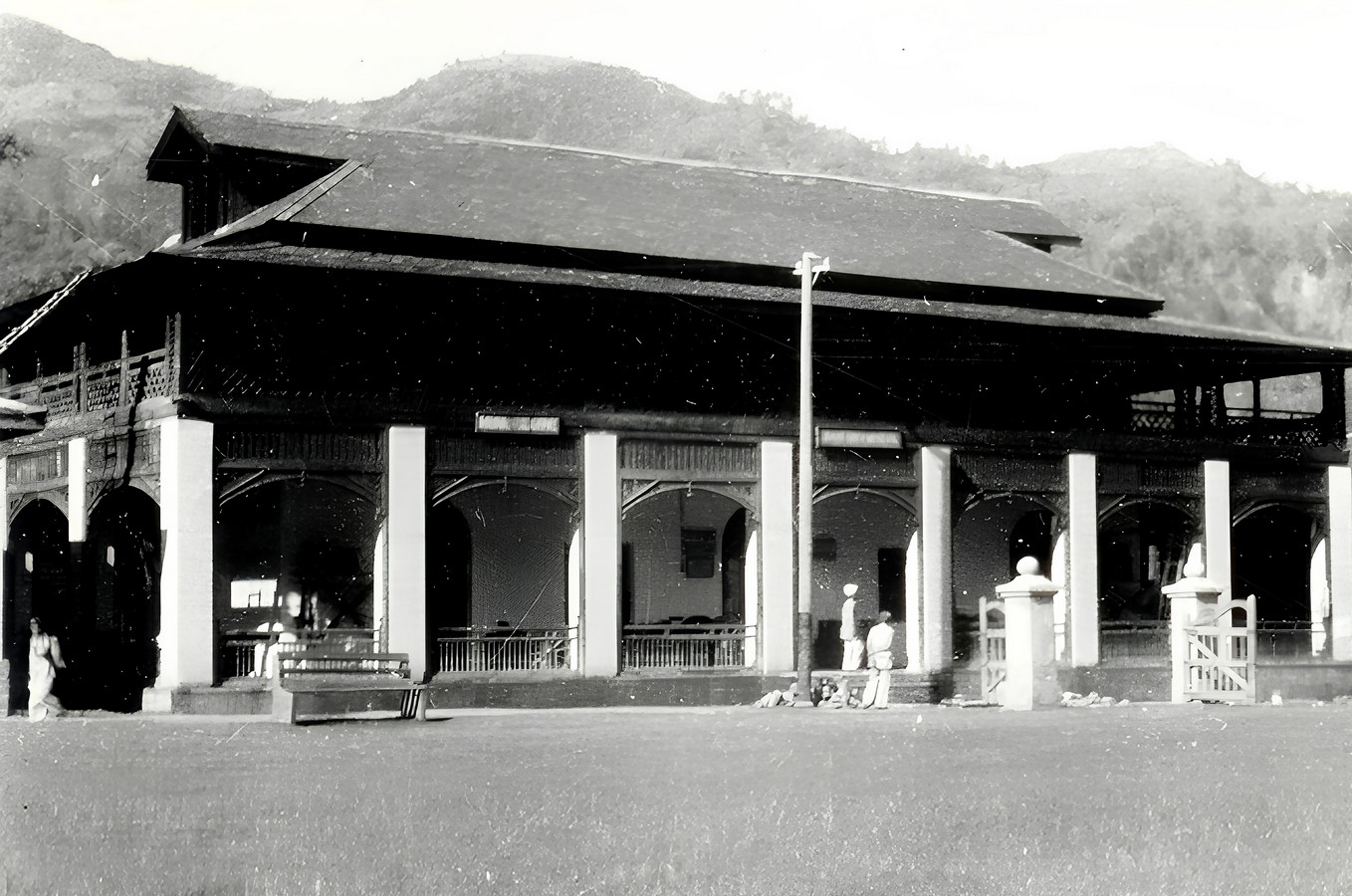
At first, it was used by the Chamba ruling family as a treasure house. Later, when Raja Buri Singh exhibited an interest in the preservation of the arts, J. Ph. Vogel the principal driver of the project took the lead. He was already associated with the excavation of copper-inscribed plates in the region. He became the first curator of the museum and assembly of all the works was done by him. However, Raja Bhuri Singh gave the Royal family’s collection of paintings as well as various other royal artefacts.
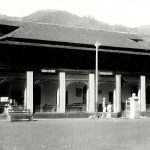
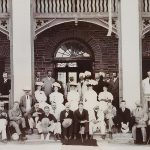
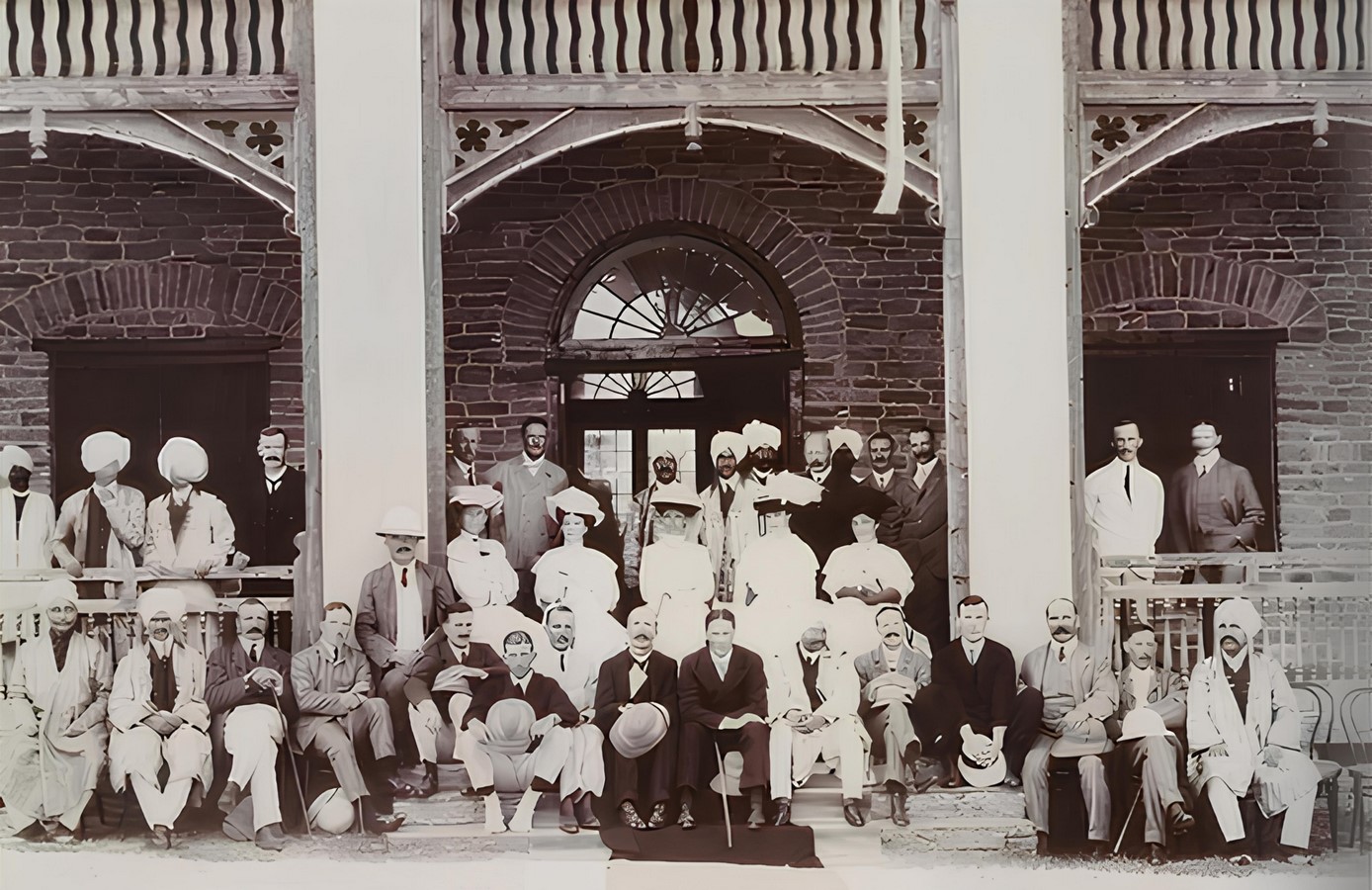
Finally, on 14th September 1908, the museum was officially inaugurated with the presence of J. Ph. Vogel with other delegates of the British Empire and Royal Family members. Initially, the collection was majority contributed by Raja Bhuri Singh, and came to be known as “Bhuri Singh Museum”. The old museum building, which merged well with the landscape of Chamba, was pulled down and in 1975, the present concrete monolith was inaugurated. The museum is one of the oldest museums in India.
Architectural Features of the Museum
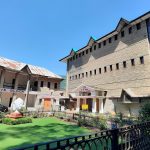
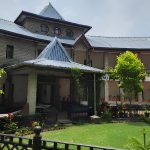
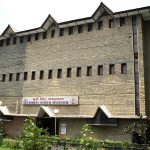
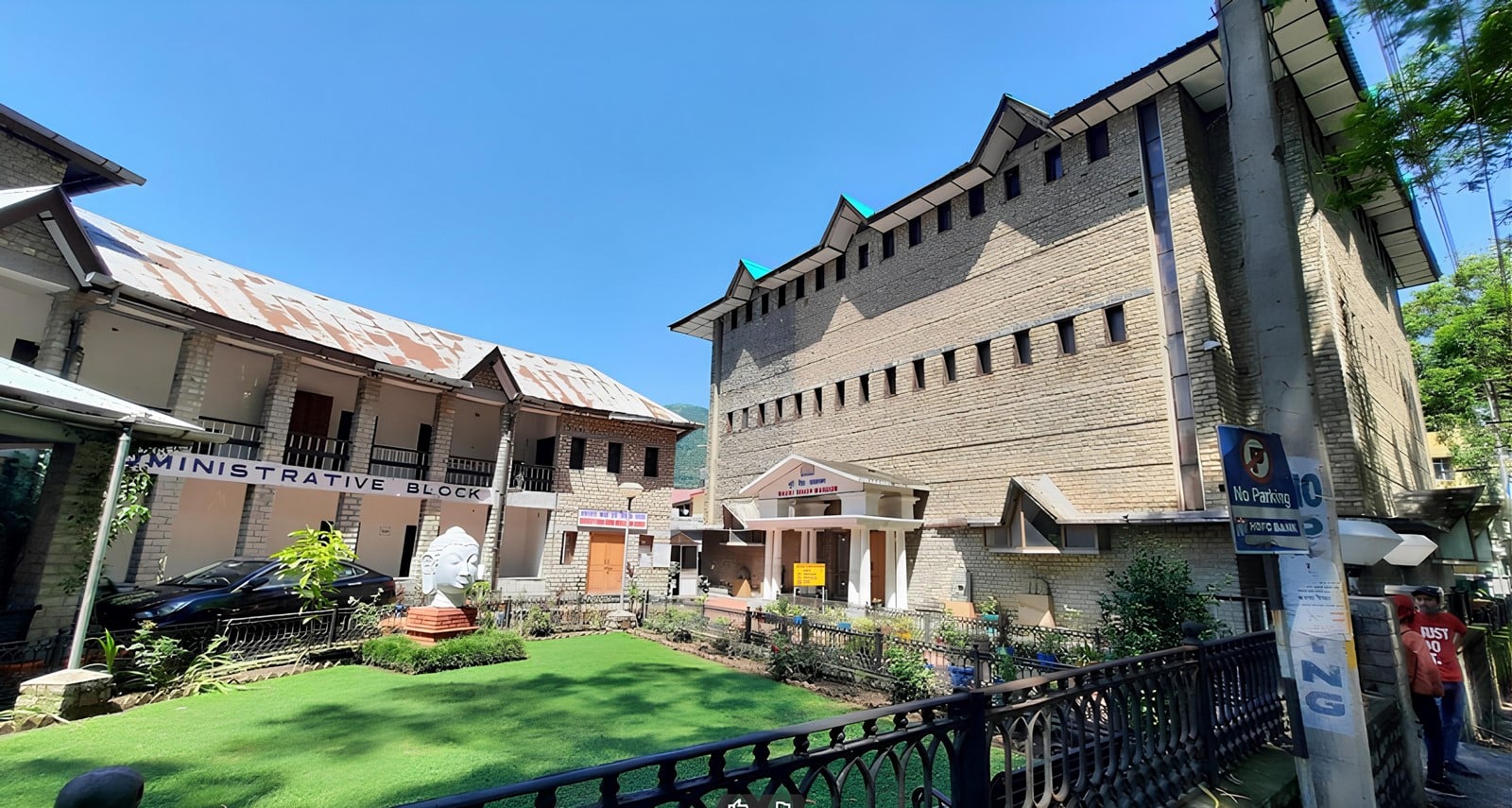
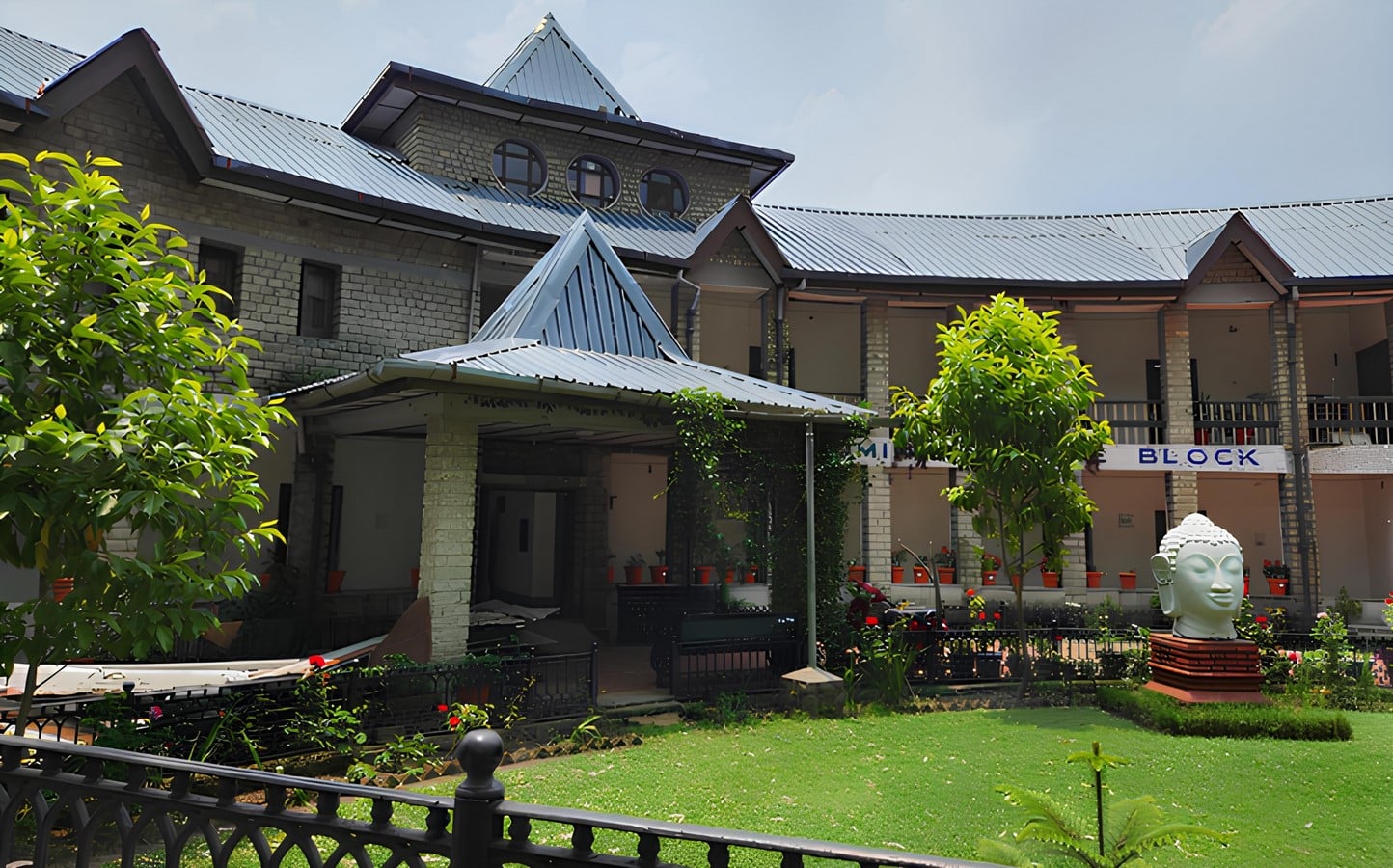
It is situated in the busy town area where the site consists of two building blocks and a community park across the road. The museum building can be seen from far away as it is a three-storeyed building and just next to it, two-storeyed another building serves as an administrative block, library and seminar hall space. The common garden space surrounds the space that connects both spaces with a shared pathway.
Both building blocks are made of monolithic concrete structures with the striking cladding of Stone all over. The sloping roof with metal sheets and deep eaves provides suitable shade to the Administrative block. The porch that leads up to the administrative block has a sectioned sloping roof and a pointed spire that resembles the top of the structure. This block can be seen as a curved mass respecting the site boundaries with deep verandahs. One can observe the sense of symmetry reflected upon approaching the buildings.
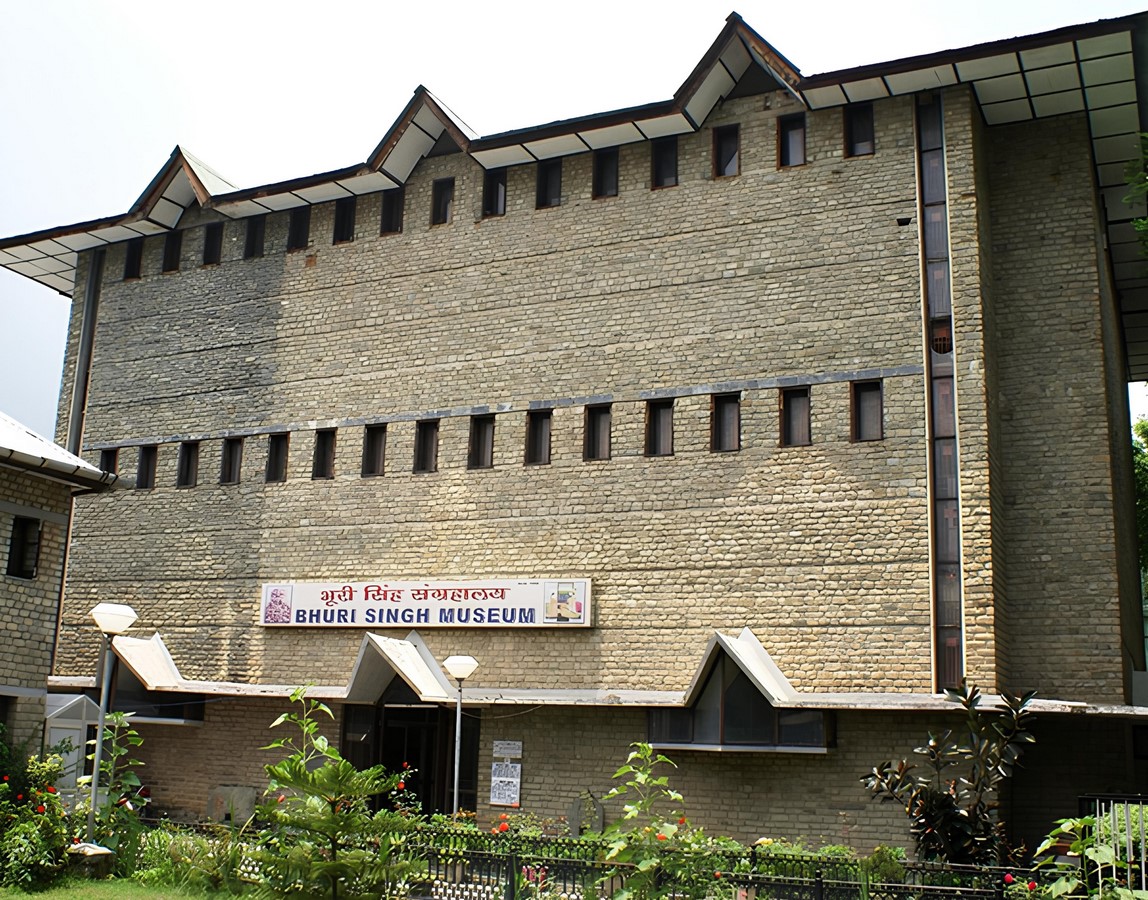
On the other hand, the Museum is a tall structure with a gigantic presence with a series of clerestory windows in the facade. The approachable porch is similar to a pediment structure of Greek style with Doric columns. The sloping roof in the structure complies with the climatic conditions with metal sheeting all over it. The deep eaves of the roof with ridges symmetrically and repetitively are seen in the roof profile.
The whole building is of 3 total floors where upon entrance greeted by the central hall of two storeys. On the Ground Floor on the left side, one can find an attractive display of Chamba Art, reflecting the regional Workmanship, art style and tradition. On the First Floor, one can find the display of ancient and medieval coins, Pahari Paintings, Epigraphic records and objects related to cultural anthropology. On the Second floor, a gallery of Cultural anthropology and Numismatics is present.
Exhibits of the Museum
The museum possesses more than 8500 antiquities and art objects related to Art, Archaeology, Craft and Cultural Anthropology. The art objects displayed in it were related to the art, craft and cultural history of the Chamba State and stand as an eloquent testimony to the life of the past and have their value in the assessment of art and culture of this region. It prioritized the art, culture, and history of the region.
Initially, Raja Bhuri Singh introduced paintings to this museum, but it has since grown to house a wide variety of historical artefacts, including frescoes, miniature paintings, carved doors from old palaces, and copper plate grants. In Sarda’s script, the Prasastis of Sarahan, Mul Kihar, and Devi-ri-kothi recall the key events in Chamba’s medieval history. The paintings from the Basohli School, depict scenes from the Bhagavata Purana and the Ramayana. Coins, weapons and armour, regional jewellery, royal costumes, home furnishings, musical instruments, and other antiques are just a few of the artefacts on display.
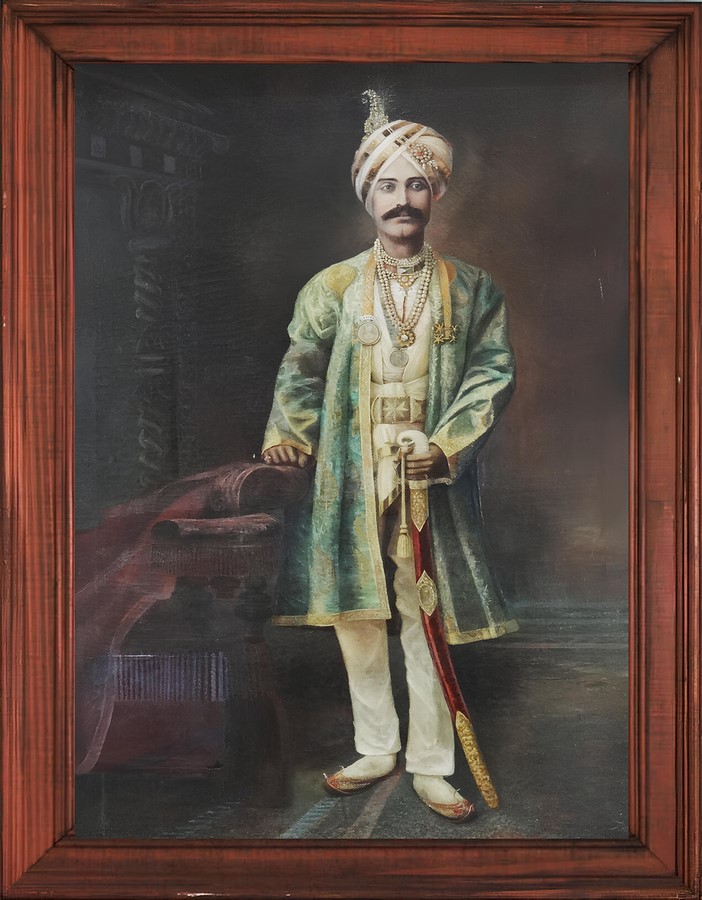
The Bhuri Singh museum is an essential part of Chamba town that represents the rich cultural heritage and history. It not only is an identity of the town but also portrays the splendour it exudes. The museum is a destination to learn about the surrounding regions with ease providing access to unlimited resources. The amalgamation of the artefacts and paintings in the museum’s enclosure investigates the legitimacy and importance of the area.
References:
- admin (2018). Bhuri Singh Museum Chamba Himachal | Contemporary Art. [online] Himachal Story. Available at: https://himachalstory.com/location/bhuri-singh-museum/ [Accessed 1 Aug. 2023].
- Bhuri Singh Museum · H45C+6V4, Chowgan Mohalla, Chamba, Himachal Pradesh 176310, India. (n.d.). Bhuri Singh Museum · H45C+6V4, Chowgan Mohalla, Chamba, Himachal Pradesh 176310, India. [online] Available at: https://goo.gl/maps/eLvCEobryAKBp6d66 [Accessed 1 Aug. 2023].
- Bhuri Singh Museum Chamba. (n.d.). Home 1. [online] Available at: https://www.bhurisinghmuseumchamba.in [Accessed 1 Aug. 2023].
- conservation, A. (2020). A forthcoming conservation and research project on Pahari and Punjabi drawings and paintings from the Volkenkunde Museum in Leiden. [online] Amélie Conservation. Available at: https://amelieconservation.com/2020/05/19/a-forthcoming-conservation-and-research-project-on-pahari-and-punjabi-drawings-and-paintings-from-the-volkenkunde-museum-in-leiden/ [Accessed 1 Aug. 2023].