Introduction
Stonewood Design-designed Roman Villa Museum Explore the design, materials, architectural styles, and durability of this iconic monument, a timeless architectural masterpiece that reflects the grandeur and rich cultural heritage it had before the advent of Christianity and Roman civilization. By examining the conceptual design and the Roman Villa Museum, we can learn more about creative design processes, their long-term implications, and their impact on visitors. The purpose of this article is to present an instructive case study of Stonewood Design’s Roman Villa Museum’s meticulous attention to detail and lasting impact. As a modern reconstruction of a classic Roman villa, the historical treasure offers visitors a unique, all-encompassing environment.
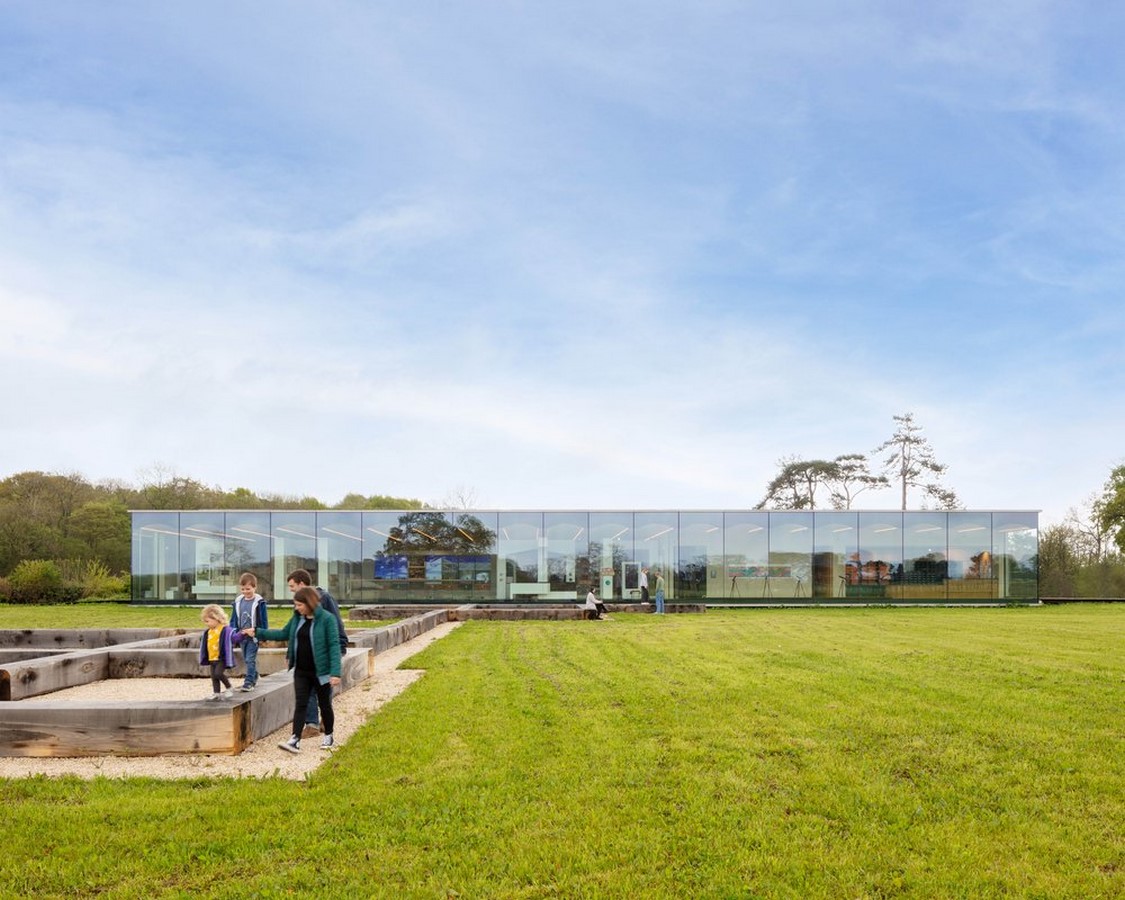
History
In 1832, Hadspan Roman Villa was founded. The site was excavated between 1968 and 1970.
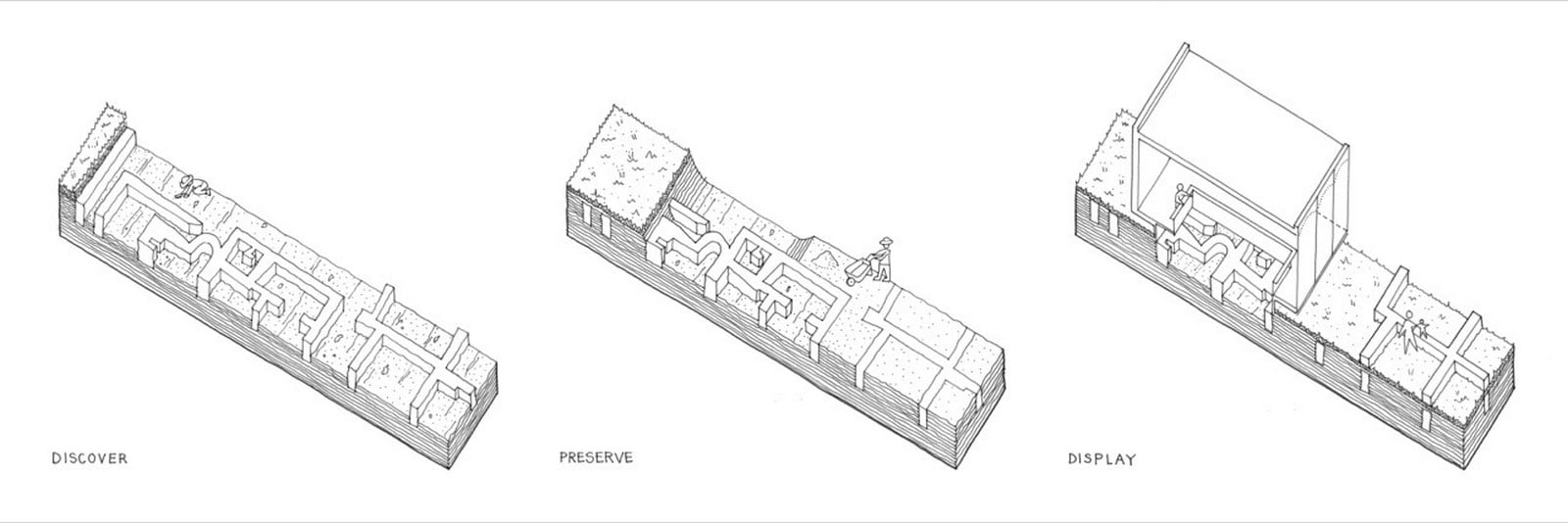
After carefully researching Roman architectural styles, we were able to use a reconstructed Roman villa to embrace craftsmanship, context and a love of history by creating a 1:1 artwork
Design
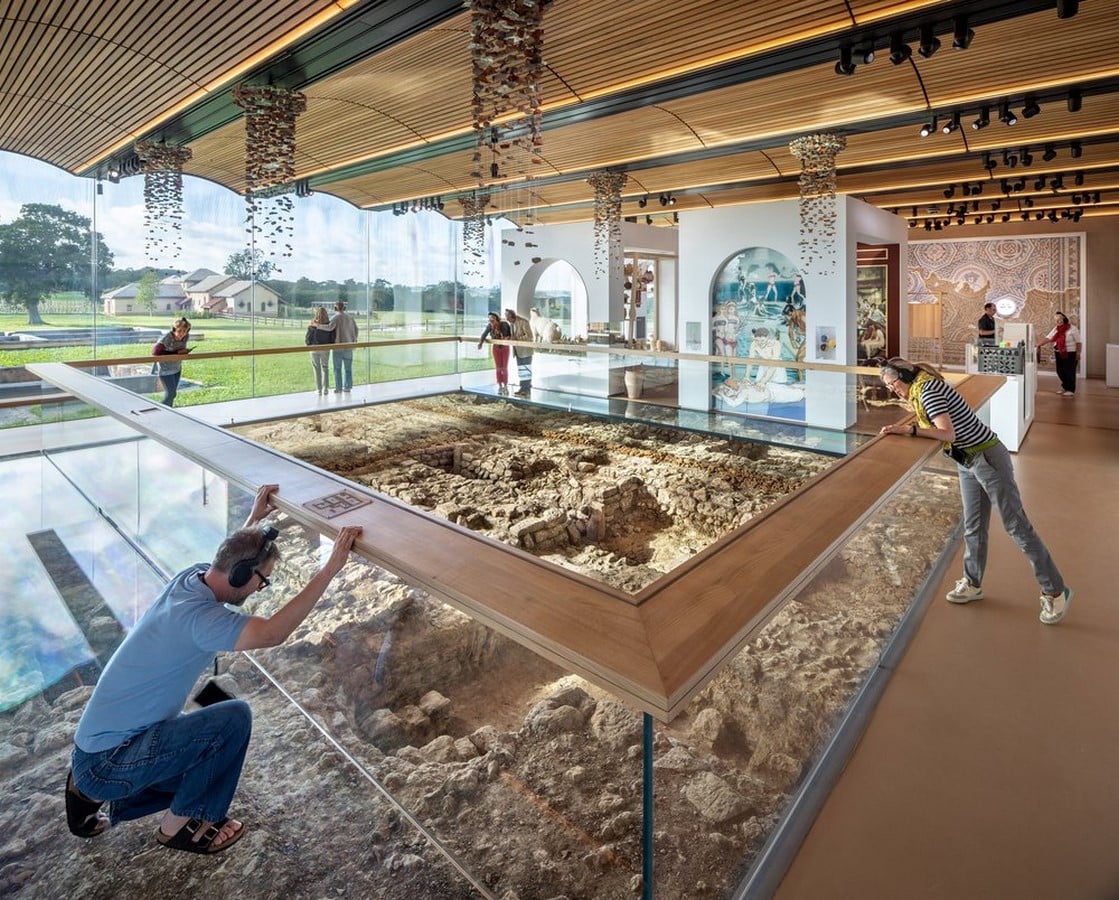
Planning and Design of the Roman Villa Museum by Stonewood Design
Design:
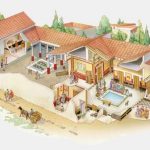
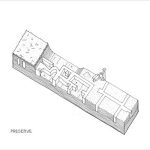
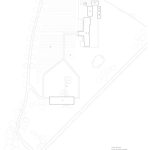
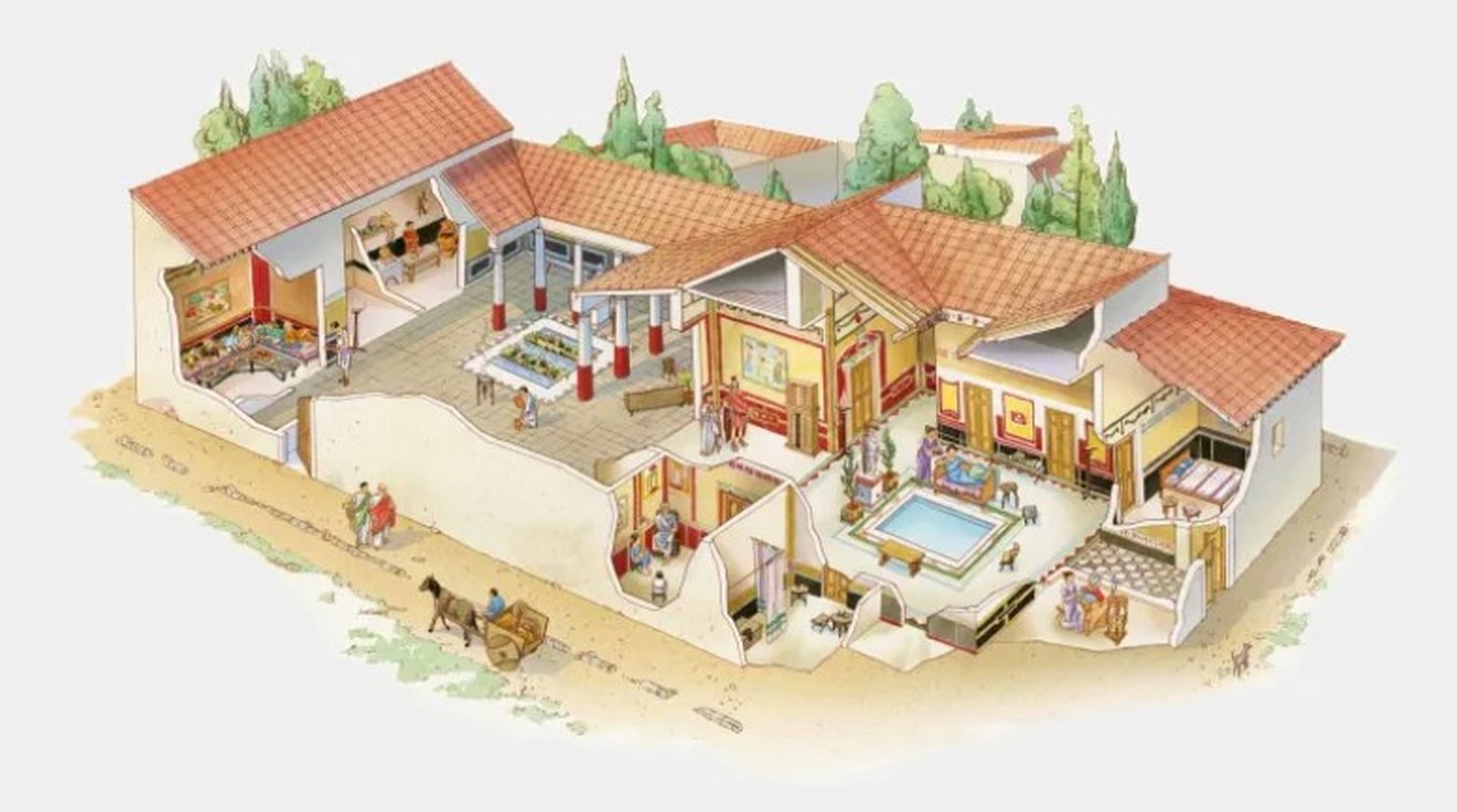
When designing the Roman Villa, Stonewood Design had a specific goal in mind: to capture the character of a Roman home while embracing modern practicality, the architectural concept was designed to reflect the essence of ancient Roman life and provide visitors with an enjoyable and educational experience. The layout of the Roman Villa Museum incorporates many important features and architectural features to better engage more visitors
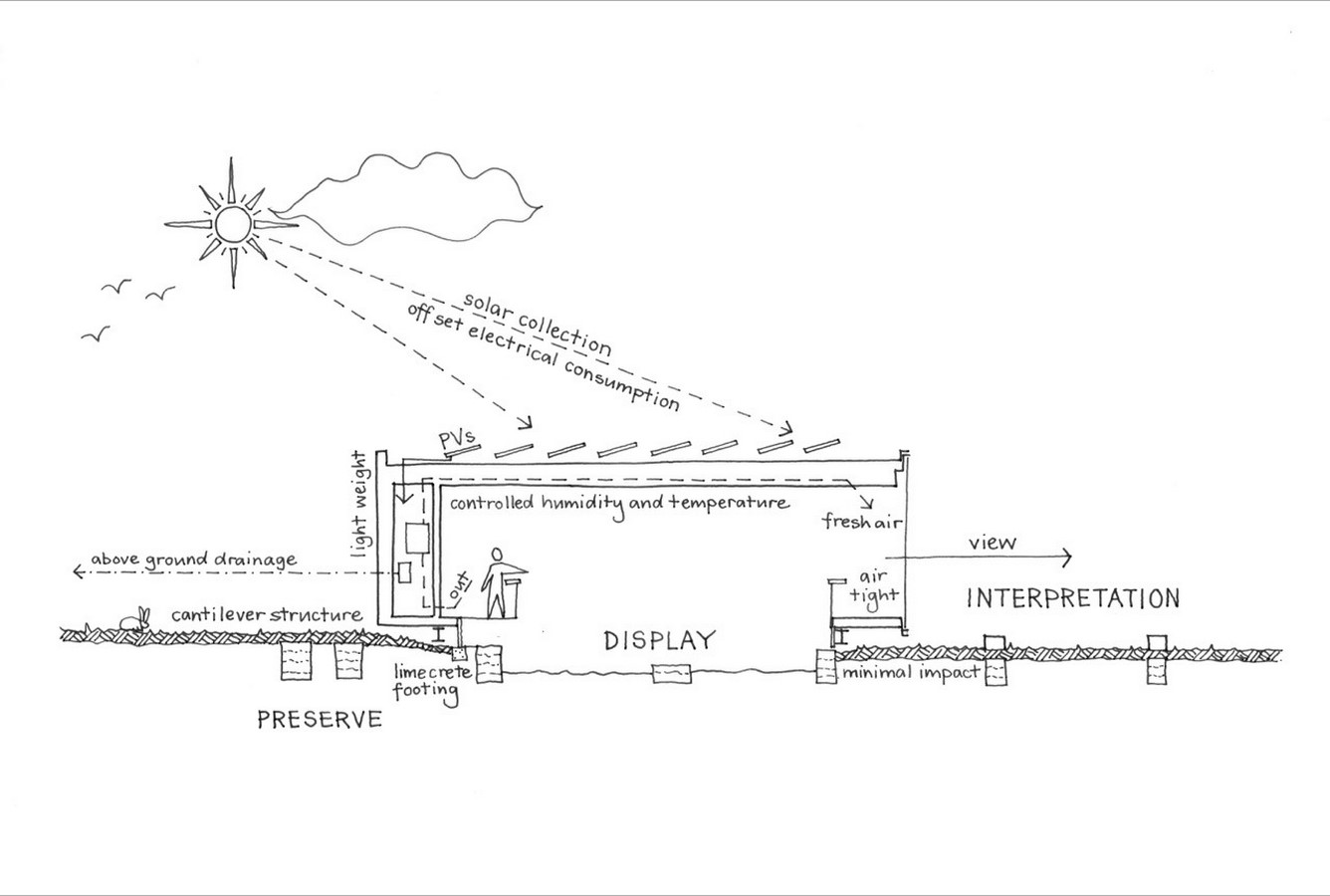
Space Configuration:
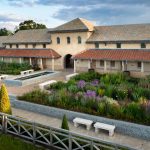
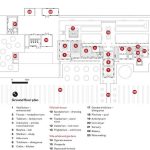
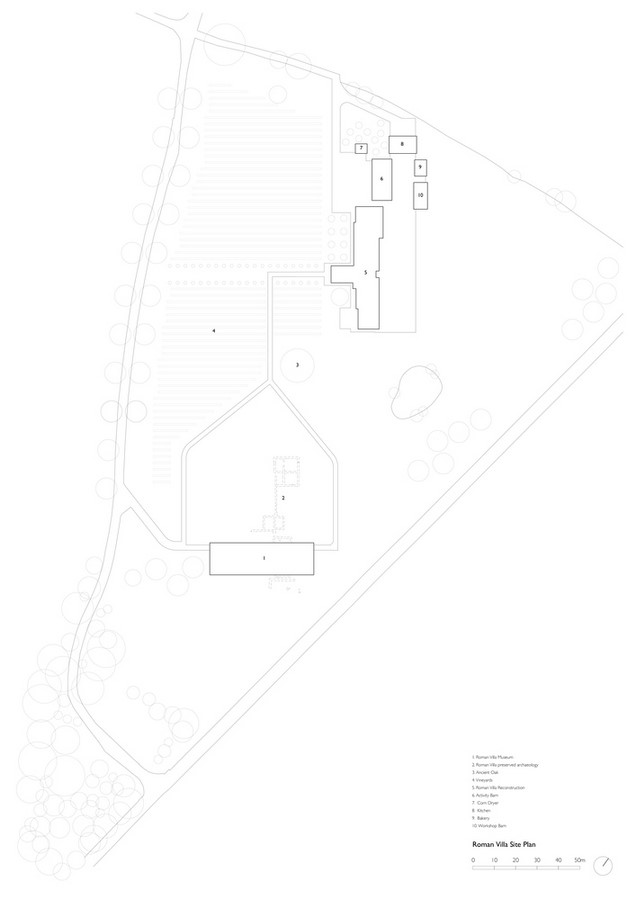
The Roman Villa Museum showcases the Stonewood design’s attention to detail and Roman architecture, aiming to create a contemporary user experience that captures the spirit of the Roman house The museum’s courtyards and rooms, together, evoke a sense of discovery and adventure, drawing visitors to explore Roman life. The museum’s layout, zoning, and architectural features give visitors an authentic impression.

Entry and reception area:
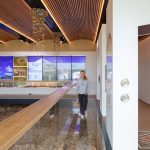
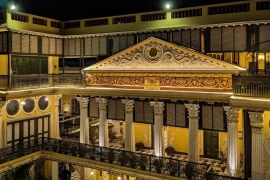
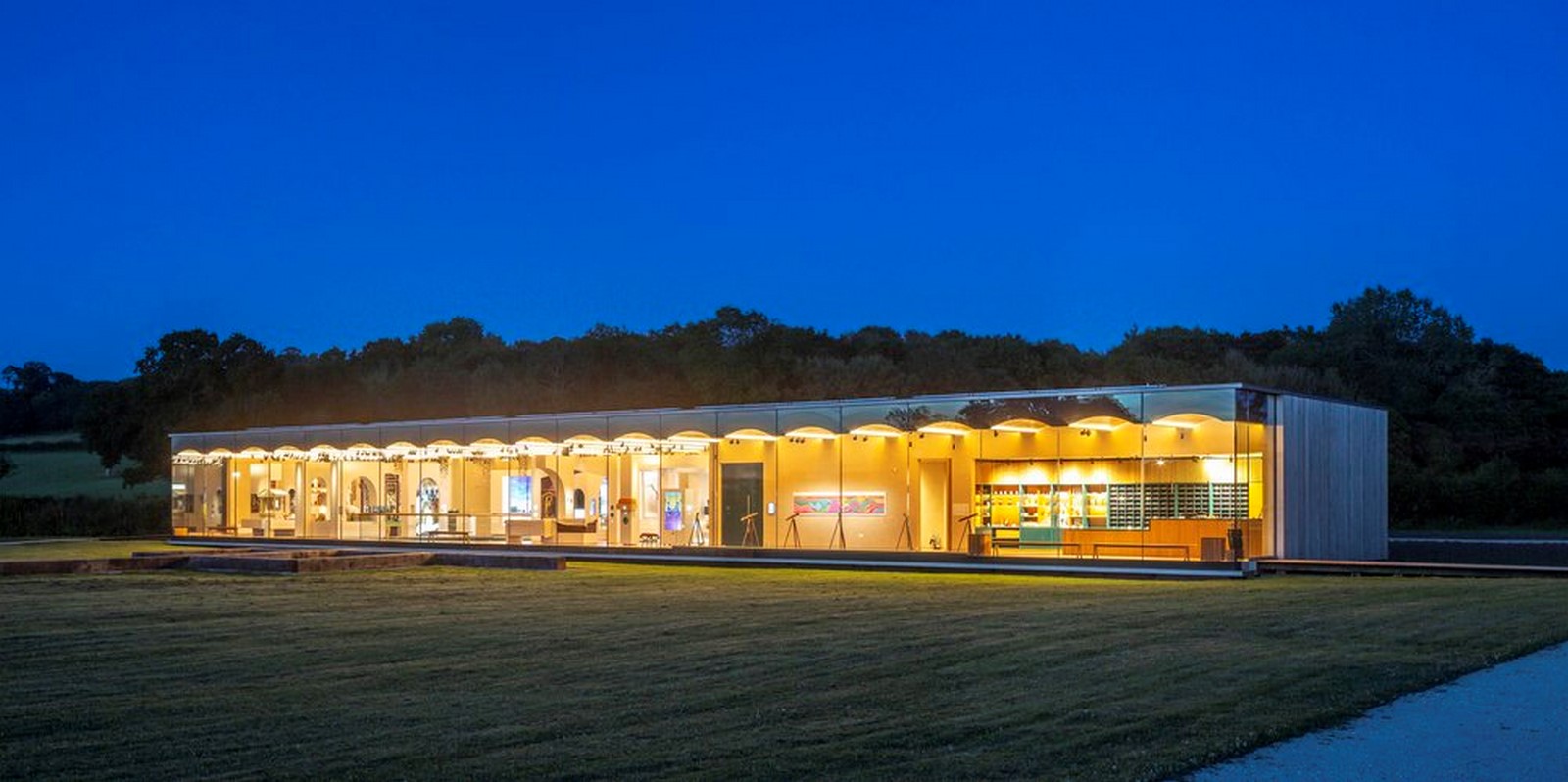
The entrance of the museum informs the visitor’s journey. A grand Stonewood Design foyer showcases the grandeur of old Roman architecture. The use of columns, arches and striking details creates a sense of foreboding. As a transitional space, the reception hall welcomes visitors and provides important information about the museum’s exhibitions and collections.
Courtyards and gardens:
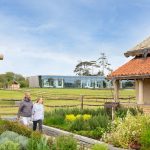
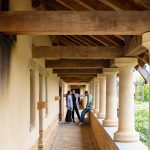
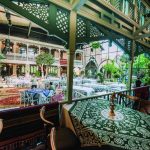
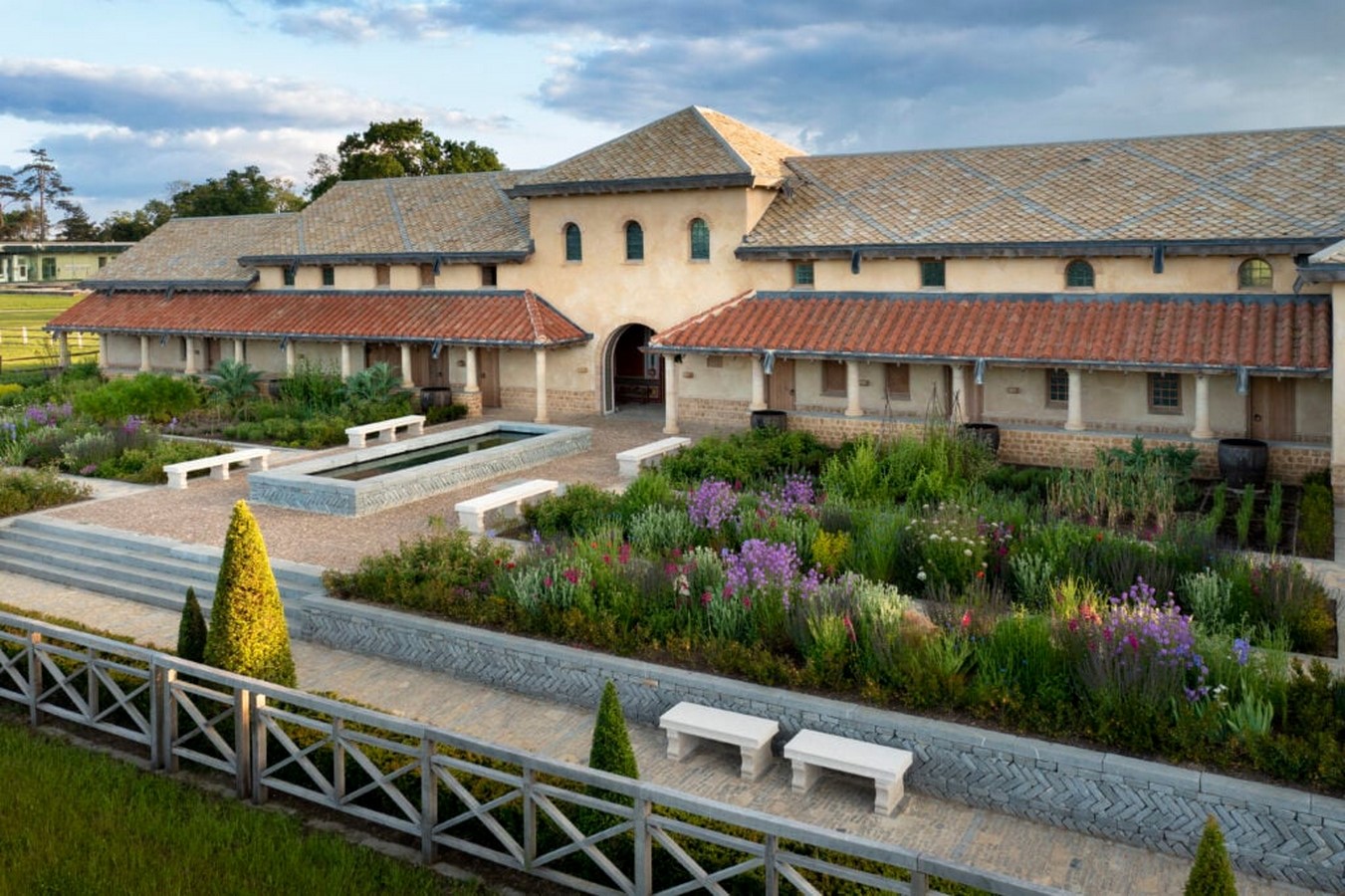
The Roman villa’s seamless blend of indoor and outdoor spaces is one of its defining characteristics. Courtyards and gardens are incorporated into the design of the museum to reflect this importance. Visitors can develop a Roman appreciation for the surroundings and the outdoors offered by these serene sanctuaries. The use of water elements such as symmetrical groups, geometric patterns, fountains and rotating pools pays homage to ancient Roman ideas of landscape
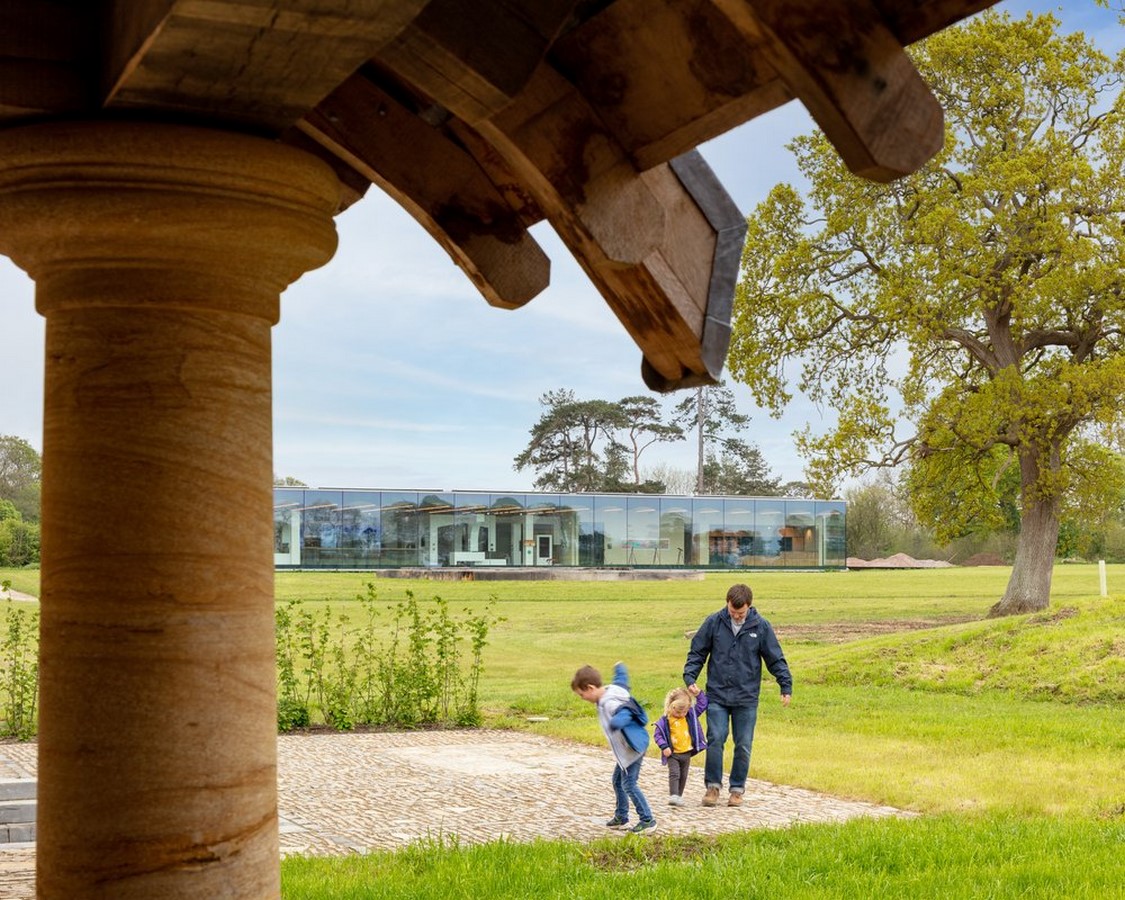
Photo: Fotohaus
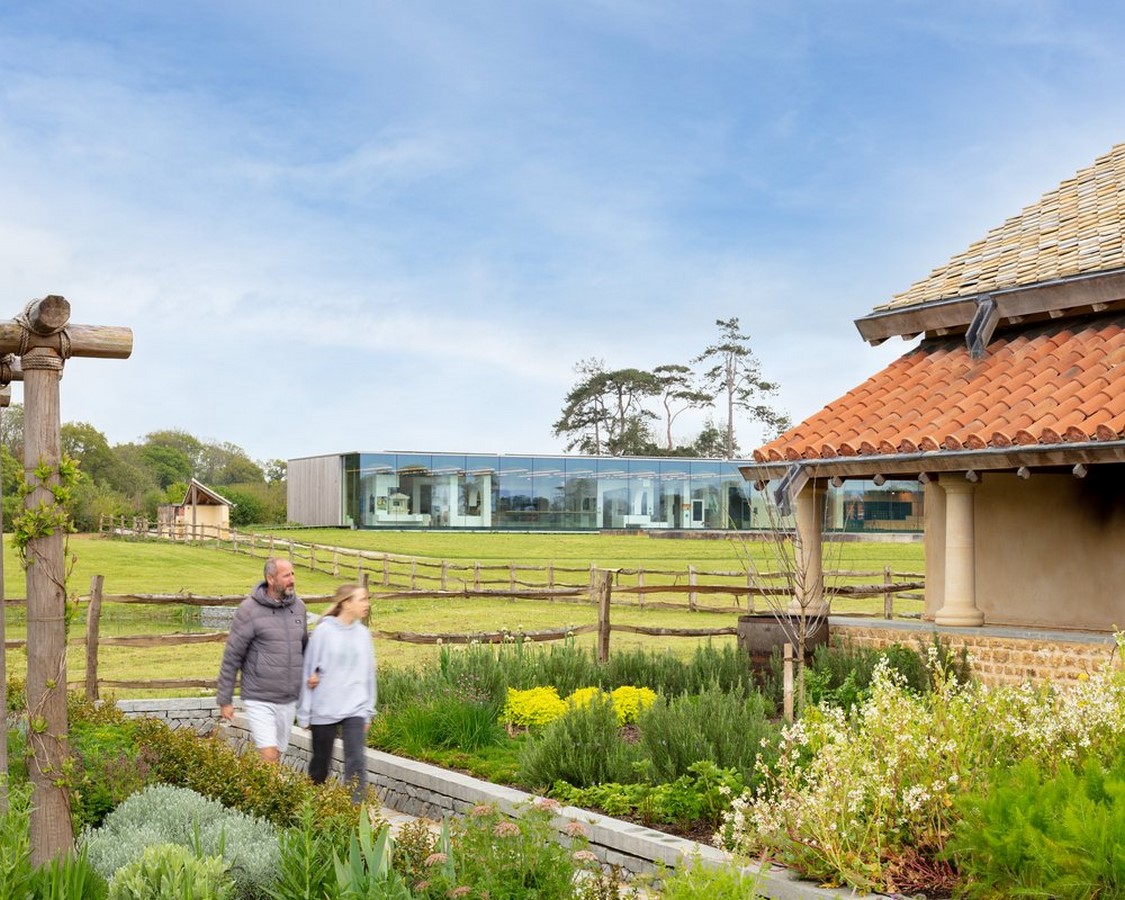
Photo: Fotohaus
Seating and exhibition areas:
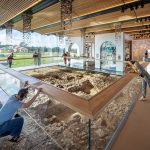
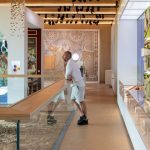
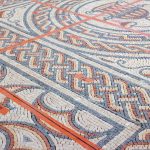
The museum features carefully restored living quarters and exhibits that are replicas of a lavish Roman villa These spaces reflect Roman daily life, social customs, and art. Roman furniture, furnishings and sculptures are used to decorate living spaces, including bedrooms, dining rooms and study areas Architectural features found in typical Roman villas include frescoes, mosaics, and ornate floors. Collections, archaeological finds, and interactive exhibits showcasing the historical significance of the Roman Empire.
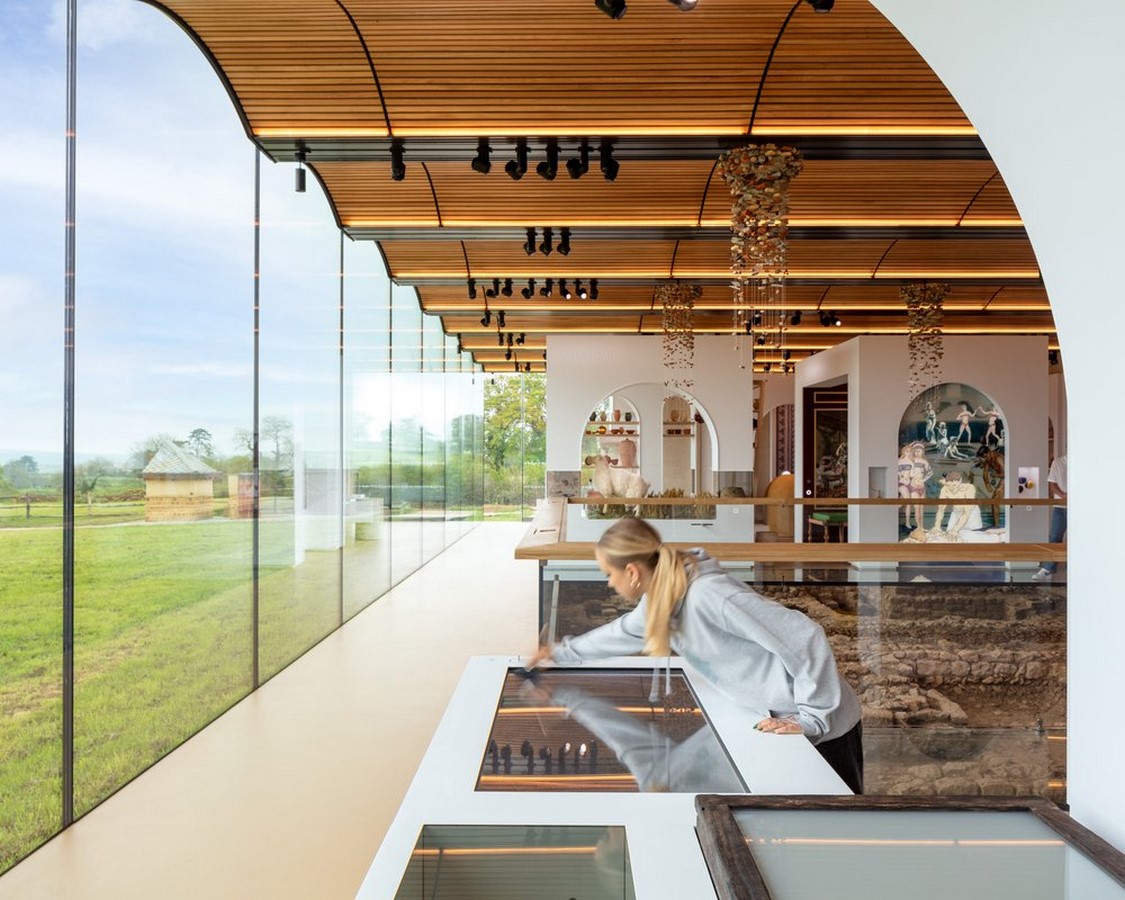
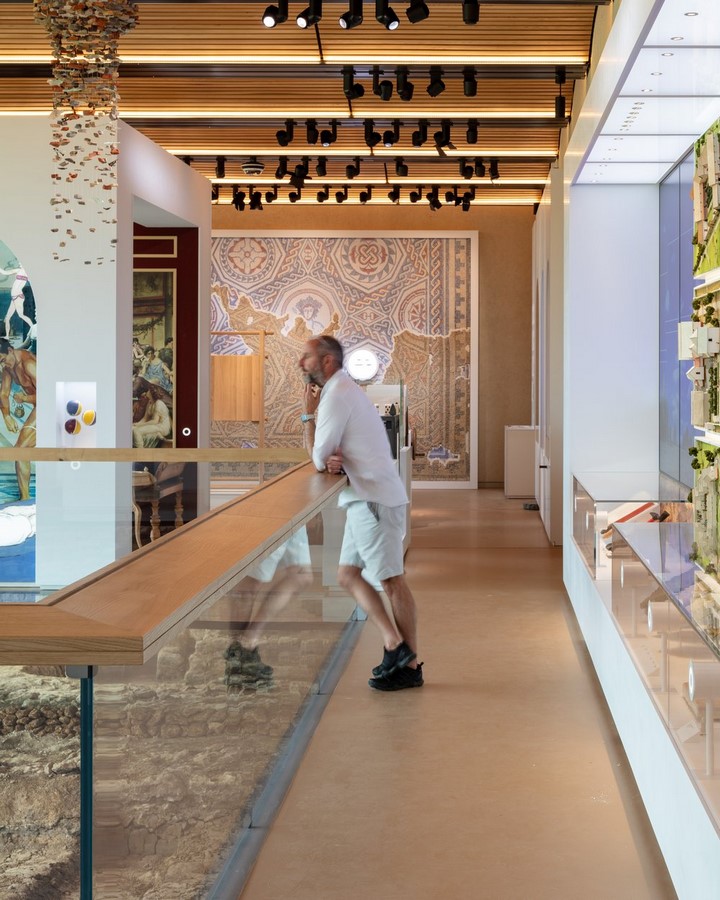
Exhibitions and venues:
To enhance the visitor experience and encourage cultural engagement, the museum has exhibition and event spaces. These spaces host live performances, educational events, lectures, and short presentations on Roman history, art, and archaeology.
These venues, with changing seating options, state-of-the-art video technology and sound effects, all incorporated their design to suit different shows and occasions Other architectural elements of stage architecture and lighting are ancient Roman amphitheatres and scenery of theatres, resulting in distinct immersion and atmosphere

Photo: Fotohaus
Conservation and restoration areas:
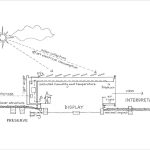
Roman villas need special places to preserve and maintain their cultural heritage. Within the museum, Stonewood Design incorporates special conservation areas, historic art restoration, and research areas. These facilities are subject to controlled conditions to ensure fragile storage and the use of appropriate cleaning techniques. Experts can examine the museum’s collections and register with archives and research centres, thereby enhancing academic research and ongoing educational work
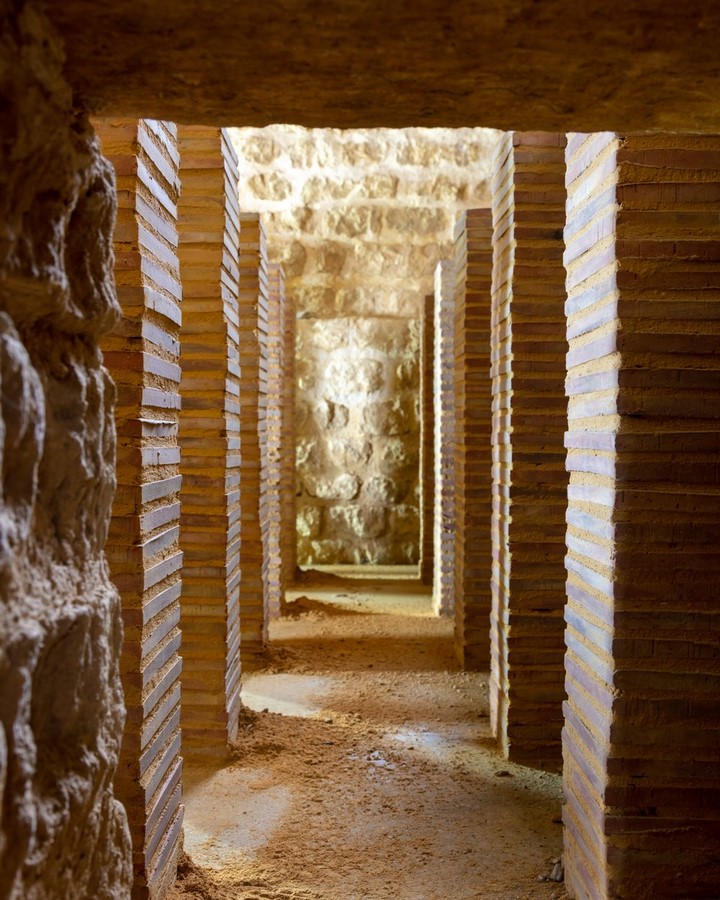
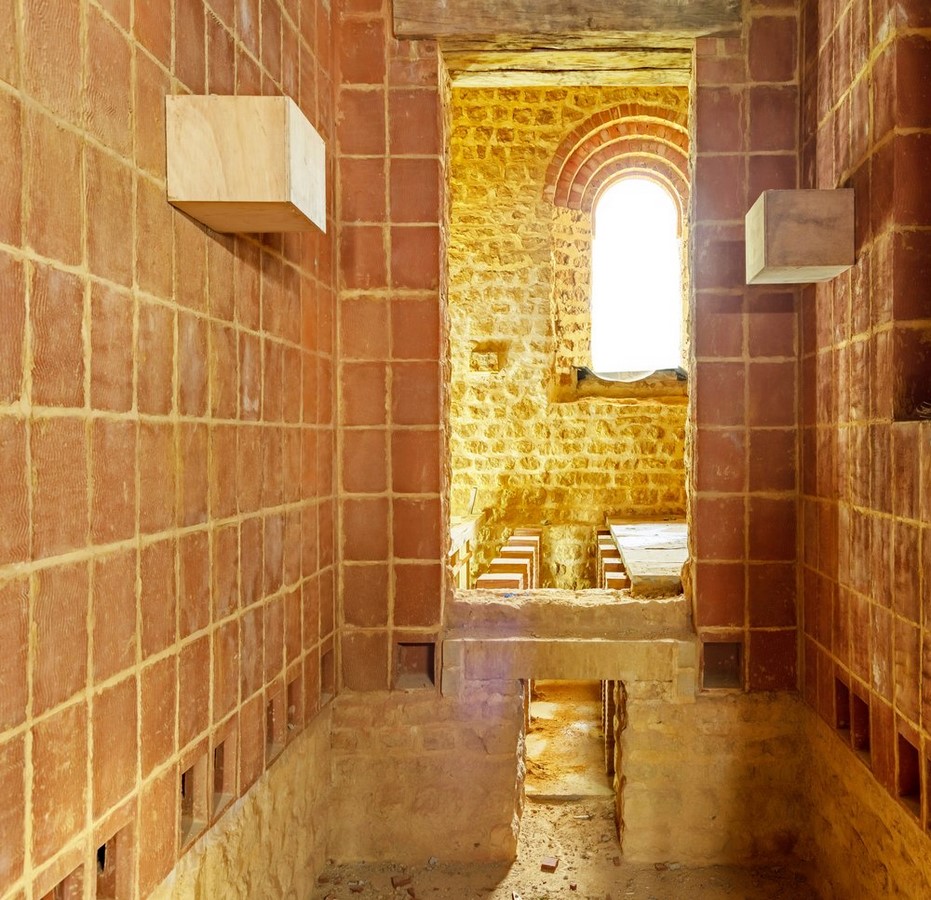
Photo: Fotohaus
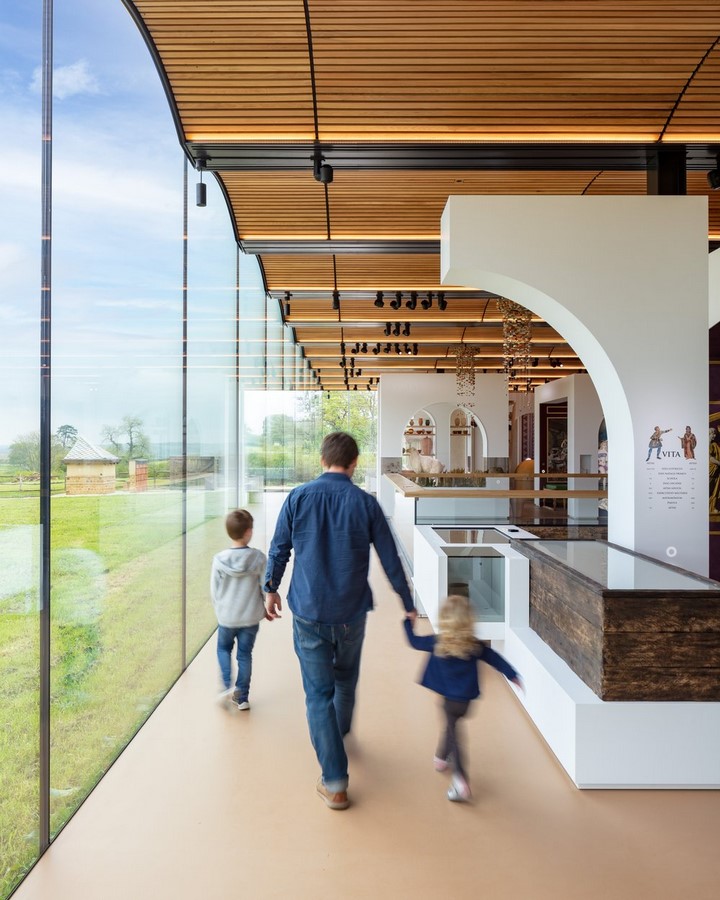
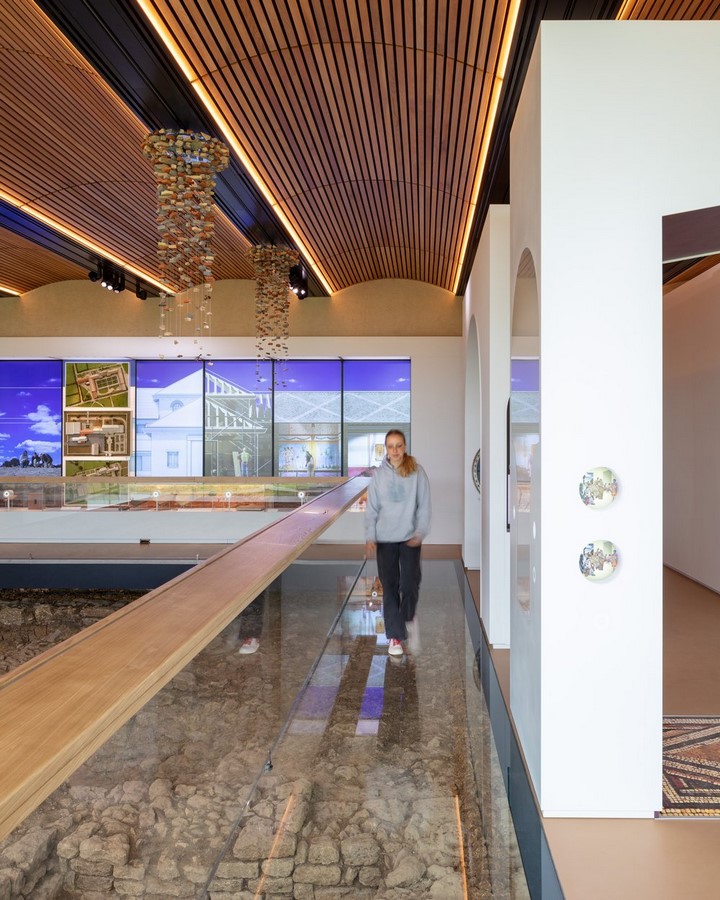
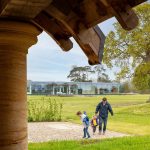
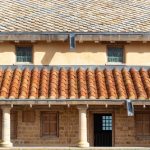
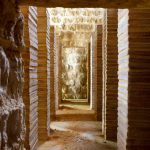
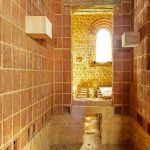
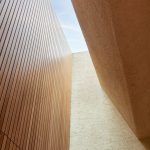
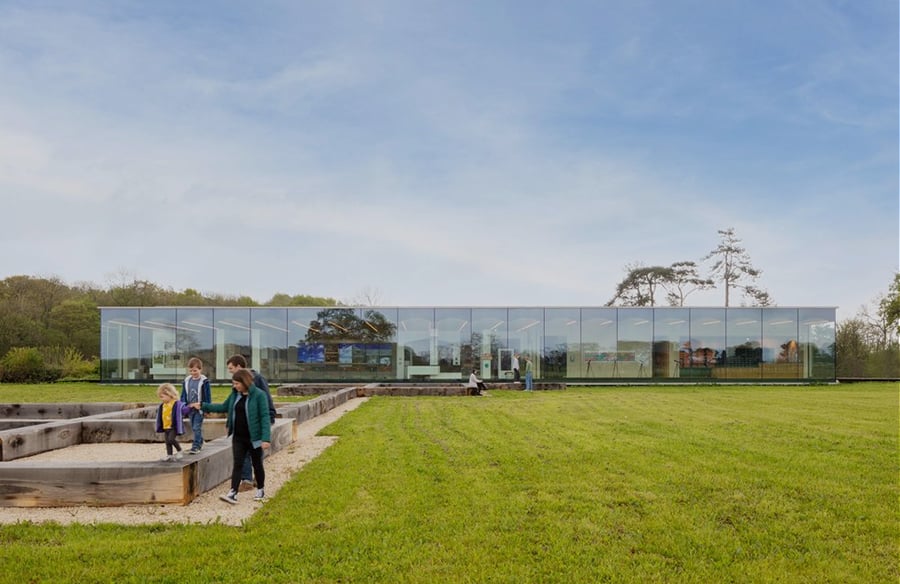
The Roman Villa Museum, designed by Stonewood Design, showcases authentic Roman villas with carefully selected exhibits. Its interior features columns, arches, frescoes, mosaic tiles, and natural elements. Sustainable materials like terracotta tiles and slate add authenticity, while strategically placed glass and steel create a visual link to ancient Roman architecture.
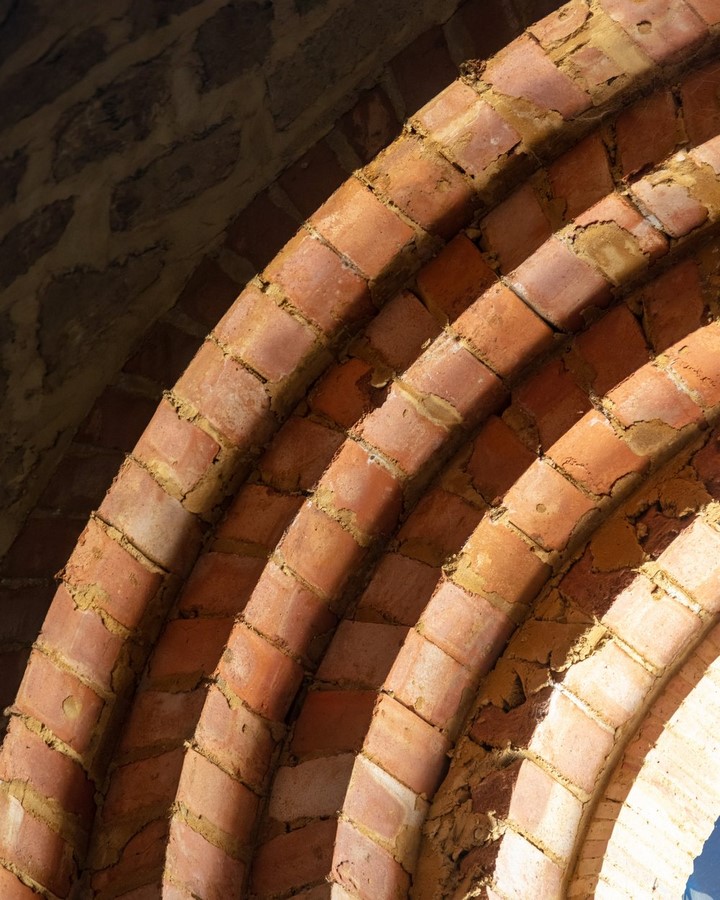
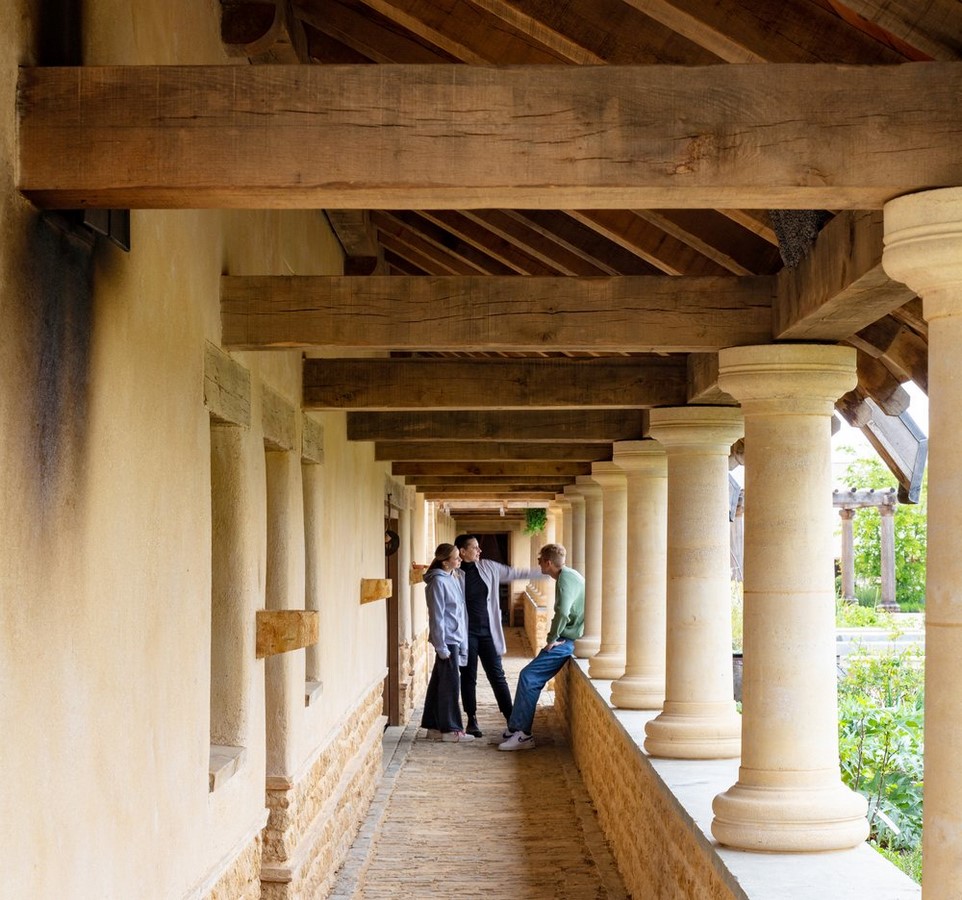
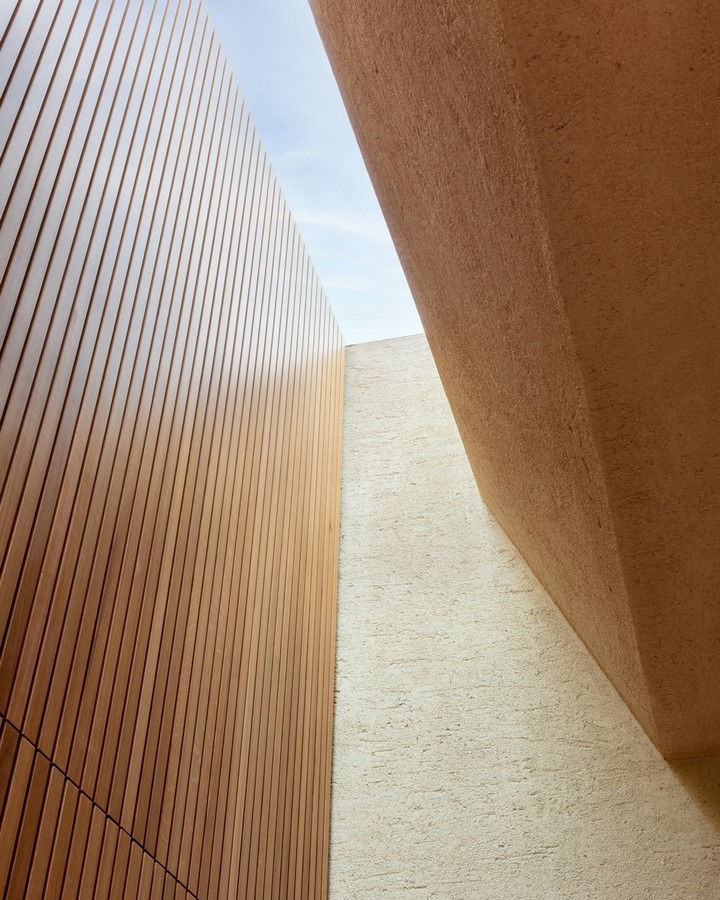
Photo: Fotohaus
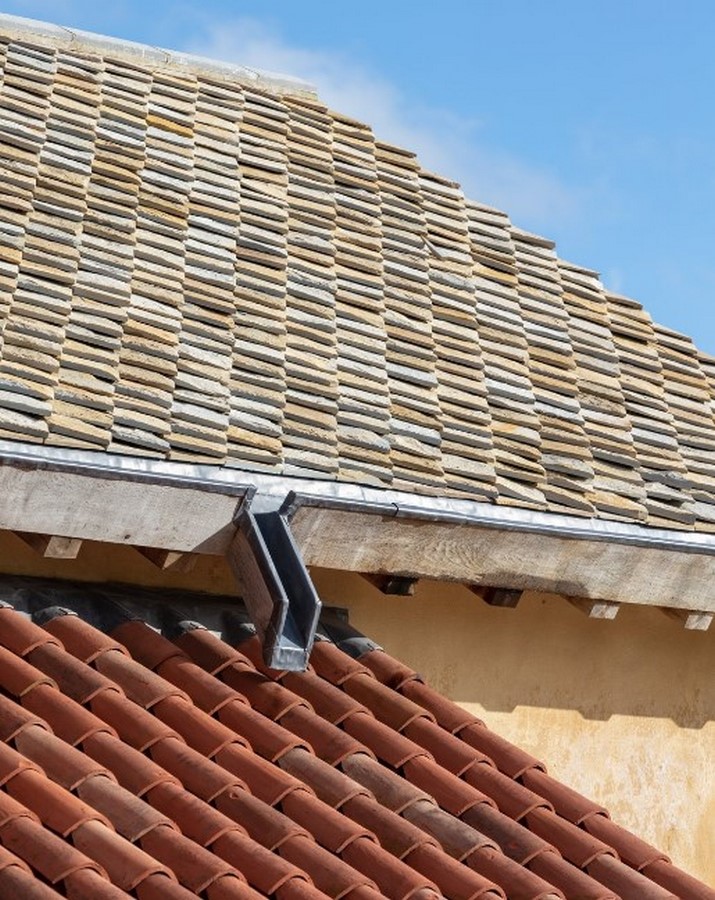
Photo: Fotohaus
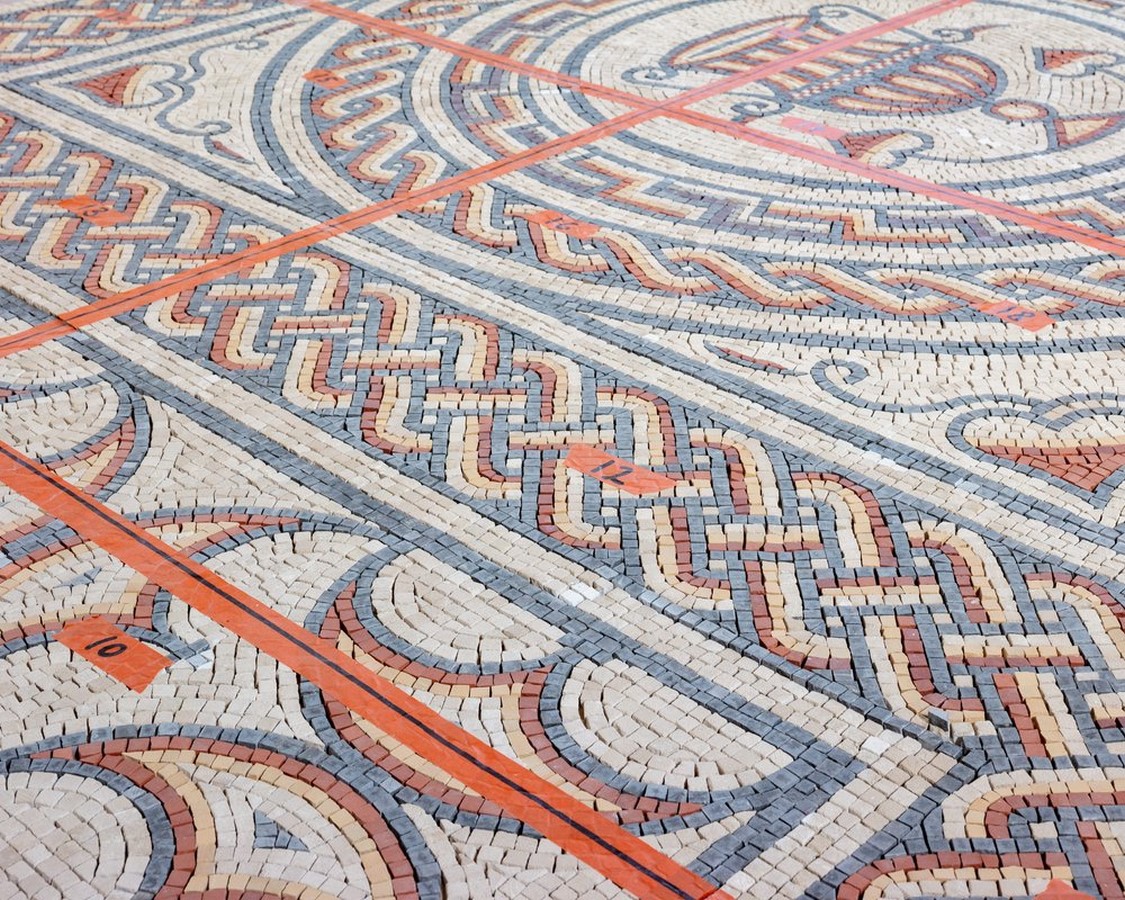
Photo: Fotohaus
Conclusion:
The Roman Villa Museum showcases Stonewood design’s attention to detail and Roman architecture, providing a contemporary user experience. Its courtyards and rooms evoke discovery and adventure, offering insights into ancient Romans, their social beliefs, art, and culture. The museum’s authentic materials and meticulous design allow visitors to appreciate the grandeur and opulence of Roman civilization.
References:
Siniscalco, A., Bellia, L., & Marchesi, L. (2021, October 20). Teaching Lighting Design for Cultural Heritage in the Digital and Pandemic Era: Experiencing New and Old Techniques. Heritage, 4(4), 3731–3748. https://doi.org/10.3390/heritage4040205
Rua, H., & Alvito, P. (2011, December). Living the past: 3D models, virtual reality and game engines as tools for supporting archaeology and the reconstruction of cultural heritage – the case-study of the Roman villa of Casal de Freiria. Journal of Archaeological Science, 38(12), 3296–3308. https://doi.org/10.1016/j.jas.2011.07.015
Battistin, F. (2021, February). Space Syntax and buried cities: The case of the Roman town of Falerii Novi (Italy). Journal of Archaeological Science: Reports, 35, 102712. https://doi.org/10.1016/j.jasrep.2020.102712
Websites:
Abdel, H. (2022, December 22). Roman Villa Museum / Stonewood Design. ArchDaily. https://www.archdaily.com/989573/roman-villa-museum-stonewood-design#:~:text=It%20had%20been%20built%2C%20adapted,to%20the%205th%20centuries%20AD.&text=The%20Roman%20Villa%20Museum%20conserves,the%20centre%20of%20the%20Museum.
Sayer, J. (2022, August 16). At This Roman Villa, Travelers Can Party Like It’s 351 AD | Architectural Digest. Architectural Digest. https://www.architecturaldigest.com/story/at-this-roman-villa-travelers-can-party-like-its-351-ad
Report without included sources and references.
Includes sources AND References