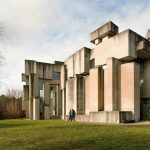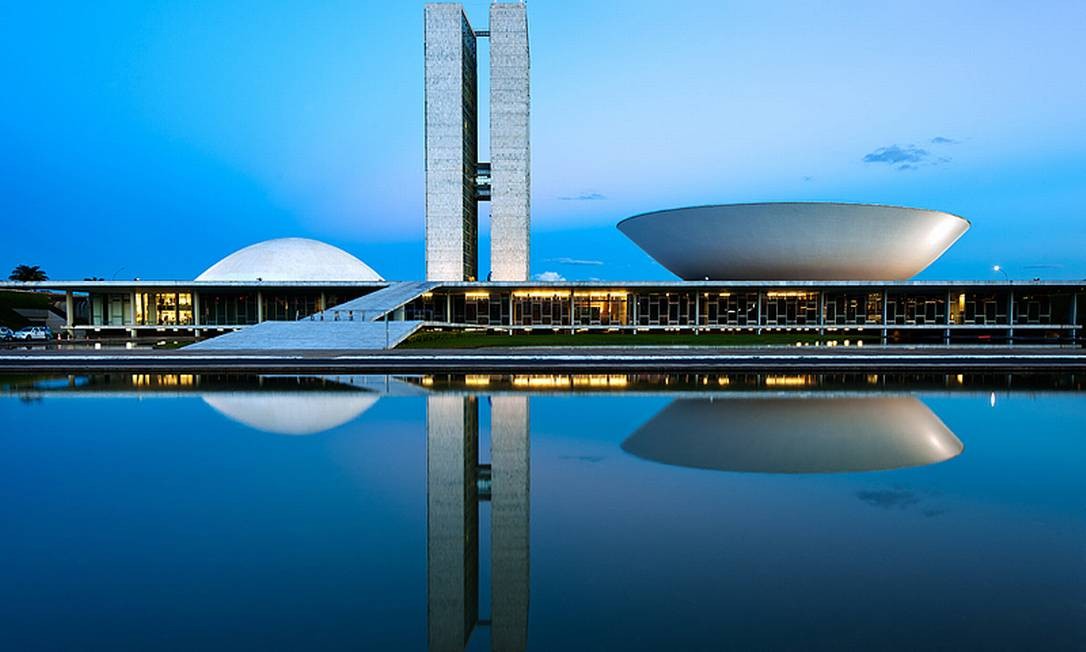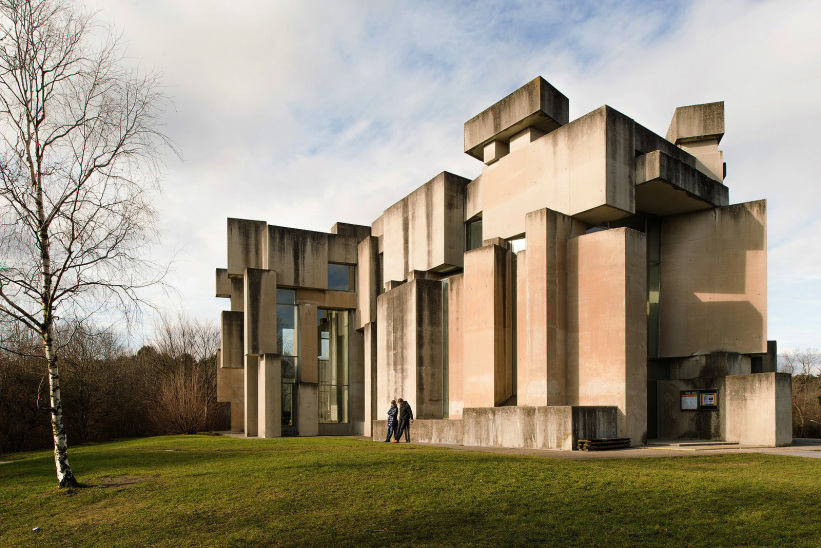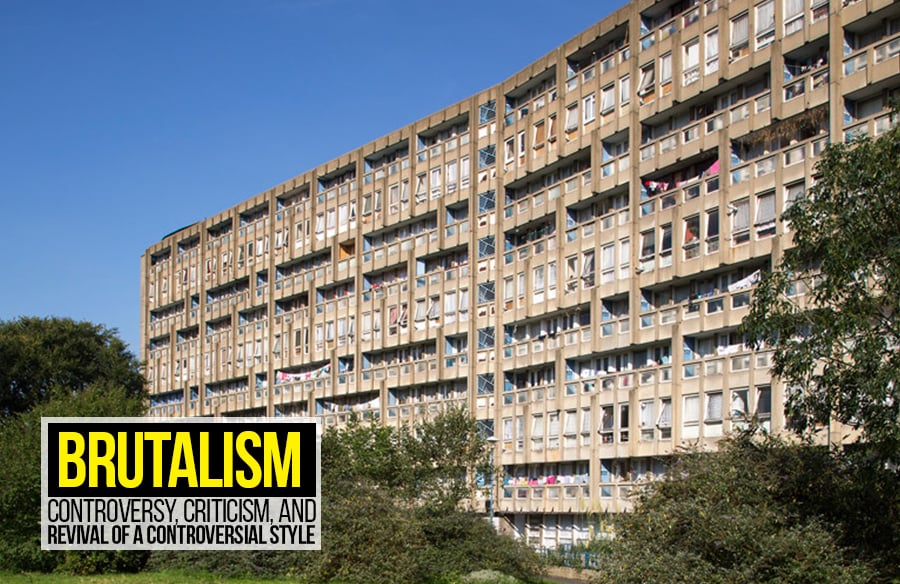
What Le Corbusier, B.V. Doshi, Louis Kahn, Oscar Niemeyer, Moshe Safdie, Paul Rudolph, and Alison and Peter Smithson have in common is the fact that they all practiced Brutalist architecture. Post the world war II era between the 1950s and 1970s, an art and architectural movement known as ‘Brutalism’ or ‘social modernism’ became prominent. This movement was closely associated with combating social issues and the idea that architecture could do more for the betterment of society. Brutalist buildings reflected the spirit of the time, particularly the welfare state concept, wherein the state or government took responsibility for safeguarding the health and well-being of its citizens. Consequently, many structures erected during this era were dedicated to social housing, libraries, universities, and recreational areas. These spaces aimed to foster a sense of community and togetherness.

About the Movement
While one might think that Brutalist architecture seems brutal and hence the name, the term ‘Brutalism’ originated from the Swedish architect Hans Asplund, who referred to it as ‘nybrutalism.’ It gained recognition when the British architectural critic Reyner Banham popularised it in 1955. Contrary to its name, Brutalism does not directly allude to the perceived harshness or brutality of its visual aesthetics. Instead, it is a playful nod to the French term ‘béton brut,’ which translates to ‘raw concrete.’ Buildings belonging to this movement exist in the USA, parts of Europe, Russia, and even South East Asia, but many have been erased as well.
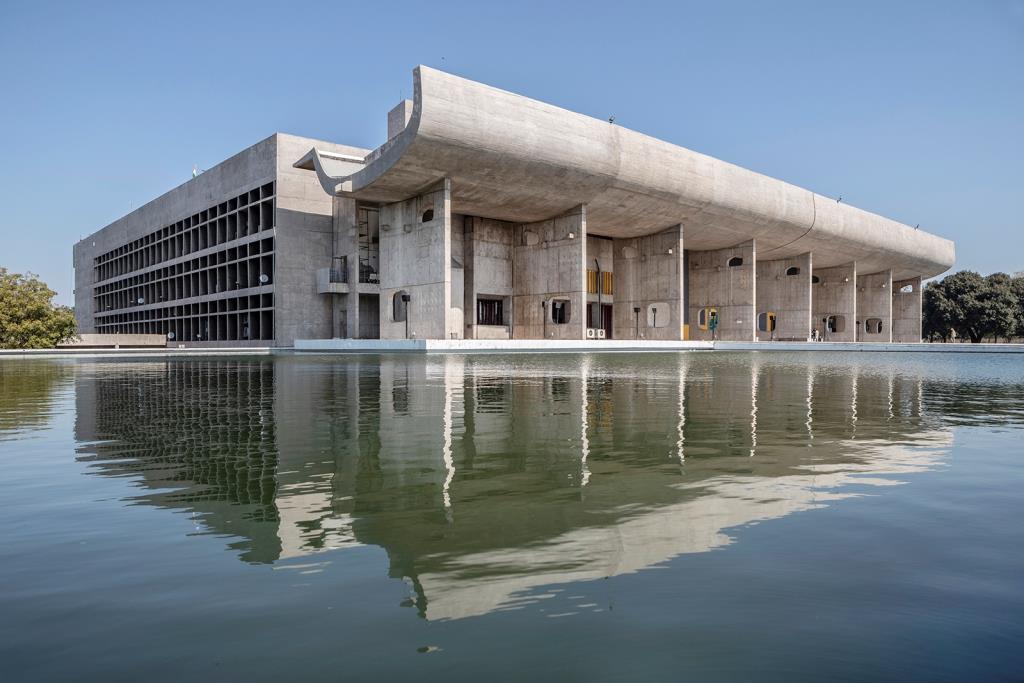
Due to the scarcity in the availability of construction materials at that time, concrete, steel, wood, and bricks were used to build various institutional buildings and other public buildings, with the materials left in their natural state. Hence there was a departure from any sort of ornamentation or aesthetic finishes, for this architecture was meant to be honest and reject elitism while portraying the idea of architecture for the masses; it also strived to be affordable, durable, and functional. Various university buildings, even in India, such as CEPT University, MICA, and IIM in Ahmedabad, IIT and NIFT in Delhi, and even institutions such as the Capitol Complex in Chandigarh, are all examples of Brutalist architecture.

The Criticism
But Brutalism was later criticized for its various shortcomings, such as maintenance issues, the harshness of the materials used, and the alien-like forms that made the building stand out. Many find these buildings to be unappealing, as they often are large, heavy, and lack attractiveness, with a prevailing color palette of dull, monotonous gray- reflecting the nature of concrete, the movement’s iconic material (or red when made of bricks). The lack of human scale is another factor; many of these buildings tend to be monumental in scale and make the users feel inconsequential.
The aging process of these buildings further contributes to the negative perception, as the facades can be seen crumbling, and in damp climates, dirty water streaks mar the surfaces, while rusting steel reinforcements lead to unsightly orange stains as well as structural instability. Issues such as moss and lichen growth have been problematic as well, along with the difficulty and cost of maintaining Brutalist buildings; all of these factors collectively make the buildings unappealing and add to their unfavorable reputation.
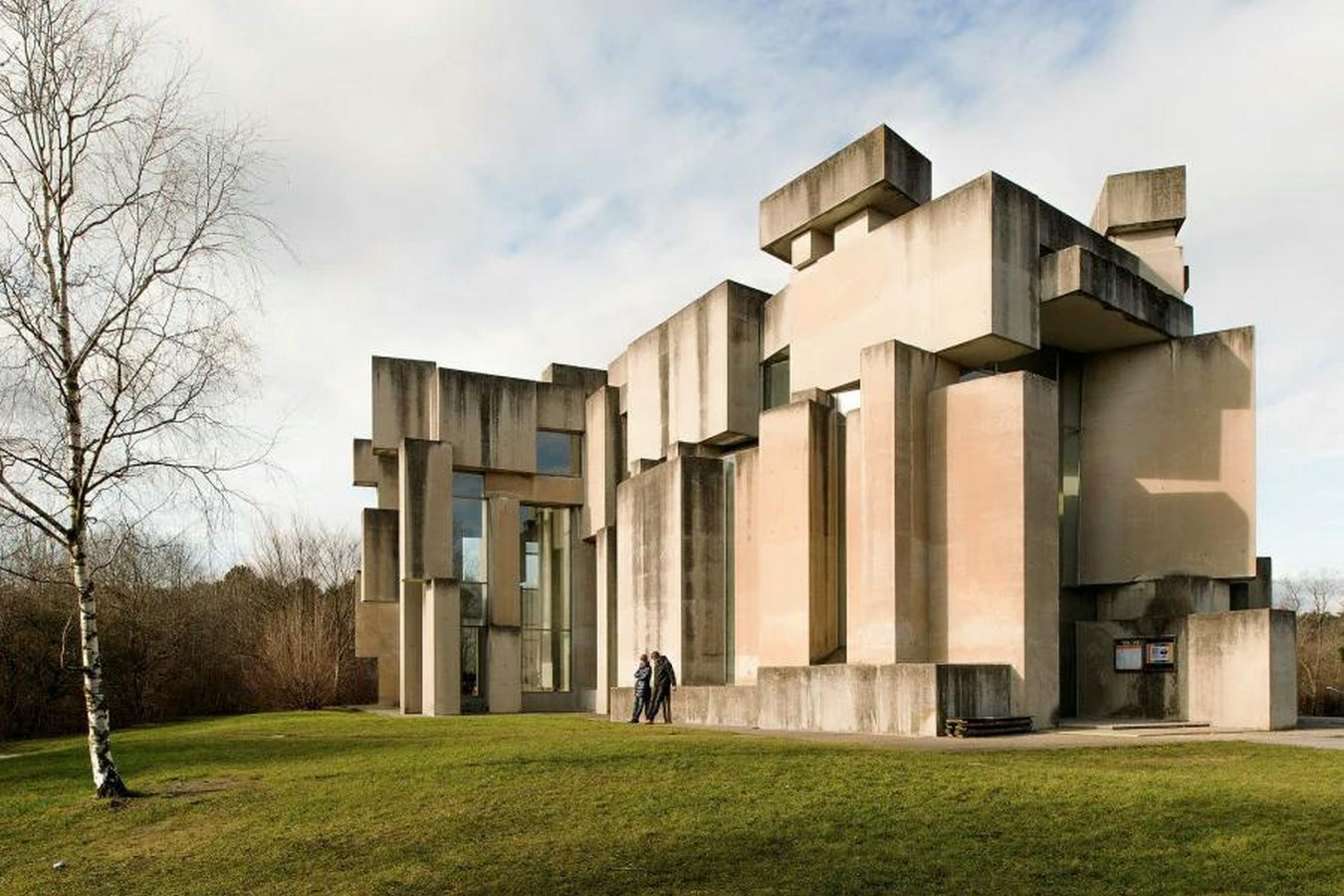
Some also associated Brutalist architecture with failed social housing projects or urban decay. The large-scale Brutalist projects of the mid-20th century have garnered criticism for their perceived social and environmental issues. Negative associations with crime, poverty, and institutionalization have contributed to the negative perception of these buildings. The early aspirations and ideals of the movement began with noble intentions, but it somehow did not live up to the term ‘social modernism.’
The Controversy
Various controversies surrounding Brutalist architecture involve debates and differing viewpoints on heritage preservation, urban planning, and community impact, and general public opinion. While some believe that the preservation of Brutalist buildings is vital for preserving the memory of one’s cultural and architectural heritage of a bygone era. Others believe that these buildings should be demolished as they have no aesthetic value and are dysfunctional today.
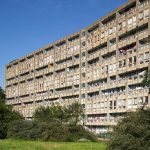
Brutalist buildings have also been at the forefront of debates regarding urban planning and community impact; controversies have risen when the construction of such massive buildings have displaced communities (such as during the construction of the Robin Hood Gardens housing estate in London, c. 1972), disrupted the urban fabric or created a sense of alienation. The debates also involve discussions on the balance between architectural vision, social responsibility, and community needs.

The perception of Brutalist architecture has always been polarising, with some appreciating the boldness, functionality, and historical significance of Brutalist buildings, others feeling that these buildings are eyesores or symbols of failed architectural experiments.
The Revival
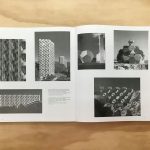
In recent years interestingly, there has been a renewed appreciation for Brutalism, after facing criticism and being associated with neglect and decay, Brutalism is experiencing a resurgence, attracting a new generation of admirers. Books, exhibitions, and online platforms have played a significant role in promoting the revival of Brutalism. Publications like SOS Brutalism: A Global Survey, How to Love Brutalism, and This Brutal World have celebrated the artistry and uniqueness of Brutalist buildings. Social media platforms, especially Instagram, have provided a space for enthusiasts to share captivating images of these structures, fueling a broader interest in this style of architecture.
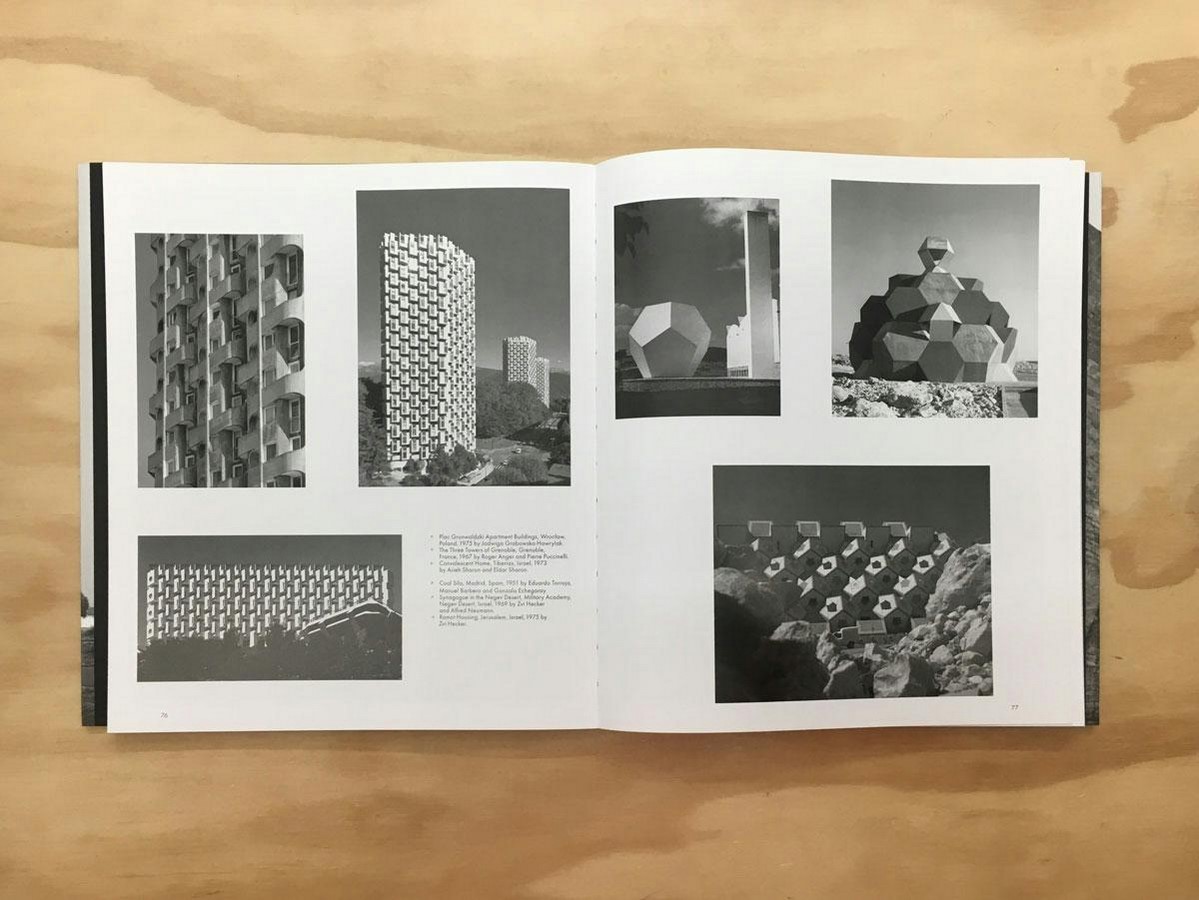
The revival has also led to a reinterpretation of Brutalism in contemporary architecture, with architects and designers incorporating Brutalist elements into new projects. This ‘Neo Brutalism’ often pays homage to the original style while infusing modern design sensibilities. The resurgence can be attributed to a desire for authenticity, a fascination with the raw beauty of materials, and longing for permanence and character in an increasingly disposable world.
References (online articles/ blogs):
Brutalist architecture: Controversy cast in concrete (2016) PDH Academy. Available at: https://pdhacademy.com/2015/08/21/brutalist-architecture-controversy-cast-in-concrete/ (Accessed: 10 July 2023).
Holleran, M. (no date) Concrete monsters of the welfare state: Discussions of brutalist …, Sage Journals. Available at: https://journals.sagepub.com/doi/full/10.1177/12063312211019384 (Accessed: 09 July 2023).
Revival of brutalism: The architectural style making a comeback (no date) Sound of Life. Available at: https://www.soundoflife.com/blogs/design/brutalist-architecture (Accessed: 10 July 2023).
Stewart, J. (2022) Brutalism: What is it and why is it making a comeback?, My Modern Met. Available at: https://mymodernmet.com/brutalist-architecture/#:~:text=The%20hashtag%20%23brutalism%20has%20over%20500%2C000%20images%20and,revival%20is%20often%20branded%20as%20%E2%80%9C%20Neo%20Brutalism.%E2%80%9D (Accessed: 10 July 2023).
Images:
(no date). Ogimg.infoglobo. Available at: https://ogimg.infoglobo.com.br/in/10249161-5e7-794/FT1086A/652/ANDREW-PROKOS-BRASILIA-9180-C.jpg. (Accessed: 9 July 2023).
(no date) Thetravelshots. Available at: https://thetravelshots.com/wp-content/uploads/2021/06/Complex-du-Capitol2.jpg. (Accessed: 9 July 2023).
Kramar (2015). Sosbrutalism. Available at: https://www.sosbrutalism.org/sixcms/media.php/1685/thumbnails/00_2015.01.18_KRA2343_printD800.jpg.2802670.jpg. (Accessed: 9 July 2023).
(no date) Images.adsttc. Available at: http://images.adsttc.com/media/images/55c7/cacf/e58e/ce67/c100/01c9/large_jpg/Robin-Hood-Gardens.jpg?1439156940. (Accessed: 9 July 2023).
(no date). Naibooksellers. Available at: https://www.naibooksellers.nl/media/catalog/product/9/7/9780714871080_this-brutal-world-peter-chadwick_spreads2.jpg. (Accessed: 9 July 2023).