In today’s world, cities have transformed into vibrant hubs of cultural exchange where diverse communities come together, shaping and enriching the urban landscape. Within this multicultural mosaic, architecture, and urban design emerge as catalysts that connect, celebrate, and nurture the rich spirit of cultural expression.
Cultural diversity encompasses the presence of various groups within a society, emphasizing the recognition, acknowledgment, and appreciation of their unique socio-cultural differences. It surrounds a rich tapestry of elements, including beliefs, values, norms, behaviors, and the very essence of our way of life, which often find expression in the surrounding built environment and architectural designs.
Cultural Significance in Architecture
Architecture is an art form that goes beyond mere construction; it is a reflection of culture, history, and the identity of a society. Through unique styles and techniques, civilizations have showcased their cultural diversity, creating a lasting legacy that continues to inspire us today.
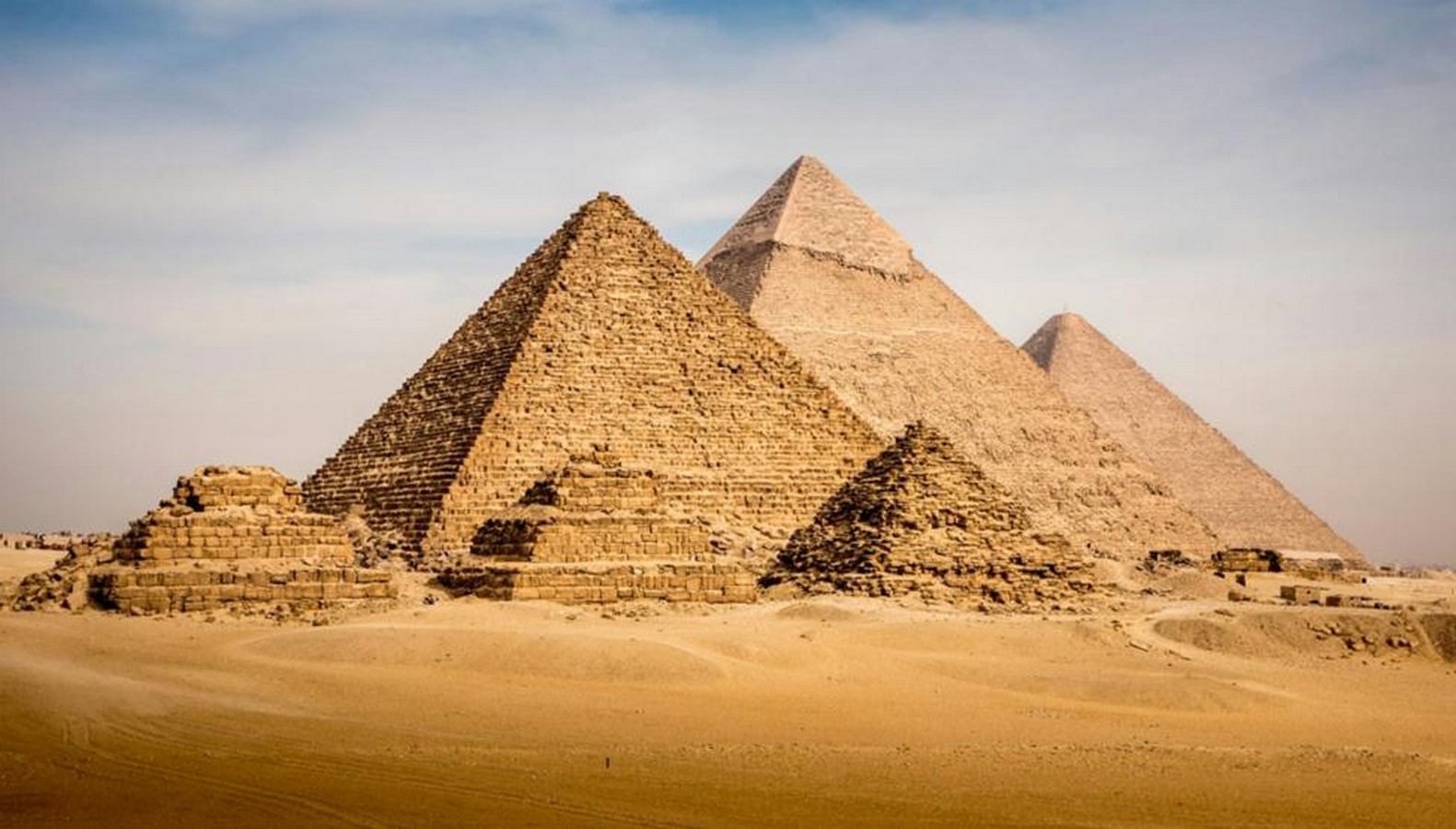
The Pyramids of Ancient Egypt
The pyramids of ancient Egypt stood as grand monuments honoring the notion of an afterlife. These magnificent structures were meticulously constructed as eternal resting places for the pharaohs, the revered kings of Egypt. The Egyptians believed that life continued beyond death, and the pyramids reflected the pharaoh’s critical role in preserving their people’s perpetual existence. This profound belief in the afterlife made the construction of the pharaoh’s tomb a matter of great significance, embodying the religious devotion and spiritual aspirations of the ancient Egyptians.
Abu Mena Heritage Site
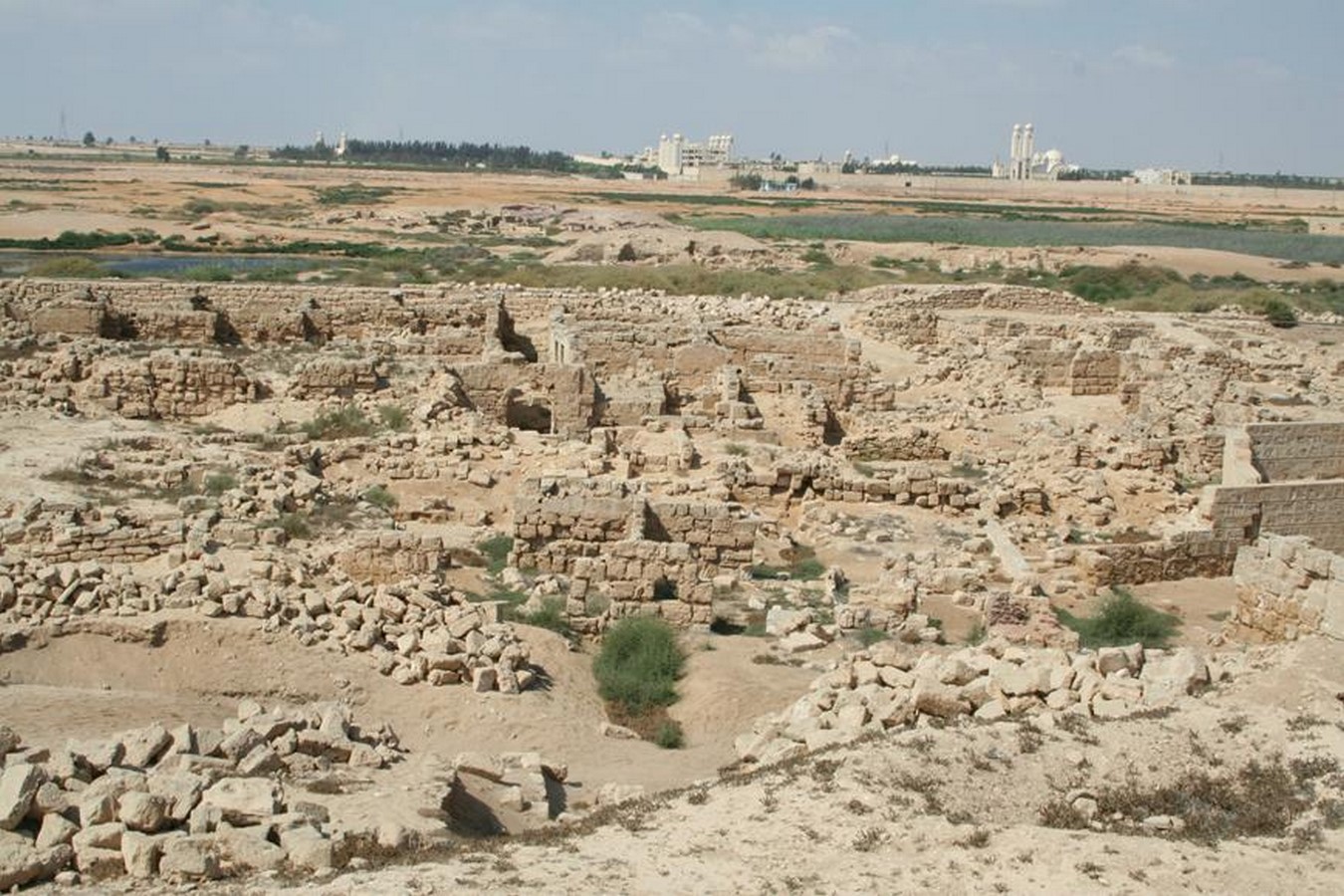
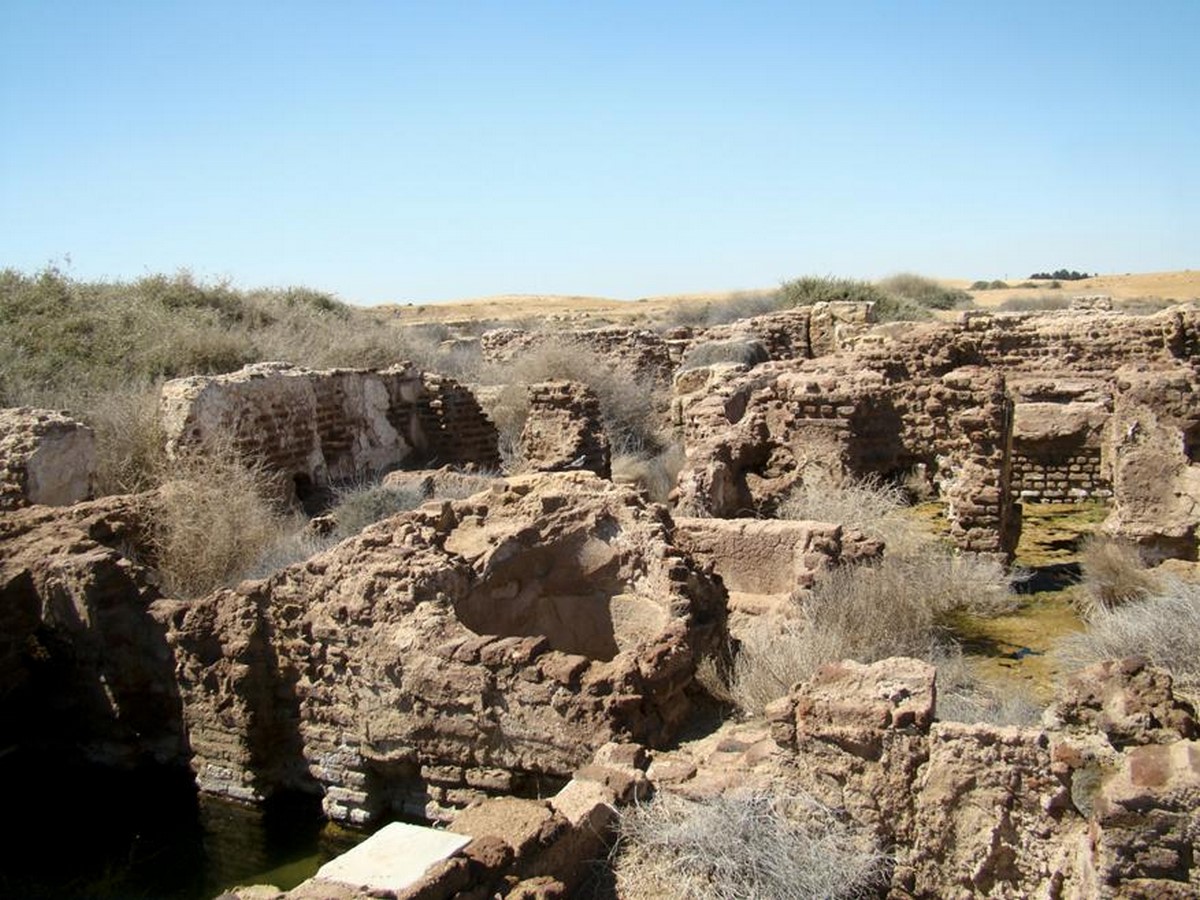
Abu Mena was an important pilgrimage site honoring Saint Menas, a Christian martyr who became a revered figure in the Coptic Church. The site was thought to be Saint Menas’ final resting place, attracting pilgrims from all over the world. The site’s architecture and layout were meticulously designed to meet the needs of pilgrims, with spaces for prayer, rituals, and communal gatherings. The presence of churches, monastic cells, and baptismal pools emphasized religious devotion and the importance of faith in community life. The site featured residential areas, shops, and amenities for both pilgrims and residents, highlighting Coptic culture’s communal nature and hospitality.
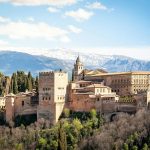
The Alhambra Palace in Granada, Spain
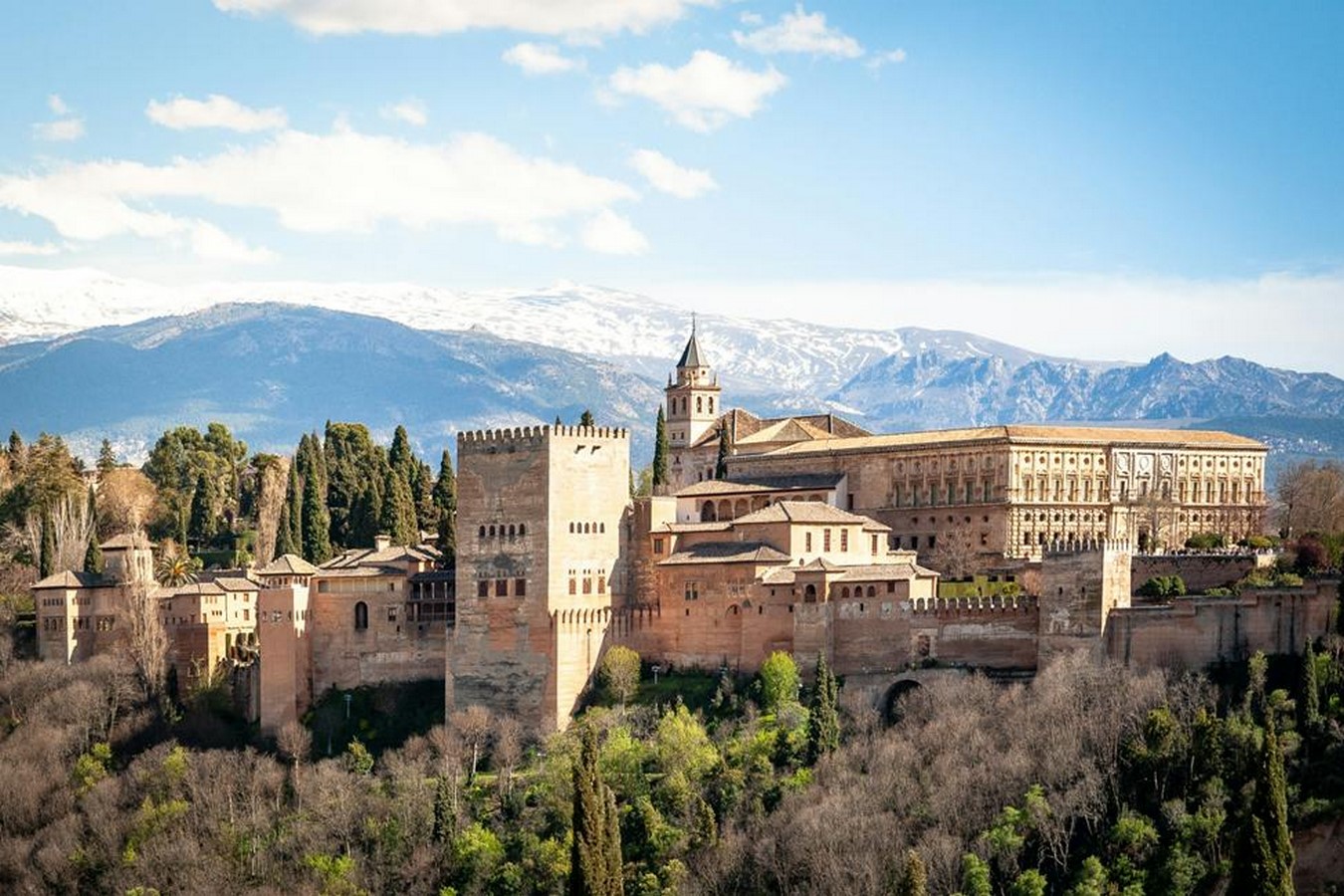
The Alhambra palace in Granada, Spain, is a testament to the region’s rich culture and identity, with its fusion of Islamic and Moorish influences. The intricate geometric patterns, arabesques, and calligraphy found throughout the palace show the influence of Islamic traditions, reflecting the region’s deep-rooted Islamic heritage. These designs have symbolic meanings, such as the eight-pointed star, which represents unity and infinity, and the use of water, which represents purification and the cycle of life. The Alhambra is a reminder of Spain’s multicultural past when various cultures coexisted and left their imprint on the region.
Progressive Approaches to Blending Cultural Diversity in Architecture
As the centuries and eras have evolved, so too has the approach to design. Instead of adhering to stereotypical solutions that only cater to specific groups or periods, the mindset has shifted towards designing in a way that embraces a culture’s changing needs. This shift is evident in design through the development of spaces that foster interaction and connection.
Cultural Identity as an Inspiration for Architecture
Architecture can reflect, honor, and celebrate different communities’ cultural identities within an area. Architects can create a sense of belonging and pride among residents by incorporating cultural motifs, symbols, and design elements into buildings and public spaces. This approach not only recognizes diverse groups’ cultural heritage but also ensures that urban landscapes become living representations of shared histories and values.
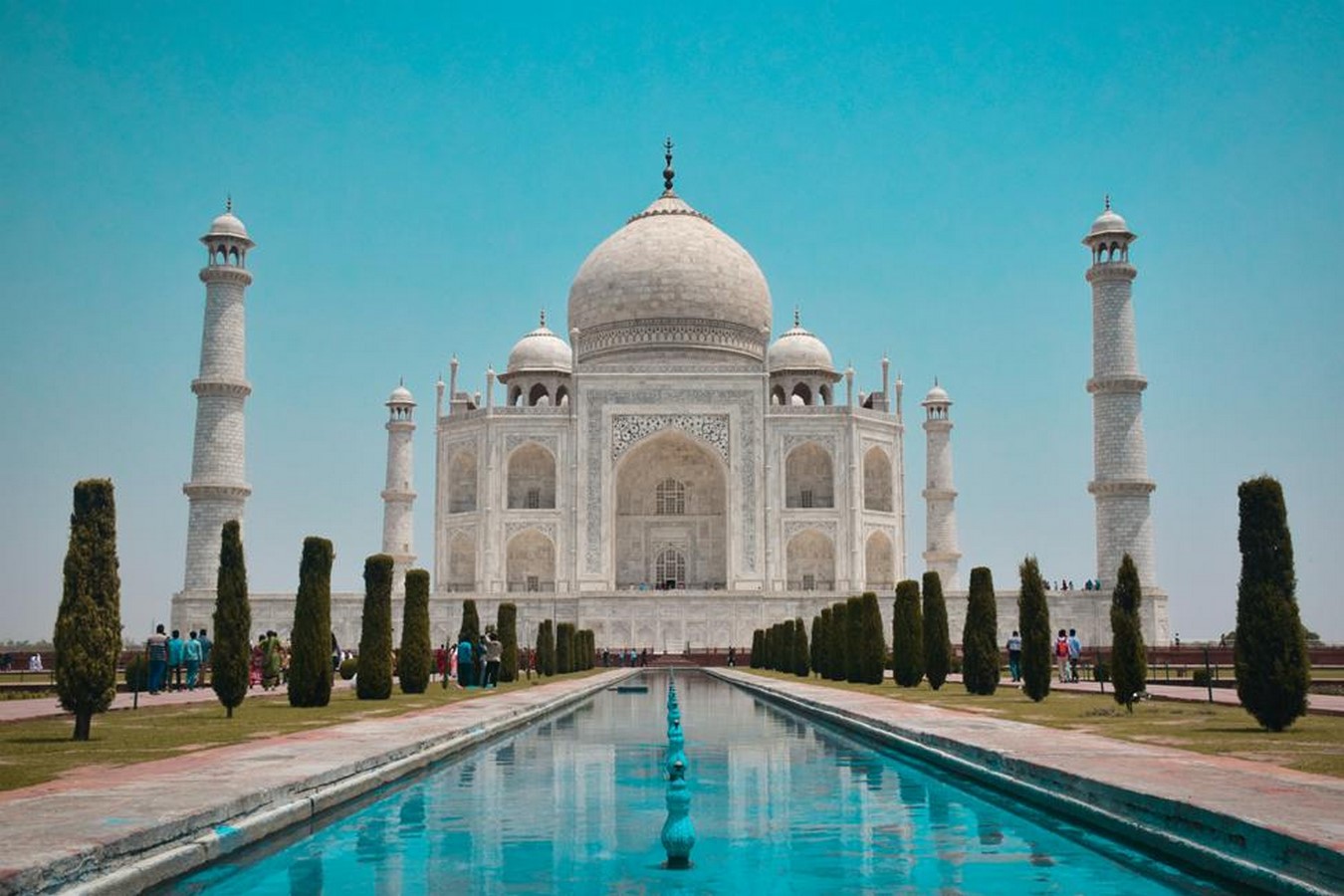
The Taj Mahal in Agra, India, exemplifies the fusion of Persian, Islamic, and Indian architectural and cultural influences. Its magnificent and intricate design serves as a symbol of India’s cultural identity, showcasing the harmonious blend of diverse elements.
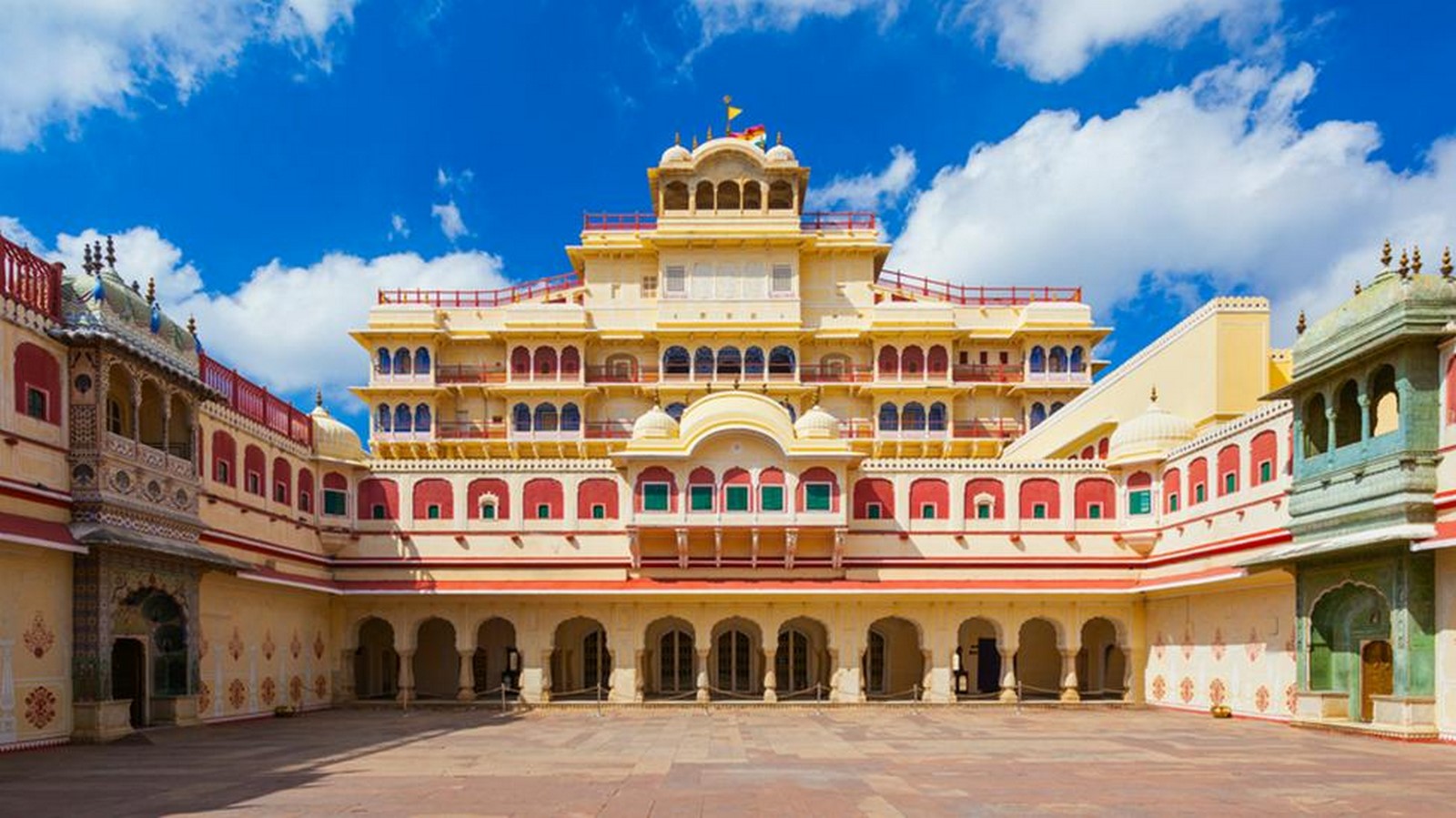
Similarly, with its Rajput, Mughal, and European architectural styles, Jaipur’s City Palace in Rajasthan exemplifies how a structure can showcase the fusion of diverse cultural elements, further representing India’s rich cultural identity.
Harmonizing Traditional and Contemporary Styles
Historical structures hold the weight of collective memory and cultural heritage, carrying the weight of the past. Rather than allowing these structures to deteriorate, architects are now embracing adaptive reuse, giving them new life and purpose. Former factories are transformed into art galleries, warehouses into lofts, and decommissioned churches into community centers. This approach combines modern functionality with traditional architectural styles, materials, and techniques, honoring cultural diversity and creating visually striking structures that represent cultural harmony.
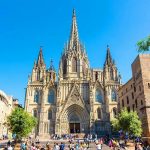
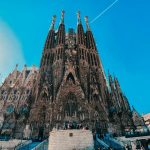
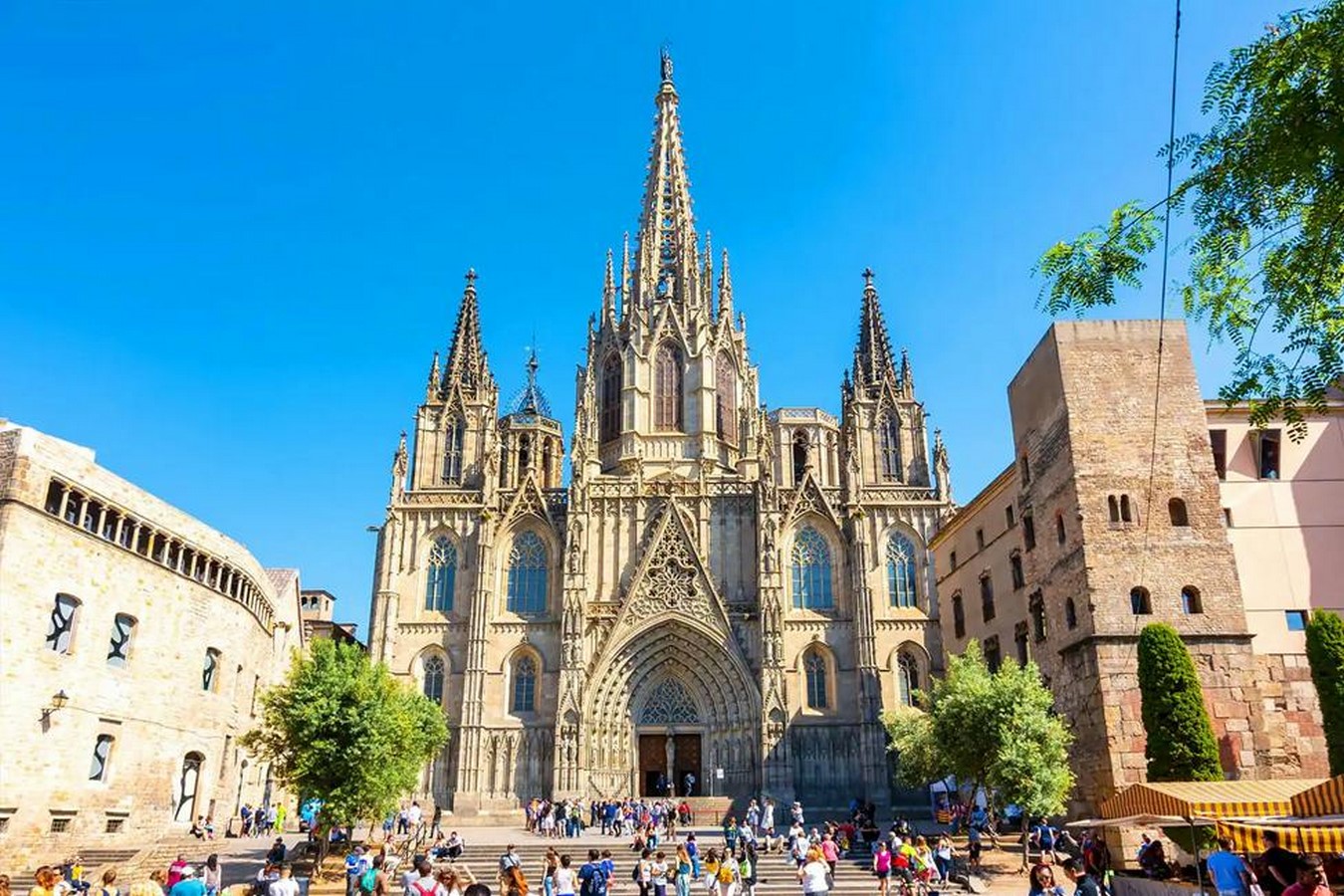
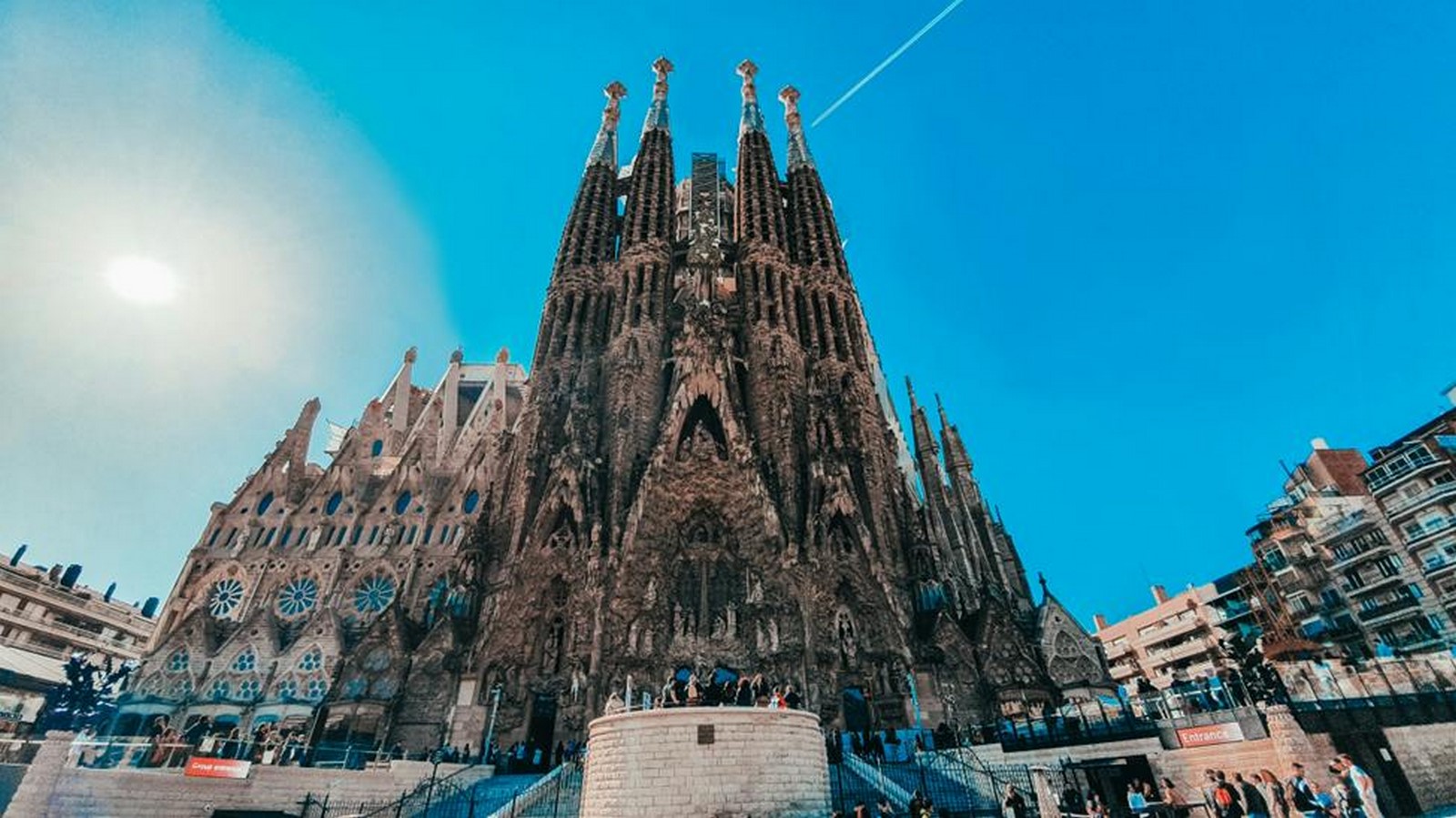
Barcelona, Spain, is a prime example of blending architectural styles and celebrating cultural diversity through urban design. The city’s Gothic Quarter features historic architecture, while Antoni Gaud’s iconic Sagrada Familia seamlessly blends traditional and modern elements, representing the city’s cultural richness and architectural evolution.
Urban Spaces as Cultural Hubs
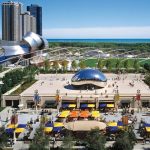
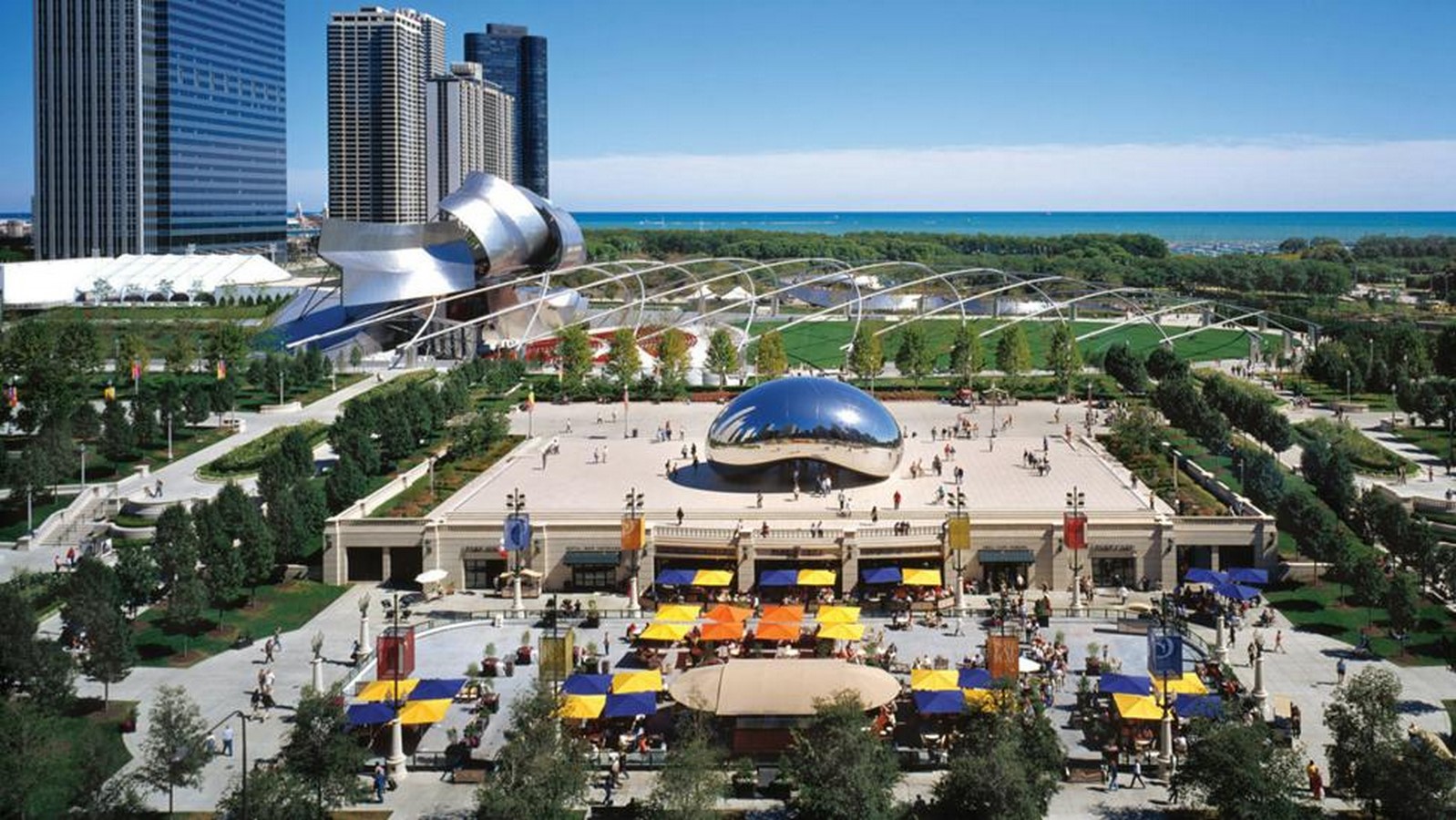
Cities thrive in vibrant urban spaces that transcend cultural boundaries. Designing public spaces as cultural hubs encourages dialogue, the exchange of ideas, and the celebration of diverse artistic expressions and traditions. Multifunctional spaces, such as public squares, community centers, and cultural hubs, have the power to showcase the traditions, arts, and cuisines of various cultural groups through festivals, performances, and exhibitions. The Millennium Park in Chicago, Illinois, is an example of a successful multifunctional urban space that actively promotes cultural diversity.
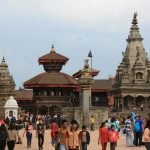
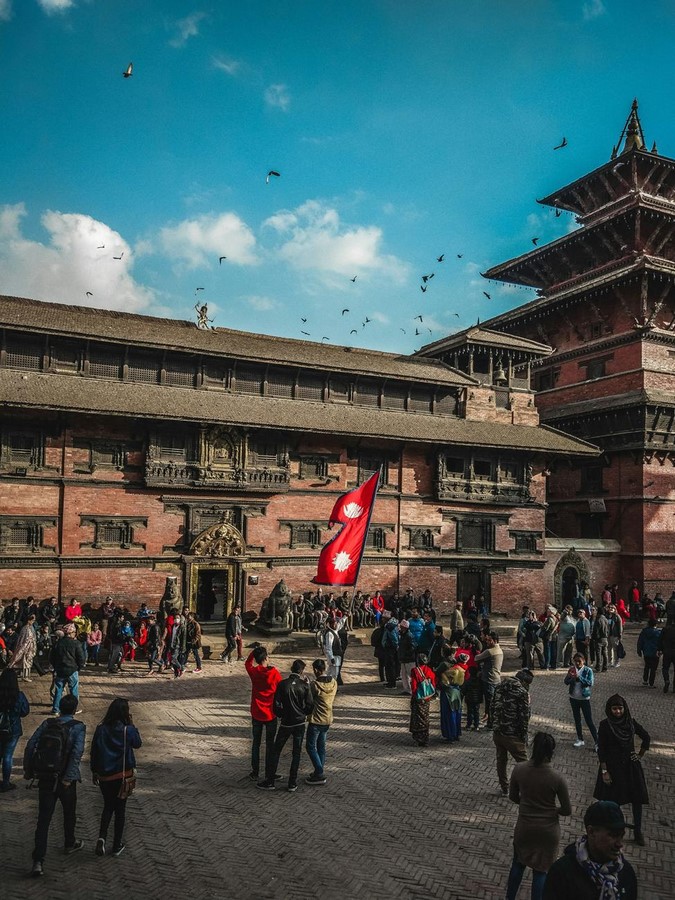
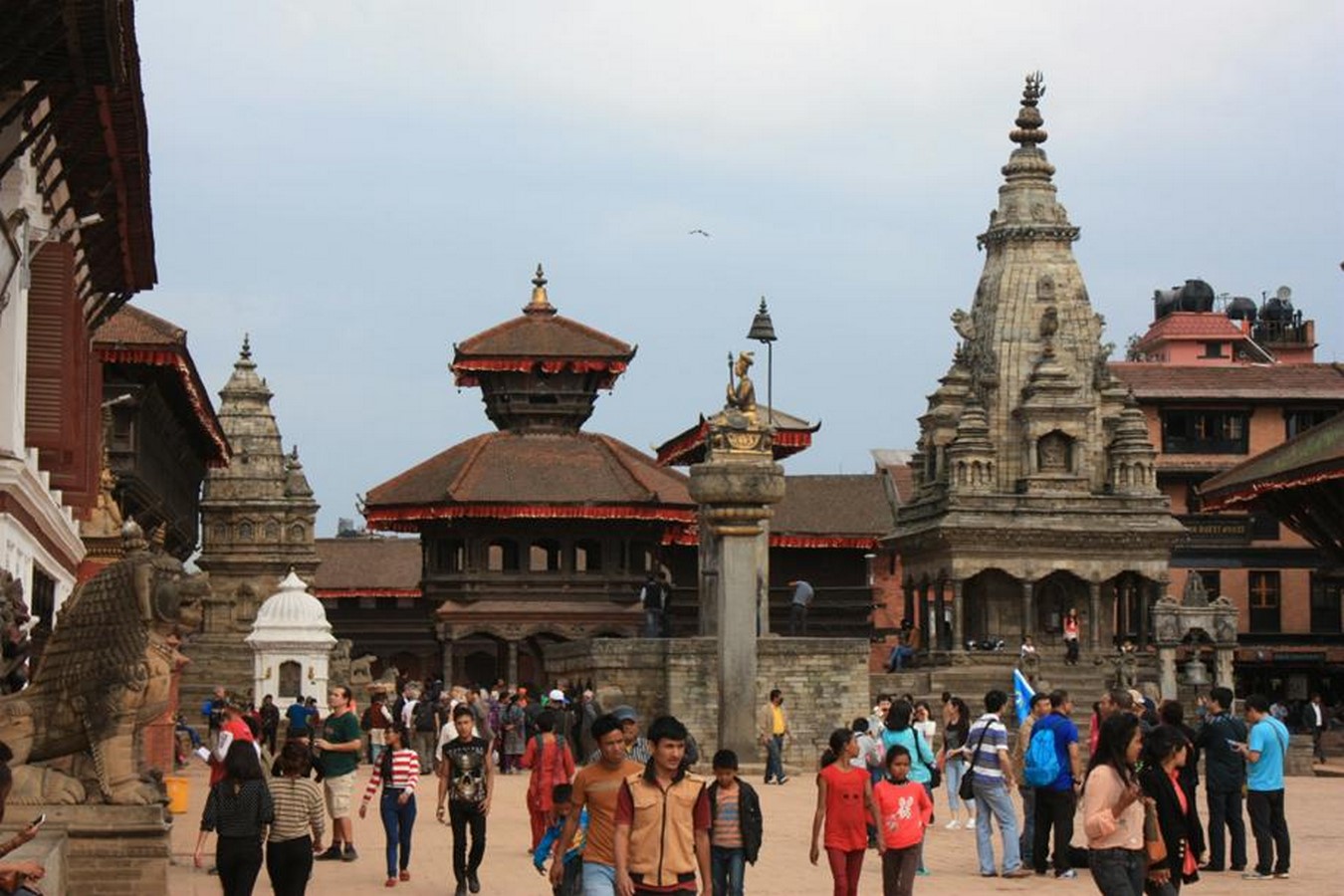
Similarly, The Durbar Squares in Kathmandu, Nepal, offer a captivating example of how urban spaces can beautifully embody the social and cultural values of a community, seamlessly merging the past with the present. These historic squares, once reserved exclusively for the kings and their palaces, now serve as the heart of the city, hosting vibrant festivals, live concerts, and engaging cultural events that strengthen and reaffirm the city’s rich cultural identity.
Celebrating Multicultural and Intercultural Influences
Multicultural architecture refers to the incorporation of design elements from multiple cultures into buildings and structures, celebrating and promoting cultural diversity. This approach recognizes the importance of interculturalism, which emphasizes the interaction and exchange of ideas between different cultures. By seamlessly integrating these diverse cultural influences, architects can create spaces that reflect the richness and vibrancy of multiple traditions.
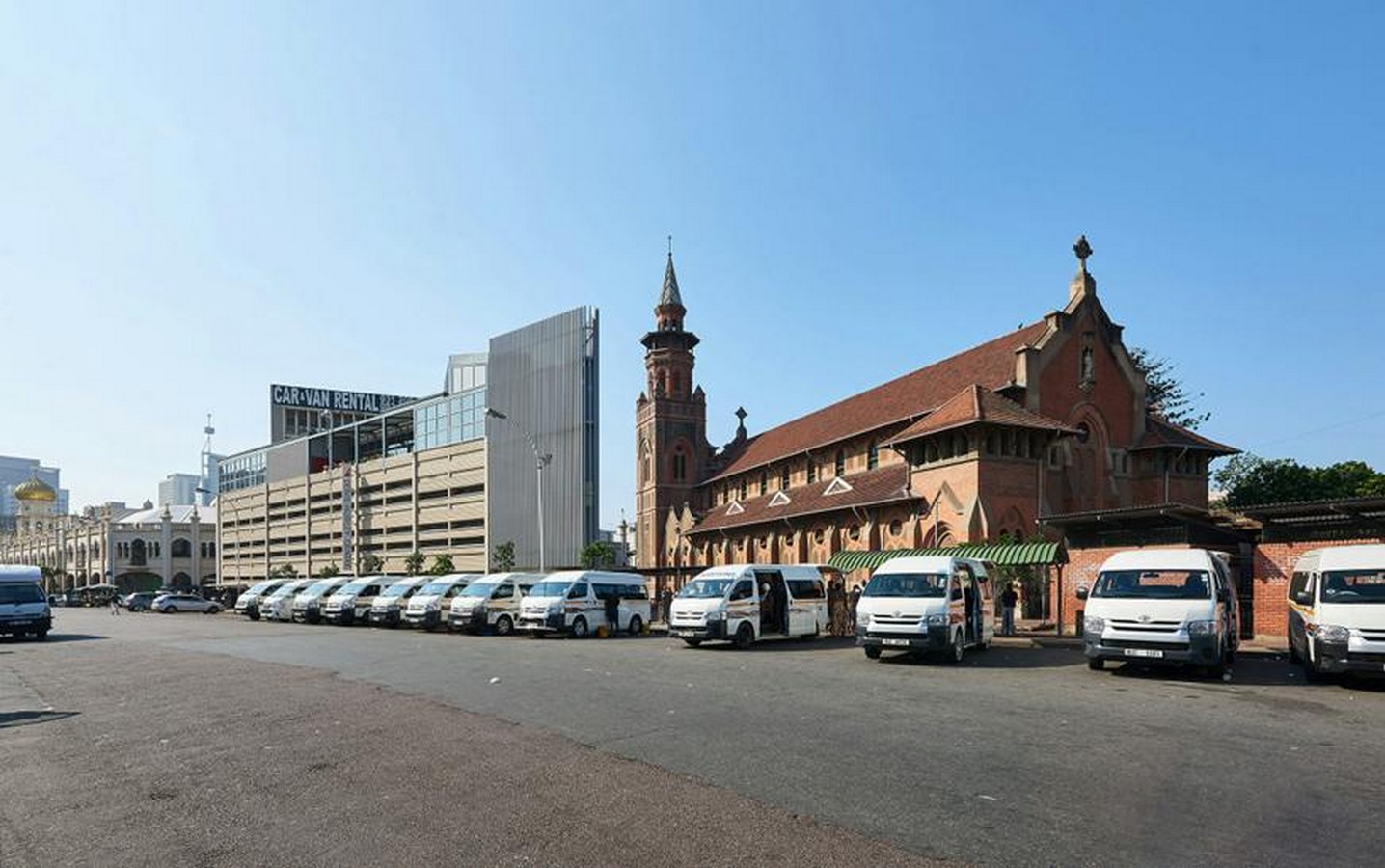
The Denis Hurley Center in Durban, South Africa, serves as an excellent example of this approach. It is a contemporary building that not only responds to the hot climate but also harmoniously coexists with the nearby pure Gothic Emmanuel Cathedral.
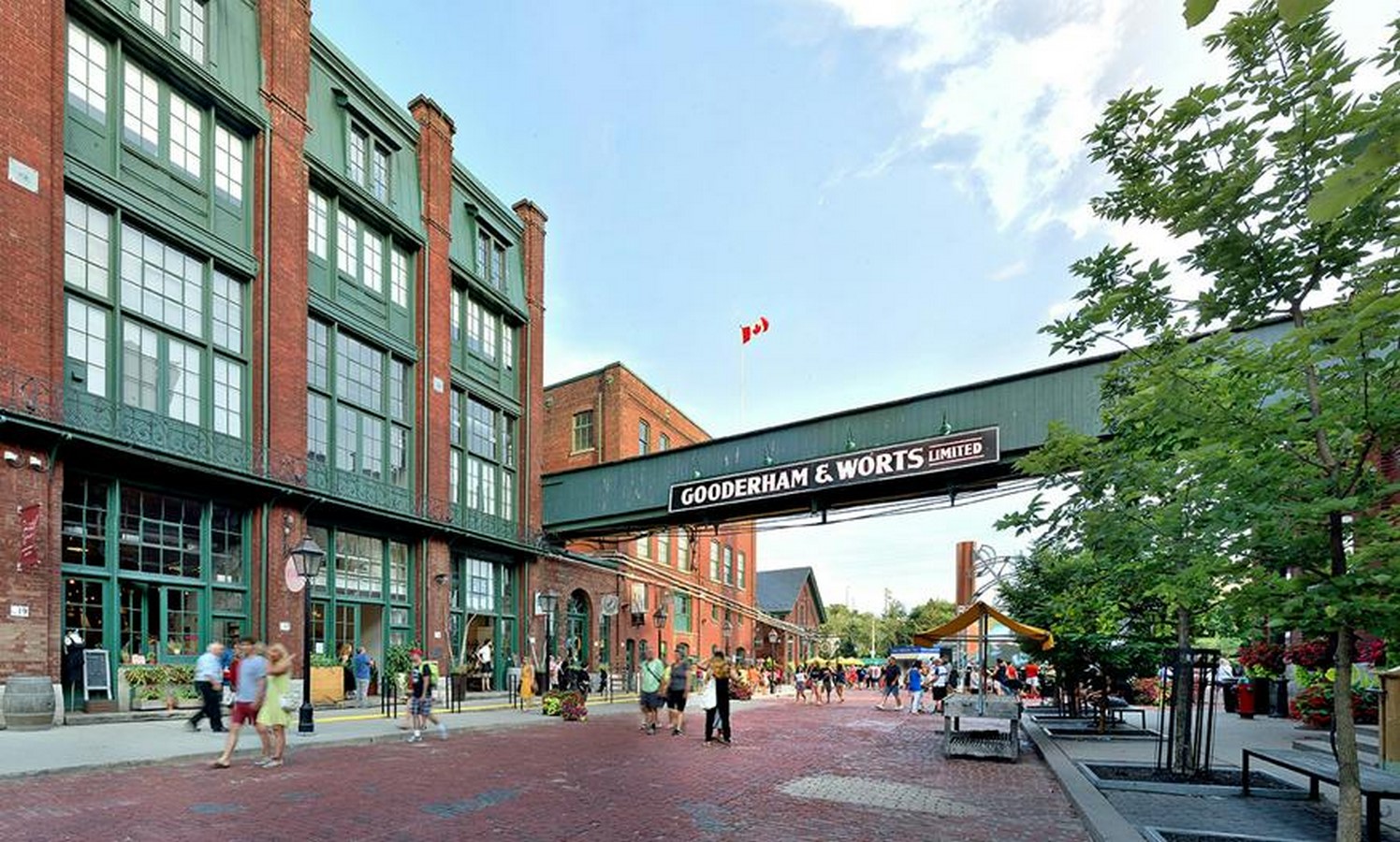
In cities like Toronto, multiculturalism is a celebrated aspect of urban design. The Distillery District, a revitalized historic area, showcases Victorian industrial architecture and serves as a venue for cultural events, art galleries, and restaurants offering diverse cuisines.
Embracing Cultural Diversity
Architectural expressions of cultural diversity serve as bridges, facilitating communication and fostering understanding among diverse communities. When architects incorporate various cultural influences, they introduce different viewpoints, styles, and ways of arranging spaces.

Cultural diversity in architecture goes beyond being a temporary trend; it is a celebration of our shared humanity and a testament to the strength of working together and understanding one another. Embracing cultural diversity in architecture allows us to create a diverse array of designs that respect our collective heritage while also propelling us toward a future that is more inclusive and harmonious.
References
Abu Mena Heritage Site – A,lsmdl – architecture of ancient Egypt LRA 108p Abu mena heritage site: A (no date) Studocu. Available at: https://www.studocu.com/row/document/badr-university-in-cairo/data-engineering/abu-mena-heritage-site-alsmdl/56620077 (Accessed: 25 June 2023).
Ahsan, S. (2021a) Why Cultural Diversity Matters in architecture, RTF | Rethinking The Future. Available at: https://www.re-thinkingthefuture.com/architectural-community/a5938-why-cultural-diversity-matters-in-architecture/ (Accessed: 25 June 2023).
Ahsan, S. (2021b) Why Cultural Diversity Matters in architecture, RTF | Rethinking The Future. Available at: https://www.re-thinkingthefuture.com/architectural-community/a5938-why-cultural-diversity-matters-in-architecture/ (Accessed: 25 June 2023).
Alhambra Valparaiso Ocio y Cultura SL (no date) Alhambra.org, La Alhambra de Granada. Available at: https://www.alhambra.org/en/alhambra-history.html (Accessed: 25 June 2023).
Clark, J. (2021) Cultural diversity in architecture, Parlour. Available at: https://parlour.org.au/opinion-analysis/cultural-diversity-in-architecture/ (Accessed: 25 June 2023).
Contents, W. (2023) Planning for multiculturalism: The case for equity and Justice in Communities, World Architecture Community. Available at: https://worldarchitecture.org/architecture-news/fzzfh/planning-for-multiculturalism-the-case-for-equity-and-justice-in-communities.html (Accessed: 25 June 2023).
Cultural diversity in the United States (no date) Purdue Global. Available at: https://www.purdueglobal.edu/blog/human-services/what-is-cultural-diversity/ (Accessed: 25 June 2023).
Design Inclusive Public Spaces to Strengthen Social Connections (no date) Healthy Places by Design Design Inclusive Public Spaces to Strengthen Social Connections Comments. Available at: https://healthyplacesbydesign.org/design-inclusive-public-spaces-to-strengthen-social-connections/ (Accessed: 25 June 2023).
Incis (2021a) Four examples of inclusive cities, Connections By Finsa. Available at: https://www.connectionsbyfinsa.com/4-examples-inclusive-cities/?lang=en (Accessed: 25 June 2023).
Incis (2021b) How to approach design with Inclusive Urbanism in mind, Connections By Finsa. Available at: https://www.connectionsbyfinsa.com/inclusive-urbanism/?lang=en (Accessed: 25 June 2023).
Mommersteeg, A. (2023) Celebrating diversity in architecture, Neumann/Smith Architecture. Available at: https://www.neumannsmith.com/celebrating-diversity-in-architecture/ (Accessed: 25 June 2023).
Pramod, G. (2021) 15 examples of multi-cultural architecture around the world – RTF: Rethinking the future, RTF | Rethinking The Future. Available at: https://www.re-thinkingthefuture.com/designing-for-typologies/a3832-15-examples-of-multi-cultural-architecture-around-the-world/ (Accessed: 25 June 2023).
The pyramids of egypt (no date) Google. Available at: https://artsandculture.google.com/story/the-pyramids-of-egypt/0QUR6Al8tmmJeQ?hl=en (Accessed: 25 June 2023).
Smithsonian Institution (no date) The Egyptian pyramid, Smithsonian Institution. Available at: https://www.si.edu/spotlight/ancient-egypt/pyramid (Accessed: 25 June 2023).
Taj Mahal (no date) Encyclopædia Britannica. Available at: https://www.britannica.com/topic/Taj-Mahal (Accessed: 25 June 2023).
UNESCO World Heritage Sites in Egypt (2021) Egypt Tours Portal. Available at: https://www.egypttoursportal.com/en-us/blog/unesco-world-heritage-sites-in-egypt/ (Accessed: 25 June 2023).
(No date) Kurtz, Nicole Multicultural Planning in mid-sized cities – core. Available at: https://core.ac.uk/download/pdf/144148016.pdf (Accessed: 25 June 2023).
www.area25.es, A.I.- (no date) Historical introduction, Alhambra de Granada. Available at: https://www.alhambradegranada.org/en/info/historicalintroduction.asp (Accessed: 25 June 2023).