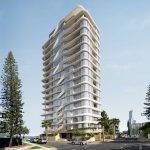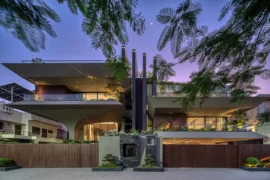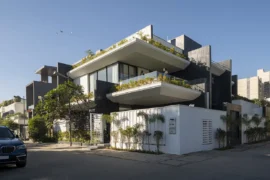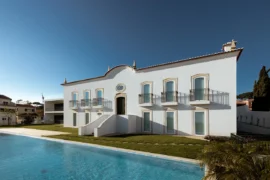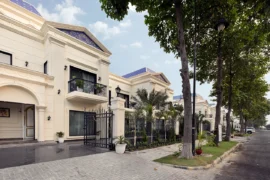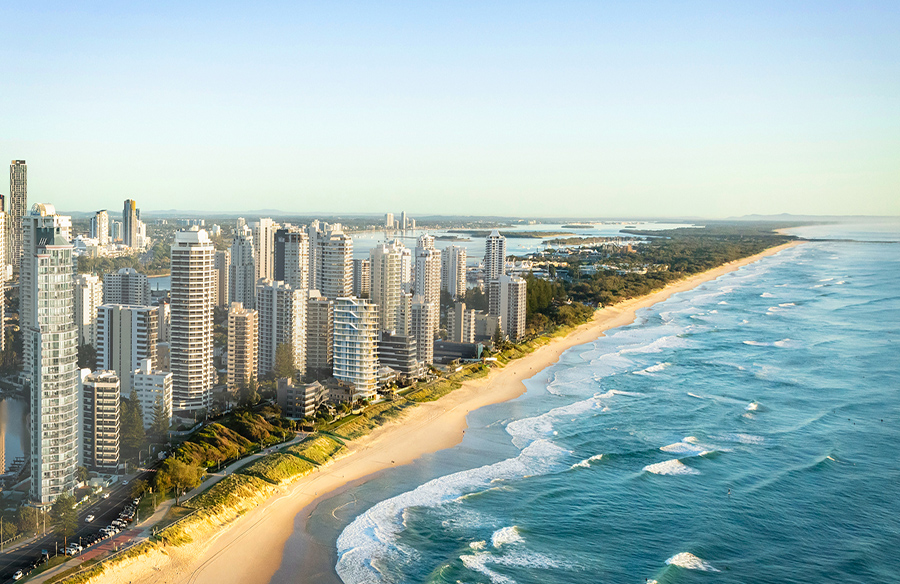
The 3519 Main Beach construction is located in Main Beach at the intersection of Breaker Street and Main Beach Parade, on the site of a prior three-story multi-family structure. The corner site offers the potential to design a significant building on an iconic seaside cul-de-sac, drawing on the particular environment of the existing community, a village surrounded on all sides by sandy shores of the beach, river, and Broadwater.
Project Name: Amani – 3519 Main Beach Parade
Studio Name: Contreras Earl Architecture
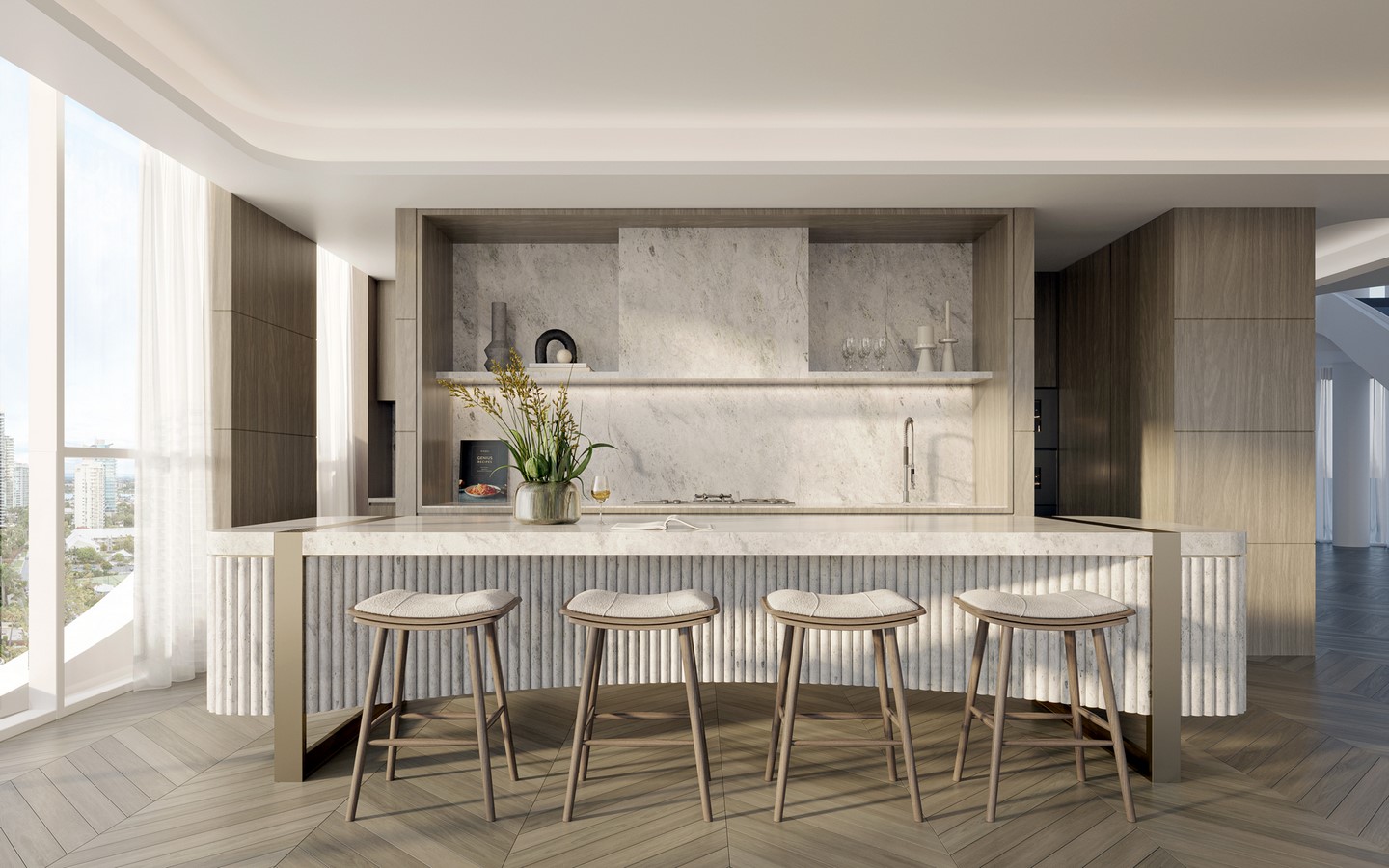
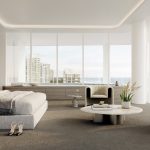
In an 18-story building, there are 16 luxurious beachfront apartments. There are four types of apartments: two apartments per level, one apartment per floor, and duplexes. The spacious apartments offer an appealing alternative to single-family homes, allowing tenants to enjoy sunlight and views from different angles, including the magnificent white sand of Main Beach and the Pacific Ocean beyond.
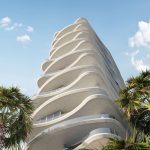
In our work, we combine study and understanding of natural patterns to create site-specific solutions that are rich, attractive, and functional – just like the natural world. We drew inspiration for our piece from the surrounding environment, where dynamic patterns in the sand are sculpted by wind and water. The resulting architecture is new and progressive, but also warm and artistic. Sculptural forms and organic lines stimulate public participation while also improving environmental performance.
The continuous curvilinear shading mechanism on the North, South, and West facades controls the climate and lowers heat loads. The design allows for transparency within the building to maximise views while also protecting the glass envelope from direct solar incidence via slab extensions. This shading system creates a high level of modulation both horizontally and vertically and presents an appealing sculptural interface, particularly to the Northern facade, bringing a thrilling new character to the bright Breaker Street cul-de-sac.
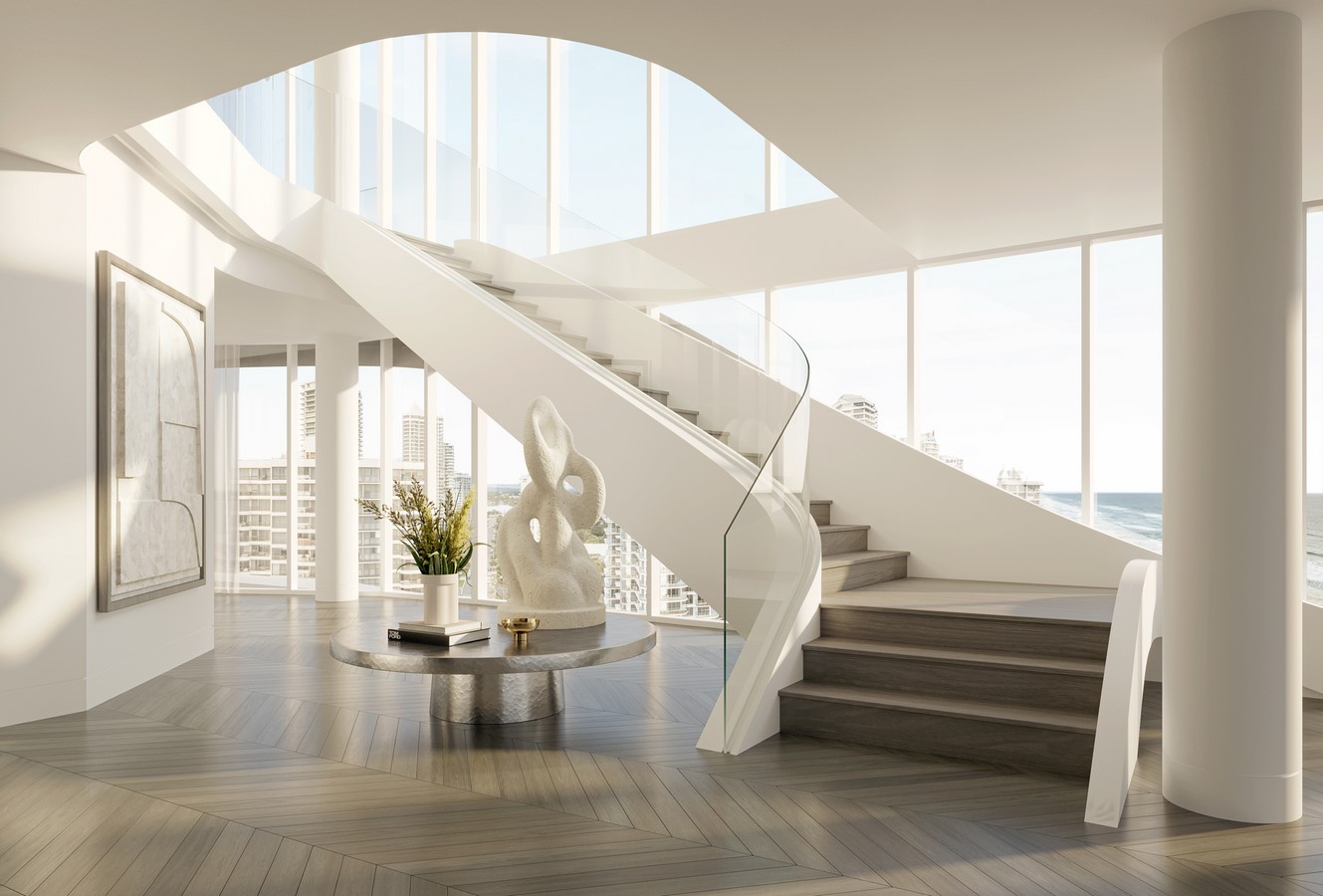
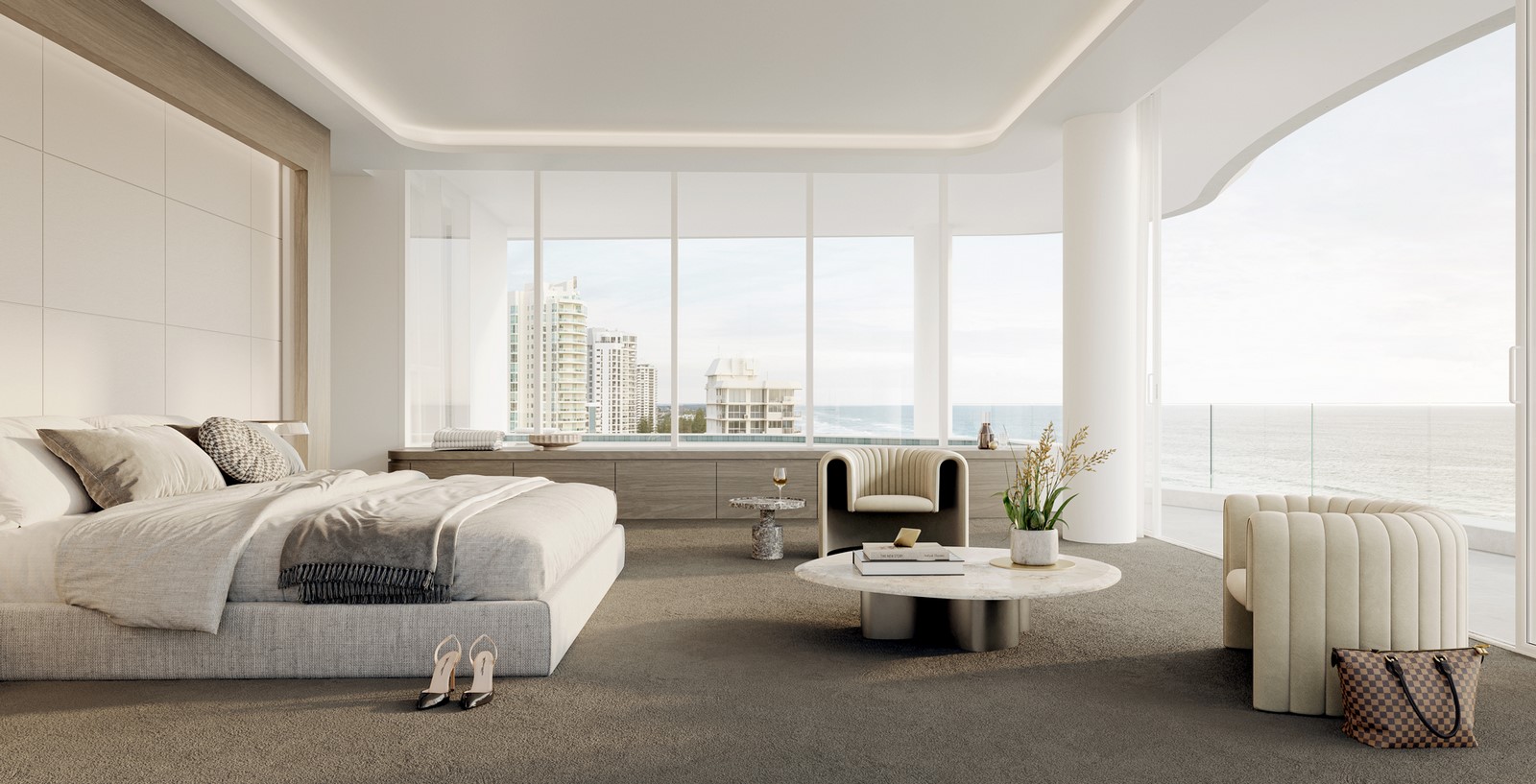
While the graceful movement of sand patterns (sculpting forces of wind and water) is articulated on the building’s public face, the movement also responds to the internal arrangement. For example, the spatial experience continues inside where the sweeping shading devices are choreographed with the upward movement of stairs in the upper floors’ double height duplex apartments. Outdoor spaces are seamlessly integrated with internal spaces, contributing to a sense of openness and improving cross ventilation throughout all internal areas. The allocation of large balconies on the Eastern side of each apartment encourages flexible living patterns by allowing semi-outdoor living all year round in the subtropical climate, taking advantage of the favourable North-Easterly and Easterly aspects. The alternating rhythmical outlines of the balcony edges on the Eastern façade also emulate the dynamic flow of sand patterns, giving the building a distinct identity when viewed from the beachside.
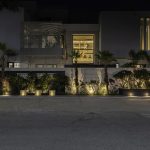
This iconic corner will provide a distinct sense of arrival to the established suburb of Main Beach, as well as a stunning addition to the pedestrian experience along the beachfront promenade, with the ground plane actively engaged with street-oriented landscape solutions. Planters on the lower levels add privacy and greenery to the building, allowing it to lightly touch and integrate with the ground plane. The façade connects the building to the streetscape and beach in a sculptural way, enveloping it in its surroundings and contributing to Main Beach’s sense of place. This new landmark will be an appealing architectural addition to the coastal city’s urban fabric.
About Contreras Earl Architecture:
Contreras Earl Architecture is led by Rafael Contreras and Monica Earl.
We founded Contreras Earl Architecture to design original, inventive, ground‐breaking buildings that
contribute to the evolution of architecture and toward a better future for our communities and cities.
We create buildings, spaces, masterplans and objects that are biologically informed and digitally engineered. From mid‐sized commercial buildings and mixed‐use developments to high‐end apartments and bespoke objects, it’s not about the scale of the project, but the scale of clients’ ambition.
As architects, we are problem solvers and innovators. We challenge old conventions and contribute new ideas. We believe architecture should evolve with technology, and we embrace the latest technology to push the boundaries of architecture. By using advanced software, robotics, materials and construction processes, we are liberated from traditional building practices and forms, and free to explore more creative, avant‐garde ideas.
Our design process is driven by the careful analysis of contemporary life and the desire to create buildings that coexist with the built and natural environment. We synthesise research and understand patterns in nature to deliver site‐specific solutions that are rich, beautiful and functional – like the natural world. The architecture that emerges is innovative and advanced, imbued with warmth, soul and artistry. Sculptural forms and organic lines encourage public engagement and optimise environmental performance.
These are not just grand gestures or bold forms, but reflect our design ethos to realise a better world. Freed from tradition and convention, we can contribute to the evolution of architecture, and together we can create a better future for our urban and natural environments.
Other Contreras Earl Architecture projects include world’s first Living Coral Biobank in Port Douglas, Australia & Skyportz – Australia’s first air-taxi vertiport.
Rafael and Monica commenced their careers working with two of the most well‐recognised global architecture practices: Zaha Hadid Architects and Foster + Partners.
Rafael led international teams in Zaha Hadid Architect’s exclusive ‘design cluster’ in London, working directly under Zaha Hadid and Patrik Schumacher. He was a design leader for the Grand Theatre in Rabat Morocco, Tokyo National Stadium and the New Beijing Daxing Airport (the world’s largest airport terminal), as well as large‐scale residential and mixed‐use projects across Australia.
Monica’s experience working for Foster + Partners, Carmody Groarke and acclaimed architect and theorist Farshid Moussavi crosses a broad range of sectors from heritage to cultural. At Foster + Partners, Monica worked on prestigious large‐scale developments, including ICD Brookfield Place Dubai, and at Carmody Groarke she was involved in the British Museum and Windermere Jetty Museum in England’s Lake District.