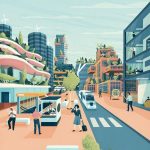
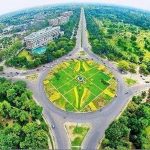
It is, on occasions, unusual to think about our cities as “our” cities because that arouses the question of what makes them particularly ours. Is it the breath of fresh air that instantly fills us up when we enter it or the people we surround ourselves with? Or more likely the way we live through it, our heartfelt memories, a sum of varied experiences, and profound interactions with everyday people. Whatever the reason, there is always someplace that we can call ‘ours’ because it carries along a bit of our identity and us, shaped by the peculiarity of its urbanity, unhabitual values, and culture.
A city or any urban space is born out of its traditions, cultural values, moving tragedies, and historical anecdotes reflected through its urban design, a series of thoughtful narratives that binds public spaces to the people that make them habitable. Cities, town centers, and significant squares of public interest are marked by the historical structures, churches, libraries, and parks wrapped around them, mirroring the lives of the people who have and are living through them. That is the cultural significance of urban design, to echo the identity of the communities that bind it, creating vibrant cities that celebrate diversity, local customs, and sustainability.

The Urban Identity of Cities
Urban design is much more than merely designing buildings and interactive spaces for the general public. It is about diving back into history to discover what went behind the making of a city. It means to reflect on its present community, the values that bind them together, and the culture of its people while at the same time decoding its behavior in the future.
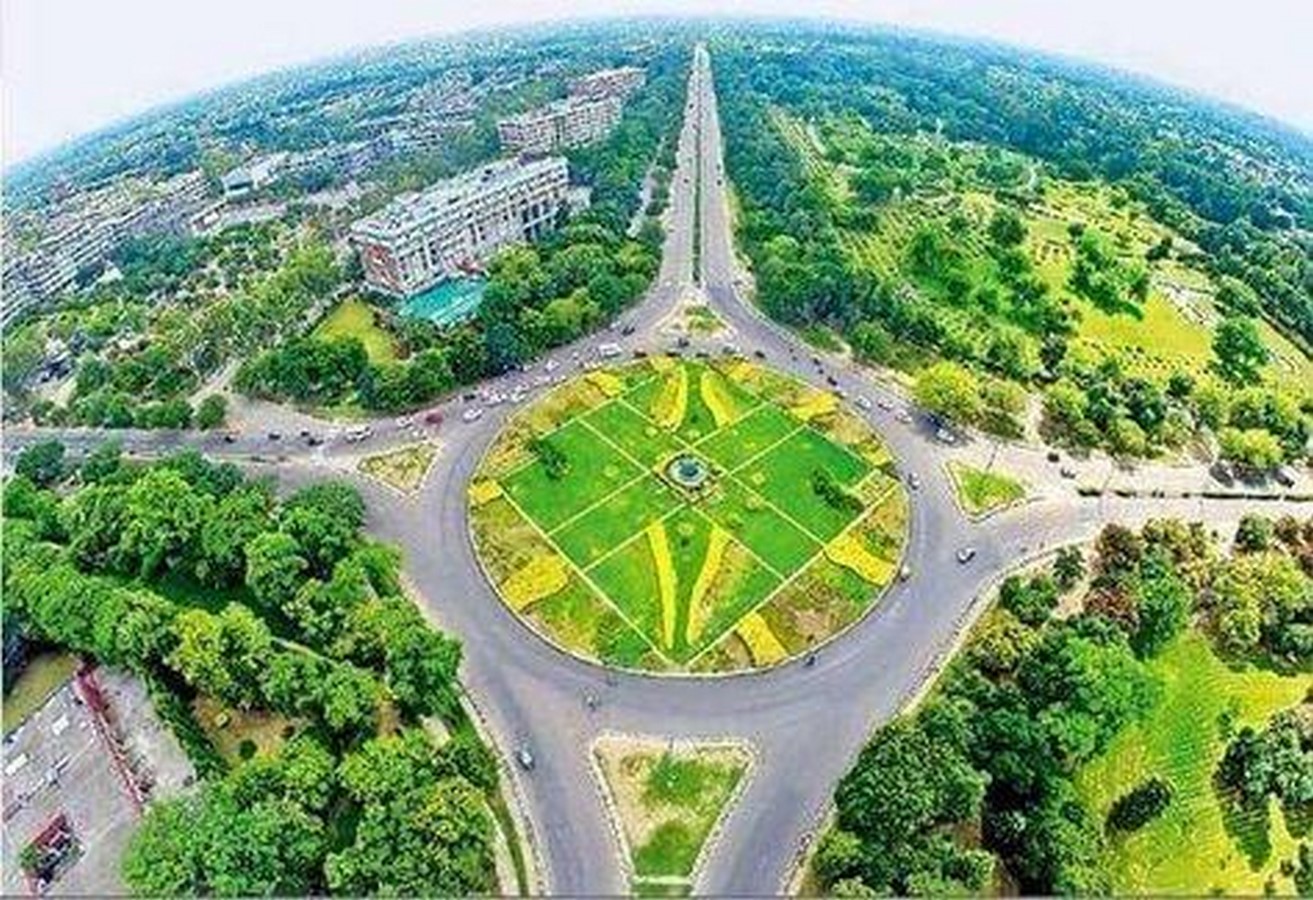
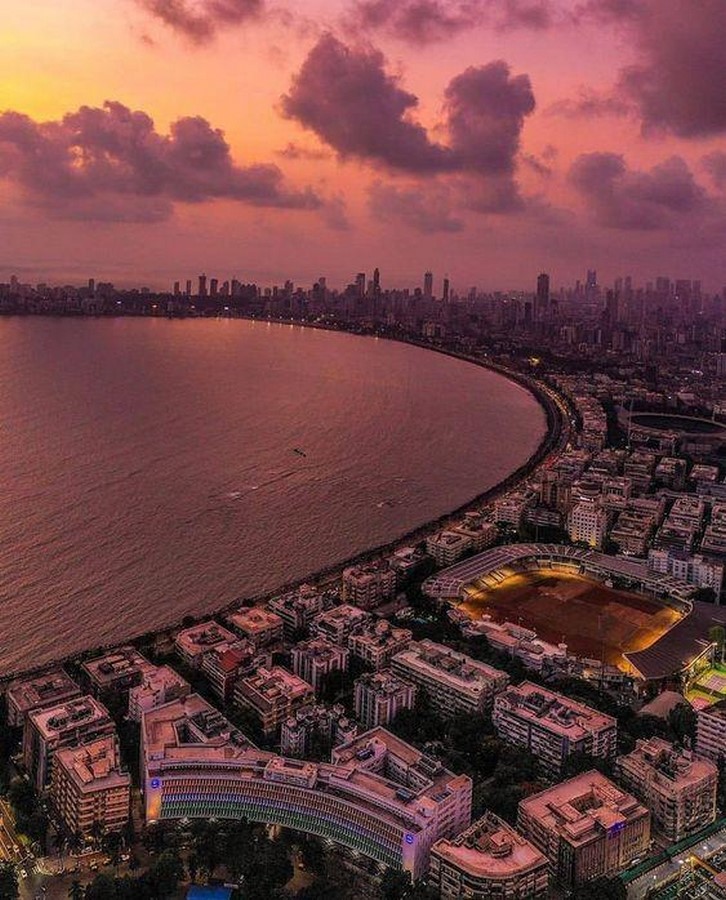
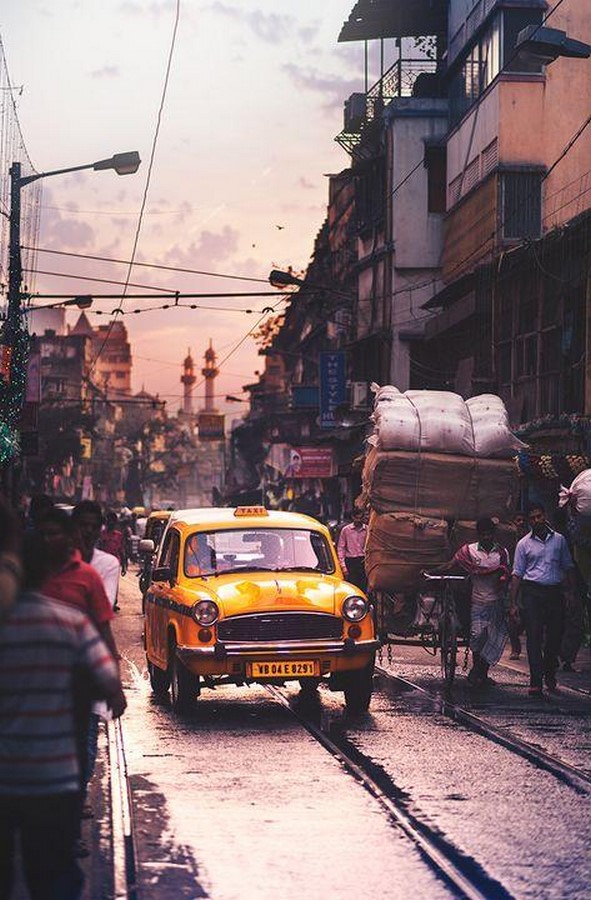
Through the use of vernacular materials, local craftsmanship, and traditional cultural practices, urban design can transform the generalized cityscape to provide deeper meanings to the cities we call home. But at the very core, it hopes to tell the vivid stories of imagination, dreams, unfulfilled goals, and tales of success that these cities have lived through over the decades. It is not without cause that we call Chandigarh, The City Beautiful; Mumbai, The City of Dreams or say; Kolkata, The City of Joy. Each of the titles manifests the endless struggles that went behind its making, flaunted effortlessly through its meticulous planning and socially conscious design. Through their own unique identity, from the nature-filled streets of Chandigarh to the dreamy sunsets at Marine Drive and the old-world charm of Kolkata, each of these Indian cities are a reflection of their regional culture, seen and felt through their design language.
The Road to Meaningful Cultural Ethics
We make our surroundings and in turn, carry a part of it with us. Urban design decisions can deeply transform the outlook of public spaces when it intends to understand its people, their lifestyles, and the culturally significant values imbibed in them.

Historically, we can find a lot of examples of significant buildings that constitute a major part of the unique identity of a particular city, for example, the Pantheon in Rome, built as a temple for all gods or the Pyramids of Giza, a portrayal of the mighty power of the Pharaohs of the time. However, the present times call for a more modern and inclusive take on how urban design can transform the landscape of an area to better the quality of life of its habitants. This includes emerging ideas such as having a common pavilion in a commercial district with various individual workspaces meant for people to interact during their free time. Another way to implement it in a more diverse light is to think about it from a social viewpoint, to get an understanding of the community and activities that comprise it. For instance, providing a common and authorized space for local street vendors of a region to sell food in a safe and hygienic environment, will in turn honor the long lineage of the locally emerged cuisine of a city, linking its past to the present.

Regional culture when merged with the urban design of a region not only enhances its existing urbanity but also adds to the charm of the city. Because at last, culture is what gives a place identity, moving past its mere glass and steel structures to the many veiled layers that embrace its surroundings. Looking past concrete buildings and dense streets, we can see people walking down the sidewalk, admiring the landscape around, them and the personalized touch of heritage and culture in all living and built forms. Urban design rooted in traditions gives rise to a city that celebrates the life around it by providing a common ground for a diverse population to revel in each other’s joys and sorrows. While designers are gradually rising to the ardent need to create such meaningful designs, everyone needs to recognize the essentiality to preserve the values that bind us and our urban landscape.