Has anyone ever imagined a world without architecture? Humans without architecture? Architecture is a fundamental part of human existence in one form or other. It is one of the most complex forms of “Art” that is not just about the buildings and structures but also about the artists and engineers that worked on it. Man-made structures reflect the identity of the culture that created them and express the thoughts, beliefs, and lifestyles of those who inhabit that society. They can also comment on the way we live our own lives. Buildings reflect and reinforce the ideologies of a society at any given time.

Architecture as Antiquity
“Architecture is the manifestation and expression of Culture. So, Architecture and Culture are interdependent and inseparable” (Koirala, 2016). In long-established buildings, the values of the structure (such as its cultural history or significant intended purpose) are visible. Such buildings reflect the beliefs and culture. For instance, in Kerala, India—a state noted for its beautiful architecture—the concept of nadumuttam and nalukettu is part of their culture, history, and heritage.
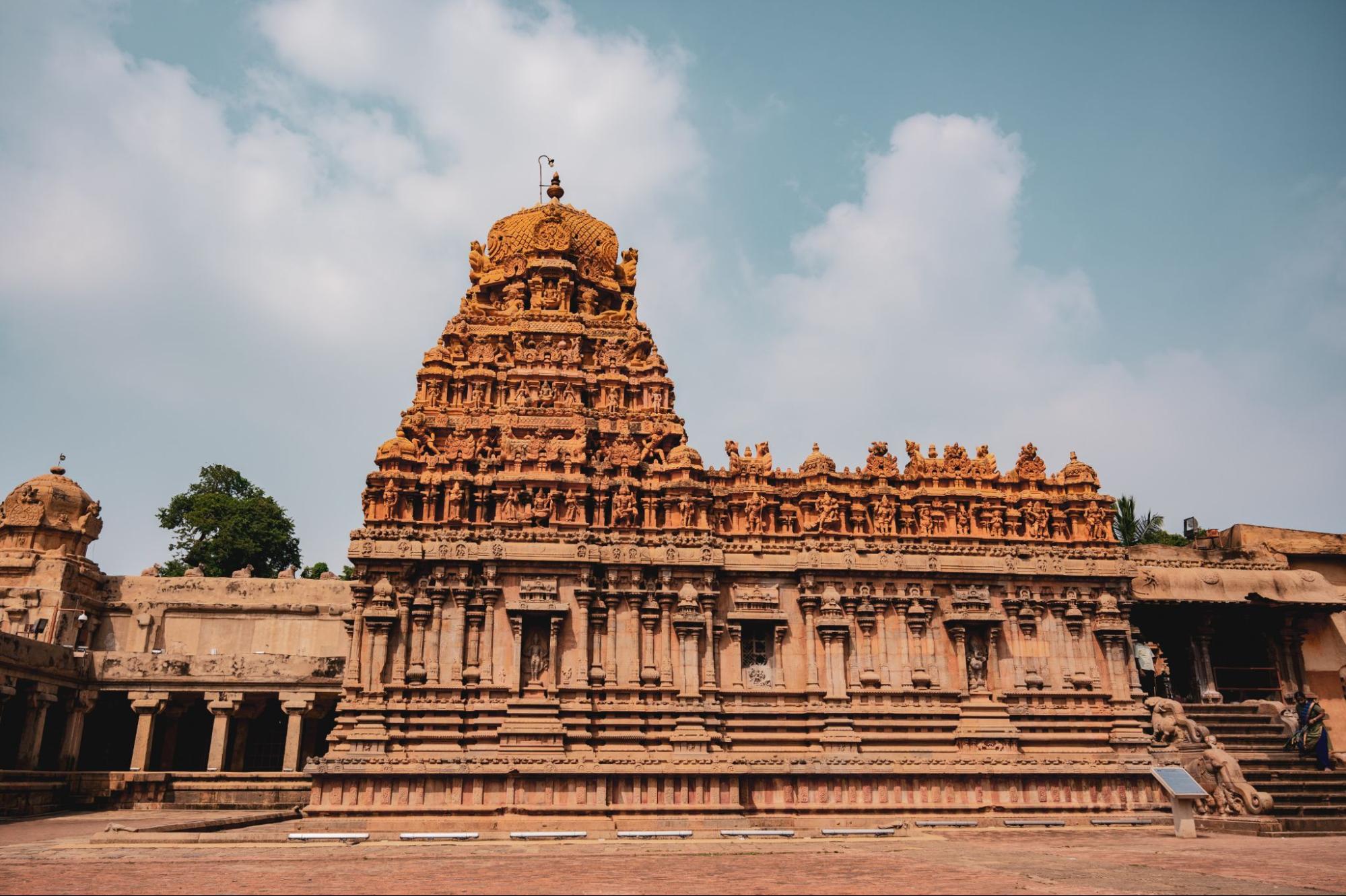
Ancient India followed the principles of Vastu Shastra, a set of codes that influenced the construction of houses and temples were all integral parts of Indian culture over time and generations. If architecture had never existed in this world from an early time, many of the prodigious buildings of bygone days would be inaccessible to the present generations.
Holiness of Architecture
The architecture of shrines, temples, churches, and mosques is a part of the cityscape. It does not matter whether it is a monumental dome or a delicate minaret, these structures are works of art that deserve to be appreciated. “It is through architecture that humans have tried to achieve internal peace, inner contentment, and spirituality.” (Verma, 2017) Architecture conveys community beliefs and values through its inherent form. For example, some Japanese Shrines often have a “Torii gate” at the entry (that seems like a portal) followed by a passage including two paladin lion dogs, tailed by the main shrine itself. A similar concept abides in Indian temples.
In Asian religious architecture, it is common to see a water body around, which is used to clean oneself before prayer. Romanesque churches, Japanese shrines, and Hindu temples all have structures that reflect the cultures and ideas that inspired their construction. Had it not been for the architecture, many historic structures would now be lost forever.

Architectural Ground Breaks
The field of architecture has inspired awe in humans for centuries. From breathtaking man-made landscapes to cityscapes, from monuments to skyscrapers, there are plenty of wonders to admire. Without architecture, humans might have never experienced the tale of history, the spirituality that people now hold dearly, and the cultural beliefs and shared thoughts that forge the identities of each community. With architectural marvels, people distinguish places around the globe.
The beauty of architecture in the present day is a testament to the visionaries who created it and the desire to preserve their work for future generations. The Taj Mahal, in India, and Eiffel Tower, in Paris, are iconic monuments around the globe. They are not just on your “bucket list” but are also landmarks that made the places famous. The disappearance of architecture would render many places that people want to visit, such as the Taj Mahal, inaccessible.
Without architecture, people might have lost the opportunity to admire the sheer beauty of the human imagination. Architectural marvels are monuments to the achievements of humankind. It is only thanks to the efforts of extraordinary people who envisioned them and worked tirelessly to bring their designs to life that humans have achieved so much, and in turn have been able to progress in unimaginable ways.
Architectural Humdrum
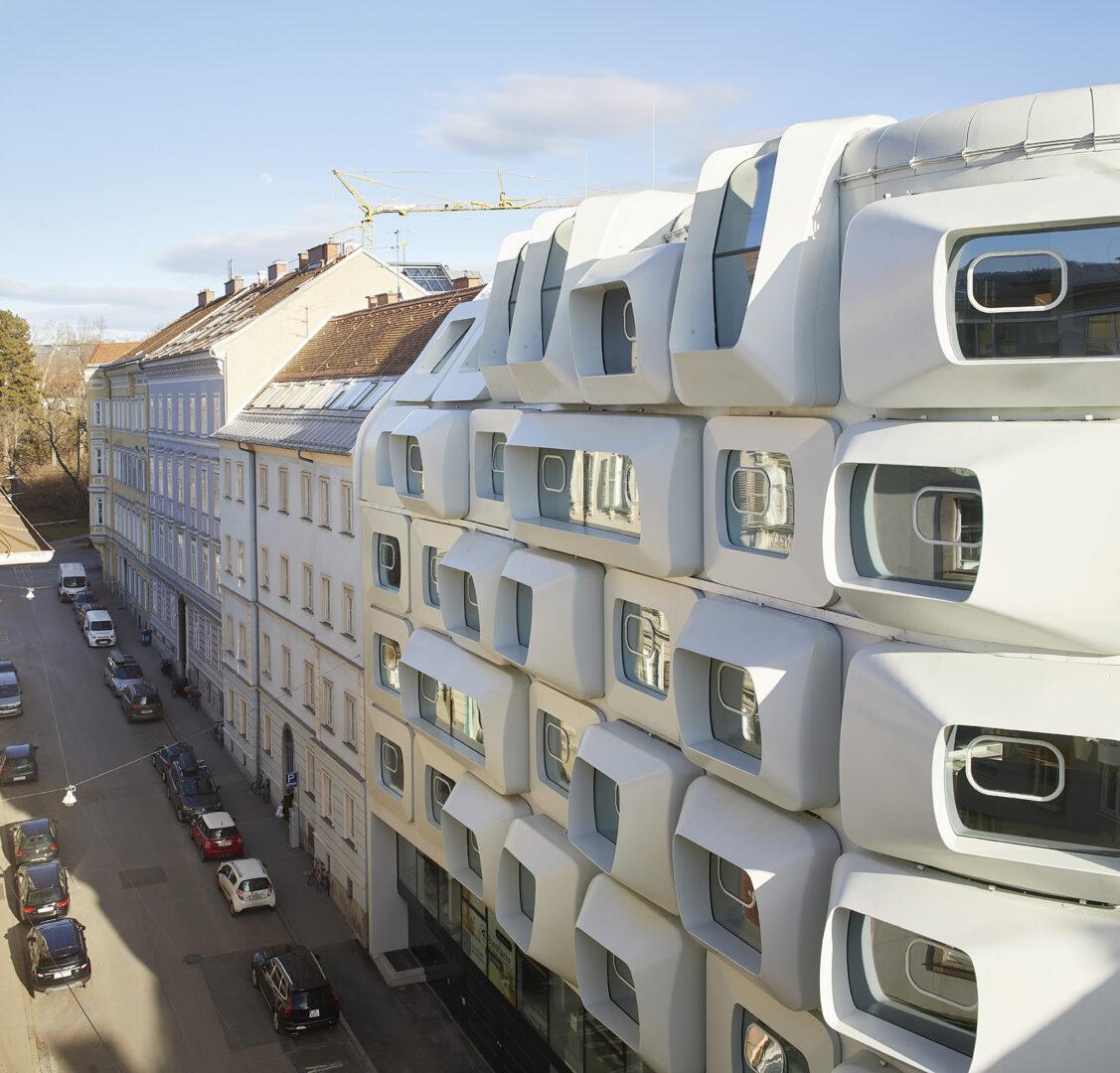
Over time architecture has evolved from an architectural style to a broad set of traditions, principles, and techniques that cover a vast range of human building and construction techniques.
Humans are social beings, “Without architecture, there would be nowhere to hang and observe groundbreaking works of art; nowhere to store libraries and volumes of the recorded ideas shaping mankind; no structures in which to worship a higher power.” (SCI-arc, 2017).
At this point, civilization has reached its pinnacle for further development. In present-day architecture, the integration of design elements is a necessity. The world would be an unrecognizable place without creativity, innovation, and even mundane activities such as building colonies and making apartments.
Buildings are an integral part of human culture and have evolved throughout the centuries. Architecture is essential for all aspects of our lives and has been since ancient times when humans first came together in communities. Architecture is a universal language that transcends culture and geography.
Architecture, like the other arts and sciences, is so important because of its ability to improve lives and make them better. Whether it’s through something as small as an attractive building or as significant as urban planning, architecture and design have always been improving the world for the better since the beginning of time. Without architecture, the world would be missing such a great artistic element that produces some of the most memorable moments not just for individuals, but also for countries themselves.
References:
Koirala, S. (2016, March). CULTURAL CONTEXT IN ARCHITECTURE. (S. Koirala, Ed.) CULTURAL CONTEXT IN ARCHITECTURE, 5. Retrieved November Thursday, 2022, from https://papers.ssrn.com/sol3/papers.cfm?abstract_id=3730930#:~:text=Architecture%20is%20the%20manifestation%20and,of%20culture%20of%20that%20society.
SCI-arc. (2017, August 01). Can you imagine a world without architecture? (SCI-arc, Ed.) Can you imagine a world without architecture?, 1. Retrieved from https://www.sciarc.edu/news/2017/can-you-imagine-a-world-without-architecture
Verma, S. (2017). spirituality through architecture. Sonipat, Haryana, India: Verma, Suhela. Retrieved November Thursday, 2022, from https://issuu.com/suhelaverma/docs/dissertation-spirituality_through_a_0ef991db494370
Image 1- Snøhetta (2018). The Spark. [Photograph] (Concept design), from https://snohetta.com/projects/388-the-spark
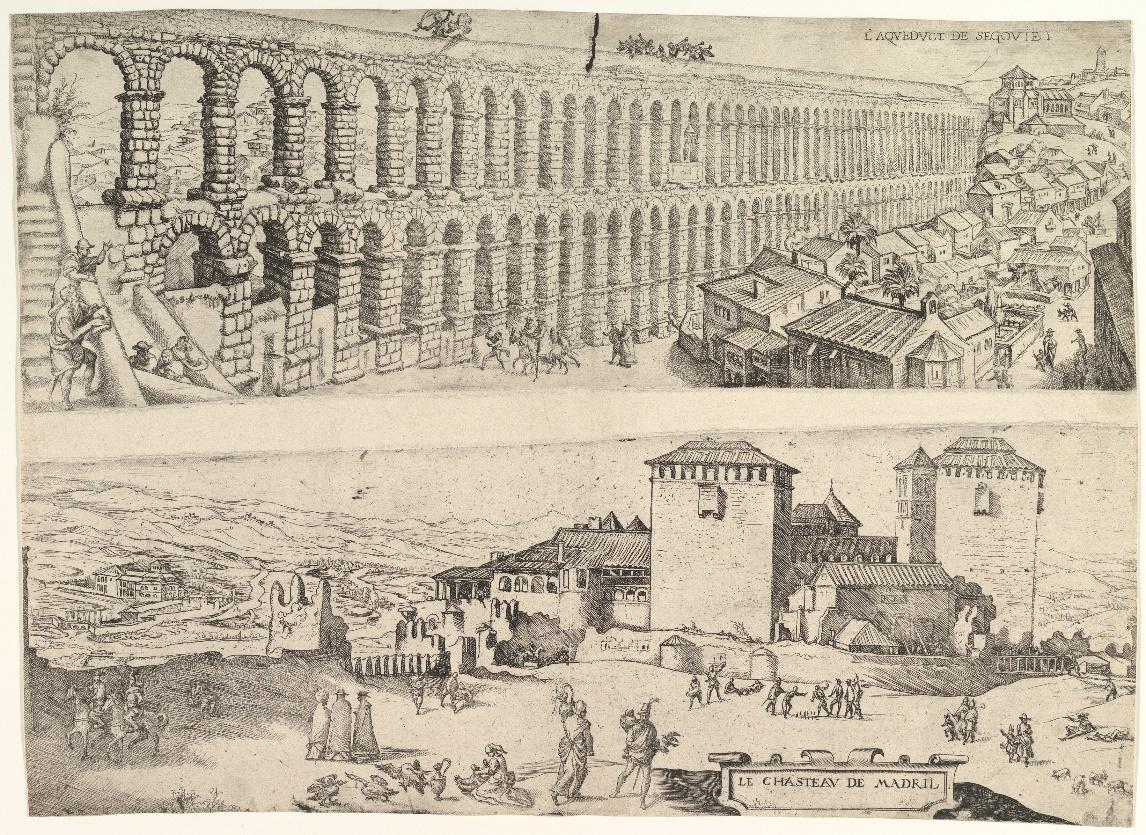
Image 2- Bequest J. (1917). The Aqueduct at Segovia and the Castle of Madrid. [Photograph] (Spain, Etching)
Image 3-Avin CP. Brihadeeswara Temple. [Photograph] (Hampi, India, Building), from https://unsplash.com/photos/dGu_b4S7DXM
Image 4- Britannical. Taj Mahal [Photograph] (Agra, India, Monument, Britannica)
Image 5- Hufton+Crow. (2020) Agros [Photograph] (Graz, Austria, Building, Zaha Hadid Architect website)