“It is the obligation of every person born in a safer room to open the door when someone in danger knocks.“― Nadia Hashimi.
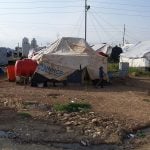
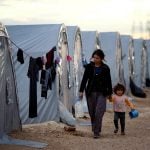
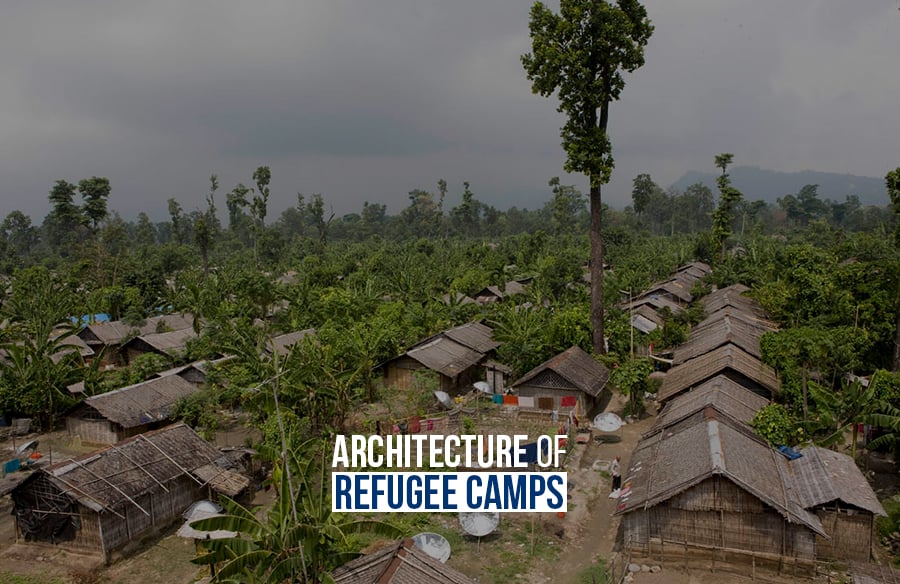
An overwhelming number of people are forced out of their homelands yearly, with the crisis only worsening at an unprecedented pace. An immediate response to the emergency, refugee camps are designed as temporary means to house those exiled without any faults on their own. Unfortunately, the conflicts and threats that banished them didn’t get solved immediately, and these camps evolved into permanent places of residence for countless people. With this, it has become necessary to accommodate longer stays in the refugee camps such that the architecture of these camps address the complexity and diversity of these long-term settlements, transcending their transient nature and evolving into a sanctuary that better addresses the nature and aspirations of its inhabitants and enables a dignified life in these shelters through spatial empowerment and architectural interventions.
Refugee: A Figure
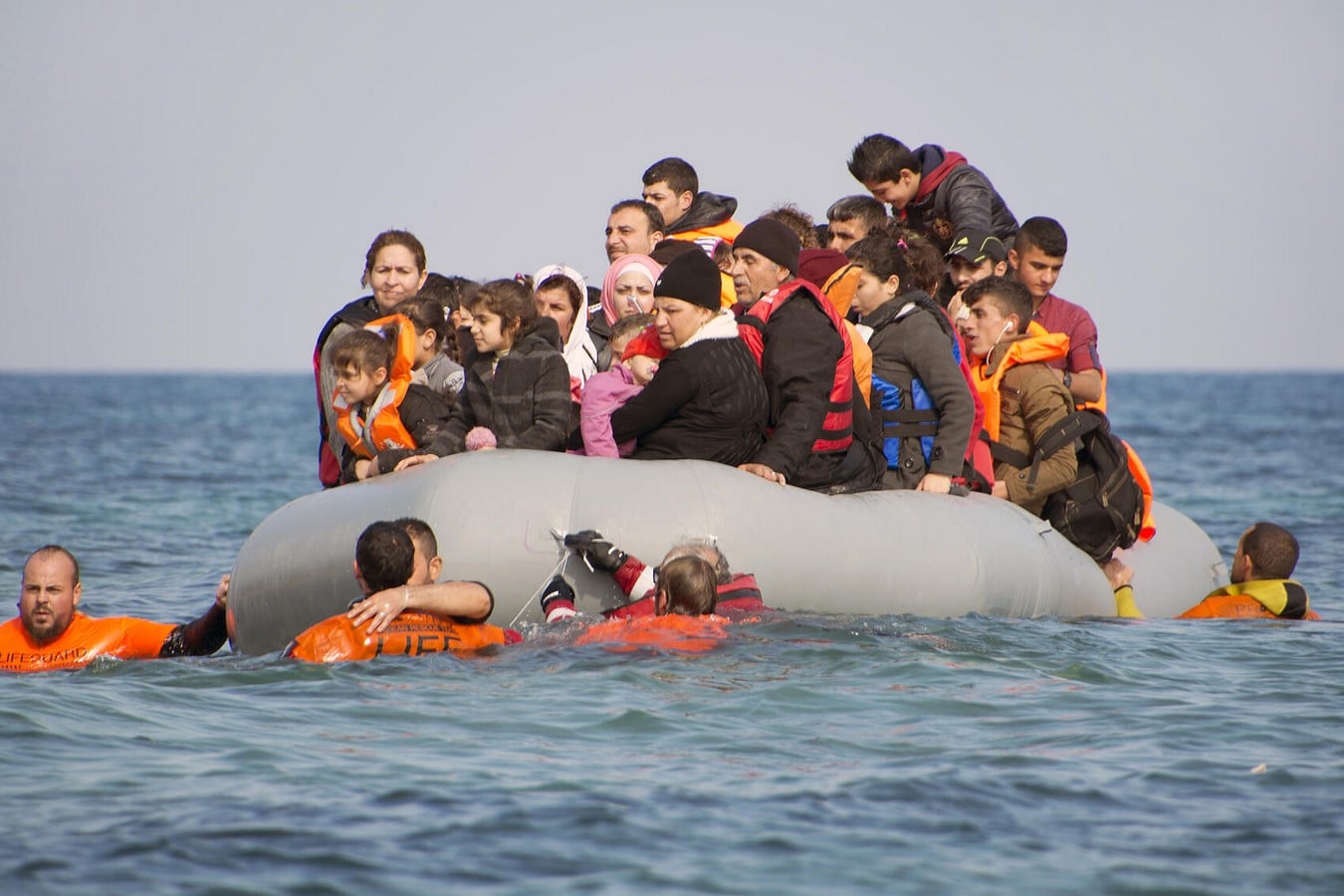
United Nations High Commissioner for Refugees (UNHCR) estimates that the number of globally forced displaced people crossed 103 million in mid-2022, among which 53.2 million are internally displaced, and 32.5 million are refugees.
As of mid-2022, there are 4.9 Million Asylum seekers and 5.3 Million people in need of international protection. Out of 89.3 million people forcibly displaced at the end of 2021, 36.5 (41%) were children under 18. An average of between 350,000 and 400,000 children were born into a refugee life yearly between 2018 and 2021.
Amidst these grand numbers, 162,300 refugees returned to their home countries by mid-2022, while 42,300 people were resettled. 74% of the resettled refugees and others in need of international protection are hosted in low- and middle-income nations. The true figures of the refugees and other people in need of international asylum are estimated to be significantly larger. These figures are expected to grow larger in number and threaten the dignified and safe living of a large population of individuals with the conflicts that displaced them in the first place not showing any signs of improvement, which is why it has become imperative for those of us in safe comforts of our home to open doors and help integrate them into our socio-cultural as well as economic fabric.
Homemaking
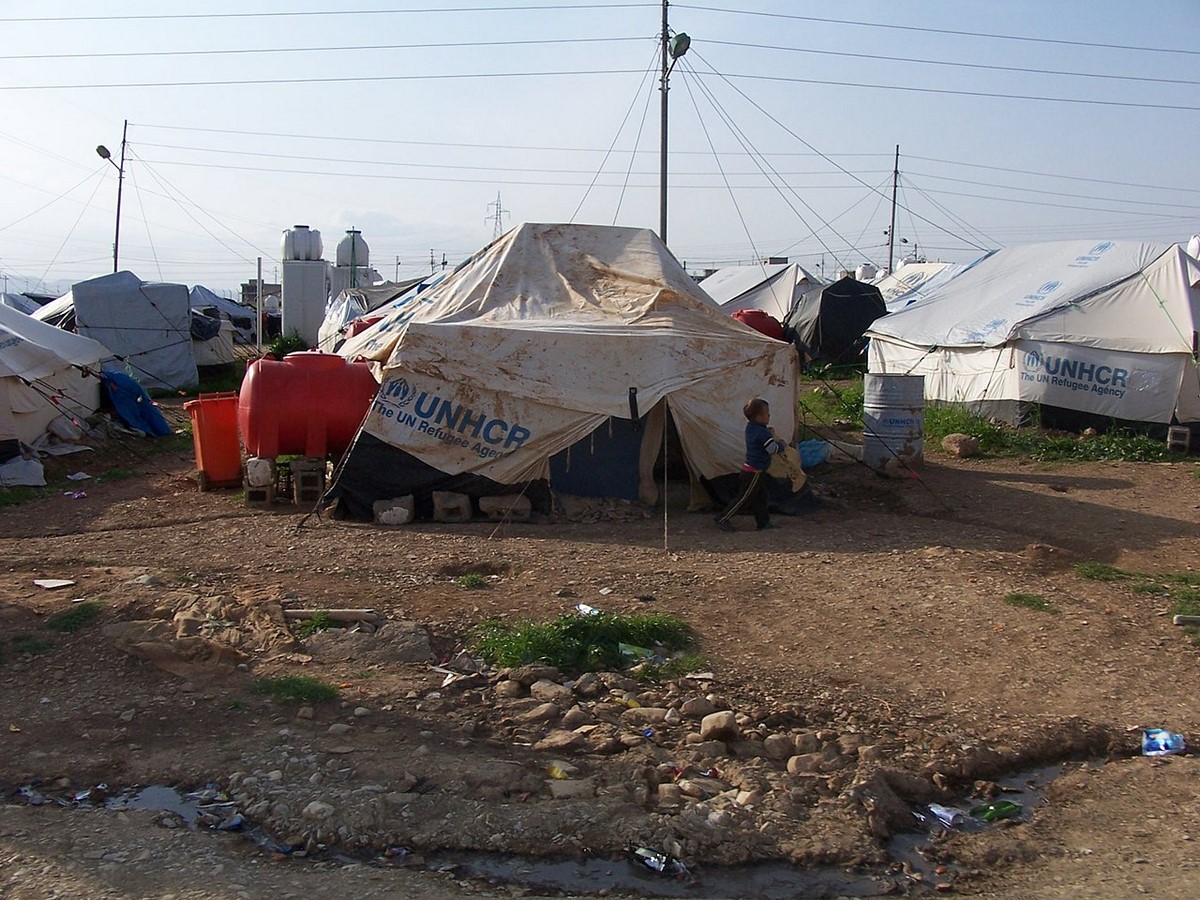
An individual’s association with a place derives from their sense of belonging, identity, and security, in a process called “homemaking”. The spaces in refugee camps must allow for safe spaces where an individual can form a sense of identity relative to the space through habits, shared functions, community life, and a sense of normalcy, which are often lacking in the camps of the present. Rather than being in a constant state of impermanence and flux, these camps must be a sanctuary of everyday practices and customs with dedicated spaces housing these behavioural patterns. Thus rather than focusing on the emergency state and temporary nature of the refugee camps, the architecture of the refugee camps asks to be addressed in the context of ordinary everyday life. The normalcy absent in the lives of those forced out of their nests ought to be the element that one seeks to achieve as a designer.

Newer models of refugee camps are giving back the power to realise the shelters they would be living in. Some of these allow the occupants themselves to build the shelters they would be living in with the available local building materials, while some allow lightweight modular designs of shelters that provide flexibility and mobility in design. Involving the occupants in the maintenance and expansion of the camps in a holistic approach allows them to associate deeper with the camps and find a sense of home within. Furthermore, allowing the members of the camp to achieve basic facilities like education, health care, security, and a space to practice their religion or other ways to heighten spiritual health within the camp area or in close vicinity with unobstructed access needs to be ensured at all times. Social structures, gender concerns, inclusivity, information, privacy, and universality in design are also concepts that are yet to be embodied in the architecture of refugee camps.
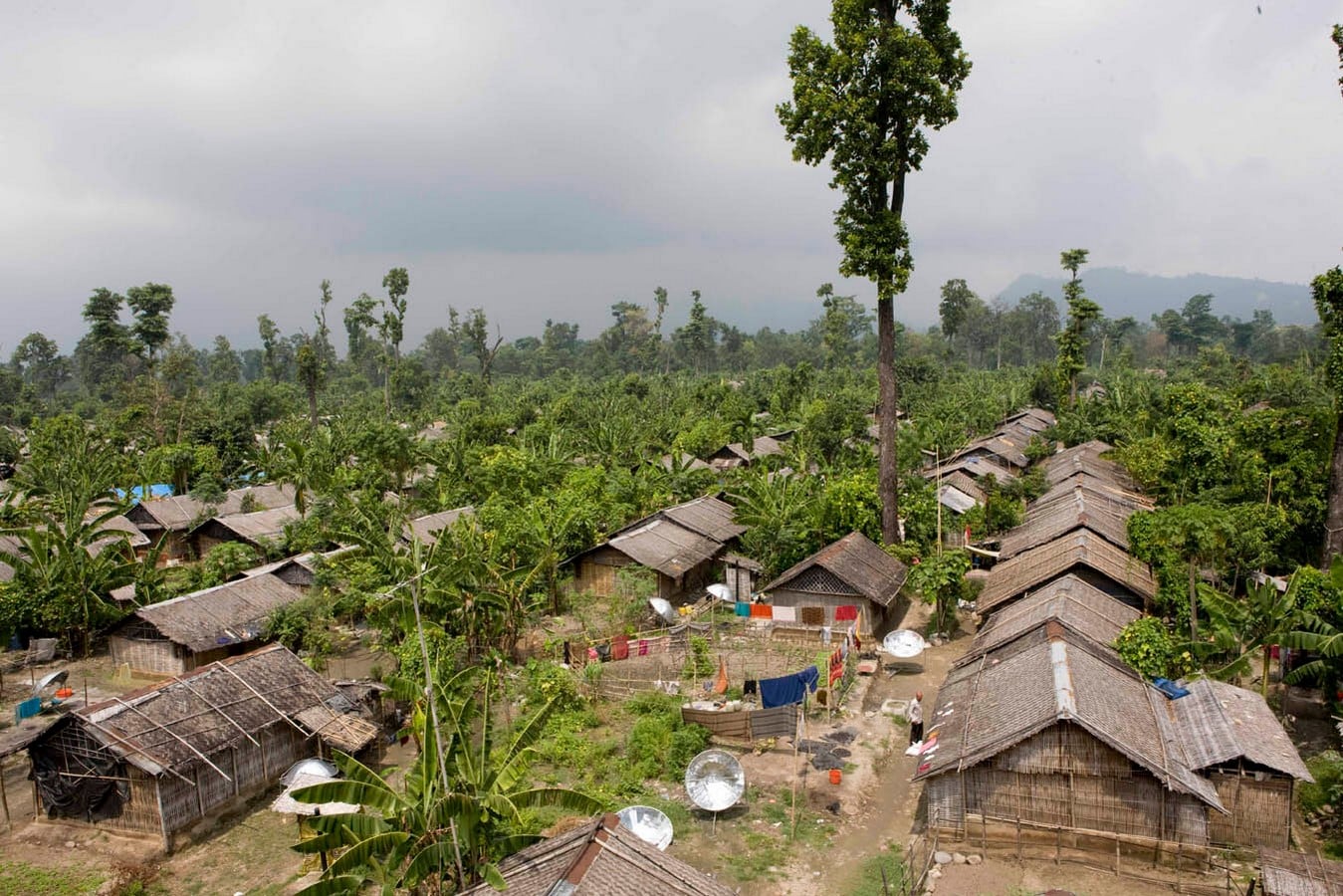
Assimilation with Society
Although refugees do not always hold the same status as regular citizens, it would prove counterintuitive to build them shelters far from sight in an isolated system detached from the rest of the urban fabric. The feeling of alienation would always follow the refugees and as such, they live to end up living as visitors in a state of ephemerality at all times, in a state of homelessness, abjection, and limbo. The spatial dynamics of the camps need to be such that it facilitates a dynamic exchange between the refugees and the rest of society. Be it through the selection of the site, the blurring of the boundaries, or the amalgamation of shared facilities and activities; deliberate attempts demand to properly assimilate these microcosms of refugee camps into the pre-existing urban fabric.
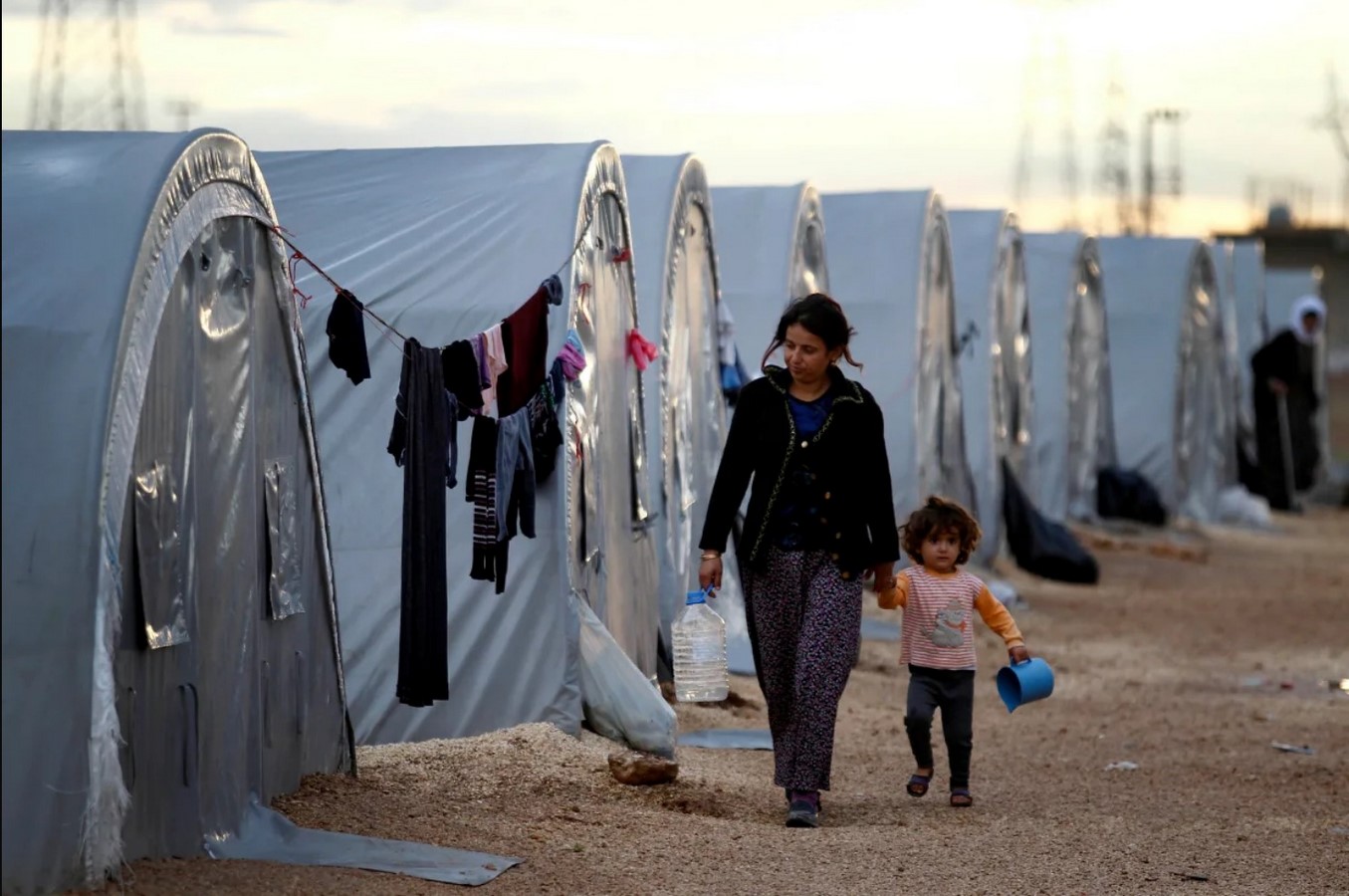
Refugees are people no different than us in soul or ambitions, only with an unfortunate turn of fates that led them to a life of crisis, refuge, impermanence, and insecurity. As harsh as it may sound, most shelters designed to address the current refugee crisis are fundamentally misguided. Since these crises are occurring out of sight and far away, refugee camps of the present are mostly acting as visible as well as invisible barriers that hinder the occupants’ ability to assimilate properly with the rest of society.
A Tale of Endurance
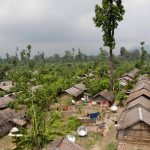
Today the “refugee camp” model has failed in terms of becoming a means of transitional assistance as commonly understood in the humanitarian assistance paradigm, with the camps being perceived as a non-place, a barrier to keep without rather than bring within those displaced due to conflicts and violence in national and international level. And since countless of the present refugee camps have existed long before establishing humanitarian camp planning guidelines, they still need to be improved on several fronts. Despite this, Refugee Camps are now becoming a part of everyday society, with over 94 countries housing refugees in some form of settlement or other. A microcosm within our society, these camps are gradually metamorphosing from temporary habitation to a hub of everyday life with its processes and systems, an informal city of its own
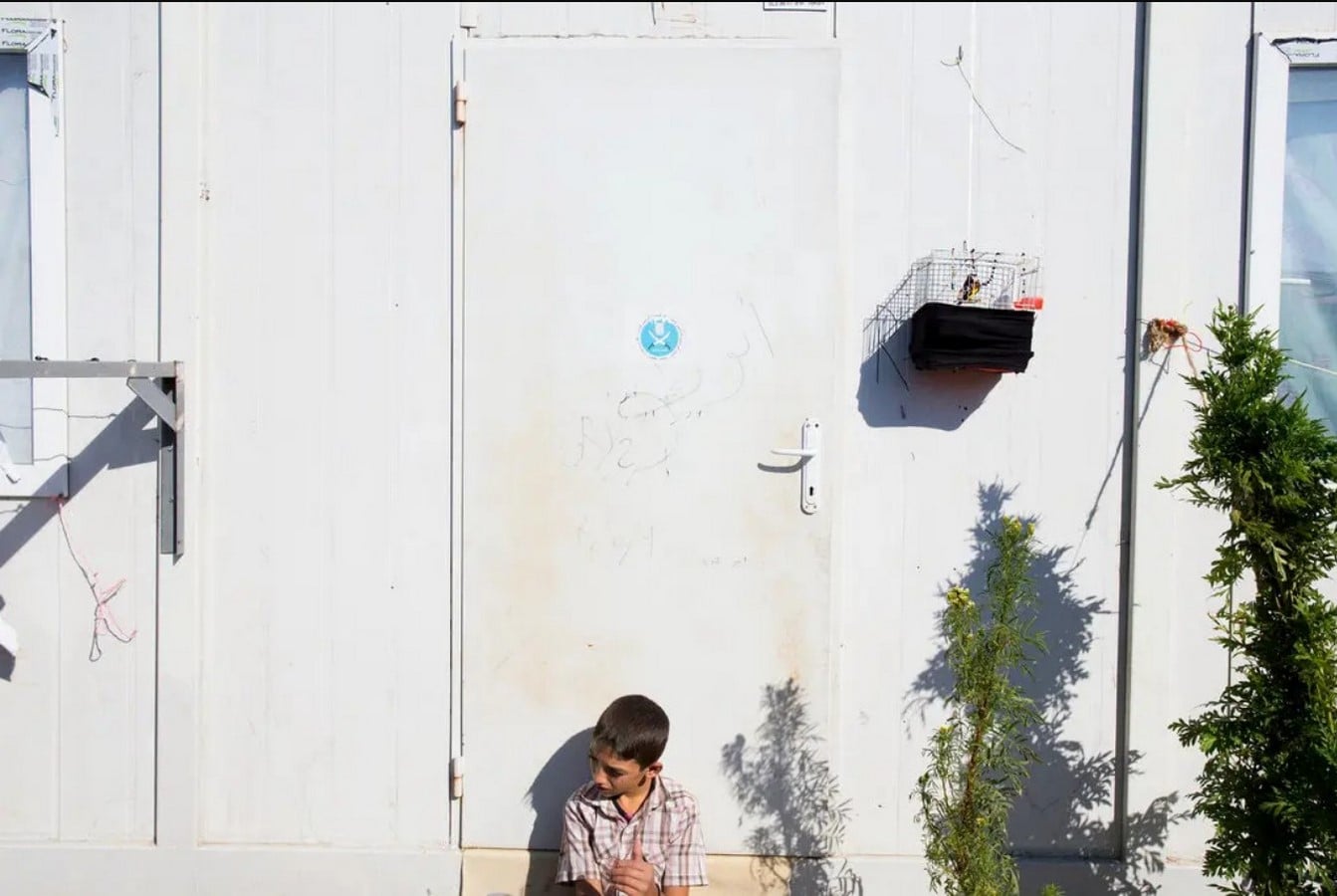
Refugee Camps are not just objects; they are a prolonged and significant event in human civilisation that demands materialization through architecture. Only through proper architectural language and storytelling can the ephemeral nature of this “transitional” shelter become something more than just an emergency shelter transcending the ever-present state of inconsistency and limbo.
Reference:
UNHCR. (2022). Refugee Statistics [online] Available at: https://www.unhcr.org/refugee-statistics/#:~:text=At%20the%20end%20of%202021,below%2018%20years%20of%20age.&text=Between%202018%20and%202021%2C%20an,a%20refugee%20life%20per%20year. [Accessed 15 Dec. 2022]
Sciepub. (2022). Redefining Refugee Camps as Livable Cities (Case Study: Saveh Refugee Camp) [online] Available at: pubs.sciepub.com/ajcea/6/1/1/index.html [Accessed 15 Dec. 2022]
Architectural Review. (2022). Building refuge: from emergency shelter to home [online] Available at: https://www.architectural-review.com/buildings/housing/building-refuge-from-emergency-shelter-to-home [Accessed 15 Dec. 2022]
Wits Institute for Social and Economic Research. (2022). Architecture and History in a Refugee Camp [online] Available at: https://wiser.wits.ac.za/content/architecture-and-history-refugee-camp-13903 [Accessed 15 Dec. 2022]
Sagepub. (2022). Constructing “purgatory”: How refugee camp architecture inscribes refugees into the a-political, a-historical, and moveable – Áine Josephine Tyrrell, 2021 [online] Available at: https://wiser.wits.ac.za/content/architecture-and-history-refugee-camp-13903 [Accessed 15 Dec. 2022]
Architect Magazine. (2022). Rethinking the Refugee Camp [online] Available at: https://www.architectmagazine.com/design/rethinking-the-refugee-camp [Accessed 15 Dec. 2022]