Architecture doesn’t happen in landmarks but in the routine and repetition, which support daily life; this idea has evolved over the last few centuries. We have celebrated architecture through monuments that soar up to the sky, their beauty in rich interiors and sculpted façades. Yet, the poetic power of architecture lies in the quality of daily life, in subtle gestures like repetition, rhythm and routine that add to the experience of human life. Hence, we can say that we have expanded the scope of architecture beyond beauty.
Routine, Rhythm And The Beauty Of Architecture Through History
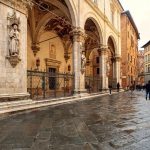
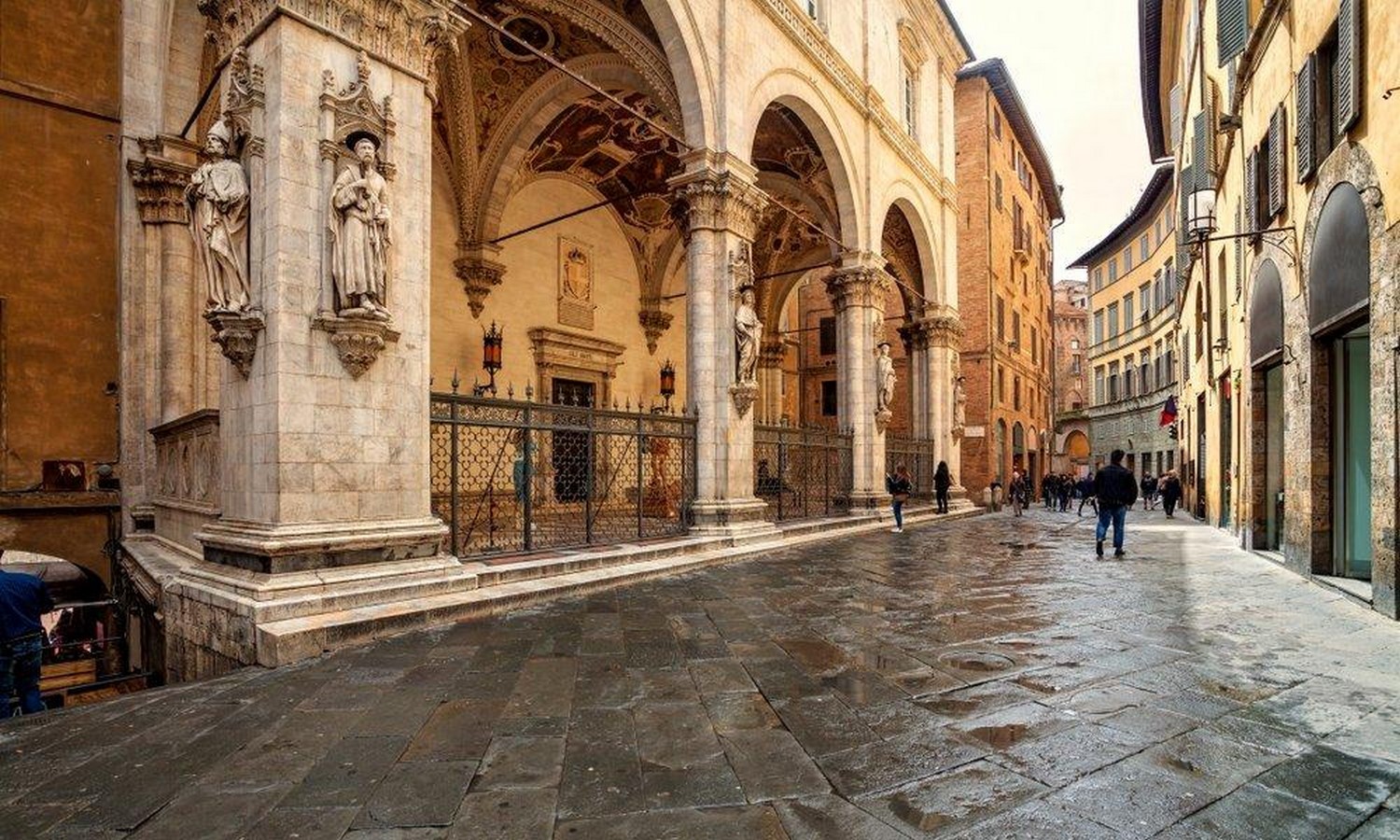
In the pre-modern era, architecture symbolised power, grandeur, visual dominance, and asserted control. The function of everyday spaces like stairwells and streets was acknowledged, but the aesthetic attention was reserved for monumental spaces like cathedrals, palaces and civic institutions, which were created for the eyes to feast. Hence, small gestures were rare outside decorative elements.
With the advent of modernism, the focus was shifted to efficiency, standardisation and function. Hence, ‘form follows function’ became the cornerstone of modernism. The idea that beauty is secondary; if a space works well for its intended function, it is considered successful. Architects like Louis Sullivan and Le Corbusier championed that the design of spaces like stairwells, toilets, and streets was to be approached with circulation, usability and efficiency. Architects and planners become aware that without functional adequacy in everyday spaces, buildings, and cities would fail; hence, the functionality of these spaces was given more importance than their experiential potential.
Developing Human-Centred Architecture
By the mid-twentieth century, after the World War had seen the emergence of large-scale housing projects. People began to migrate to the city, and the urban condition became dense. Mass housing projects initially prioritised quantity and speed; their form and space were detached from the street life. Over time, social housing schemes prompted architects and urban planners to rethink the role of everyday spaces. Streets, staircases, shops and public toilets were no longer invisible elements but became active in shaping people’s lives. Design strategies were developed so that the elements within urban housing strengthened encounters and shape the community’s identity; hence, becoming less isolated buildings.
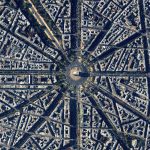
This shift can also be seen in the design of cities, from monumental spaces to the everyday public realm. Human-centred urbanism focused on small scale and proposed parks, bus stops, and markets. These were spaces of routine interaction, the success of which can be measured through frequency of use and comfort. Over the years government officials has realised that participatory urban design gives better environments. Through community participation, residents were allowed to influence how the neighbourhood evolved, where lived experience was treated as knowledge. Slowly, urban design is becoming responsive to existing rhythms, respecting time, memory, and use rather than imposing ideals.
Today, architecture is transforming from a system of control and function into a lived experience. The shift from strict zoning codes to mixed-use environments, from car-dominated streets to pedestrian-friendly spaces, and from monumental planning to everyday urbanism. These changes reaffirm that architecture’s true success lies not in the visual grandeur, but in how it becomes an active agency for routine and rhythm in human life over time.
Architecture As a Ritual of Life.
Architecture both conceives and is derived from daily routines. It is a practice that interprets the rituals of everyday life. Everyday spaces, such as streets, stairwells and corner shops are not mere transitional areas, they shape our routines; and direct our behaviour. Juhani Pallasmaa, in his book, the eyes of the skin talks about how” our bodies and movement are in constant interaction with the environment: the world and the self inform and redefine each other constantly. The perception of the body and the image of the world turn into one single continuum.
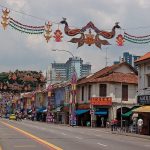
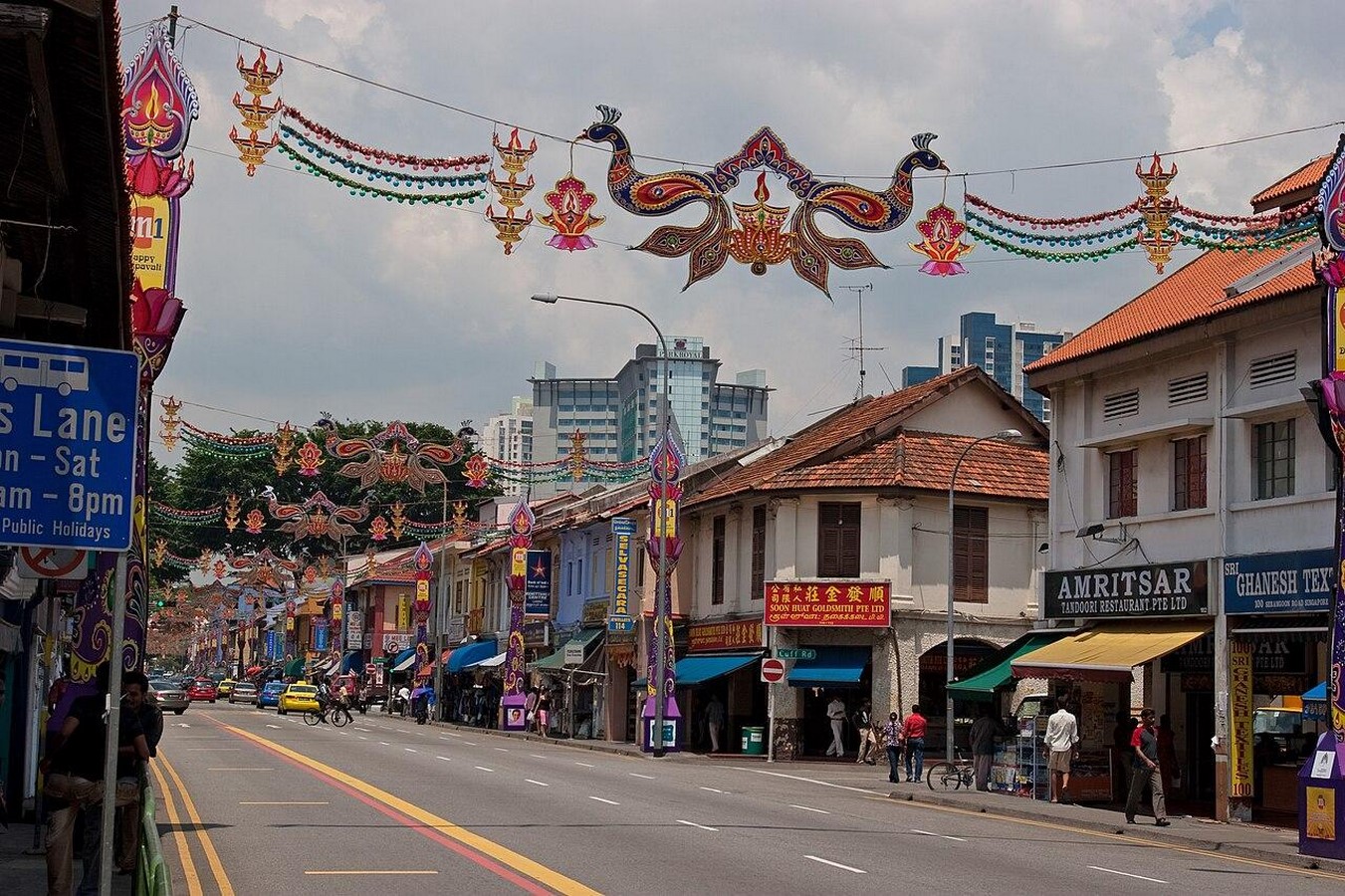
Singapore, the city with its iconic and sustainable building model, is a true example of human-centred urbanism. The city has added many quiet gestures to its ordinary spaces: covered walkways, hawker streets, bus stops, bus lanes, public plazas. The urban void of Singapore is where people come to celebrate, the podium level becomes an extension of the ground plane where people come to celebrate life. The city promotes walking by adding elevated walkways, underpasses, parks, shaded walkways, which protect the pedestrians from the heat and rain. These infrastructural elements add a rhythm of movement and have become the part of a resident’s life. This is where architecture becomes a ritual of life.
Small gestures in the urban fabric have a huge impact on people’s lives; a corner shop on the street would become a third space heaven for the local inhabitants. This is in contrast to repetition being standard, habit is an informed order and not a landmark. Routines we barely notice and repetition we rely upon. It is less about being seen and more about being experienced. Rhythm in everyday life can be defined as movement through function-specific areas, like from home to office and stopping by a recreational spot, eventually becoming a habit.
Reference:
Pallasmaa, J. (1996). The Eyes of the Skin. Chichester Wiley.
Internet Archive. (2013). The tall office building is artistically considered : Sullivan, Louis H., 1856-1924 : Free Download, Borrow, and Streaming : Internet Archive. [online] Available at: https://archive.org/details/tallofficebuildi00sull.
Sanoff, H. (2000). Community Participation Methods in Design and Planning. New York: John Wiley & Sons.
Lumenlearning.com. (2016). Urbanization on the Rise | Introduction to Sociology. [online] Available at: https://courses.lumenlearning.com/wm-introductiontosociology/chapter/urbanization-on-the-rise [Accessed 11 Jan. 2026].
Urban Redevelopment Authority (2011). Urban Redevelopment Authority. [online] Urban Redevelopment Authority. Available at: https://www.ura.gov.sg/Corporate/Planning/Master-Plan.
Images
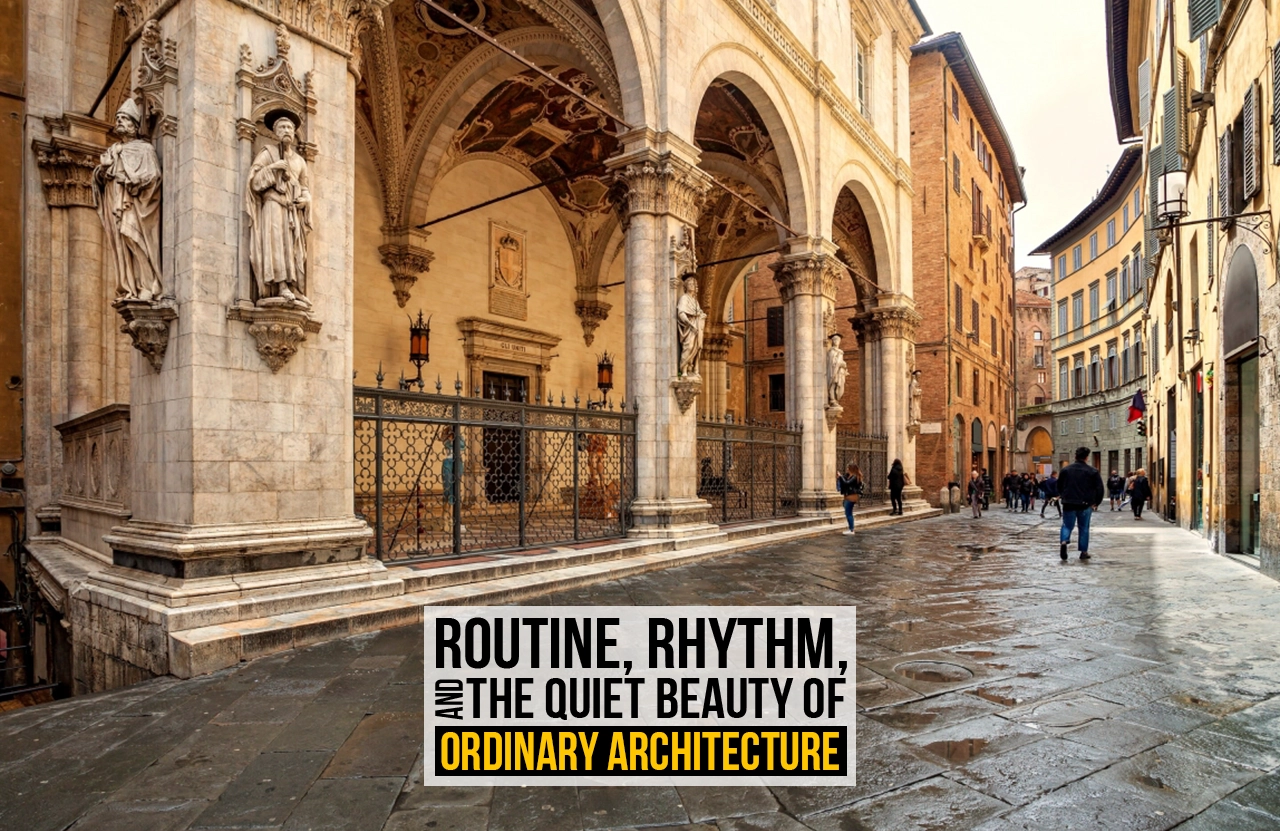
Old medieval streets of Siena, [Photograph]. (Shutterstock Photo)
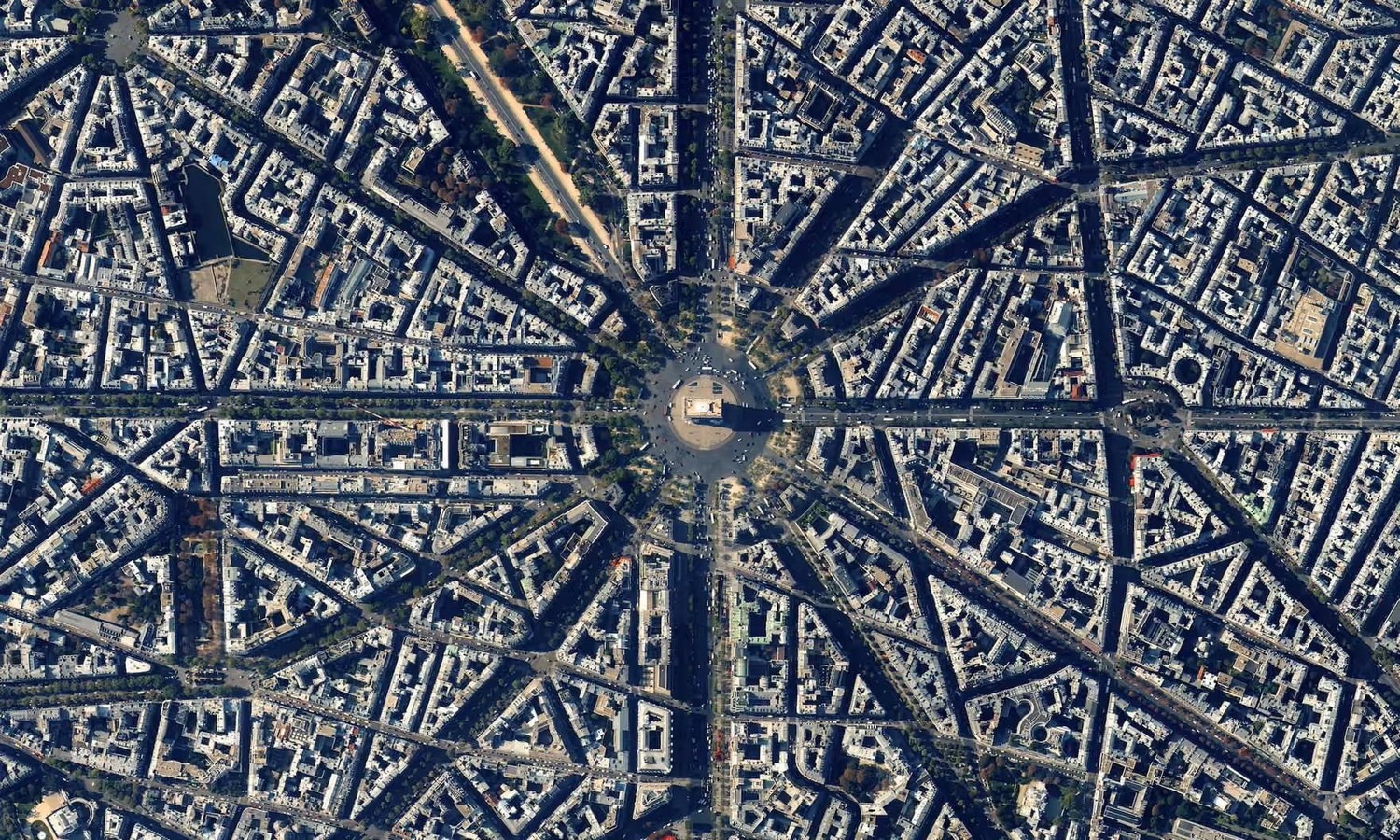
An overview of Paris [Photograph]. (DigitalGlobe/Rex)
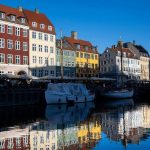
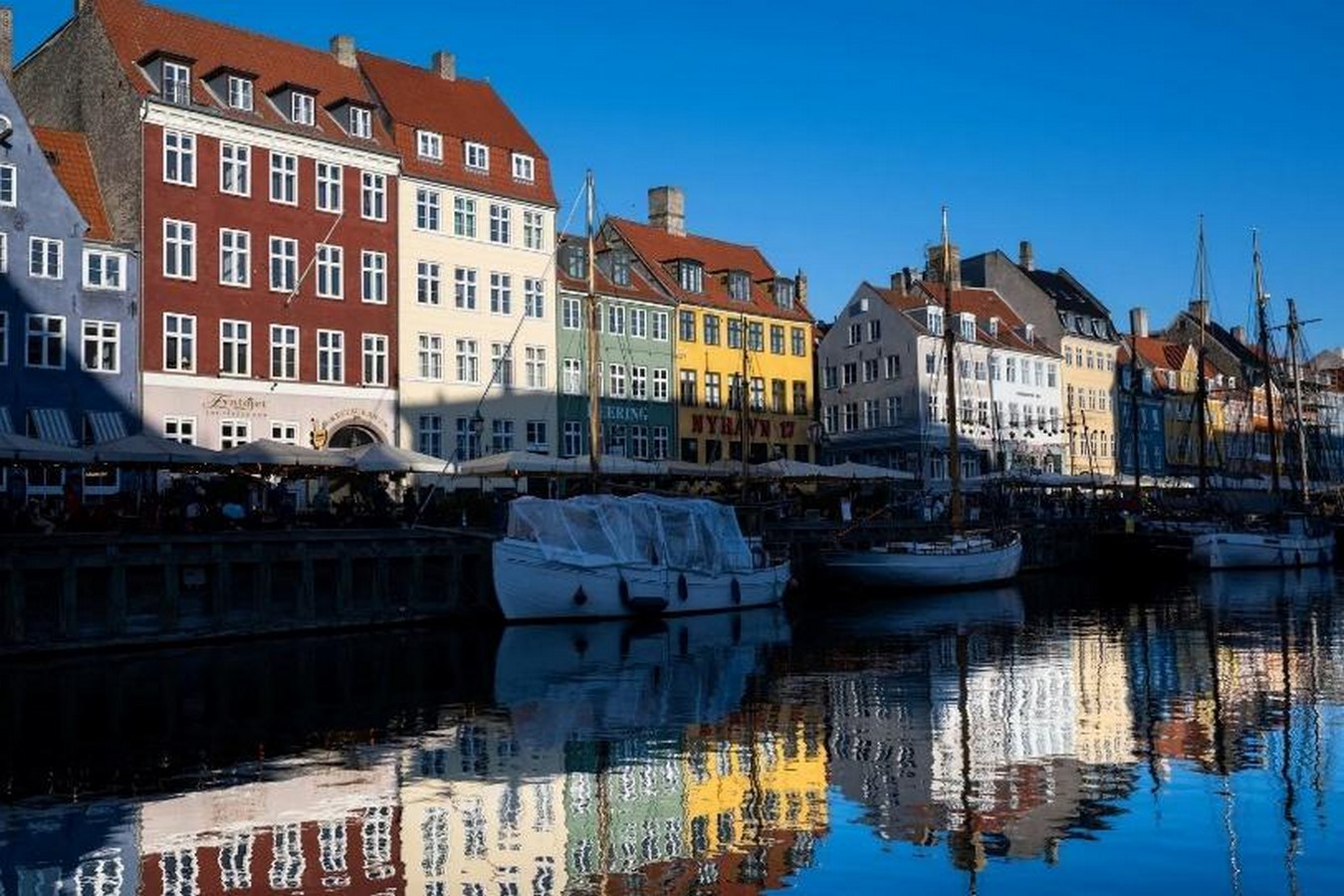
Patrik Lundin, Copenhagen streets, [Photograph].
Kimon Berlin, Little India, Singapore, [Photograph].