Tucked away in the vibrant city of Thiruvananthapuram, Kowdiar Palace stands as a quiet sentinel of Kerala’s royal history. This majestic structure, unlike many tourist destinations that broadcast grandeur, holds its stories close. It offers glimpses of the Travancore dynasty’s life, but only to those who take the time to explore with patience and curiosity. Kowdiar Palace reveals itself not as a mere architectural marvel but a testament to the human experiences and regal legacy that once thrived within its walls.


A clinic and an internal museum are also located within the Kowdiar Palace. As anyone familiar with the royal family will attest, entering the palace grounds is like travelling back in time. The general public still visits this basic healthcare institution despite the palace operating a dispensary that offers free treatment services. Every day of the week, from 10:00 a.m. to 4:00 p.m., the palace’s public areas are available to the public, and the museum is one of them.
A Palace Steeped in History
Kowdiar Palace, constructed in 1934, was a royal gift. Maharajah Sree Chithira Thirunal Balarama Varma bestowed it upon his sister, Maharani Karthika Thirunal Lakshmi Bayi, as part of her wedding dowry. This gesture reflected not only familial bonds but also the palace’s status as a symbol of power and influence for the Travancore dynasty. The palace became the royal residence, hosting many important moments in Kerala’s history.


Standing before this regal structure today, it’s easy to picture the activity that once animated it’s halls. Diplomatic discussions, royal banquets, and personal moments shared by the Travancore family must have filled its rooms with a life now veiled in mystery. The palace’s very existence connects to Kerala’s past, from its political influence to its cultural contributions.
Yet, beyond the stately architecture and historical significance, Kowdiar Palace was a home. The echoes of familial joys and sorrows likely resonate within its walls, painting a portrait of not only royal duties but personal lives. Imagining the day-to-day interactions of the royal family, their traditions, and their private moments transforms the palace from a symbol of distant royalty into a more intimate, lived space.
An Invitation to Wonder
The beauty of Kowdiar Palace lies not in its immediate accessibility but in the invitation it extends to those who seek to understand it. Though the palace is not open to the public, its exterior alone stirs the imagination. The grand facade, framed by lush greenery and towering trees, is a silent witness to Kerala’s royal past. The peaceful surroundings and the restrained elegance of the palace evoke a sense of timelessness, allowing reflection on the stories hidden within its walls.
Exploring Kowdiar Palace fosters a deeper appreciation for what cannot be seen. The real fascination is not simply in architectural features but in the human history that shaped the palace. Imagining the royal family strolling through its gardens, hosting dignitaries, and living their everyday lives brings a sense of intimacy to the experience.
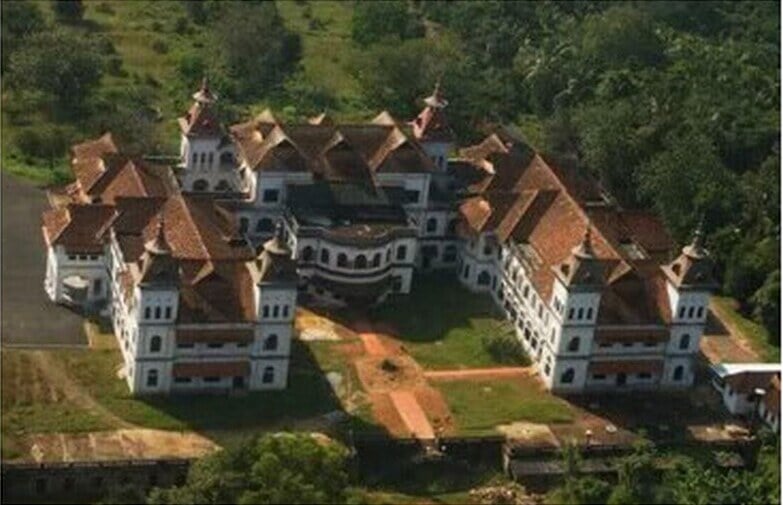
The grandeur of the palace’s setting enhances this sense of wonder. Surrounded by nature’s calm, the palace invites quiet reflection, making it possible to visualise the royal ceremonies, political discussions, and family events that once unfolded here. Its allure comes from the blend of grandeur and the personal moments that are inseparable from the history of the Travancore dynasty.
Kerala’s Royal Legacy
Kowdiar Palace is more than a royal residence; it is a key to understanding Kerala’s broader history. The Travancore royal family, particularly Maharajah Sree Chithira Thirunal, was known for its progressive governance. The dynasty’s influence stretched far beyond the palace walls, shaping Kerala’s modern identity. Under the Travancore kings, Kerala saw significant developments in public health, education, and social reforms that continue to shape the state today.In Thiruvananthapuram, this legacy is visible in landmarks such as the Padmanabhaswamy Temple. This ancient temple, closely associated with the royal family, is famed for its architectural beauty and religious significance. Moreover, it is believed to house a treasure trove, attracting historians, archaeologists, and travellers alike. Exploring the palace and the city surrounding it offers a unique insight into the balance between tradition and progress that defines Kerala’s royal heritage.


The Travancore kings were also patrons of the arts and culture, leaving a lasting impact on Kerala’s cultural fabric. Their legacy is evident in the state’s vibrant art, music, and literature scenes, which continue to thrive in the modern era. The blend of royal influence and Kerala’s unique traditions makes exploring this region not just a journey into history but also a celebration of cultural continuity. Following the 1971 Indian Constitutional Amendment, Queen Sethu Lakshmi Bayi and Queen Sethu Parvathi Bayi received an equal share of the royal family’s holdings. Since it was constructed by her son, the late Maharajah Sree Chithira Thirunal Balarama Varma, the property currently belongs to the latter. The palace is regarded as one of Kerala’s best.

Stepping Back in Time
Walking the grounds of Kowdiar Palace feels like stepping back into an era where power and tradition went hand in hand. Though its doors remain closed to the public, the palace’s aura is undeniable. Standing at the gates, it is easy to imagine royal carriages rolling in, dignitaries being received, and the royal family attending to both personal and state affairs.The structure itself, though imposing, is softened by the life that it once contained. This was a space where not only royal duties were carried out but where a family lived. The simplicity of imagining daily life here walking the gardens, entertaining guests, and overseeing the kingdom adds a layer of warmth and human connection to the grand narrative of history.
Though Kowdiar Palace is often viewed as an architectural monument, its true beauty lies in the lives it housed and the legacy it preserved. The palace is not simply a remnant of a royal past but a living connection to Kerala’s present, where the values and traditions of the Travancore dynasty continue to echo in the state’s cultural identity.

The Unseen Stories
The allure of Kowdiar Palace isn’t found in grandeur alone, but in the invisible stories that permeate its surroundings. History often hides in plain sight, embedded in places like this, waiting to be uncovered by those willing to look a little closer. Kowdiar Palace doesn’t merely stand as a relic of Travancore’s glory; it offers a glimpse into a time when royalty was not just a symbol of power, but also of responsibility and connection to the people. The palace’s rich legacy offers an invitation to reflect on how the past continues to shape the present, how royal influence transcended the palace walls, and how history, though unseen, remains alive in the places left behind.