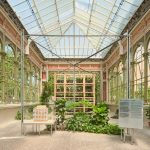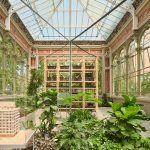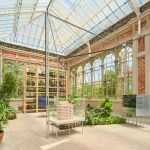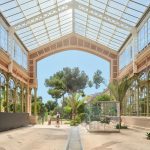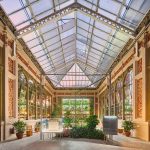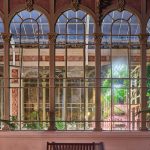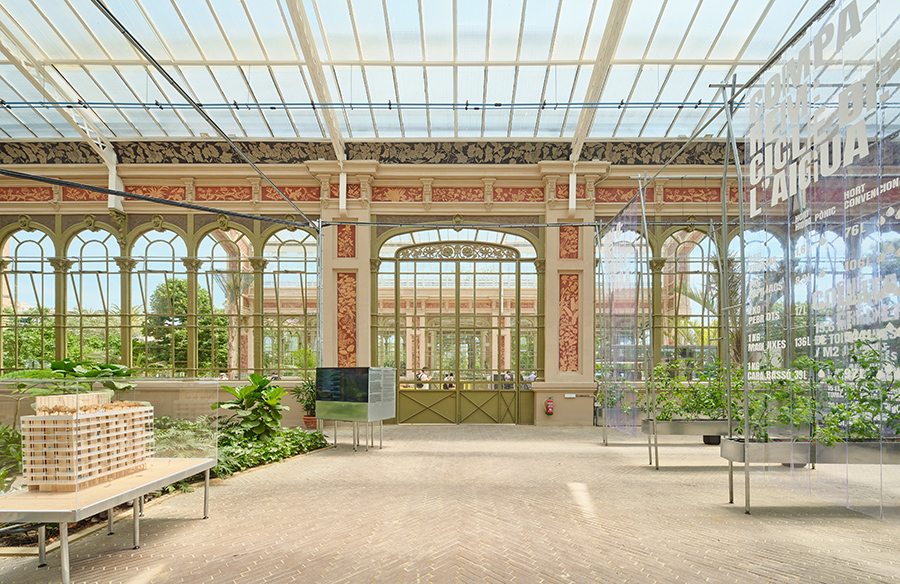
In 2024, Barcelona’s historic Hivernacle, built for the Universal Exhibition of 1888 in Parc de la Ciutadella, reopened with the Màquina Climàtica exhibition. This showcase emphasizes the delicate balance of the greenhouse effect, which regulates Earth’s temperature, while highlighting the impact of human activity on climate change.
Project Name: Exhibition at the Hivernacle in Parc de la Ciutadella
It also explores greenhouses as spaces for sustainable food production. Curated by architect Mariona Benedito, the exhibition is a collaboration between IAAC, Barcelona Regional, and ICTA/UAB, presenting agriculture integrated into urban construction.
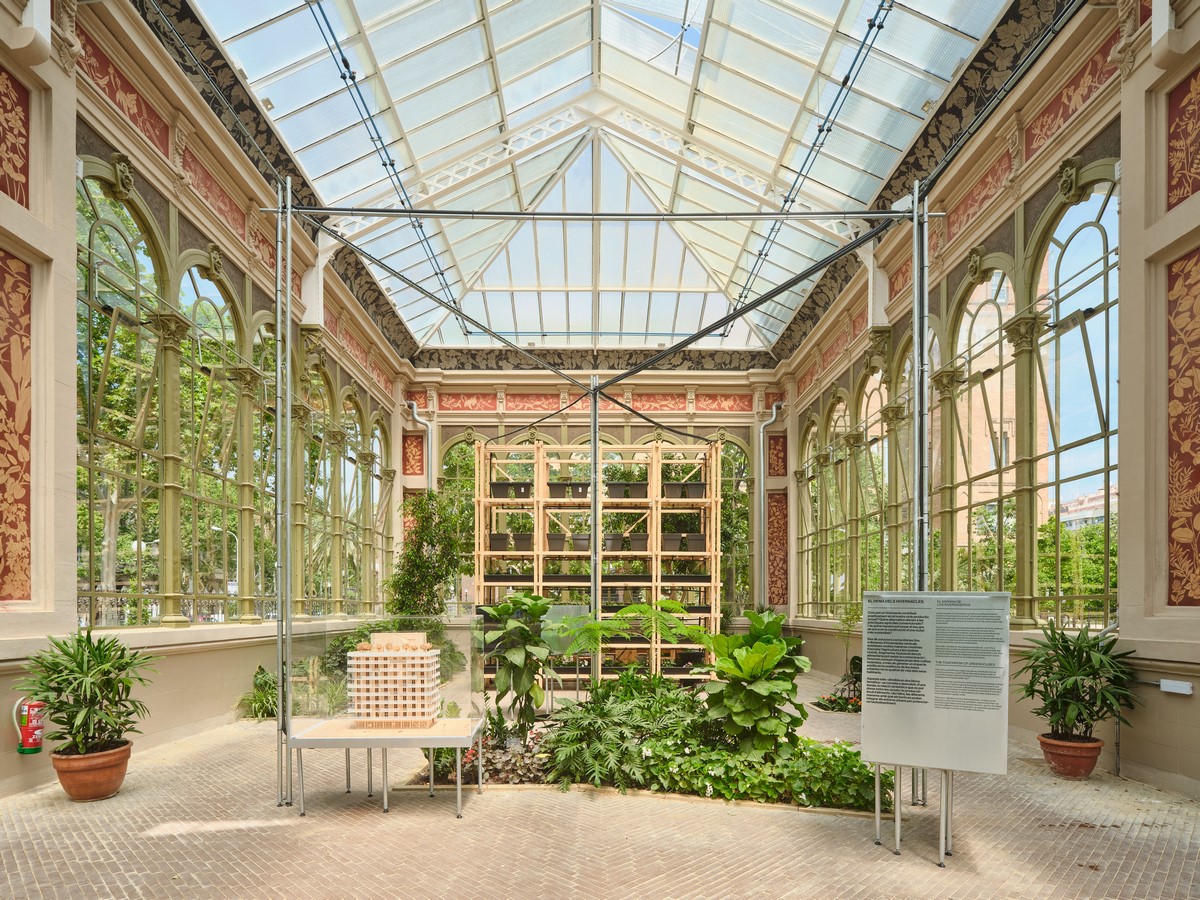
Students from IAAC’s Master in Advanced Ecological Buildings and Biocities (MAEBB) contributed by designing vertical farming systems, urban models, and furniture for the exhibition. They addressed challenges like food security and environmental impacts of agriculture, noting that only 9% of Barcelona’s metropolitan area is used for farming, despite a rich agricultural heritage. Urbanization has reduced local food production by 77% since 1965.
MAEBB students proposed rooftop farming solutions for Eixample and Sant Martí districts, considering sunlight, accessibility, and available space. These districts highlight opportunities for transforming Barcelona’s 1,764 hectares of potential green roof space into productive urban farms.
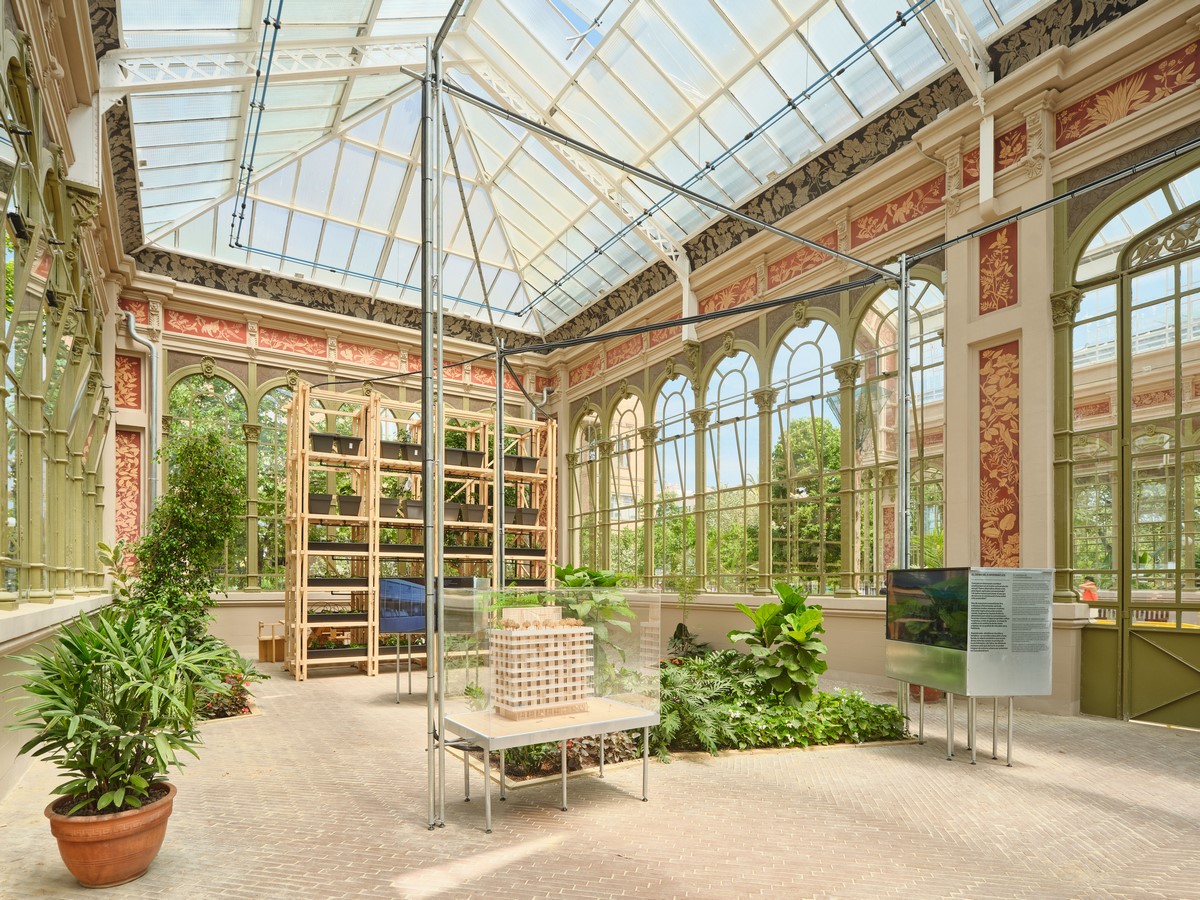
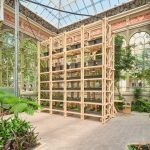
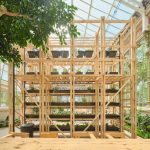
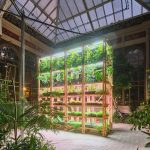
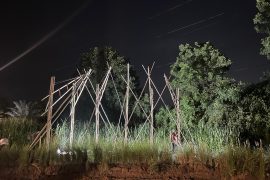
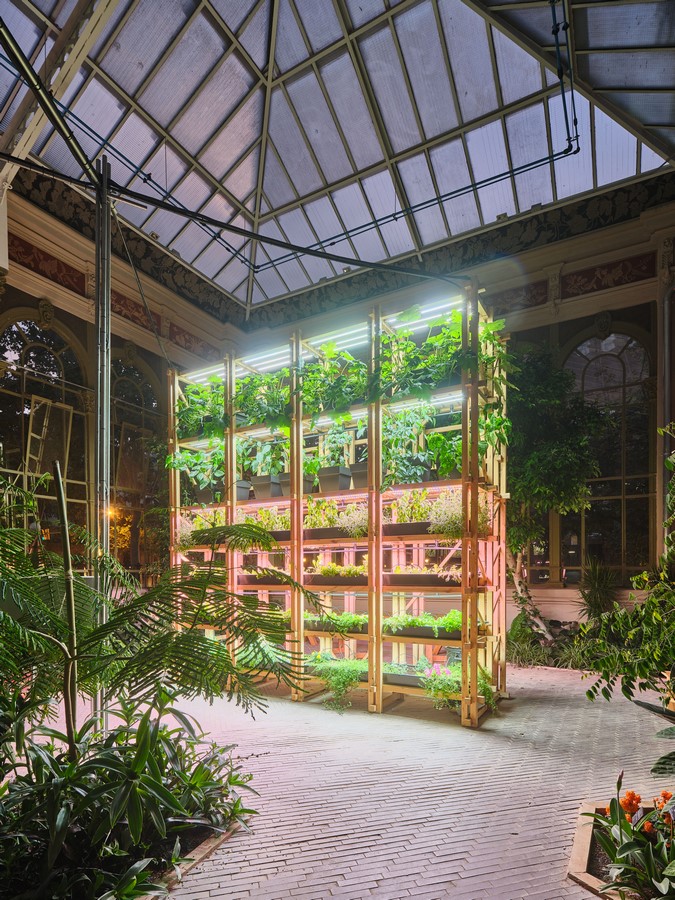
A vertical growing shelf, designed to demonstrate urban food production, ensures accessibility with planting trays and platforms for easy care. Crafted from timber sustainably harvested and processed by MAEBB students at Valldaura Labs, the project emphasizes eco-friendly forestry and material usage.
MAEBB students integrated automated irrigation and LED grow lights into the system, using coconut fiber as the substrate for urban-friendly crops. Expert guidance from ICTA/UAB shaped decisions on plant selection, substrate, and growing conditions, ensuring an effective and sustainable design.
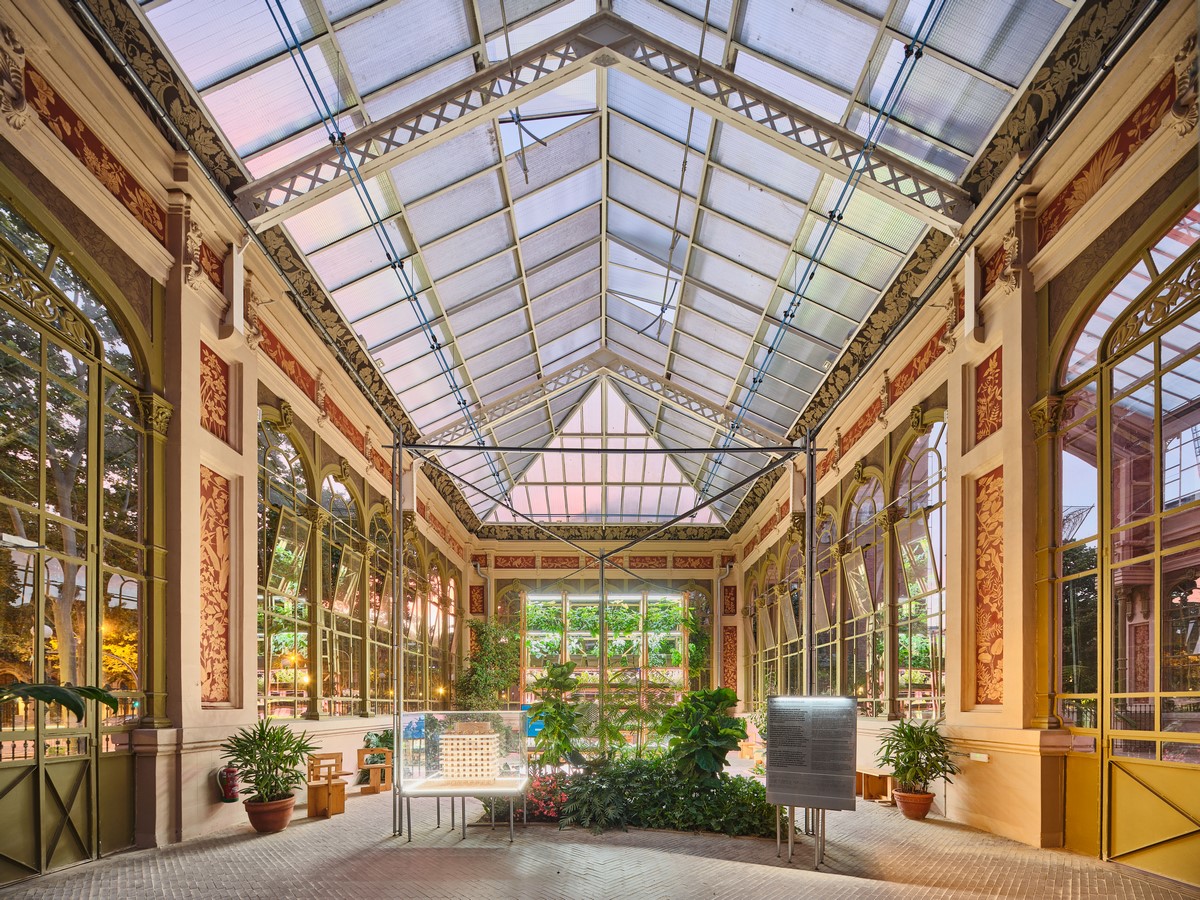
The exhibition includes a model of Terraces for Life, a wooden-structured building with Barcelona’s first solar greenhouse on its roof, designed by Urbanitree (Vicente Guallart and Daniel Ibáñez).
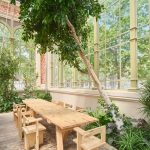
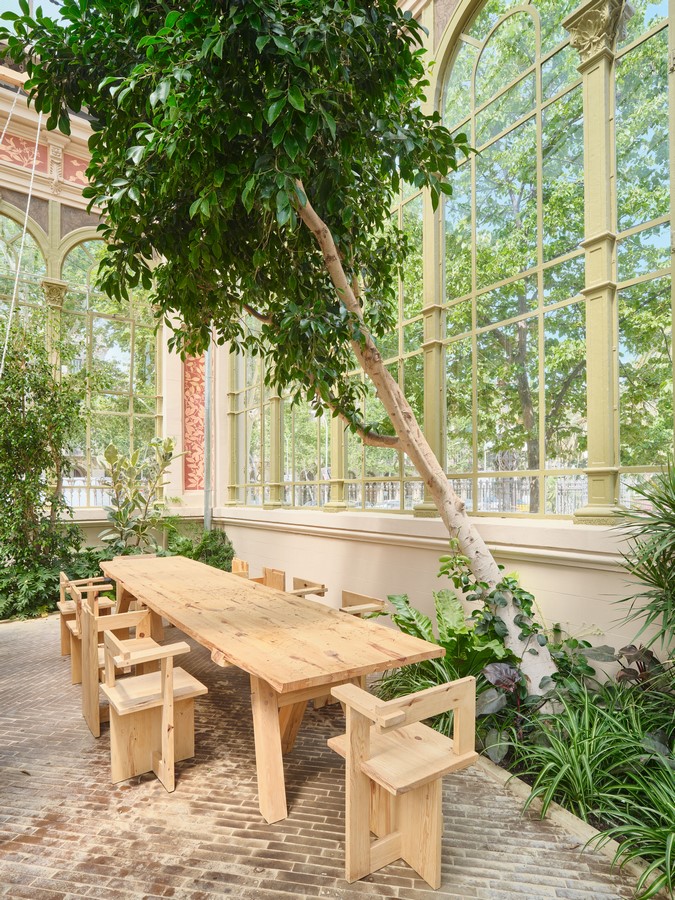
Another key feature of the exhibition was a wooden table and chairs from sustainably harvested timber. The table features a live-edge design, map engravings, and traceability markers, reflecting its ecological journey. Chairs, adaptable as benches, were assembled with precision joints, avoiding metal or glue.
The exhibition aims to inspire cities to rethink food production through innovative urban agriculture. It highlights Barcelona’s potential to address food security sustainably, combining ecological craftsmanship with forward-thinking design.