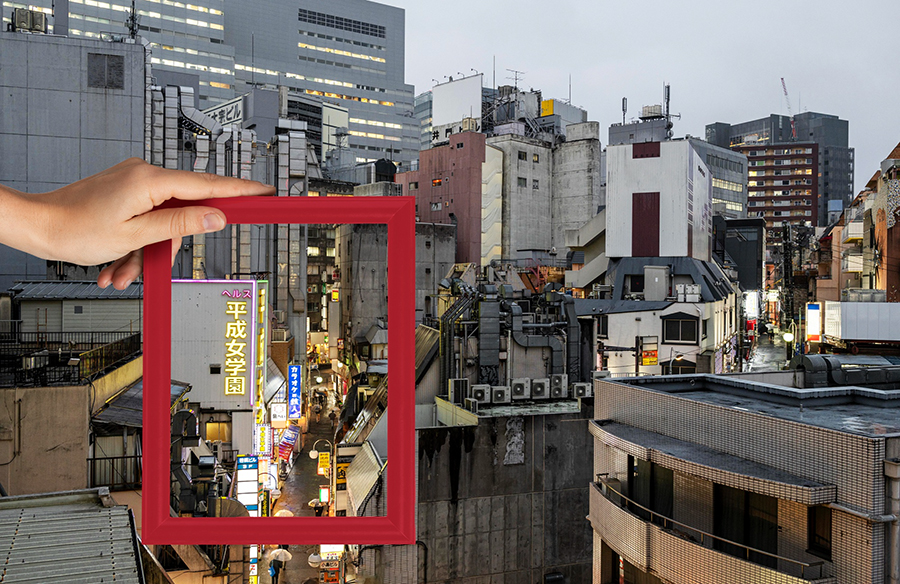
Tokyo is one of the most liveable cities in the world, but renting there as a foreigner comes with a learning curve that catches many newcomers off guard.
The rental market operates differently from most Western cities. The application process is more document-heavy, upfront costs are higher than most people expect, and some landlords still decline foreign applicants without explanation. Understanding how the system works before you start searching saves time, reduces stress, and puts you in a stronger position when a good apartment becomes available.
Understanding the Upfront Costs
The biggest financial surprise for first-time renters in Tokyo is the move-in cost.
Traditional Japanese rental agreements often require key money, known as reikin, which is a non-refundable payment to the landlord, typically equivalent to one or two months of rent. This is separate from the security deposit, which usually runs another one to two months of rent and is refundable at the end of the tenancy minus any deductions for damage or cleaning.
On top of these, agency fees, which are commonly one month of rent plus tax, and the first month of rent itself, mean that moving into a new apartment in Tokyo can cost the equivalent of four to six months of rent upfront.
Newer listings and foreigner-friendly apartments are increasingly moving away from reikin, so it is worth specifically filtering for properties that do not require it if upfront costs are a concern.
The Application Process as a Foreign Renter
Japan’s rental market has historically been difficult for non-Japanese nationals to navigate.
Most landlords require a Japanese guarantor, known as a hoshounin, who is a Japanese national who agrees to cover any unpaid rent or damages on your behalf. For foreigners without a Japanese family member or employer willing to take this role, it used to be a significant barrier. Guarantor companies now fill this gap in most cases, charging an annual fee equivalent to roughly half a month of rent.
Documentation requirements typically include proof of income, employment documentation or a visa showing your right to remain in Japan, identification, and evidence of your residential registration once you have an address. Having these prepared in advance speeds up the application process considerably.
English language support varies significantly between agencies. Specialist services that cater specifically to foreign renters handle the paperwork, translation, and negotiation on your behalf, which reduces the risk of misunderstanding what you are agreeing to.
Finding the Right Neighbourhood
Tokyo is a city of distinct neighbourhoods, each with its own character, price point, and practical profile.
Shinjuku and Shibuya are central, well-connected, and expensive. They suit renters who prioritise proximity to nightlife, dining, and major transit hubs, but the cost per square metre is among the highest in the city. Apartments in these areas tend to be smaller for the price than equivalent budgets would yield elsewhere.
Shimokitazawa, Nakameguro, and Sangenjaya offer a more relaxed, neighbourhood feel with strong food and arts scenes. These areas attract younger renters and creative professionals and typically offer better value than the central wards while remaining well-connected by train.
Koenji, Nishi-Ogikubo, and areas along the Chuo line are popular with longer-term residents who want a genuinely local experience without paying Shibuya prices. These neighbourhoods have excellent local amenities, good train access, and a calmer day-to-day pace.
For families or renters prioritizing space over centrality, areas in Setagaya, Nerima, or further out along major train lines offer significantly more floor space at comparable or lower costs.
Using a Specialist to Find Your Apartment
 Searching through general Japanese real estate platforms can be frustrating for English-speaking renters because most listings are in Japanese, and many agents are not set up to work with foreign clients.
Tokyo Portfolio is a specialist rental platform built specifically for international residents navigating the Tokyo market. Browsing their listings for Tokyo apartments for rent gives English-speaking renters access to a curated selection of foreigner-friendly properties across the city’s most sought-after neighbourhoods, with support designed around the specific challenges foreign renters face. This includes guidance on the application process, guarantor arrangements, and what to expect at each stage of the tenancy.
Working with a platform that understands the foreign renter experience reduces the information gap that typically makes the Tokyo rental process feel more opaque than it needs to be.
What Apartment Types Are Available
Tokyo’s rental market offers a range of property formats that differ from those common in Western cities.
1K apartments consist of a single room plus a separate kitchen area and are the most common format for single renters. They are compact but well-designed and suit people spending most of their time outside the apartment.
1LDK and 2LDK layouts include a living, dining, and kitchen area alongside one or two bedrooms. These suit couples or single renters who want more space to work from home or simply prefer not to eat and sleep in the same room.
Share houses and serviced apartments are worth considering for renters arriving in Tokyo without a guarantor or for those planning a shorter stay. Share houses typically require less documentation and lower upfront costs, while serviced apartments offer fully furnished, move-in-ready accommodation with utilities included.
Monthly mansion rentals are another option for short to medium-term stays. These are fully furnished apartments available on flexible terms, generally at a higher per-month cost than standard unfurnished rentals but without the high upfront costs of a traditional lease.
Practical Considerations Before You Sign
Read everything before signing, ideally with a translation.
The lease agreement will specify the notice period required before vacating, typically one to two months, restoration obligations at the end of the tenancy, and any restrictions on the property such as prohibitions on pets or musical instruments.
Confirm what is included in the rent. Building management fees, known as kanrihi, are sometimes included and sometimes billed separately. Utility connections are almost always the tenant’s responsibility.
Finally, check the age and earthquake resistance rating of the building. Japan updated its building codes significantly in 1981. Properties built to the newer standard, known as shinseitai, are engineered to withstand major seismic events, and most reputable agencies will confirm which standard applies to any property you are considering.
Tokyo rewards renters who come prepared. Understanding the costs, the process, and the neighbourhood landscape before you start searching makes finding the right apartment significantly more straightforward.