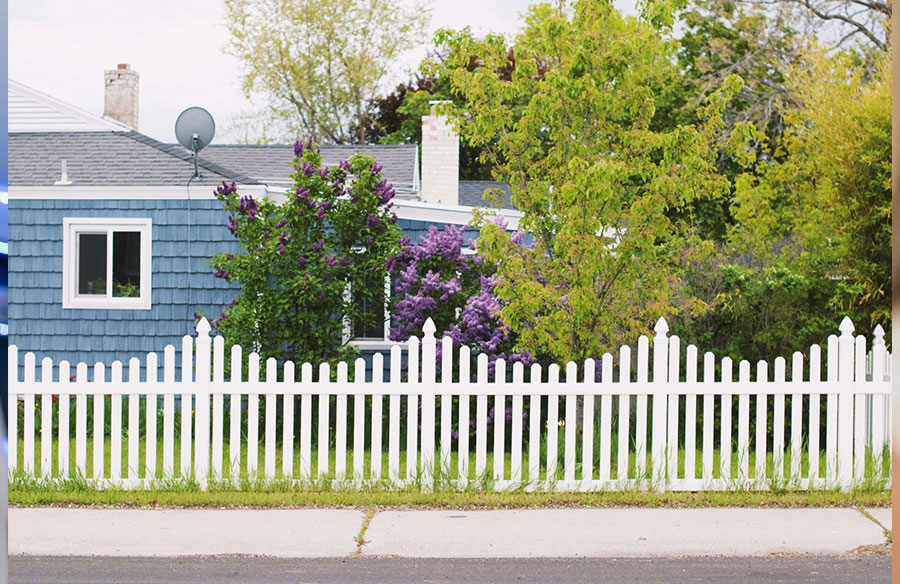
The wrong fence can quietly undermine curb appeal. While homeowners focus on paint colors and landscaping, fencing is often treated as an afterthought.
In reality, a fence is one of the most visible architectural boundaries, shaping first impressions from the street. Thoughtful fence design reinforces cohesion and elevates aesthetic value, making your home’s architecture feel complete.
Understanding Your Home’s Architectural Style First
Before selecting materials or colors, identify your home’s architectural style. Every era carries distinct design principles that fencing should reflect.
Key Questions to Ask
- Is the design symmetrical or asymmetrical?
- Does it emphasize ornamentation or restraint?
- Are materials warm and traditional, or sleek and modern?
- What do rooflines and window proportions suggest?
- How does the home relate to its site and surroundings?
Common Architectural Styles and Their Characteristics
| Style | Key Features | Fence Considerations |
| Craftsman/Bungalow | Craftsmanship, natural materials, human-scale proportions | Approachable, tactile boundaries |
| Colonial/Colonial Revival | Balance, formality, classical detailing | Symmetrical, refined designs |
| Modern/Contemporary | Clean lines, minimal ornamentation, openness | Geometric, restrained profiles |
| Farmhouse/Transitional | Rustic textures blended with modern simplicity | Textured yet intentional |
Understanding these distinct modern house styles helps you select fencing that complements rather than conflicts with your home’s architectural language.
Mismatches create visual discord. An ornate wrought iron fence fronting a minimalist home introduces competing design languages that dilute both. Similarly, stark horizontal slats enclosing a historic cottage feel anachronistic and jarring.
Understanding this architectural DNA prevents visual mismatches, such as ornate wrought iron in front of a minimalist home or stark horizontal slats enclosing a historic cottage.
Matching Fence Materials to Architectural Styles
Material selection becomes intuitive once architectural style is defined. Materials carry strong visual associations, which are critical to maintaining integrity.
Cottage, Craftsman, and Bungalow Homes
- Traditional wood picket fencing or simple vertical boards
- Painted finishes in white or soft neutrals
- Emphasis on handcrafted, tactile aesthetic
Colonial and Traditional Architecture
- Ornamental metal fencing or wrought iron
- Classic wood rail designs
- Materials conveying permanence and order
Modern and Contemporary Homes
- Horizontal slat fencing
- Steel panels or composite materials
- Mixed-material designs emphasizing geometry
- Focus on transparency and rhythm over ornamentation
Farmhouse and Transitional Styles
- Board-and-batten fencing
- Natural wood or wire-infused designs
- Balance between texture and authenticity
Guiding Principle: The most successful fence design ideas look as though they were conceived alongside the home itself, unified in material language, proportion, and intent. Innovative materials continue to expand the possibilities for sustainable and aesthetically refined boundaries.
Color Coordination: Creating Visual Cohesion
Color plays a subtle but powerful role in architectural harmony. Even the right material and style can feel disconnected without proper color coordination.
Three Strategic Approaches
Color strategy begins with understanding how existing materials already communicate architectural intent.
1. Complement Existing Palette
- Match or closely complement trim colors
- Particularly effective for traditional, colonial, and craftsman homes
- Creates a cohesive, intentional look
- Consider sampling fence colors against the actual home exterior
2. Deliberate Contrast
- Dark tones (charcoal, black, deep bronze) frame lighter façades
- Common in contemporary architecture
- The fence acts as an architectural outline
- Emphasizes clean lines without competing for attention
3. Natural Finishes
- Unstained or lightly sealed wood
- Works well with farmhouse, cottage, and transitional homes
- Weathers gracefully, softening boundaries over time
- Cedar and redwood offer natural decay resistance while aging beautifully
Color Testing Best Practices: Test paint or stain colors on sample boards before committing. View them in morning and afternoon light against your home’s exterior. Colors shift dramatically depending on surrounding tones, adjacent materials, and natural light conditions.
The goal is to enhance architectural clarity, whether through blending or strategic contrast.
Fence Height and Proportion by Architectural Era
Height significantly impacts both aesthetics and perception.
Traditional Styles
- Lower fences with open sightlines
- Colonial and bungalow homes favor defining space without blocking street views
- Reinforces approachability and architectural balance
Modern and Contemporary Homes
- Greater variation in height allowed
- Taller fences create privacy zones and define outdoor rooms
- Vertical elements enhance spatial organization when executed thoughtfully
- Contemporary designs often integrate boundaries as architectural features
Proportion Considerations:
- Relate height to the home itself
- Consider surrounding buildings and lot size
- Align with neighborhood rhythm
- Ensure scale matches architectural intent
Even refined designs feel misplaced if scale and context are ignored.
Budget-Friendly Fence Design Ideas That Respect Architecture
Thoughtful design doesn’t require unlimited budgets. Strategic choices maximize visual impact while controlling costs.
Material Substitutions
- Composite fencing: Replicates premium hardwoods with lower maintenance
- Aluminum fencing: Delivers wrought iron elegance at accessible pricing
- Both preserve aesthetic intent without sacrificing durability
- Modern composites resist fading, warping, and insect damage
Selective Placement
- Invest in higher-quality materials along street-facing elevations
- Use simpler solutions along less visible property lines
- Allocate resources where they matter most visually
- Consider mixing materials strategically rather than compromising throughout
Simplified Details
- Clean, restrained profiles often align better with architectural principles.
- Particularly effective for modern and transitional homes
- Reduces costs without compromising design integrity
- Avoid excessive ornamentation that adds expense without architectural benefit
Phased Installation
Break projects into stages, starting with the most visible sections. This allows budget flexibility while ensuring primary elevations receive appropriate attention from the start.
Focus on proportion, material consistency, and strategic placement for architecturally sound, financially practical solutions.
When Professional Design Guidance Makes the Difference
While research provides a foundation, translating architectural intent into well-executed fencing often requires professional insight. Site conditions, local regulations, material performance, and installation precision all influence outcomes.
What Professionals Provide:
- Navigation of regional architecture and climate considerations
- Understanding of neighborhood standards and local regulations
- Refinement of proportions and material selections
- Layout adjustments to better complement the structure
- Long-term curb appeal and property value considerations
- Integration with broader residential architecture principles
A knowledgeable fencing company serving Pittsburgh, JBR Fences, understands how these variables intersect with design decisions, transforming fencing from a standalone feature into a cohesive architectural element that enhances both form and function.
Designing Boundaries That Belong
Choosing the right fence is an architectural decision shaping how homes are experienced and valued. Thoughtful design rooted in context strengthens cohesion across properties. Well-chosen fences frame homes, enhance curb appeal through landscaping integration, and contribute to a sense of place.
By approaching fencing with architectural care, homeowners ensure boundaries feel intentional, timeless, and perfectly aligned with the homes they protect.