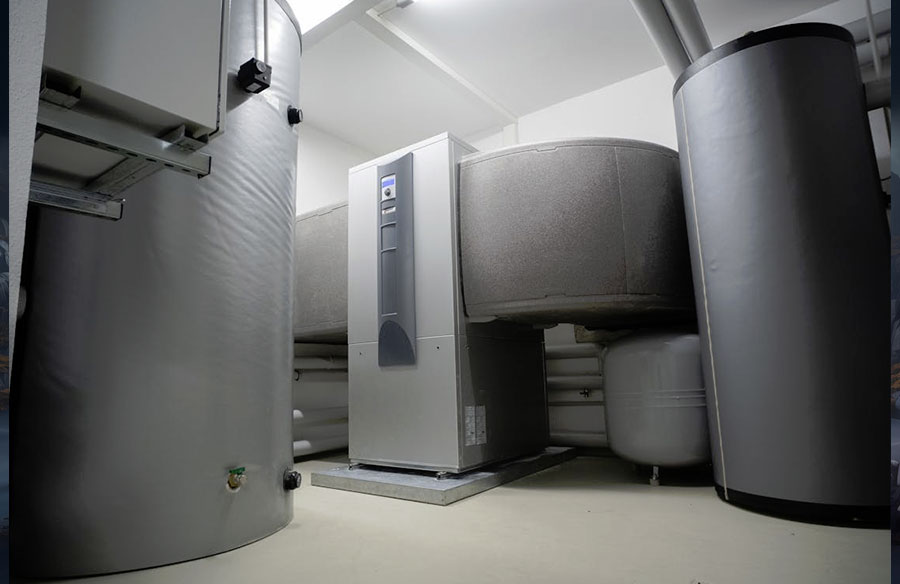
A heat pump-ready home promises comfort, quiet operation, and easy upkeep alongside the innate energy efficiency of this tech. Designing spaces that integrate heat pumps seamlessly can make these homes both functional and inviting.
There are a few details that architects can focus on in order to create homes clients love. If you’re curious how to implement these strategies, hold tight as we discuss your options.
Simplifying Client Onboarding for Heat Pump Homes
Before anything else, it’s sensible to recognize that a smooth onboarding process helps homeowners feel confident in their new heat pump system.
Start by providing a clear, easy-to-read guide explaining operation, maintenance tips, and troubleshooting basics. Demonstrate thermostat settings and ensure clients know how to maximize efficiency.
Seasonal follow-ups are another way to build trust and catch small issues early. Using pulseM for HVAC businesses makes sense, as it streamlines communication, schedules check-ins, and effortlessly gathers client feedback.
Offering a thorough yet simple introduction will help clients feel supported, ensuring long-term satisfaction and a stronger relationship with your business.
Choosing the Right Spot for Heat Pump Outdoor Units
Placement matters for both performance and client satisfaction. Outdoor units should be installed away from bedrooms, living areas, and high-traffic zones to minimize noise disturbances. Select a shaded, well-ventilated spot to improve efficiency and reduce strain on the system.
Ensure easy access for maintenance while keeping the unit visually unobtrusive, such as using landscaping or discreet enclosures. Avoid placing units near windows or walls that could amplify vibrations.
By thoughtfully positioning outdoor units, you create quieter, more comfortable spaces clients will appreciate while optimizing the heat pump’s performance and lifespan.
Designing with Efficient Airflow in Mind
Proper airflow is key to a heat pump’s effectiveness. Plan layouts that allow air to circulate freely throughout the home. Avoid placing vents or ducts near obstructions like large furniture, curtains, or built-ins.
Design ductwork to minimize bends and leaks, ensuring air reaches all rooms evenly. For open floor plans, consider zoned systems or strategically placed return vents to maintain balanced temperatures.
Collaborate with HVAC professionals early to align system design with the home’s layout. Since the HVAC market is worth over $241 billion, there are plenty of reputable operators out there.
Planning Electrical Systems for Heat Pump Compatibility
Heat pumps require adequate electrical capacity to function correctly. Verify that the home’s electrical panel can handle the additional load, especially if future upgrades like EV chargers or solar panels are anticipated.
Include dedicated circuits for the heat pump system to prevent overloading. Clearly label breakers for easier troubleshooting.
Discuss electrical needs with contractors early to avoid costly rewiring later. A backup power solution, like a generator or battery, ensures the system operates during outages.
Proper electrical planning gives clients peace of mind, knowing their heat pump system is reliable and future-proof.
Simplifying Condensate and Defrost Water Management
Effective water management prevents leaks and damage, as well as being necessary for sustainability purposes. Design routes for condensate and defrost drainage that flow away from the home’s foundation. Use insulated pipes to prevent freezing in colder climates.
Plan for gravity-fed drains whenever possible, minimizing reliance on pumps. Ensure the drainage system complies with local building codes and is easily accessible for cleaning or repairs.
Place outdoor units on a slight slope to encourage proper water runoff. These small details ensure a hassle-free experience for homeowners, reducing the risk of water-related issues and prolonging the system’s lifespan.
Creating Quiet, Comfortable Indoor Spaces
Heat pump systems can run quietly with thoughtful planning. Use insulated ducts and noise-dampening materials to minimize sound transmission. Position indoor units away from bedrooms or quiet zones like home offices as part of broader efforts to design for silence in residential properties.
Choose variable-speed or inverter-driven systems for quieter operation. Ensure air handlers are installed securely to prevent vibrations.
Collaborate with HVAC professionals to fine-tune fan speeds and airflow settings for reduced noise without sacrificing comfort. Addressing sound concerns early ensures clients enjoy a peaceful, pleasant living environment while benefiting from the energy efficiency of their heat pump system.
Final Thoughts
Designing heat pump-ready homes requires attention to both technical and practical details. From quiet operation to efficient drainage, every choice enhances client satisfaction.
By prioritizing comfort, reliability, and ease of use, you’ll create spaces homeowners love, ensuring your designs stand out in an increasingly energy-conscious market.