Elia Park, designed by Spectrum Architecture, is a compelling case study in green architecture, establishing a 15,590-square-metre public park within the majestic Kazbegi, Georgia, landscape. This project deftly synthesizes environmental sensitivity with substantial recreational and aesthetic value.
Project Name: Elia Park
Studio Name: Spectrum Architecture
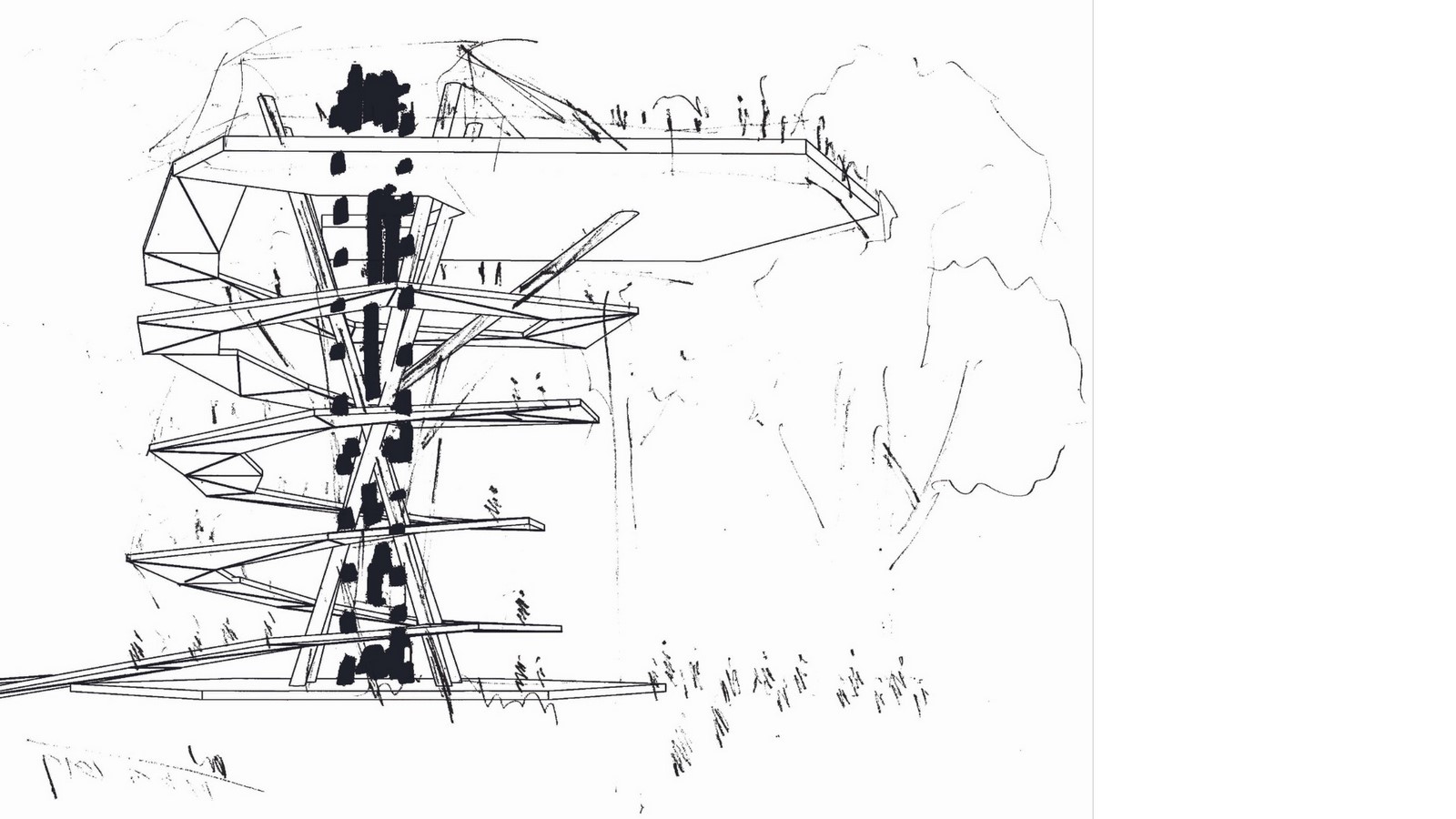
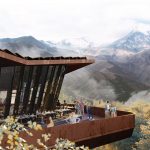
The park occupies a terrain immediately behind the Rooms Hotel, giving it an advantageous position that captures both tourist flow and spectacular views. Spectrum designed it as a comprehensive leisure destination, which incorporates diverse facilities such as a children’s playground, a labyrinth, an amphitheatre, various leisure areas, and a reflecting point. The scheme is crowned by a restaurant with a terrace and panoramic outlooks, which enable visitors to directly engage with the breathtaking Kazbegi landscape.
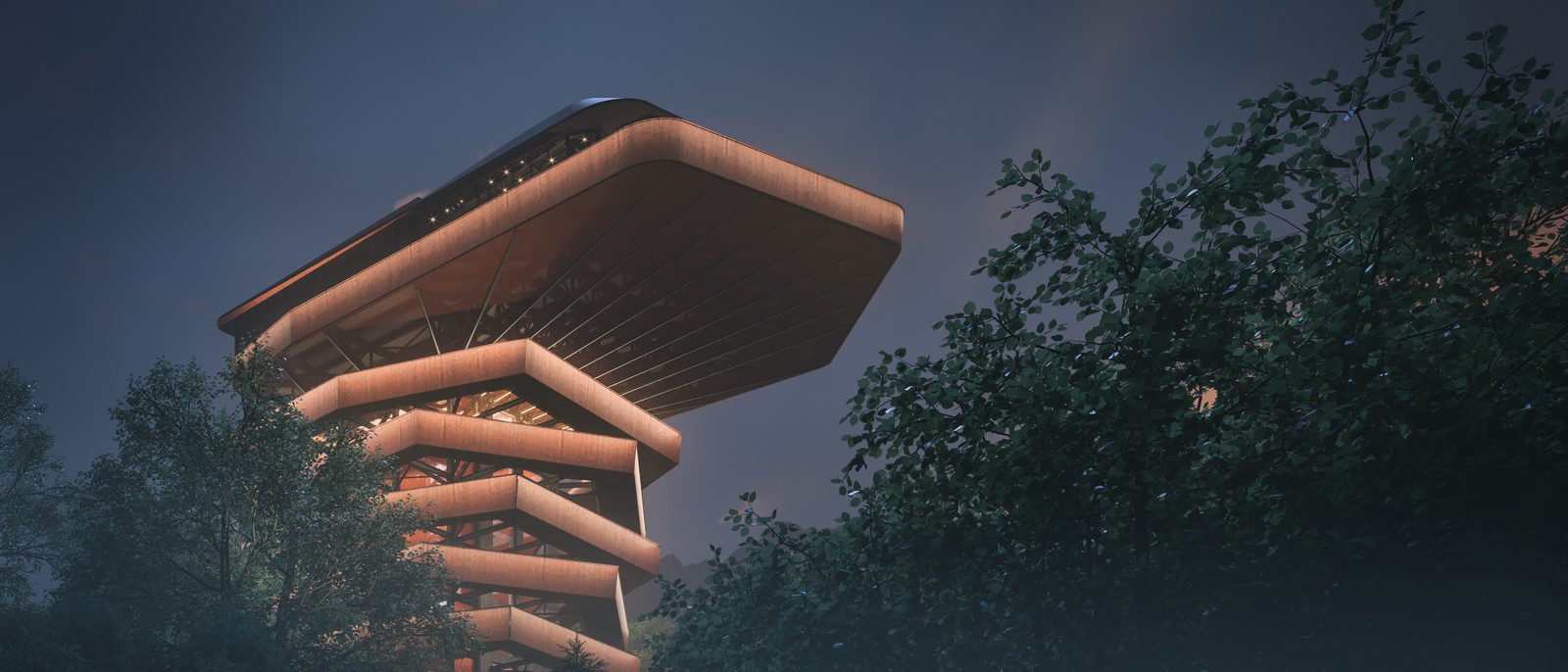
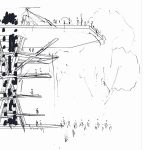
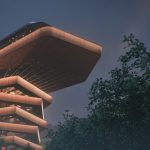
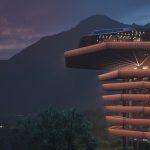
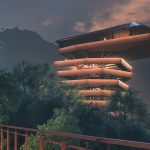
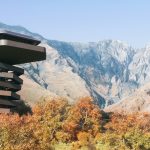
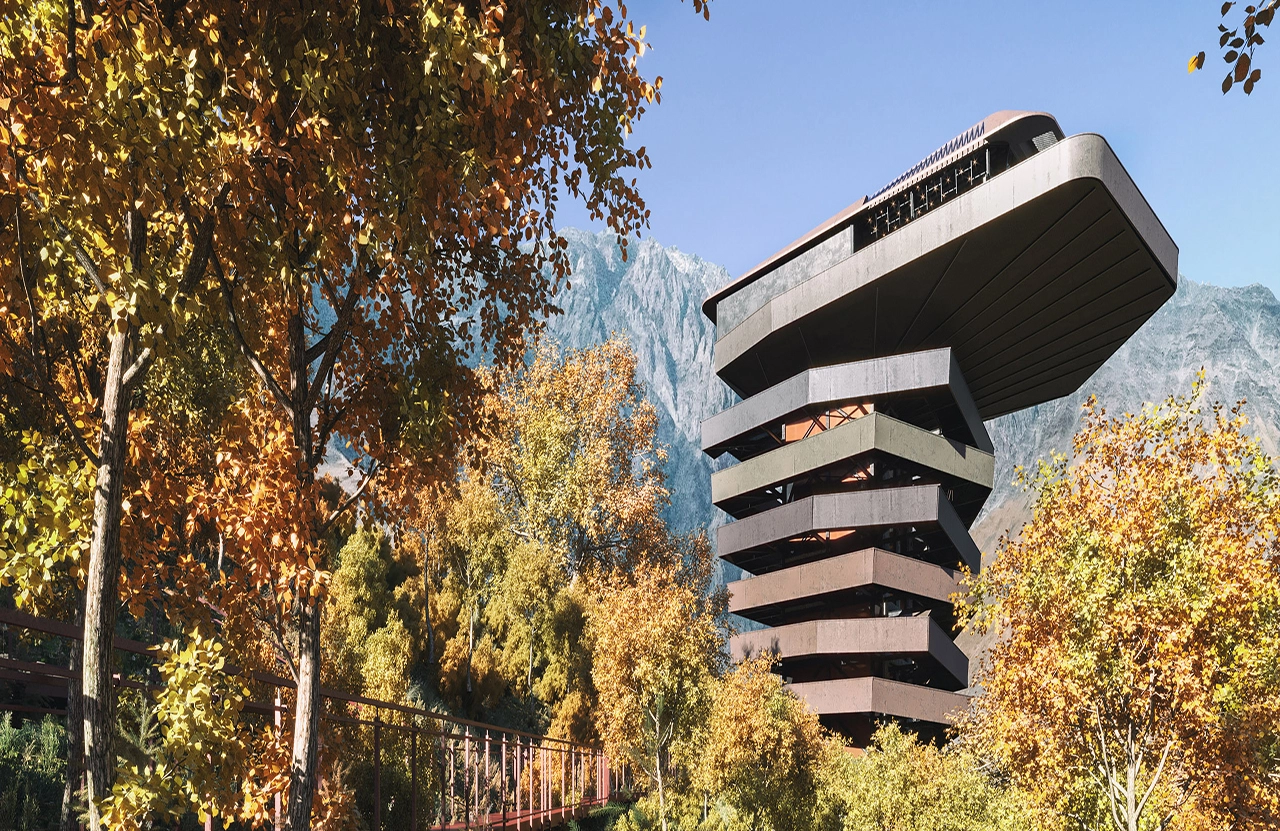
At the physical and conceptual core of the park stands the Belvedere. This 33-metre-high steel structure functions both practically and symbolically, anchoring the park’s spatial organisation and serving as its ideological and visual centre. Spectrum ensured full accessibility, implementing two elevators and a gently graded pedestrian ramp allowing visitors of all mobility levels to reach the summit. The façade is clad with metal panels, and the top floor accommodates an ethnic restaurant with seating for eighty, offering sweeping views of the surrounding mountains. The Belvedere not only acts as a visual anchor but also demonstrates how architecture in challenging climates can be both beautiful and sustainable.
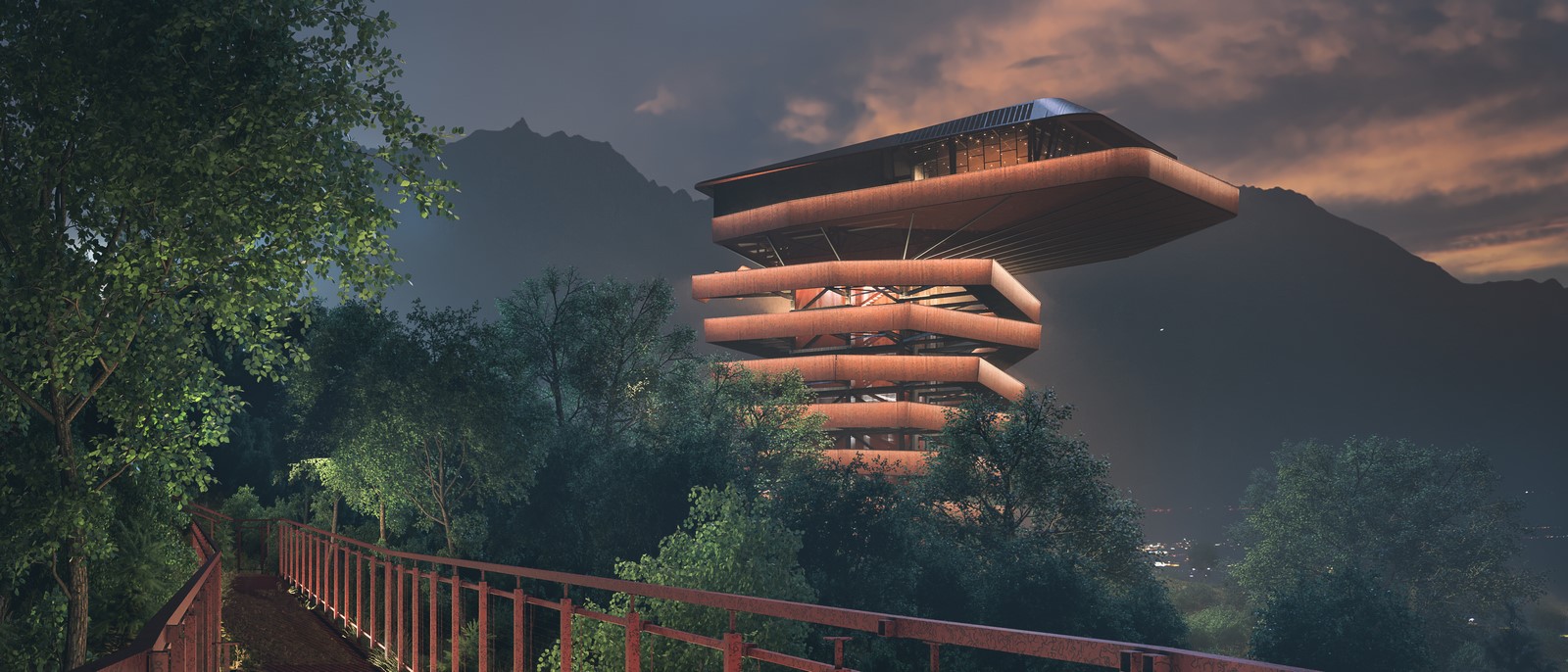
Sustainability underpins the entire development, with Spectrum paying particular attention to Kazbegi’s harsh climatic conditions. The environmental strategy is integrated: eco-friendly materials like specially treated stainless steel, processed wood, natural stone, and concrete were selected for their durability, harmony with the site, and minimal environmental impact.
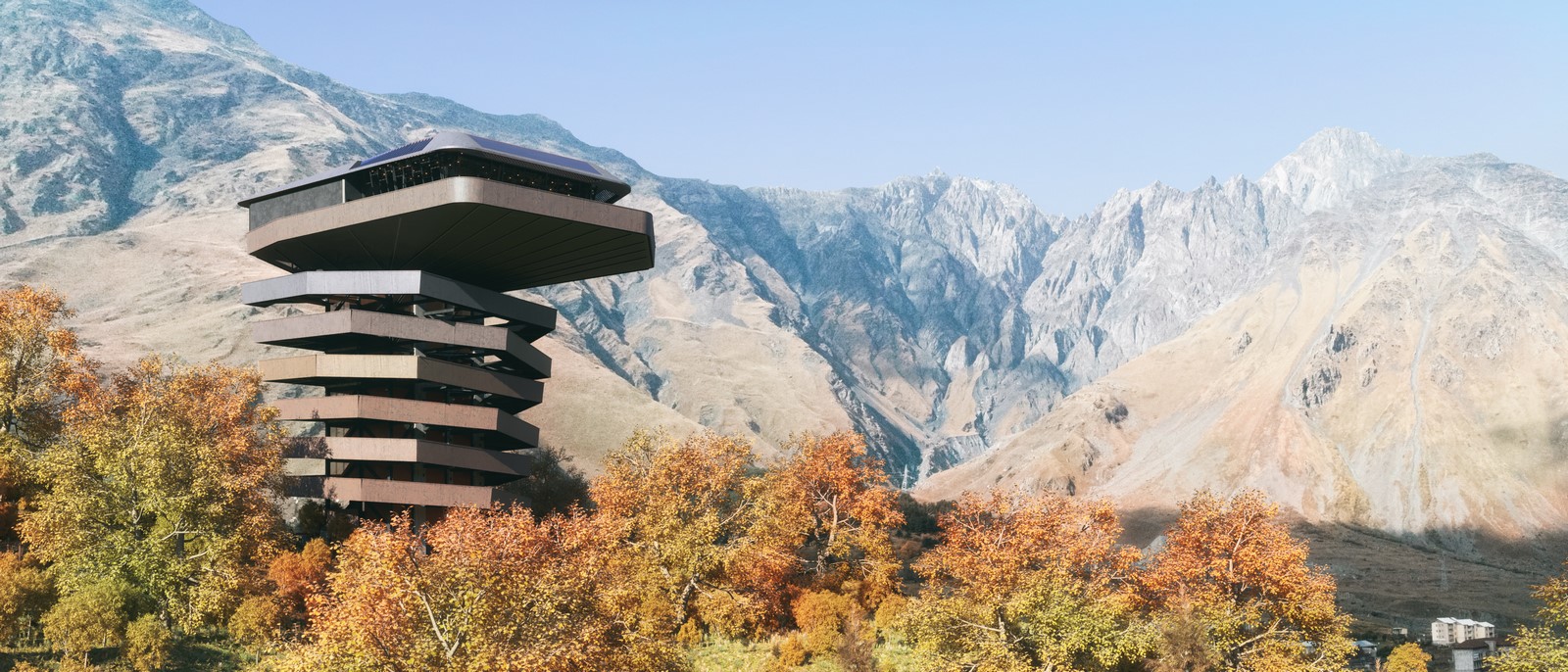
The climate-responsive design incorporates strategies for orientation, shading devices, and thermal measures to reduce energy demand. Furthermore, a pond with natural sediments and an integrated irrigation system optimises water usage, while the park’s layout respects existing topography and vegetation, avoiding unnecessary landscape disturbance.
Despite the challenging regional climate, Elia Park is conceived to function throughout the year. The programme seamlessly adapts to seasonal change, ensuring circulation, comfort, and recreational opportunities remain available in both cold winters and warm summers.
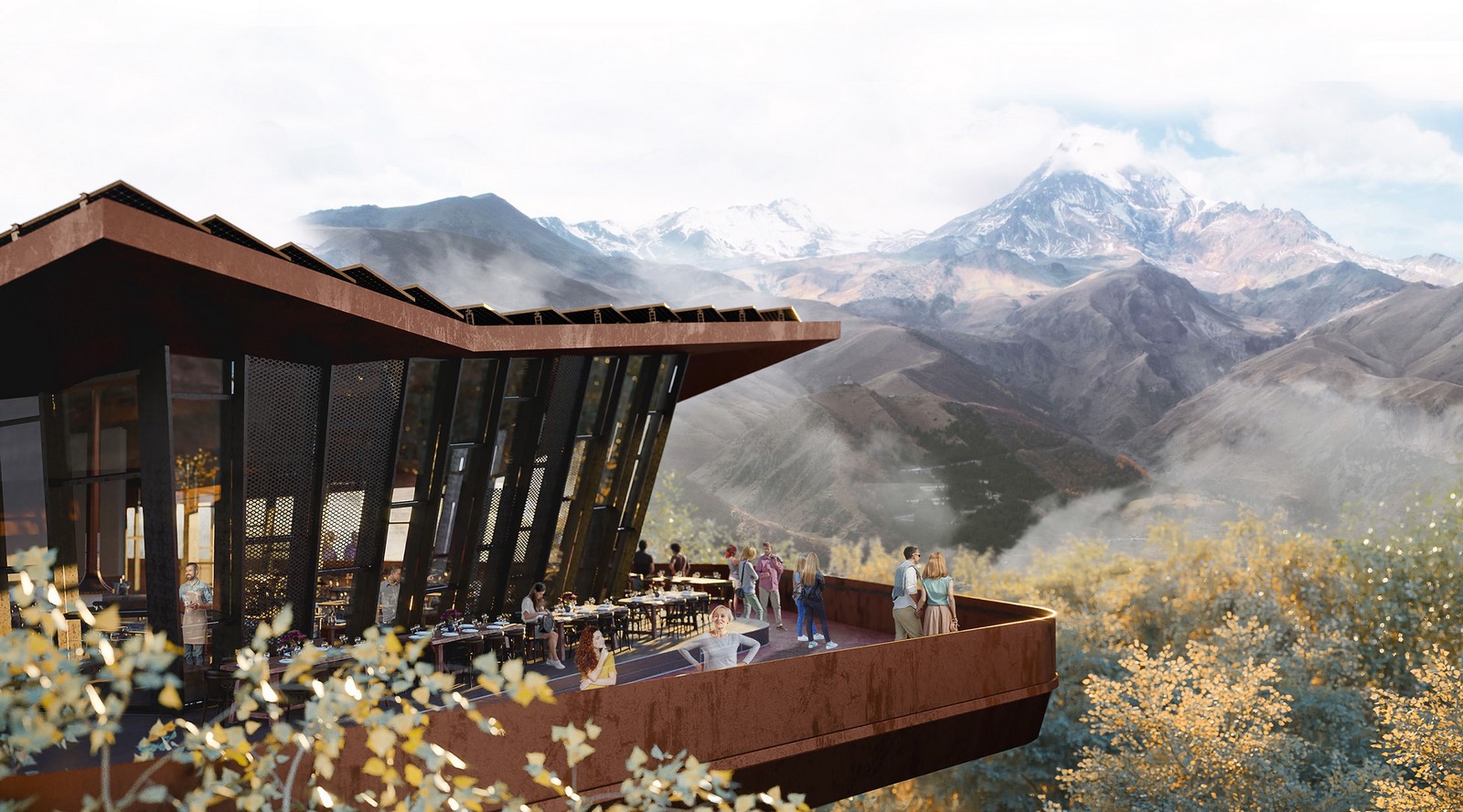
Beyond recreation, Elia Park establishes a new cultural landmark in Kazbegi. The Belvedere’s observation platform draws visitors’ gaze outward and upward, integrating the park into the regional identity. Communal spaces, the amphitheatre for performances, gastronomic facilities, and interactive design features like the labyrinth and reflecting point transform the park into a vibrant place for both social engagement and leisure. Ultimately, Elia Park stands as a compelling example of how a public space can successfully synthesise green architecture, landscape sensitivity, accessibility, and cultural identity.