
In today’s fast-paced construction industry, advanced gas detection systems serve as silent guardians, protecting workers from potentially lethal atmospheric hazards through smart integration with digital controls and automated monitoring.
From real-time alerts to automated emergency responses, these sophisticated systems are revolutionising workplace safety by providing construction teams with powerful tools to prevent accidents, ensure worker protection, and maintain project efficiency.
Choosing and Deploying Monitoring Devices
Selecting the right gas detection equipment is critical in protecting construction workers from invisible but deadly threats. High-quality monitoring devices serve as early warning systems, alerting teams to dangerous gas levels before they become life-threatening.
The proper gas detector placement and configuration can distinguish between a safe worksite and a potential disaster. Setting up these devices requires careful consideration of several key factors.
Here’s what construction managers need to consider:
- Placement location based on gas properties and work areas
- Calibration requirements for specific gas types
- Battery life and power source accessibility
- Alarm settings and response protocols
- Environmental conditions affecting sensor performance
Regular testing helps ensure reliable performance, while proper positioning maximises detection coverage. Training staff on correct usage and emergency procedures strengthens the overall safety strategy.
Daily checks and periodic assessments keep the monitoring system sharp and dependable, giving workers the protection they need in hazardous environments.
Smart Integration with Digital Controls
Modern construction sites are getting smarter with advanced gas detection systems linked to digital building controls. These integrated setups create a dynamic safety network that watches over workers 24/7.
By connecting gas monitors to automated systems, sites can trigger instant responses, such as emergency ventilation or equipment shutdowns, when dangerous gas levels are detected.
The beauty of digital integration lies in its ability to gather and analyse data in real-time. Project managers can track gas level trends, identify problem areas, and make quick decisions to keep their teams safe.
This automated monitoring reduces human error and ensures consistent protection across the construction zone.
Here’s what makes digitally integrated gas detection systems stand out:
- Instant alerts sent directly to mobile devices and control centres
- Automated emergency responses that kick in without human intervention
- Data logging for pattern analysis and safety improvements
- Remote monitoring capabilities for multiple construction zones
The collected data helps shape better safety strategies for future projects. Construction teams can spot recurring issues, adjust ventilation systems, and create more effective emergency response plans.
This approach to gas detection provides site managers with the tools they need to protect their workforce while keeping projects moving forward efficiently.
Regulatory Benchmarks and Compliance
Construction sites need strong gas detection systems to meet safety standards set by regulatory agencies.
These requirements aren’t just paperwork but critical guidelines protecting workers from dangerous gas exposure. Each construction project must follow specific thresholds for monitoring toxic and flammable gases, making reliable detection equipment an essential part of daily operations.
The construction industry faces strict oversight regarding workplace safety, particularly emphasising gas monitoring protocols.
Here’s what companies need to consider for full compliance:
- Regular equipment inspections and documentation
- Staff training on gas detection protocols
- Emergency response procedures
- Maintenance records and calibration logs
- Real-time monitoring systems
Companies that go beyond basic compliance requirements often see better results in the long term. Their commitment to safety helps build a positive reputation in the industry. This proactive approach does not just prevent fines. It creates a culture where safety becomes second nature.
Construction firms prioritising comprehensive gas detection measures often find themselves ahead of competitors, especially when bidding on high-profile projects where safety records matter.
Risks from Oxygen Deficiency
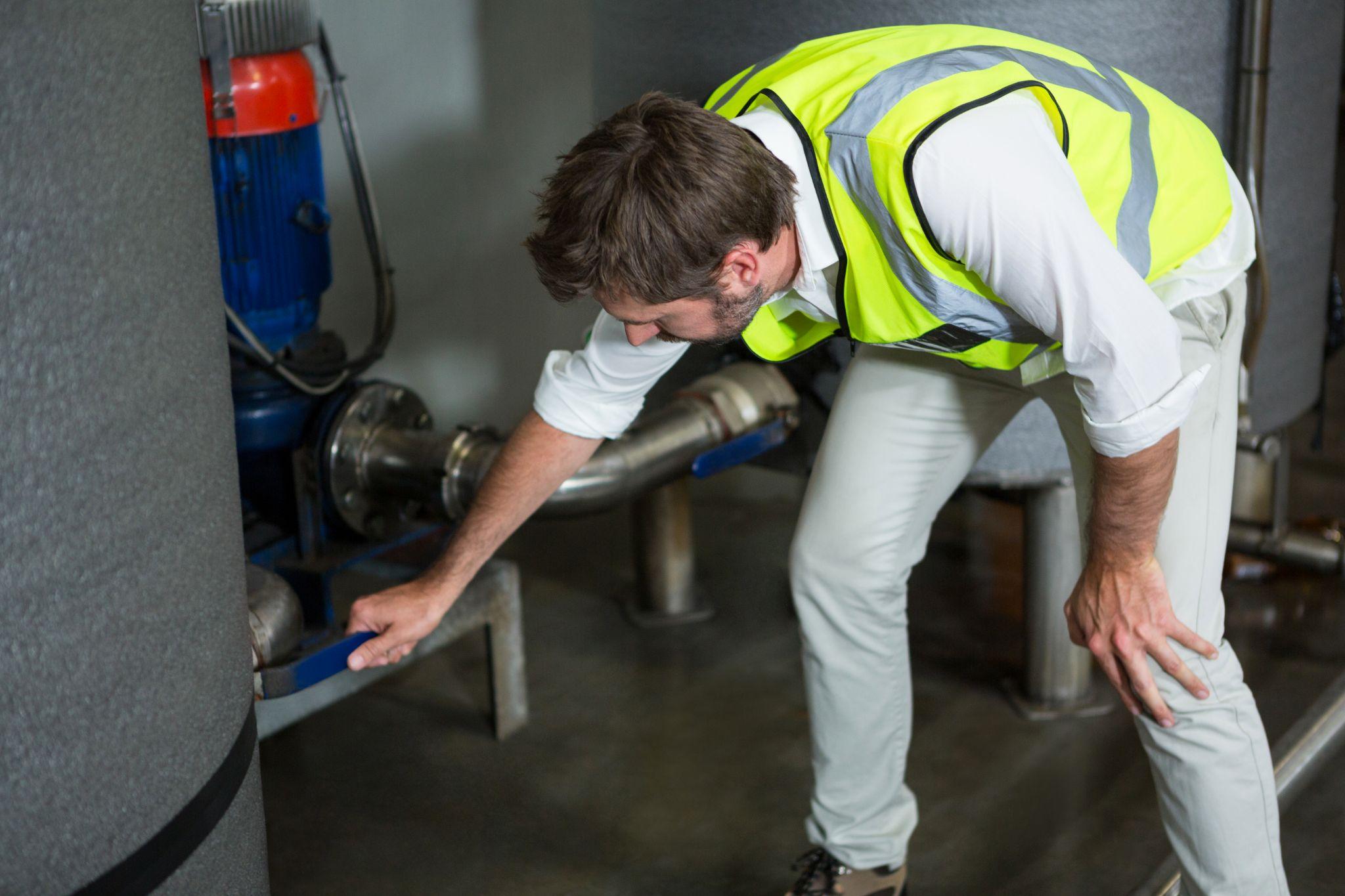 Low oxygen environments seriously threaten construction workers, often striking without warning signs.
The dangers are particularly severe since oxygen levels below 12% can cause rapid unconsciousness. What makes oxygen deficiency especially dangerous is that workers might not notice symptoms until it’s too late, leading to life-threatening situations within seconds.
Construction sites face oxygen depletion risks from various sources. Here are common causes that require constant monitoring:
- Confined spaces with poor ventilation
- Chemical reactions consume oxygen
- Displacement by other gases
- Rusting metal surfaces in enclosed areas
- Decomposing organic matter
Early detection through proper monitoring equipment helps prevent these hazards from becoming fatal. Construction teams must maintain strict safety protocols, including regular oxygen level checks, especially before entering confined spaces.
Daily monitoring and well-maintained detection equipment create a strong defence against oxygen-related accidents.
Workers should also receive training to recognise potential low-oxygen situations and understand the proper emergency response procedures, as quick action can mean the difference between life and death.
Sustaining Protection Through Routine Maintenance
Gas detection systems need consistent care to stay reliable and accurate. Regular maintenance keeps these life-saving devices working at peak performance, helping protect workers from invisible threats.
A well-maintained system provides accurate readings and timely alerts, meaning the difference between safety and disaster on construction sites.
To keep gas detection systems performing effectively, construction teams should focus on these key maintenance tasks:
- Daily bump tests to verify sensor response and alarm function
- Monthly calibration checks using certified gas mixtures
- Quarterly sensor inspections and cleaning
- Immediate replacement of damaged or expired sensors
- Documentation of all maintenance activities and test results
Training plays a vital role in maintenance success. Staff members who understand proper care procedures become more engaged in safety practices. Construction companies that invest in equipment upkeep and employee education create a strong foundation for workplace safety.
Regular maintenance is not just about keeping devices working. It is about building a culture where safety becomes second nature through consistent and careful attention to these essential monitoring tools.
Safety Through Vigilance
Gas detection systems represent a critical lifeline in modern construction, where invisible threats can pose immediate dangers to worker safety.
Through integrating innovative technology, proper maintenance protocols, and strategic deployment of monitoring devices, construction sites can create a robust defence against gas-related hazards.
The evolution of gas detection from simple alarms to comprehensive digital networks demonstrates how far we’ve come in protecting construction workers. It highlights the importance of staying vigilant in the face of atmospheric risks.