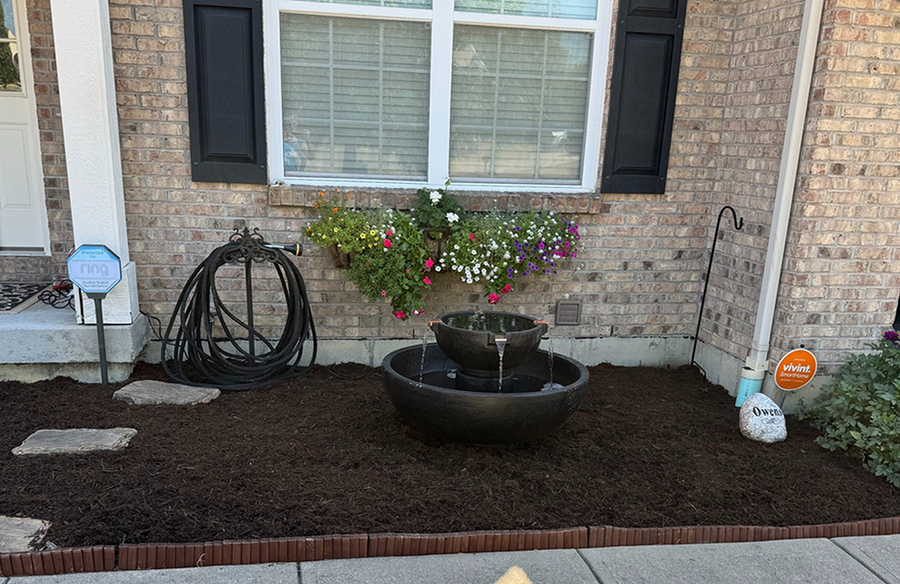
Have you ever dreamed of creating a peaceful outdoor sanctuary that captures beauty and tranquillity? A thoughtfully chosen water feature can transform your garden into a harmonious retreat, serving as the perfect focal point while providing soothing sounds and visual interest.
Whether you’re considering a simple fountain or an elaborate pond, selecting the right water feature involves careful consideration of your space’s unique characteristics, including available square footage, sunlight patterns, and how it will complement your existing landscape elements.
By focusing on sustainable design choices and proper placement, you can create an outdoor oasis that enhances your property’s aesthetic appeal and supports local wildlife while remaining water-efficient and easy to maintain.
Identifying the Ideal Feature for Your Space
Selecting the perfect water feature starts with thoroughly assessing your outdoor space. The key factors to consider include the available square footage, natural sunlight patterns, and the overall layout of your landscape.
Your choice should complement the existing elements while creating a harmonious flow throughout the area. Any garden can become a calming haven with outdoor fountains for peaceful retreats, adding visual appeal and soothing sounds to your space.
Consider these essential factors when choosing your water feature:
- Available space dimensions and shape
- Distance from power sources and water lines
- Local climate conditions and seasonal changes
- Viewing angles from key areas of your property
- Sound requirements for your outdoor space
Creating the right ambience requires careful consideration of scale and proportion. A feature that’s too large can overwhelm a small space, while one that’s too small might get lost in an expansive landscape.
Think about how the water feature will interact with existing plantings and hardscape elements to create a cohesive outdoor environment.
Assessing Water Efficiency and Environmental Impact
Summer months bring heightened water consumption, with water use surges putting extra strain on local supply systems. That is why choosing water-efficient features is suitable for your wallet and essential for environmental sustainability.
Design choices help create beautiful outdoor spaces while being mindful of resource consumption. Recirculating water features offer an excellent balance between beauty and practicality.
These systems help minimise water waste while creating stunning focal points in your landscape. The right feature can transform your outdoor space into a sustainable oasis that supports local wildlife and helps manage stormwater runoff.
Here’s what makes recirculating water features environmentally friendly:
- Continuous water reuse reduces overall consumption
- Creates natural habitats for birds and beneficial insects
- Helps with stormwater management
- Provides natural cooling effects
- Reduces noise pollution from nearby traffic or neighbours
By incorporating native plants around your water feature, you’ll create a more resilient ecosystem that requires less maintenance and supports local biodiversity. These thoughtful additions can help reduce water evaporation and create natural filtration systems, making your water feature more efficient and easier to maintain.
Selecting Materials, Style, and Durability
The success of your outdoor water feature depends on choosing materials that can withstand your local climate. Each region presents unique challenges, from harsh winters to intense sun exposure, that affect your feature’s performance.
Weather-resistant materials such as copper, stone and high-grade concrete are excellent for lasting durability. Creating a cohesive look means aligning your water feature with your home’s architectural elements.
Modern homes pair well with sleek geometric fountains, while traditional homes complement classic tiered designs. Finding the balance between personal taste and your property’s character is essential.
Essential factors to consider
- Check climate adaptability, including freeze-thaw performance and UV resistance
- Prioritise material durability with options that resist corrosion
- Match the fountain to your home’s architectural style
- Choose solid construction with professional-grade seals and joints
- Consider long-term maintenance and the ease of repairs
Material choices now can save you from headaches later. For example, a well-built stone fountain might cost more initially but often outlasts cheaper alternatives. Quality materials tend to age gracefully, developing character while maintaining structural integrity.
Factoring in Maintenance and Budget
 The upkeep needs of water features can vary significantly, directly affecting your time investment and costs. Ponds demand regular maintenance with frequent cleaning, pump checks, and water quality monitoring.
In contrast, simpler features like rock bubblers need minimal attention, making them perfect for busy homeowners.
Before installing your water feature, creating a comprehensive budget that includes initial and ongoing expenses is smart. Here’s what you’ll need to consider:
- Installation costs, including materials, labour, and landscaping adjustments
- Monthly utility expenses for water and electricity
- Seasonal maintenance supplies and equipment
- Professional service fees for complex repairs
- Replacement parts and potential upgrades
Choosing sustainable materials and energy-efficient equipment can help reduce your long-term costs. For instance, solar-powered pumps can cut electricity bills, while high-quality materials resist wear and tear better than cheaper alternatives.
Investing in quality components upfront often leads to fewer repairs and replacements, saving money over time. Proper winterisation and regular check-ups can also extend your water feature’s lifespan and maintain its beauty year after year.
Enhancing Aesthetics with Placement and Complementary Elements
The placement of your water feature plays a vital role in creating a captivating outdoor space. Strategic positioning helps maximise visual appeal while ensuring safe and easy maintenance access.
Consider natural microclimates within your garden, as areas with partial shade can reduce water evaporation and algae growth, making them ideal spots for water features.
A thoughtfully placed water feature needs complementary elements to shine truly. Here’s what you can add to create a more engaging and harmonious landscape:
- Natural stone pathways that lead visitors to viewing spots
- Energy-efficient LED lighting to highlight water movement at night
- Native plants that complement the water feature’s style
- Seating areas positioned to enjoy the soothing sounds
- Weather-resistant artwork or sculptures that match the theme
The right mix of plants can transform your water feature into a thriving ecosystem. Choose moisture-loving varieties near splash zones and drought-resistant options for outer edges. Consider incorporating grasses that sway with breezes, creating a dynamic interplay with the water’s movement.
This thoughtful combination of elements ensures your water feature becomes a natural focal point that draws people in while supporting local wildlife and maintaining soil stability.
Bring Your Garden to Life with Water
Creating an outdoor water feature is more than choosing a decorative element. It is about crafting a sustainable and harmonious environment that enhances your outdoor living space whilst being mindful of resource use.
Success comes from thoughtful planning, from assessing your space and climate to selecting materials that will stand the test of time.
Your water feature can become a dynamic focal point that adds beauty, supports local wildlife and creates a peaceful sanctuary, making the investment in sound design and quality materials worthwhile.