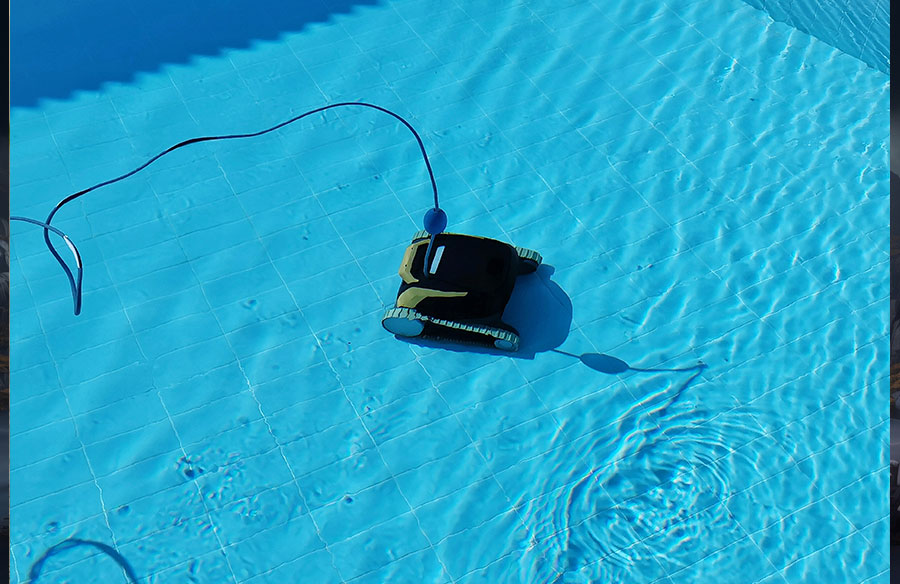
For many homeowners, a swimming pool is a symbol of relaxation and luxury. However, the upkeep often tells a different story—hours spent skimming debris, vacuuming the floor, and balancing chemicals can quickly turn leisure into labor. This is where self-cleaning pool systems come in. Marketed as a set-and-forget solution, these systems promise sparkling water with minimal effort. But do they live up to the hype, and are they worth the cost? Let’s break it down.
How Self-Cleaning Systems Work
A self-cleaning pool system is typically built directly into the pool’s structure. It consists of strategically placed in-floor nozzles that pop up at scheduled intervals, pushing water toward a main drain. This circulation sweeps dirt and debris into a collection area, often a specialized filtration canister. By targeting both the surface and floor, the system keeps water moving, reduces “dead spots” where algae can grow, and minimizes the need for manual vacuuming.
Benefits Beyond Cleanliness
The obvious advantage is convenience—you spend less time cleaning and more time swimming. But there’s more to consider. These systems also improve water circulation, which can help maintain consistent chemical distribution and temperature. Enhanced circulation reduces the likelihood of cloudy water or uneven heating in pools with integrated heaters. Over time, this can contribute to a healthier swimming environment and potentially extend the lifespan of your pool’s plaster or finish.
The Investment Factor
Installing a self-cleaning system is not a small expense. If you’re building a new pool, expect to pay several thousand dollars extra for integration. Retrofitting an existing pool can be more complex and costly, sometimes involving significant resurfacing work. That said, homeowners who hire regular pool service companies may find that reduced cleaning time offsets some of the upfront cost over the years.
Possible Drawbacks to Weigh
While appealing, self-cleaning systems aren’t a magic bullet. They won’t eliminate every bit of debris—leaves blown in during a storm or stubborn algae growth may still require manual attention. Maintenance on the system itself is another factor; pop-up nozzles, valves, or the control module can wear out and need repairs. Additionally, these systems consume energy, so there may be a small increase in your utility bills compared to a standard pool without in-floor cleaning.
Who Benefits Most
Self-cleaning pool systems tend to be most valuable for homeowners with large pools, pools in areas with frequent dust or fine debris, or those who travel often and can’t maintain their pool regularly. They also appeal to those who want a visually unobstructed pool—since the cleaning components are built-in, there’s no need for visible hoses or robotic cleaners sitting in the water.
Environmental Considerations
For eco-conscious homeowners, there’s also the question of environmental impact. On one hand, improved water circulation can mean fewer chemical treatments, reducing the release of chlorinated water into the environment. On the other hand, the system’s increased energy use can offset some of those benefits. Choosing an energy-efficient pump or pairing the system with solar power can help strike a better balance between convenience and sustainability.
Balancing Cost and Convenience
The decision comes down to priorities. If convenience, aesthetics, and consistent water quality are high on your list, the investment may be well worth it. However, if your pool is small, easy to maintain, or you don’t mind occasional manual cleaning, you might find the cost harder to justify. Weighing the long-term savings on maintenance against the initial expense will help clarify the choice.
When the Investment Truly Pays Off
Self-cleaning pool systems deliver on their promise of reduced upkeep and improved circulation, but they’re not entirely maintenance-free. They shine in specific scenarios—busy homeowners, large or debris-prone pools, and those seeking a cleaner, sleeker look. Before committing, it’s wise to compare installation quotes, factor in ongoing maintenance, and honestly assess how much you value your time and convenience. If you are looking for help with pool designs in Charlotte, there are contractors that can help. For the right pool owner, they can be a smart investment; for others, traditional cleaning methods might remain the more economical route.