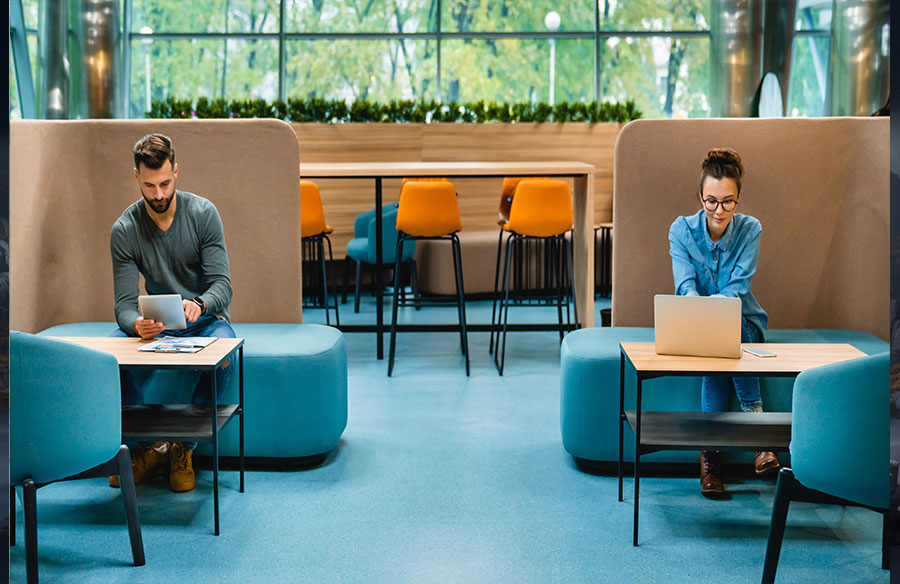
The workplace has always reflected broader cultural, economic, and technological trends. From the rise of industrial factories to the open-plan offices of the 20th century and today’s hybrid environments, design and work culture continue to evolve together. As companies explore how to attract and retain talent, one key factor is shaping decisions beyond aesthetics: employee benefits.
Forward-thinking organizations now recognize that benefits programs are not just HR policies but critical elements that shape the built environment, workplace design, and organizational culture.
Changing Expectations of the Workforce
Employees today expect more from their employers than a paycheck. According to the U.S. Bureau of Labor Statistics, benefits such as health insurance, retirement plans, and paid leave account for nearly 30 percent of total compensation. Younger generations entering the workforce are particularly focused on wellness, work-life balance, and flexible arrangements.
Architects and designers must take these expectations into account. A workplace designed to support wellness might include quiet zones, fitness areas, or access to outdoor green space. But these physical features must be supported by robust benefit programs to ensure that design investments translate into meaningful employee experiences.
The Role of Employee Benefits in Workplace Design
A growing number of companies link workplace design strategies directly to employee benefits. Health and wellness programs, for example, are reinforced by environments that encourage physical activity, relaxation, and social interaction. Educational benefits can be supported through collaborative spaces or areas designed for professional development.
In large metropolitan areas, tailored programs help companies compete for talent. For example, businesses exploring employee benefits in Los Angeles can combine comprehensive health and wellness packages with design features that reduce commute stress, such as on-site childcare or flexible coworking hubs. By aligning benefits with the physical environment, organizations create holistic strategies that improve both satisfaction and retention.
Research and Academic Insights
Universities have been exploring the relationship between workplace design and well-being for years. The Cornell University College of Human Ecology has conducted research on ergonomics and human-centered design, offering valuable insights into how office layouts impact physical and mental health. These findings reinforce the idea that benefits such as ergonomic support or preventive health programs are amplified when paired with thoughtful design choices.
Similarly, studies from the National Institutes of Health highlight the importance of workplace wellness programs in reducing stress and improving employee outcomes. Architects, designers, and HR professionals are increasingly collaborating to translate this research into built environments that actively support organizational goals.
Government Influence on Workplace Benefits
Public policy also plays a significant role in shaping how companies design both their benefits programs and workplaces. The U.S. Department of Labor establishes minimum standards for benefits such as retirement security and healthcare coverage, ensuring a baseline of protection for workers. These regulations often influence design indirectly, as compliance can affect everything from space allocation to accessibility requirements.
In cities like Los Angeles, local policies encouraging sustainability and wellness also intersect with benefit programs. Employers that adopt eco-friendly building designs often pair them with commuter benefits, bicycle support programs, or public transportation subsidies, all of which connect to broader policy goals.
Technology and the Hybrid Work Model
The rise of hybrid and remote work models has redefined what it means to design for employee well-being. While office space remains important, many employees now expect flexible arrangements supported by strong benefit packages. Companies must balance investments in physical workspaces with policies that extend benefits beyond the office walls.
Research from the Massachusetts Institute of Technology Sloan School of Management suggests that flexibility and autonomy are increasingly valued by workers and play a significant role in long-term retention. Designing workplaces that can adapt to hybrid schedules, while providing benefits that support remote workers, has become an essential part of future-proofing organizations.
The Intersection of Sustainability and Employee Well-being
Sustainable design has long been a priority for architects, but it also intersects with benefits in important ways. For example, wellness benefits such as access to fresh food, clean air, and natural light are inherently linked to sustainable building practices. Programs that incentivize healthy lifestyles are complemented by environments that reduce pollutants and provide restorative spaces.
The U.S. Green Building Council, through its LEED certification program, highlights the connection between sustainable design and human health. As companies integrate employee benefits with sustainable workplace design, they not only improve staff well-being but also meet corporate social responsibility goals.
Preparing for the Future
The future of workplace design will not be determined solely by architecture or benefits policies in isolation. Instead, it will be defined by how effectively organizations integrate these two elements to create comprehensive systems of support. Forward-thinking companies are already leveraging benefits such as wellness programs, flexible schedules, and financial planning services to shape environments that align with employee needs.
This integration will be particularly important in competitive markets like Los Angeles, where talent retention depends on more than salary. By combining meaningful benefit programs with thoughtfully designed workspaces, businesses can foster resilience, loyalty, and innovation in their workforce.