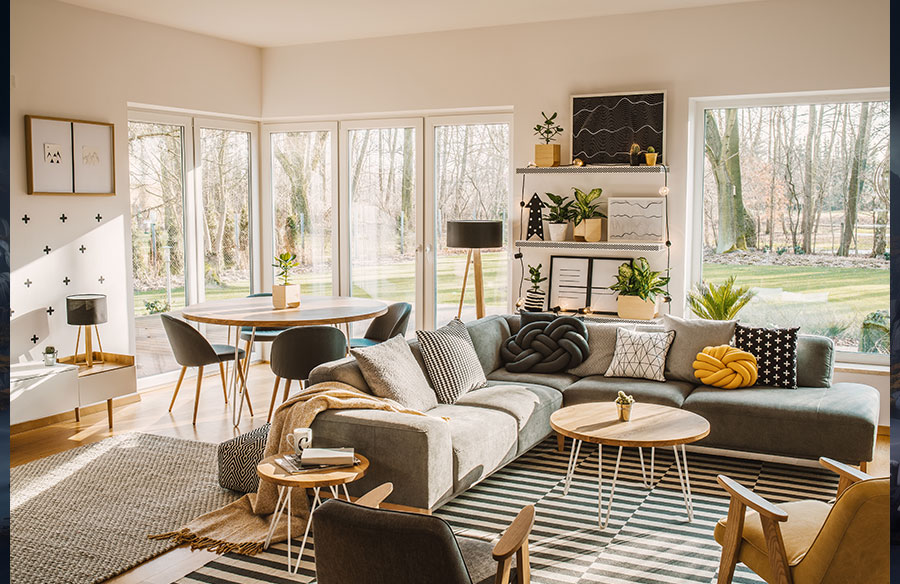
An open-concept living room can completely change your home. It makes rooms feel bigger, breaks down barriers between areas, and allows light to flow freely. But to make the most of it, you need more than just knocking down walls. Each detail plays a role, from layout planning to color choices. If you are renovating, working with effective contractor management can help you bring your vision to life without unnecessary delays.
This guide will give you clear, practical ideas for creating a bright and airy open-concept living area.
Why Choose an Open-Concept Living Room?
Open-concept spaces are famous for a reason. They create a sense of freedom and promote connections between different regions of the home. Without walls to divide the space, it is easier to interact with family and guests while cooking, working, or relaxing.
An open plan also makes smaller homes seem larger than they are. You receive more natural light, more flexibility with furniture placement, and a modern design that many homes enjoy.
The advantages of an open-concept design include:
- Improved light flow across rooms.
- A sense of space and connection.
- Move more easily between places.
Plan the Layout Flow
A beautiful open environment should not only be eye-catching but also easy to access. Consider how you and your family use the space every day. You want to create sections that suit their purpose while not making the space feel tight.
Start by determining the primary tasks that will occur in each section. This will help you decide where to place furniture, dining places, and pathways. Keep corridors free so that the space feels airy and uncluttered.
Practical layout tips:
- Place the dining area between the kitchen and living room for smooth transitions.
- Arrange sofas and chairs to encourage conversation.
- Avoid blocking natural walking paths with large furniture pieces.
Maximize Natural Lighting
One of the most important features that creates a sense of brightness and welcoming in an open space is light. Since there are no walls to obstruct windows, sunlight can fill the space throughout. Even so, you can do things to maximize the impact.
Select window treatments that let sunlight filter in with some degree of privacy. Utilize reflective materials and light hues to reflect the sunlight around the room. Even mirrors’ positioning can make an enormous impact.
Ideas to bring in more light:
- Install large windows or sliding glass doors.
- Use sheer curtains instead of heavy drapes.
- Place mirrors opposite windows to reflect light.
Use Furniture to Define Spaces
An open floor design does not imply that everything flows together without order. Furniture can be used to define natural boundaries without completely blocking off an area. By strategically placing items, you may create living, dining, and working zones.
This method maintains the airy feel while providing each part its own purpose. It also makes decorating easier by allowing you to select specific styles or colors for each zone.
Ways to separate spaces:
- Position a sofa to act as a divider between living and dining areas.
- Use area rugs to define different zones.
- Add open shelving to provide separation without blocking light.
Keep the Color Palette Light
Colors have a huge impact on how open a room feels. Light shades make spaces seem bigger and more airy, while dark tones can make them feel smaller. In open layouts, a unified color palette helps tie the space together.
This doesn’t mean you can’t add color. You can introduce accents through cushions, art, and décor, but keep the base light and neutral. This way, your space stays bright while still reflecting your style.
Best color tips for open spaces:
- Use whites, creams, or light grays as main colors.
- Add small pops of color in décor or textiles.
- Limit the palette to two or three main colors for harmony.
Choose the Right Furniture Size
Even a huge open room can feel crowded if the furniture is not properly arranged. Oversized things can block sight lines and make it difficult to move about. Choosing the proper scale guarantees that everything remains balanced and functioning.
Before purchasing, measure the space and evaluate how each item will fit. In open design, furniture frequently acts as a focal point, so select items that look beneficial from each angle.
Furniture selection tips:
- Pick low-profile sofas and chairs.
- Avoid bulky cabinets or oversized tables.
- Leave enough space between pieces for easy movement.
Keep It Clutter-Free
Clutter stands out more in open spaces because there are fewer walls to hide it. A clean, organized room feels more spacious and inviting. The trick is to build storage into your design so it’s easy to keep things tidy.
Hidden storage solutions, multi-purpose furniture, and regular decluttering help maintain that fresh, airy feel. This also makes cleaning quicker and less stressful.
Clutter control ideas:
- Use storage ottomans or benches with hidden compartments.
- Keep counters and tables mostly clear.
- Regularly donate or store items you don’t use often.
Balance Open and Cozy Spaces
While open spaces are great for light and flow, you also want them to feel comfortable. Too much openness can sometimes feel empty or cold. Adding layers and textures makes the space more welcoming.
Consider how to add coziness without making the space feel cramped. Soft materials, warm lighting, and natural elements all help create a cozy atmosphere.
Ways to make an open space feel homey:
- Add rugs, throws, and cushions for texture.
- Use plants to bring life into space.
- Include warm-toned lighting for a softer glow.
Coordinate the Flooring
Flooring plays a big role in connecting different zones of an open layout. The space feels cohesive when the flooring is the same throughout. It also produces a smooth visual transition between spaces.
If you want to define certain zones without changing flooring, rugs are the best option. They add comfort and style without breaking the openness.
Flooring tips for open layouts:
- Choose one consistent flooring type for all main areas.
- Avoid mixing too many patterns or textures.
- Use rugs to define dining or living areas.
Final Thoughts
An open-concept living room can change the way you interact with your house. With the right layout, lighting, colors, and furniture, you can create an area that is both bright and pleasant. The idea is to find a balance between freedom and comfort, making the area both useful and friendly.
Planning is essential for important renovation projects. Working with eligible contractor management guarantees that your ideas are implemented smoothly, with less stress and better results. Your open-concept living room can serve as the heart of your home for many years to come with design decisions.