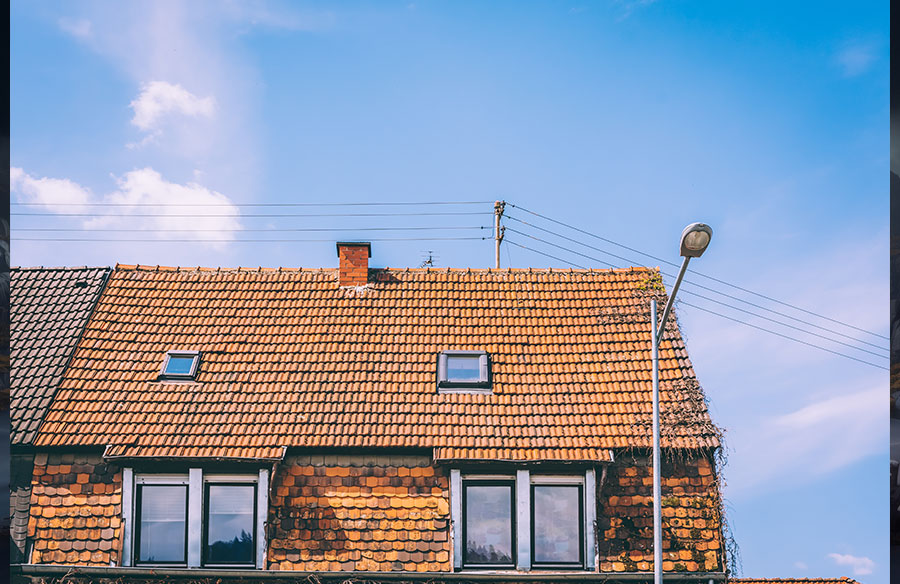
Your roof is one of the most important parts of your home, and for a variety of reasons. It shields you from rain, snow, sun, and wind while helping to regulate indoor comfort. Yet, because it’s out of sight, it’s easy to forget about it until something goes wrong. By the time leaks or damage are obvious inside your home, repairs can already be expensive.
That’s just one reason why regular roof inspections are critical. But how often should you inspect your roof, and what should those inspections include?
Why Regular Inspections Matter
Many homeowners put off roof inspections until there’s a problem, but preventative care saves money and stress. Regular inspections catch minor issues before they turn into major repairs, extend the overall lifespan of your roof, protect your home from leaks and water damage, and support warranty requirements (many roofing warranties require documented inspections).
Think of inspections as routine health check-ups for your home. Just as early detection prevents bigger medical problems, roof inspections prevent costly surprises.
The General Rule of Thumb
Most roofing professionals recommend inspecting your roof at least twice a year: once in the spring and again in the fall. These seasons are ideal because they follow weather extremes and prepare you for the next round. Spring inspections help uncover any damage left behind by harsh winter conditions like ice, snow, and wind. Fall inspections ensure your roof is ready to handle heavy rains, falling leaves, and cold weather ahead.
That said, “twice a year” is a guideline, and not a hard rule. Several factors, such as the age of your roof, the materials used, and the local climate, can affect how often inspections should happen.
After Severe Weather Events
Even if you keep up with seasonal inspections, it’s wise to check your roof after major weather events. Storms with strong winds, hail, or heavy snow can damage shingles, flashing, and gutters. Hail, in particular, can bruise or crack roofing materials in ways that aren’t always obvious from the ground.
After a storm, walk around your property and look for missing shingles, bent gutters, or debris that may have fallen onto the roof. If you see signs of damage (or even if you’re unsure), schedule a professional inspection promptly. Catching storm-related problems quickly often makes the difference between a simple repair and a major replacement.
Consider the Age of Your Roof
Roofs have a finite lifespan. Most asphalt shingle roofs last about 20 to 25 years, while materials like tile, slate, or metal can last longer. As your roof ages, inspections become even more important.
A roof in its first decade may only need basic twice-a-year checks, while one approaching the end of its lifespan should be inspected more frequently. Annual professional inspections, combined with your own visual checks, can help extend the life of an older roof and give you time to plan for replacement.
DIY Inspections vs. Professional Inspections
Homeowners can perform basic visual checks safely from the ground or by using binoculars. Look for missing, cracked, or curling shingles, sagging areas, moss or algae growth, and/or debris buildup. Checking gutters and downspouts for shingle granules can also provide clues about wear.
That said, professional inspections go much further. Roofing contractors are trained to identify subtle issues, such as loose flashing or weakened underlayment, that aren’t visible to the untrained eye. They can also safely access the roof itself, reducing your risk of injury. A balanced approach, including DIY spot-checks between professional visits, offers the best protection.
Tailoring Inspection Frequency to Your Climate
Where you live also influences how often you should check your roof.
For example:
- Harsh winters. Homes in snowy regions benefit from post-winter inspections to check for ice dam damage, cracked shingles, or stress from heavy snow loads.
- Hot, sunny climates. Intense UV rays and heat can cause shingles to warp or fade. Inspections twice a year plus occasional mid-summer checks may be worthwhile.
- Coastal areas. Salt air and high humidity accelerate roof wear. More frequent inspections, like every three to four months, may be recommended near the ocean.
- Storm-prone regions. If your area experiences frequent storms or hurricanes, you’ll need to add post-storm inspections to your routine.
Signs It’s Time for an Inspection Now
Even if you’re not due for a scheduled inspection, certain warning signs should prompt an immediate check. These include water stains on ceilings or walls, higher-than-normal energy bills (often caused by poor insulation or leaks), missing or damaged shingles visible from the ground, granules accumulating in gutters, and mold, mildew, or moss growth on shingles.
The Bottom Line
In general, aim to inspect your roof at least twice a year and after any severe weather event, but also factor in the age of your roof and your local climate to determine whether more frequent checks are needed. For most homeowners, combining simple DIY spot-checks with professional inspections gives you the best chance of keeping your roof in top condition.