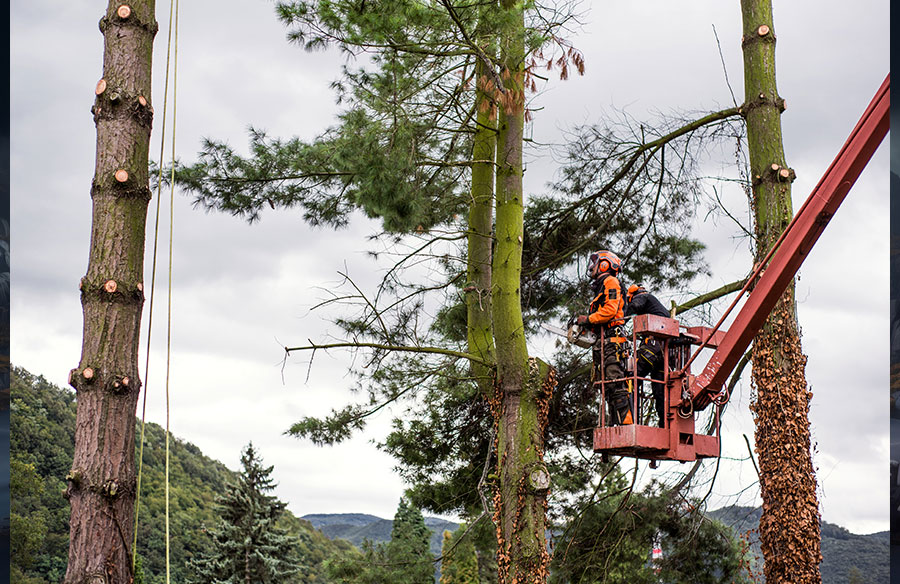
Seattle remodels often face a silent obstacle—trees. On tight city lots with decades-old root systems, they can halt excavation, delay permits, and complicate deliveries before the first footing is poured. Seattle’s strict tree-protection rules make last-minute removal both costly and slow, yet early evaluation can turn potential setbacks into predictable, well-coordinated steps that support the project timeline.
Storm damage, root rot, and unstable crowns can derail a remodel faster than bad weather. Proactive assessment and, when needed, removal help prevent structural conflicts while protecting crews, budgets, and schedules. Understanding a tree’s risks before construction begins keeps progress steady from initial grading to final finish work.
Preventing Structural Complications During Site Work
A single root can split a footing before a builder notices. On narrow urban parcels, roots and overhanging crowns often sit within the trench zone or above planned slabs, forcing redesigns and utility reroutes. Certified arborists map root zones, estimate lateral spread, and identify species prone to aggressive rooting, which prevents on-site miscalculations and costly foundation fixes.
For construction and remodeling projects requiring tree removal Seattle builders and homeowners rely on, such as removal, pruning, or site clearance, scheduling the work alongside utility locates and debris hauling to align with excavation keeps crews moving. Clear chains of communication — GC, arborist, utility crew — limit idle days and avoid last-minute orders for specialty equipment. Booking a certified arborist’s root and canopy survey about three weeks before excavation works well.
Reducing Construction Delays from Unexpected Hazards
Unstable or diseased trees can stop work instantly, forcing safety holds and costly downtime. Leaning trunks or rotted cores threaten scaffolding, crane lifts, and trench crews. Identifying these risks during preconstruction allows teams to remove hazards deliberately rather than urgently, avoiding expensive emergency responses and inspection delays.
Pairing removal with planned hauling keeps the site clear for the next stage. Allocating roll-off containers, reserving curb space, and cutting debris to truck size streamlines turnover. When debris management is integrated with the removal schedule, crews stay productive and projects maintain momentum without surprise bottlenecks.
Improving Access for Heavy Equipment and Material Delivery
A delivery truck squeezing past a maple crown on a narrow lane shows how trees alter logistics. Large vehicles need turning radius, overhead clearance and unpaved staging near foundations; low limbs can snag slings, while hidden roots make temporary pads unstable. When access isn’t tested on paper, cranes and flatbeds sit idle, crews wait and rental charges climb.
Mapping vehicle paths, flagging ten- to fourteen-foot clearances and noting root masses near driveways gives teams actionable plans. Permits for curb space, short-term pavement protection and assigned drop zones prevent double-handling. Marking twelve-foot access lanes and reserving nearby curb space for a thirty-foot flatbed often prevents last-minute workbacks and eases deliveries.
Protecting New Installations from Immediate Damage
Sap-slick streaks on freshly finished siding and patio heave from hidden roots are common post-remodel headaches. Trees too near foundations can lift slabs, clog drainage, and abrade roofs; overhangs drop limbs onto new HVAC units. Removing invasive roots and pruning persistent crowns preserves patios, footings and rooftop equipment and helps their longer-term performance.
Partial shade cuts solar output and speeds soiling; leaf drip increases gutter clogs that back up envelopes and rot fascia. A pre-install sun-path check with seasonal canopy growth projection clarifies placement and trimming needs. A useful target: a ten-foot cleared radius around ground arrays and three-foot rooftop limb clearance offers fewer call-backs.
Meeting Local Regulations and Avoiding Penalties
Seattle’s construction rules assign protected status to certain trees based on size, species, health, or public value. When a tree qualifies as “exceptional,” removal requires additional documentation, including a site plan, certified arborist report, and a mitigation strategy. These requirements can influence both the permit process and project sequencing.
Submitting tree-related materials at least six weeks before demolition helps keep inspections aligned with excavation and minimizes disruption. When tree removal is integrated early in the planning process, it reduces the chance of permitting delays, last-minute changes, and work stoppages. Taking this step upfront helps keep remodel timelines predictable and avoids complications once site work begins.
Proactive tree evaluation turns remodel challenges into manageable tasks. Addressing root conflicts, canopy hazards, and permit requirements before construction keeps foundations secure, equipment accessible, and crews productive. Coordinating arborists, removal teams, and debris hauling streamlines site work and prevents costly emergency interruptions. Integrating these steps early allows remodelers to protect new installations from avoidable damage and meet Seattle’s strict compliance standards without delay. Thoughtful planning safeguards timelines, budgets, and client trust, delivering projects that finish on schedule and remain resilient against future maintenance issues—demonstrating that smart preparation is as essential as the skill applied in every build.